How big do flounder get in Texas
One of the most elusive and sought-after fish on the Texas coast is the flounder, and if you're like many anglers, you've probably wondered just how big these flatfish actually get in our Gulf waters and bays. It can be frustrating to hear tales of massive flounder and then only reel in smaller ones, making you question what's realistic. This guide is here to shed some light on the typical sizes you can expect, the giants that lurk, and what influences their growth in Texas.
The Elusive Southern Flounder: What Most Anglers Encounter in Texas
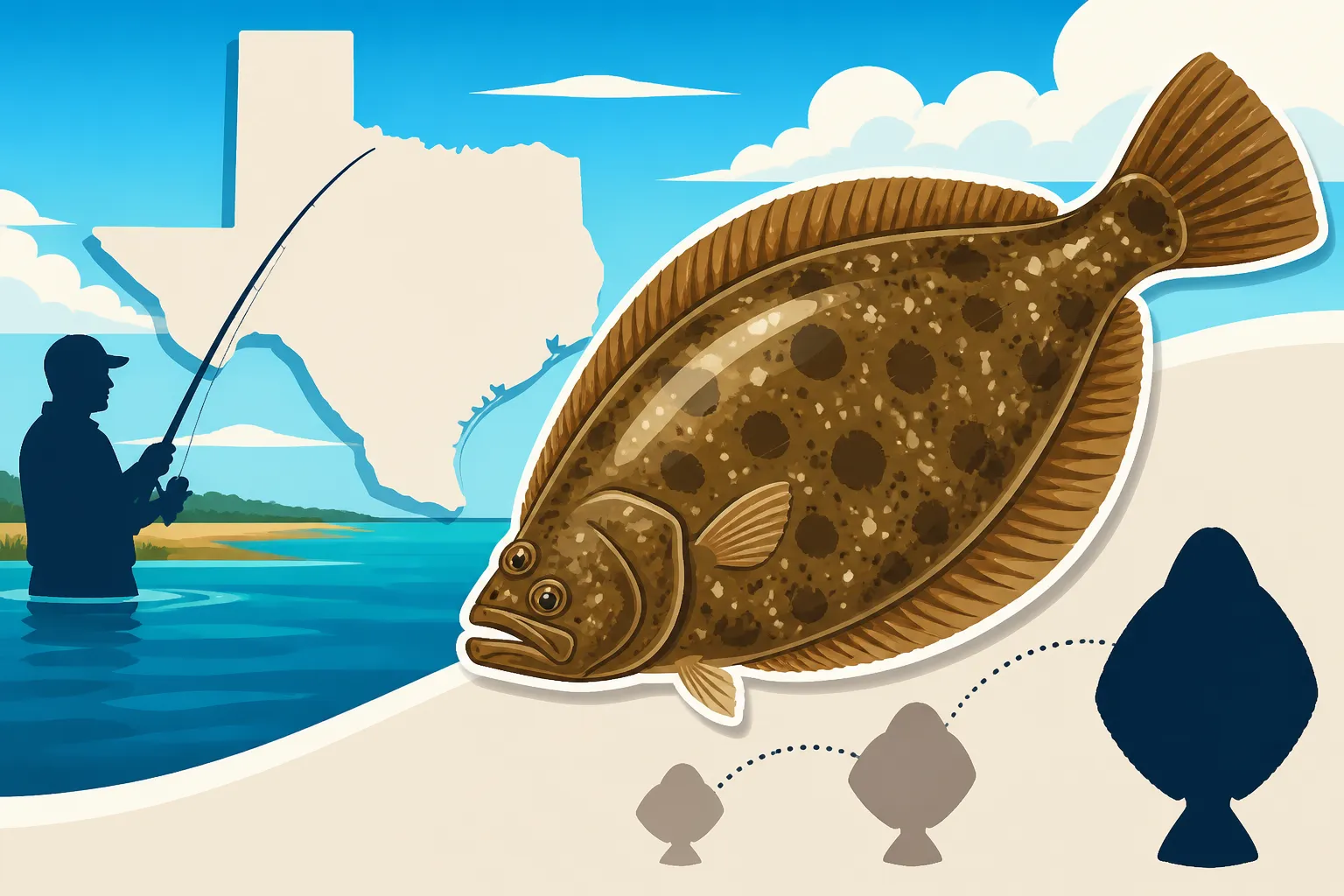
When you're out chasing flounder along the Texas coast, whether you're wading the flats of Galveston Bay or fishing the jetties near Port Aransas, you're primarily targeting the Southern Flounder (Paralichthys lethostigma). These fascinating flatfish are masters of camouflage, burying themselves in the sand or mud, waiting for an unsuspecting meal to swim by. Their unique body shape and ability to change color make them a prized catch, but their size can vary quite a bit depending on where and when you encounter them.
Average Size and Weight for Texas Anglers
For the vast majority of recreational anglers in Texas, the flounder they encounter will fall into a predictable size range. Most of the keeper-sized flounder you'll pull in from our bays and nearshore waters will measure between 14 and 18 inches. These fish are typically a year or two old, healthy, and provide an excellent fight, especially on lighter tackle. When it comes to weight, a flounder in this size class usually tips the scales anywhere from 1 to 3 pounds.
Of course, fishing is never "average" every single day. Some days you might catch a limit of flounder right at the minimum legal length, while other times you might find a handful that are pushing the 20-inch mark. These larger fish, often called "doormats" by seasoned anglers, can weigh closer to 4 or 5 pounds and are truly a special catch. They represent the upper end of what many anglers consider a "good day" on the water, offering a substantial amount of delicious white meat. You can learn more about how to identify this species by checking out our guide on Texas Southern Flounder Identification Guide.
Factors Influencing Southern Flounder Growth
Several key factors play a significant role in how big a Southern Flounder will ultimately grow in Texas waters. It's not just about luck; it's about the environment, food availability, and even genetics.
Firstly, food availability is paramount. Flounder are opportunistic predators, ambushing baitfish, shrimp, and crabs. Areas with abundant forage, like oyster reefs, seagrass beds, and muddy bottoms rich in small crustaceans, tend to produce healthier, faster-growing fish. A flounder that can consistently find easy meals will grow quicker and larger than one in a sparser environment. This is why certain bays known for their rich ecosystems are often lauded for producing bigger flounder.
Secondly, water temperature and salinity are critical. Flounder thrive in a specific range of conditions. Extreme cold fronts, like those we sometimes see in winter, can lead to fish kills if the water temperatures drop too low for too long. Similarly, periods of drought or excessive rainfall can drastically alter salinity levels in the bays, affecting their metabolism and feeding patterns. Fish that experience stable, optimal conditions are more likely to reach their full growth potential.
Lastly, age and fishing pressure also factor in. While flounder don't live as long as some other species (typically up to 5-7 years, though some can live longer), older fish are naturally larger. However, heavy fishing pressure means that many flounder are harvested before they reach their maximum potential size. This is where regulations come into play, helping to ensure enough fish survive to spawn and grow larger, which we'll discuss a bit more later.
Chasing the Giants: Texas' Largest Flounder Records and Potential
While a 1-3 pound flounder is a fantastic catch, there's always that dream of landing a true behemoth. Texas waters do produce some incredible, record-setting flounder, proving just how big these flatfish can get when all the conditions are right. These aren't your everyday catches, but they certainly exist and keep the passion alive for many trophy hunters.
Texas State Records: The Legendary “Doormats”
The official state record for a Southern Flounder in Texas is truly astounding. The current record stands at a whopping 13 pounds, weighing in at 27.5 inches long. This legendary fish was caught back in 1976 from the depths of Port O'Connor, a testament to the incredible potential of our Gulf Coast. Just imagine reeling in something that heavy and that wide – it would feel like pulling up a dinner plate! This record isn't just a number; it serves as a beacon for what's possible in the rich waters of the Texas coast. While that particular record has stood for decades, it shows that even bigger fish might still be out there, lurking in the shadows.
It's important to differentiate between the Southern Flounder (our primary target) and other flounder species that might occasionally be caught, though they rarely reach such sizes. The state record specifically refers to the Southern Flounder, which is the species most commonly targeted by anglers. These record-breaking fish are often caught by anglers who dedicate themselves to understanding flounder behavior, prime locations, and specific techniques designed to entice larger, more mature fish.
Trophy Flounder Hotspots and Prime Conditions
If you're dreaming of a trophy flounder that rivals the state record, you'll need to focus on specific conditions and locations. While big flounder can show up almost anywhere along the coast, some areas are known for consistently producing larger fish.
Deep passes, jetties, and major bay systems with strong tidal currents are often prime areas. Places like the Galveston Jetties, Port Aransas channels, and Sabine Pass are known for holding larger flounder, especially during their migratory runs. During the cooler months, particularly in the fall, Southern Flounder migrate from the bays to the Gulf of Mexico for spawning. This Texas Flounder Season and Limits movement concentrates fish, and bigger individuals often lead the charge. Targeting these migration routes and deeper waters where larger prey is available can increase your chances significantly.
Successful trophy flounder anglers often rely on live bait, such as mud minnows or finger mullet, fished on the bottom. Heavy-duty tackle, like robust rods and reels you might find on Amazon, capable of handling a big, strong fish and heavy current, are essential. Fishing after major cold fronts or during certain lunar phases can also play a role, as these conditions often trigger aggressive feeding behaviors in larger, more cautious fish. Patience, knowledge of tidal movements, and a willingness to explore different depths are all part of the game when hunting for these giants.
Understanding Size Limits and Conservation for Southern Flounder
It's one thing to know how big flounder can get; it's another to understand what you're legally allowed to keep. Texas Parks and Wildlife Department (TPWD) sets strict regulations for flounder, primarily focusing on the Southern Flounder, to ensure a healthy and sustainable population for future generations. These rules are crucial for managing the fishery and are often adjusted based on scientific data and stock assessments.
Legal Slot Limits for Flounder in Texas
The most critical regulation to be aware of when flounder fishing in Texas is the minimum length limit. Currently, for Southern Flounder, you typically must keep fish that are at least 15 inches in length. This is a crucial number to remember every time you hit the water, as keeping undersized fish can result in hefty penalties. TPWD implements these minimums to allow flounder to reach sexual maturity and spawn at least once before being harvested, which is vital for population replenishment. You can find detailed information on Texas Flounder Minimum Length Limit to ensure you're always compliant.
It's also worth noting that flounder regulations can be a bit more complex, particularly regarding their bag limits and seasonal closures. For example, there's often a reduced bag limit, and a specific period during the fall when flounder fishing might be restricted or allowed only by gigging, known as the Texas Flounder Season and Limits. These measures are put in place to protect the species during its critical spawning migration. Always double-check the latest TPWD Outdoor Annual before your trip, as regulations can change.
Why Size Limits Matter for Conservation
These size and seasonal limits aren't arbitrary; they are the backbone of flounder conservation efforts. Flounder populations, particularly Southern Flounder, have faced challenges in recent decades, leading to a need for careful management.
By enforcing minimum length limits, TPWD aims to ensure that a significant portion of the flounder population can reproduce successfully before they are caught. A fish that has spawned at least once contributes to the next generation, helping to maintain a robust and healthy stock. Without these protections, overfishing could quickly deplete the population, making it harder for all of us to enjoy this fantastic fishery. The goal is long-term sustainability, allowing for continued recreational and commercial fishing while safeguarding the species. Understanding and respecting these regulations is every angler's responsibility, helping to ensure that the joy of catching a "doormat" flounder remains a possibility for years to come. For a broader look at protecting our coastal species, review the Texas Saltwater Bag Limits by Species.
Gear and Techniques for Targeting Texas Flounder of All Sizes
Whether you're aiming for a legal keeper for dinner or hoping to land a personal best, having the right gear and employing effective techniques can significantly boost your success rate. Flounder fishing, while often straightforward, benefits from specific approaches tailored to their unique behavior.
Essential Gear for Flounder Fishing
For most flounder fishing scenarios, you don't need highly specialized, expensive equipment. A medium-light to medium action spinning rod, typically 6'6" to 7'6" in length, paired with a reliable spinning reel is a great start. This setup offers enough backbone to handle a good-sized flounder while still providing the sensitivity to detect their often subtle bite. You can find excellent options for rods and reels suitable for flounder on Amazon, with many reputable brands offering durable gear.
For line, a 10-15 pound braided line with a 20-pound fluorocarbon leader is a popular choice. The braid offers excellent sensitivity and casting distance, while the fluorocarbon leader provides abrasion resistance and is virtually invisible underwater, which can be a huge advantage when targeting wary flounder.
As for terminal tackle, a Carolina rig is arguably the most effective setup for flounder. This rig consists of an egg sinker (1/2 to 1 oz, depending on current and depth), a swivel, and an 18-30 inch fluorocarbon leader tied to a worm hook or a Kahle hook (sizes 1/0 to 3/0). The weight allows your bait to stay on the bottom where flounder lie in wait, and the long leader lets the bait move naturally. Many anglers also carry a small net or a specialized flounder gig (where legal) for securing their catch. For more specific setups, check out Best rigs for flounder fishing.
Effective Flounder Fishing Methods
Flounder can be caught using several methods, each with its own advantages. The most common and often most productive method involves fishing with live bait on the bottom. Mud minnows and finger mullet are flounder favorites. Hook your bait through the lips or just behind the dorsal fin, cast it out, and slowly retrieve it, dragging it across the bottom. Flounder are ambush predators, so they often won't chase; you need to bring the bait to them. When you feel a thump or a sudden weight, resist the urge to set the hook immediately. Let the flounder "eat" the bait for a few seconds (often referred to as the "flounder thump and wait") before a firm, sweeping hookset.
Another popular method, especially during the fall migration, is gigging. This involves using a specialized spear, often with multiple prongs, to harvest flounder. Gigging is typically done at night, either by wading shallow flats with a powerful light or from a boat equipped with lights. The key is to spot the flounder camouflaged on the bottom and then quickly and accurately gig them. However, remember that gigging rules can be very specific, and there are times and places when it is legally restricted or even prohibited, so always verify the current regulations for How to gig flounder legally in Texas.
Artificial lures can also be very effective, especially for actively feeding flounder. Soft plastic paddle tails or grub tails rigged on jig heads (1/8 to 1/2 oz) are excellent choices. Shrimp imitation lures or small jerkbaits retrieved slowly along the bottom, mimicking a wounded baitfish, can trigger strikes. The key with artificials is to keep them in constant contact with the bottom, dragging and bouncing them subtly. This method requires more active fishing but can be incredibly rewarding when you crack the code on a school of hungry flounder. For a comprehensive look at coastal fishing, explore Texas Saltwater Fishing Techniques.
Here's a quick comparison of typical and trophy flounder:
| Characteristic | Typical Keeper Southern Flounder | Trophy Southern Flounder (Personal Best / Record Potential) |
|---|---|---|
| Length Range | 15-20 inches | 20-27.5 inches+ |
| Weight Range | 1-3 pounds | 4-13 pounds+ |
| Likely Age | 1-3 years | 4-7+ years |
| Habitat Focus | Shallow bays, flats, channels, near jetties | Deeper channels, major passes, jetties, Gulf nearshore |
| Primary Bait | Live mud minnows, finger mullet, shrimp | Larger live bait (mullet, croaker), artificials |
| Common Method | Rod & reel with Carolina rig, gigging | Rod & reel, slow-trolling, focused gigging |
| Rarity | Relatively common in good conditions | Rare, often seasonal, requires patience and specific tactics |
Ultimately, whether you're bringing home a couple of delicious 16-inchers or chasing that once-in-a-lifetime 8-pound doormat, understanding the size potential of flounder in Texas waters helps you appreciate every catch. It's a reminder of the rich ecosystems we have and why we need to continue to protect them for all anglers.
Disclaimer
This article is for general informational purposes only and does not constitute professional advice. Laws, prices and regulations vary by location and change over time. Consult a qualified professional for guidance on your specific situation.