What do flounder eat
It's a question every Texas angler eventually asks, especially when those elusive flatfish seem to ignore everything you throw at them: "What do flounder eat?" It can feel incredibly frustrating to spend hours on the water, trying every lure in your tackle box, only to come up empty-handed while imagining a massive flounder mocking you from the sandy bottom. Understanding the diet of the Southern Flounder (our primary Texas species) isn't just a fun fact; it's the key to unlocking consistent success, whether you're gigging in the shallows or casting from a boat in a bay system. This guide is going to dive deep into what these fascinating ambush predators truly feed on, helping you match the hatch and put more flounder on your dinner table.
The Opportunistic Hunter: Understanding Flounder Feeding Habits
Flounder aren't exactly active chasers, zipping around like a redfish or speckled trout. Instead, they've perfected the art of camouflage and patience, making them one of the most unique predators in our Texas waters. Their entire body structure and behavior are geared towards a "lie-in-wait" approach, which means their diet is heavily influenced by what passes directly over their flattened bodies.
Ambush Predators of the Seabed
Imagine a flounder, expertly camouflaged against the sandy or muddy bottom, with only its eyes protruding, scanning for prey. That's the typical scene. They are true ambush predators. This means they aren't expending a lot of energy chasing down fast-moving targets over long distances. Instead, they wait for an unsuspecting meal to swim within striking distance. When the moment is right, they erupt from the bottom with surprising speed, engulfing their prey with their sharp, numerous teeth. This behavior tells us a lot about what they prefer: creatures that are relatively easy to catch once they're close, and those that frequent the same bottom environments where flounder reside.
Think about the frustrations of trying to catch them sometimes; you might be wading right over them and not even know it! That's how good they are at blending in. This makes presentations that stay close to the bottom, or mimic an injured struggling baitfish, incredibly effective.
The "Lie-in-Wait" Strategy
The "lie-in-wait" strategy is truly at the core of a flounder's existence. They use their flattened bodies to sink into the substrate, sometimes barely visible. Their eyes, positioned on one side of their head (which actually migrates during their larval stage!), give them an excellent upward-facing field of vision. This allows them to detect prey from below without revealing their presence.
This strategy requires patience and an abundant food source. They're not going to waste energy on a chase unless it's a guaranteed meal. Therefore, slow-moving or wounded prey that lingers in their strike zone is much more appealing. When you're fishing for flounder, replicating this vulnerable, easy-target movement is crucial. This is why a slow retrieve or a bait that sits on the bottom for a moment often triggers a strike. This also explains why something like a mud minnow, which naturally burrows and hangs out near the bottom, is such a universally effective bait.
Seasonal Shifts and Foraging Behavior
Just like us, flounder's eating habits can change with the seasons and environmental conditions. While their core diet remains consistent, the availability of certain food items will shift, and so will their preferred foraging grounds. For example, during the cooler months, as many baitfish move into deeper channels or offshore, flounder might focus more on crustaceans that are still active in the bays.
Perhaps the most famous seasonal shift in flounder behavior is their annual fall migration, often called the "flounder run." During this time, adult flounder migrate from the shallow bays out into the Gulf of Mexico to spawn. As they move through passes and channels, they become incredibly aggressive feeders, gorging themselves to build up energy for the arduous journey and spawning process. This is when they are often concentrated and most willing to strike, making it prime time for anglers who know How to Catch Flounder During the Fall Run. Their diet during this period might lean more heavily towards larger, fattier baitfish as they prepare for the journey.
What's On The Menu? Primary Food Sources for Texas Flounder
If you want to catch flounder, you need to think like a flounder. And thinking like a flounder means thinking about what’s naturally available, easy to ambush, and packed with enough calories to make it worth the effort. Their diet is pretty consistent across various Texas bay systems, from Galveston Bay down to the Laguna Madre.
Small Fish: A Flounder's Favorite Meal
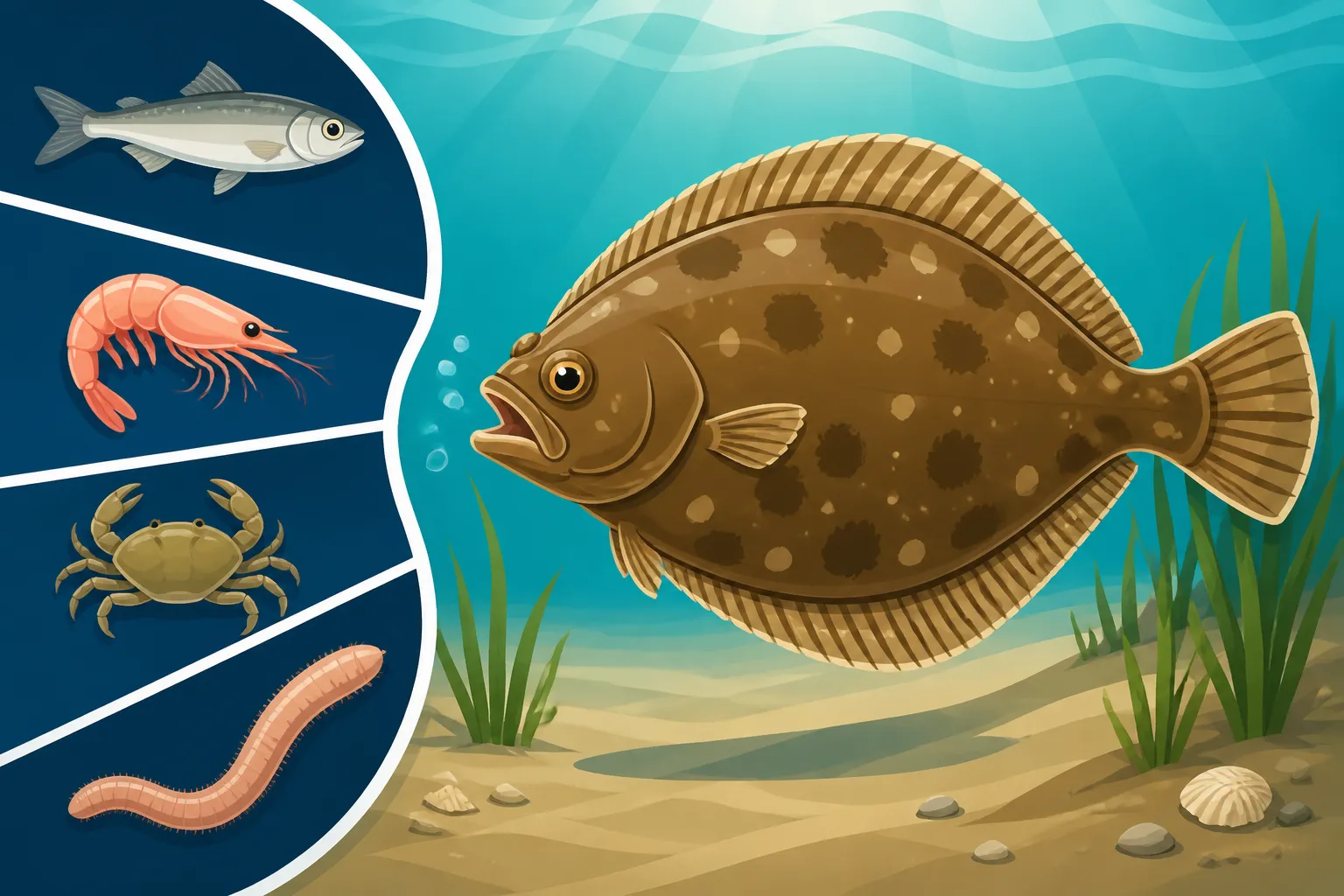
Without a doubt, small fish are at the top of a flounder's preferred menu. Why? Because they're nutritious, often abundant, and, crucially, they swim right over the flounder's head. When a flounder detects the silhouette or vibrations of a small fish above, it's often an irresistible target.
Commonly consumed baitfish include:
- Mullet: Both finger mullet and larger mullet are prime targets. Mullet frequent the shallow flats, grass beds, and sandy bottoms where flounder love to hide. Their oily flesh makes them a very appealing meal.
- Mud Minnows (Killifish): These hardy little fish are found in ditches, shallow waters, and muddy areas. They're relatively slow-moving and often bury themselves in the mud, making them easy pickings for an ambushing flounder.
- Small Perch and Pinperch: These panfish species are common in the bay systems and offer a decent meal size for larger flounder.
- Goby Species: While often overlooked, various small gobies are abundant in certain areas and make up a consistent part of the flounder's diet.
- Juvenile Croaker: Young croaker are also a common food source, especially in bay systems where croaker populations are strong.
This preference for small fish is why live bait such as mud minnows or finger mullet is so incredibly effective for flounder fishing. If you're using artificial lures, a soft plastic swimbait or a jerkbait that mimics these baitfish is often your best bet. You can find a fantastic array of these types of lures and live bait gear on sites like Amazon, ready to ship to your door.
Crustaceans: The Abundant Snack
While fish might be the main course, crustaceans are undoubtedly the reliable appetizer or side dish for a flounder. They are abundant, relatively easy to catch for an ambush predator, and present year-round in Texas bays.
Key crustacean targets include:
- Shrimp: Absolutely a staple in a flounder's diet. White shrimp, brown shrimp, and pink shrimp are all fair game. Shrimp live and forage on the bottom, making them constantly accessible to flounder. They are a primary food source, especially for smaller flounder or when baitfish are less abundant.
- Crabs: Small crabs, especially juvenile blue crabs or mud crabs, are another important food source. Flounder aren't afraid of hard shells; they have strong jaws and sharp teeth designed to crunch through them.
- Fiddler Crabs: In areas with extensive marsh grass and mudflats, fiddler crabs can be a significant part of the diet.
The presence of abundant shrimp and crabs means that scented soft plastics designed to imitate these creatures, or even dead shrimp on a popping cork (though not typical flounder fare, they will hit it), can be quite effective. The scent component is particularly important here, as flounder have an excellent sense of smell.
Other Invertebrates and Opportunistic Bites
Flounder are not picky eaters when the opportunity arises. Beyond their primary diet of small fish and crustaceans, they will consume a variety of other invertebrates if they present themselves as an easy meal. This truly underscores their opportunistic nature.
This can include:
- Squid: While less common in shallow bays, small squid can be a food source, especially for flounder migrating near passes or in the deeper parts of the bay where they might encounter them.
- Worms: Certain marine worms that burrow in the mud can be eaten if exposed, though they're not a primary target.
- Smaller Flounder: In a true display of predatory opportunism, larger flounder have been known to eat smaller flounder. It's a "survival of the fittest" mentality down on the bay floor.
Essentially, if it's small enough to fit in their mouth, moves along the bottom, and doesn't put up too much of a fight, a flounder will likely consider it dinner. This broad diet range gives anglers a lot of options when choosing bait, as long as it's presented correctly. You can often find a wide variety of soft plastic imitations for these types of prey, from shrimp to small squid, through online retailers like Amazon.
Using Their Diet to Your Advantage: Best Baits for Texas Flounder
Knowing what flounder eat is one thing; translating that into what you should use on the end of your line is another. The goal is always to present something that looks, feels, and potentially even smells like their natural prey. When flounder are in a feeding mood, they're not too picky, but during tougher conditions, mimicking their actual diet precisely can make all the difference.
Live Bait That Mimics Natural Prey
When it comes to flounder fishing in Texas, live bait is often king. Nothing beats the natural action, scent, and vibration of a living creature, especially for a fish that relies so heavily on its senses of smell, sight, and lateral line.
- Live Mud Minnows: These are arguably the most consistent and effective live bait for flounder. They're tough, stay alive on the hook for a long time, and their natural behavior of trying to bury themselves in the sand is exactly what attracts a flounder's attention. Hook them through the lips or just behind the dorsal fin with a small kahle or treble hook. A simple Carolina rig is perfect for presenting these on the bottom.
- Live Finger Mullet: Another fantastic option, especially for targeting larger flounder. Hook them similarly to mud minnows, perhaps with a slightly larger hook to match the bait size. Their frantic struggles near the bottom can really entice a strike.
- Live Shrimp: While speckled trout and redfish love them, flounder will absolutely eat live shrimp. They're a bit more fragile on the hook than mud minnows or mullet, but their natural movements and scent trail are irresistible. Rig them under a popping cork in shallower water, or on a Carolina rig near the bottom. The key with shrimp is to keep them alive and kicking to maximize their appeal.
When you're trying to figure out Best Rigs for Flounder Fishing, a Carolina rig with a 1/2 to 1 oz egg weight and an 18-24 inch fluorocarbon leader is a go-to for live bait, keeping your offering right where flounder expect to find it – on the bottom.
Artificial Lures That Get Their Attention
For anglers who prefer artificials, there are plenty of options that mimic a flounder's diet effectively. The key is to impart a slow, bottom-hugging action that suggests an easy meal.
- Soft Plastic Swimbaits: These are incredibly versatile. Paddle tails, curl tails, or even straight tails in colors like white, chartreuse, natural shrimp, or dark greens and browns can be deadly. Rig them on a 1/8 to 1/2 oz jig head, depending on current and depth. Work them with a slow drag, hop, or twitch along the bottom. Brands like Berkley Gulp! are particularly effective because of their strong scent. You can easily stock up on a variety of colors and sizes on Amazon.
- Scented Soft Plastics (Shrimp/Critter Imitations): As mentioned, Berkley Gulp! baits, particularly the shrimp, crab, or small critter profiles, are extremely popular and effective. Their scent dispersal in the water can draw flounder in from a distance, compensating for the lack of natural movement. These are usually fished on a jig head or a weedless hook in grassy areas.
- Bucktail Jigs: A classic for a reason. Bucktails, especially when tipped with a piece of natural bait (like a strip of cut mullet or a shrimp tail), are excellent for flounder. The jig's weight gets it to the bottom, and the hair flares and pulses with each twitch, mimicking a struggling baitfish or crustacean.
- Spoon Lures: While less common for flounder, a small, slowly retrieved spoon can sometimes draw a strike, particularly if it's fluttering near the bottom like an injured baitfish. This is more of an opportunistic presentation, but it can work.
Remember, the retrieve is paramount with artificials. A rapid retrieve will often sail right over a flounder's head. Think slow, methodical, and close to the bottom.
Presenting Your Bait Naturally
Regardless of whether you choose live bait or artificial lures, how you present it makes all the difference. Flounder are tuned into subtle movements of prey on the bottom.
- Slow and Steady: This cannot be emphasized enough. Whether you're dragging a Carolina rig with a mud minnow or slowly hopping a soft plastic, the movement needs to be deliberate and unhurried. Imagine how a small baitfish or crab would move along the bottom – short bursts, pauses, and slow crawls.
- Bottom Contact: Your bait needs to be on or very near the bottom. Flounder rarely look up beyond a foot or so for their meal. Heavy enough weights for the conditions are crucial. If your bait is suspended too high, you're missing their strike zone.
- Work Structure: Flounder love to hide around structure: oyster reefs, rocks, jetties, grass lines, dock pilings, and channel edges. These areas provide both cover for them and ambush points for their prey. Fan-cast around these structures, slowly working your bait through potential hiding spots.
- Current Matters: Flounder will often position themselves facing into the current, waiting for food to be swept past them. Cast upstream of where you expect them to be and let the current carry your bait naturally into their strike zone. This also helps with the presentation, as the current can impart a subtle, lifelike action to your bait. Knowing about Texas Saltwater Fishing Techniques can greatly assist in perfecting your presentation for these flatfish.
Factors Influencing Flounder Feeding
Even with the perfect bait and presentation, there are external factors that can significantly influence whether a flounder is in the mood to eat. Understanding these can help you choose the best times and locations to target them, preventing those frustrating days when nothing seems to bite.
Water Temperature and Salinity
Like most fish, flounder are highly sensitive to water conditions.
- Water Temperature: Flounder are cold-blooded, so their metabolism slows down in colder water and speeds up in warmer water. Generally, they are most active and feed aggressively in water temperatures ranging from the mid-60s to the low 80s Fahrenheit. During colder spells, they might move to deeper, more stable waters, and their feeding activity will decrease. Conversely, in extremely hot summer months, they might seek out slightly deeper, cooler spots or feed more actively during dawn and dusk. This is a critical factor for understanding Best Time of Year to Fish in Texas.
- Salinity: Flounder are euryhaline, meaning they can tolerate a wide range of salinities, from nearly fresh to full saltwater. This allows them to thrive in various parts of Texas's estuarine systems. However, extreme fluctuations, such as those caused by heavy rains or prolonged droughts, can temporarily displace them or reduce their feeding activity until conditions stabilize. They are typically found in areas with a good mix of fresh and saltwater, where baitfish and crustaceans are abundant.
Keeping an eye on local water temperature and salinity reports can give you a significant advantage in predicting flounder behavior.
Tides and Current Flow
For an ambush predator like a flounder, tides and current flow are absolutely critical. They dictate when and where prey will be most accessible.
- Moving Water is Key: Flounder feed best during periods of moving water – either an incoming or outgoing tide. This current pushes baitfish, shrimp, and other invertebrates past their hiding spots, essentially delivering dinner right to them. Slack tide periods, when the water is still, often see a significant drop in feeding activity.
- Outgoing Tides: During an outgoing tide, water from the shallow flats, marshes, and bayous drains out into the deeper channels and passes. This washes out baitfish and crustaceans, concentrating them in predictable areas where flounder lie in wait. This is often a prime time to target flounder, especially during the fall run.
- Incoming Tides: An incoming tide brings fresh, often clearer, water and new food sources into the bays. Flounder might move into shallower areas, such as the edges of grass beds or sandy potholes, to ambush incoming bait.
- Structure and Current: Flounder will position themselves strategically behind or alongside submerged structure (oyster reefs, rocks, sandbars) that breaks the current. This allows them to expend less energy while still having an excellent ambush point as food is swept by. This is why knowing how to read currents and identify subtle bottom changes is so important when targeting these fish.
Time of Day and Light Conditions
While flounder can be caught throughout the day, certain times and light conditions tend to be more productive for active feeding.
- Low Light Conditions: Dawn and dusk are often peak feeding times for many predatory fish, and flounder are no exception. The reduced light provides them with better camouflage and makes it harder for their prey to spot them. This is also when many baitfish and crustaceans are more active.
- Overcast Days: Heavily overcast days, which mimic low light conditions, can also be very productive for flounder fishing. The diffuse light helps them maintain their camouflage throughout the day.
- Night Fishing: Flounder are also very active night feeders, particularly during a full moon. They use their keen sense of smell and lateral line to detect prey in the darkness. Night gigging for flounder is a popular and effective method, but even with rod and reel, targeting them at night with scented baits or glow-in-the-dark lures can be highly successful. For anglers interested in gigging, remember to always check Texas Flounder Season and Limits as gigging rules can differ slightly from rod and reel fishing.
By paying attention to these environmental factors, you can significantly increase your chances of finding and catching hungry flounder in Texas waters. It's all about understanding their world and presenting your offering in a way that aligns with their natural instincts. Happy fishing, and may your cooler be full of delicious flatfish!
Disclaimer
This article is for general informational purposes only and does not constitute professional advice. Laws, prices and regulations vary by location and change over time. Consult a qualified professional for guidance on your specific situation.