What fish are stocked most often in Texas lakes
There’s nothing quite like the thrill of a bending rod and the anticipation of what’s on the other end, but let's be honest, finding a good fishing spot in Texas that consistently produces can sometimes feel like hunting for a needle in a haystack. Many of us dream of lakes teeming with active fish, and thankfully, the Texas Parks and Wildlife Department (TPWD) works tirelessly behind the scenes to make that dream a reality through their robust fish stocking programs. This comprehensive guide will pull back the curtain on which fish species are most frequently introduced into Texas lakes, rivers, and ponds, why these efforts are so crucial, and how you, as an angler, can benefit from them to have more successful and enjoyable fishing adventures.
The Vital Role of Fish Stocking in Texas Waters
When you think about fishing, you probably picture a serene lake or a winding river, perhaps a sunrise over the water, and hopefully, a healthy fish on the line. What you might not always consider is the incredible amount of planning and effort that goes into maintaining those healthy fish populations, especially in a state as vast and diverse as Texas. Fish stocking isn't just about dumping a bunch of fish into a lake; it's a carefully orchestrated ecological and recreational strategy. Without these programs, many of our favorite fishing spots simply wouldn't offer the consistent action we've come to expect.
Enhancing Recreational Opportunities for Every Angler
One of the primary drivers behind stocking efforts is to directly boost recreational fishing opportunities for everyone, from seasoned pros to kids on their first outing. Texas has a huge population of anglers, and our lakes and rivers see immense pressure. Natural reproduction alone, while important, often can't keep up with demand, especially in urban areas or reservoirs heavily impacted by drought or other environmental factors.
By stocking fish, TPWD can create or sustain vibrant fisheries that might otherwise struggle. This means more fish for you to catch, which, let's be honest, is why most of us go fishing in the first place! Imagine taking your grandchild to a local pond and knowing there's a good chance they'll hook into a feisty catfish or a panfish. That experience, that connection to nature, and that sheer joy are directly supported by these stocking initiatives. It ensures that fishing remains accessible and rewarding for all Texans, encouraging new generations to pick up a rod and reel. The goal is to provide a reliable and exciting experience, whether you're chasing trophy bass or simply enjoying a peaceful afternoon reeling in bluegill.
Managing and Restoring Aquatic Ecosystems
Beyond just giving us more fish to catch, stocking plays a critical role in the broader management and restoration of our precious aquatic ecosystems. Sometimes, a lake might have a perfect habitat, but for one reason or another, a particular fish species isn't thriving or reproducing adequately. This could be due to past environmental events, invasive species competition, or even just natural population cycles that need a little boost.
Stocking can help correct these imbalances. For instance, if a lake’s forage base is too high, stocking predatory fish can help bring the ecosystem back into equilibrium. Conversely, stocking forage species can provide a much-needed food source for existing game fish. It's a complex science, ensuring that the right fish are introduced in the right numbers at the right time to support a healthy, balanced aquatic community. These efforts also aim to preserve and, in some cases, reintroduce native species, ensuring Texas's unique biodiversity remains intact for future generations.
The Most Commonly Stocked Fish Species in Texas Waters
So, what kinds of fish are typically on the "stocking list" for Texas lakes? While the specific species and quantities vary greatly depending on the body of water, its ecological needs, and the goals for that particular fishery, there are several key players that consistently receive attention from TPWD hatcheries. These are the fish that provide the backbone of Texas's incredible angling opportunities.
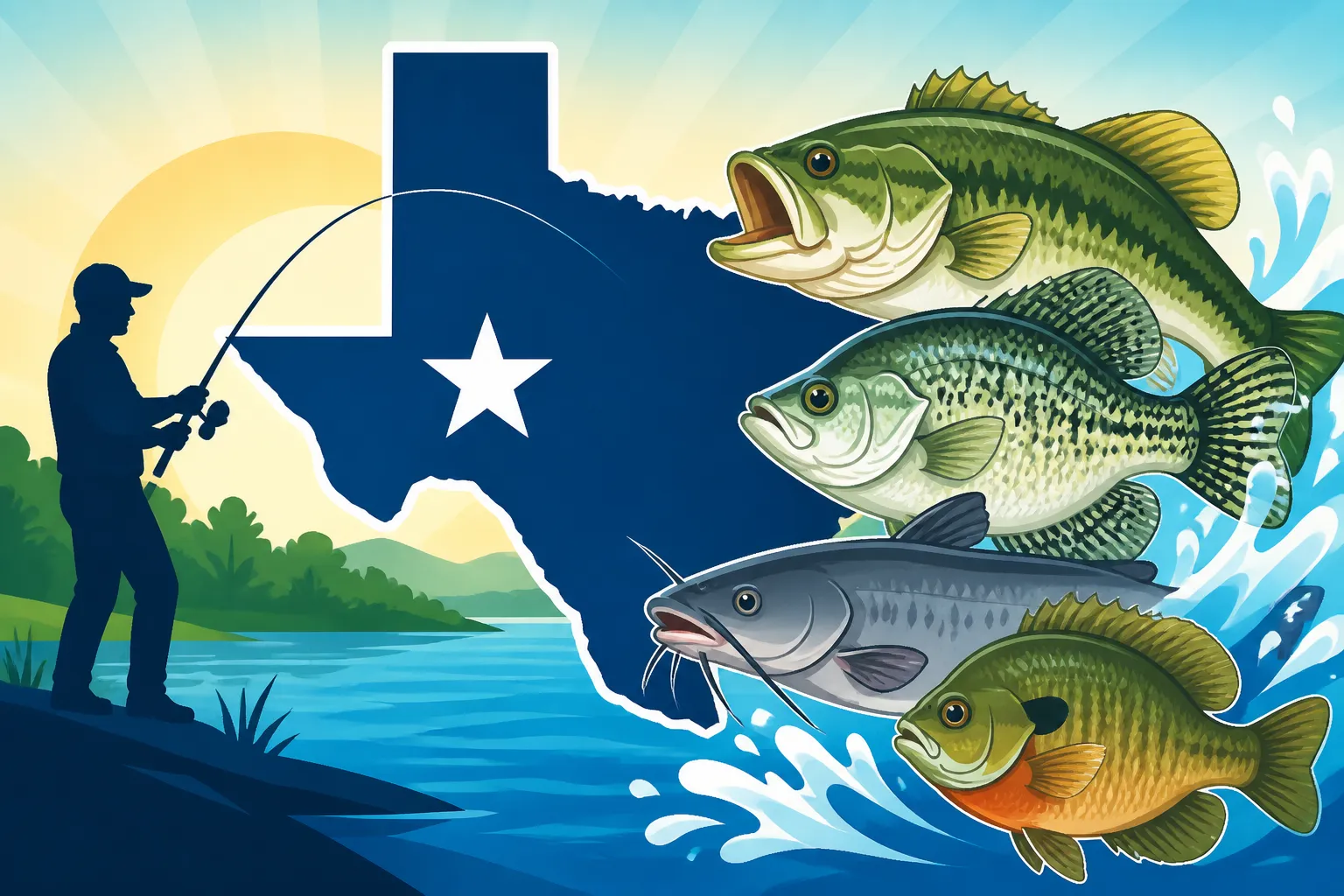
Largemouth Bass
Ah, the largemouth bass – the undisputed king of freshwater fishing for many Texans! It's no surprise that this iconic game fish is one of the most frequently stocked species. Texas is famous worldwide for its trophy bass lakes, and maintaining those populations requires ongoing effort. While largemouth bass do reproduce naturally, stocking efforts often introduce genetically superior strains, like the Florida largemouth bass, which are known for their potential to grow to massive sizes. These stockings are crucial for lakes that aim to produce those "ShareLunker" sized fish that make headlines and put Texas on the map for bass anglers.
These efforts go beyond just quantity; they're about quality. TPWD carefully manages genetics to ensure healthy, fast-growing bass populations. Stocking helps stabilize populations in reservoirs where natural reproduction might be inconsistent, perhaps due to fluctuating water levels or other environmental stressors. The ultimate goal is to ensure that when you head out with your favorite crankbait or soft plastic, like the ones you can find a huge variety of on Amazon, you have a solid chance of encountering a healthy, fighting largemouth. For more detailed insights into targeting these beauties, check out our Texas Largemouth Bass Fishing Guide.
Catfish: Channel, Blue, and Flathead
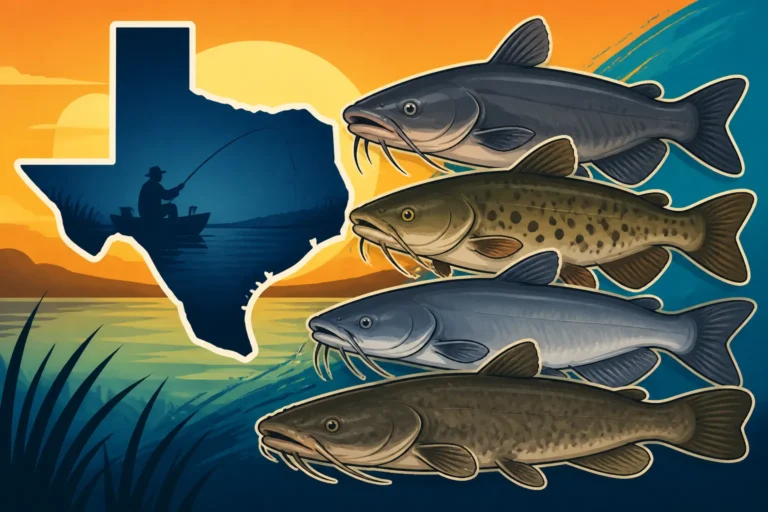
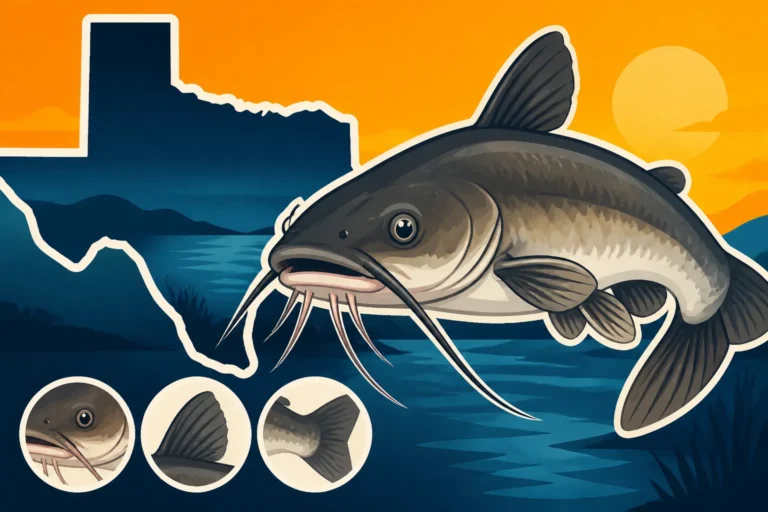
When it comes to sheer accessibility and family-friendly fishing, catfish are tough to beat. They’re plentiful, relatively easy to catch, and delicious to eat, making them a staple in stocking programs across Texas. Channel catfish and blue catfish are particularly common choices for stocking, especially in smaller community fishing ponds and urban lakes where the aim is to provide immediate, high-success fishing opportunities for anglers of all ages.
These stocking events are fantastic for introducing kids to fishing because catfish are often eager biters, especially on simple baits like stink bait, chicken livers, or cut bait. TPWD often stocks "catchable size" catfish, meaning they're big enough to provide a fun fight and a meal, right after being introduced. This ensures that even novice anglers can experience the joy of a bending rod. Flathead catfish are generally less reliant on stocking as they have robust natural populations in many rivers and larger reservoirs, but channel and blue cats are regular recipients of stocking boosts, ensuring that no matter where you are in Texas, a catfish adventure is usually close at hand. You can find excellent catfish rigs and tackle, including specialized hooks and weights, on Amazon to gear up for your next outing. To learn more about these whiskered wonders, take a look at our Texas Catfish Species Guide.
Crappie: White and Black
Crappie, both white and black varieties, are beloved panfish that attract a dedicated following of anglers. Known for their delicious white meat and their schooling behavior, crappie provide excellent fishing, particularly in cooler months or during their spring spawn. While crappie populations are often self-sustaining in many larger reservoirs, stocking sometimes occurs to establish new fisheries, enhance struggling populations, or introduce genetic diversity.
TPWD's crappie stocking efforts often focus on ensuring a robust forage base and suitable habitat, as well as directly introducing young crappie into lakes that could benefit from an increase in numbers. Finding a good crappie hole, often around brush piles or submerged timber, can lead to incredible action. Stocking ensures there's a healthy population to find once you locate them. If you're looking for specialized crappie jigs or minnow buckets, Amazon has a wide selection that can help you dial in your setup. If you want to dive deeper into catching these tasty panfish, our Texas Crappie Fishing Guide is a great resource.
Striped Bass and Hybrid Striped Bass
For those who love a hard-fighting, open-water fish, striped bass and their hybrid cousins are a real treat. While pure striped bass are only naturally reproducing in a handful of Texas waters (most notably Lake Texoma), hybrid striped bass are stocked extensively across many large reservoirs. Hybrids are a cross between striped bass and white bass, offering the best of both worlds: the fighting power and size potential of a striper with the hardiness and faster growth rate of a white bass.
These fish are powerhouse predators, cruising open water and chasing schools of baitfish. Stocking them provides a thrilling fishery, often resulting in spectacular topwater action or fast-paced trolling opportunities. They grow quickly and can reach impressive sizes, making them a popular target for anglers seeking a real challenge. Their introduction creates entirely new fisheries in lakes that might not otherwise support such large, pelagic game fish. If you're looking to target these hard-fighters, you might consider heavy-duty spinning rods and reels, many of which are available on Amazon. Get all the details on these powerful fish in our Texas Striped Bass Fishing Guide.
Rainbow Trout (Seasonal Put-and-Take)
While Texas is often associated with heat, the cooler months bring a unique and highly anticipated stocking program: rainbow trout. These cold-water species don't naturally survive Texas summers in most waters, so TPWD runs a very popular "put-and-take" program. During late fall, winter, and early spring, thousands of rainbow trout are stocked into various lakes, ponds, and even sections of rivers, particularly in urban areas and state parks.
This program offers a fantastic opportunity for anglers to experience trout fishing without traveling to colder climates. These stocked trout are typically catchable size, providing immediate action for families and individuals. It’s an ideal way to keep fishing exciting during the colder parts of the year when other species might be less active. Since these fish are intended to be caught and kept, it's a great program for those who enjoy fresh fish for dinner. Remember to check local regulations for specific limits, as they can differ from year-round species. Knowing when and where these trout are stocked can make for an incredible winter fishing experience; our Texas Fishing Seasons Month by Month article has more on seasonal opportunities.
Sunfish and Bream
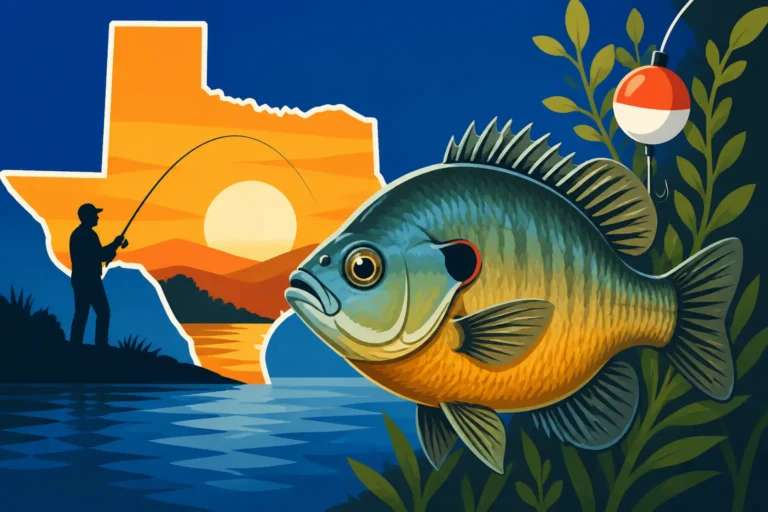
While they might not get as much fanfare as a trophy bass or a hard-fighting striper, various species of sunfish (often collectively called "bream" by anglers) are incredibly important for both recreational fishing and ecological balance. Species like bluegill, redear sunfish, and green sunfish are frequently stocked, especially in smaller ponds and new fisheries. These panfish are typically the first fish many children catch, providing countless memories and fostering a love for the outdoors.
Sunfish are prolific breeders and provide an essential food source for larger predatory fish in the ecosystem. Their stocking often helps establish a healthy forage base, ensuring that the bigger game fish have plenty to eat, which in turn helps them grow larger. Easy to catch on worms, crickets, or small artificial lures, sunfish are perfect for a relaxed day of fishing from the bank or a kayak. They’re a foundational element of many healthy Texas fisheries and a consistent source of fun for anglers of all ages.
How Stocking Programs Work and Finding Stocked Lakes
Understanding that fish stocking is a dynamic and scientifically driven process can really enhance your appreciation for what goes into maintaining Texas's fisheries. It's not just a haphazard release of fish; it's a carefully managed program designed to maximize benefits for both the ecosystem and the angling community.
TPWD's Role: Hatcheries, Research, and Public Reports
The Texas Parks and Wildlife Department is the driving force behind these stocking efforts. They operate several state-of-the-art fish hatcheries across Texas, such as the A.E. Wood Fish Hatchery in San Marcos and the Dundee State Fish Hatchery. These facilities are where millions of fish are spawned, reared, and grown to various sizes before being transported and released into public waters. It's an incredible feat of aquaculture and logistics.
Beyond just raising fish, TPWD fisheries biologists conduct extensive research. They analyze water quality, habitat conditions, existing fish populations, and angler harvest data to determine which species are needed, where, and in what quantities. They also monitor the success of past stockings to continually refine their strategies. This scientific approach ensures that resources are used effectively and that the stocking programs genuinely benefit the fisheries. One of the most angler-friendly aspects of their work is the transparency with which they share this information. They provide detailed stocking reports that are invaluable for planning your fishing trips.
Locating Stocked Lakes and Understanding the Schedules
Knowing which lakes are stocked and when can give you a significant advantage. TPWD makes this information readily available to the public through their official website. They typically publish stocking schedules and historical data, allowing anglers to see which species have been introduced into specific lakes, rivers, or community ponds. For the seasonal rainbow trout program, for instance, they provide a very popular and regularly updated schedule, showing exact dates and locations.
Checking these reports before you head out can dramatically increase your chances of success, especially for species like the "put-and-take" trout. These reports often include not just the species, but also the number of fish stocked and sometimes even the average size. It's like having a secret weapon for planning your fishing adventures! I highly recommend checking out our guide on How to find TPWD stocking reports for Texas lakes to navigate their resources effectively. Planning ahead, especially for popular stocking events, can mean the difference between a frustrating trip and a memory-making day on the water.
The Positive Impact on Anglers and Communities
The impact of these stocking programs extends far beyond just catching fish. For anglers, it means more consistent and often higher-quality fishing experiences. This translates to more enjoyable outings, more fish on the table (if you choose to keep them), and a greater appreciation for Texas's natural resources. It also provides opportunities for targeting a wider variety of species throughout the year.
For communities, these programs can be an economic boon. Healthy fisheries attract anglers, which in turn supports local tackle shops, bait stores, guide services, restaurants, and lodging establishments. It promotes tourism and recreational spending, contributing significantly to the state's economy. Moreover, the stocking of fish in urban ponds through programs like the "Neighborhood Fishin'" initiative introduces fishing to city dwellers, often those who might not have easy access to larger, more remote lakes. This fosters a love for the outdoors and conservation in a diverse segment of the population. When you're picking up a new rod and reel or some specialized lures from Amazon, remember that your interest in fishing helps support this entire ecosystem of conservation and recreation.
Maximizing Your Chances on Stocked Lakes
Alright, now that you know which fish are commonly stocked and why, let's talk about how you can use this knowledge to your advantage. Stocked lakes can offer some incredible fishing, but just because fish are plentiful doesn't mean they'll jump onto your hook. A little strategy goes a long way.
Essential Gear and Optimal Baits for Stocked Species
Having the right gear is always a good starting point, and for commonly stocked fish, you often don't need anything overly complicated or expensive. For general panfish and smaller catfish, a simple spinning rod and reel combo, perhaps a medium-light action rod between 6 and 7 feet, is perfect. You can find excellent beginner-friendly combos on Amazon that won't break the bank. Load it with 6-10 pound monofilament line, and you’re ready to go.
When it comes to bait, keep it simple and effective:
- Catfish: Live or cut bait (shrimp, shad, hot dogs, chicken livers), stink baits, or prepared dough baits are all highly effective.
- Crappie: Small jigs (1/16 to 1/8 ounce) tipped with minnows or soft plastic crappie tubes are killer. Spider rigging with multiple rods is a popular technique.
- Largemouth Bass: While they are stocked, they still prefer typical bass lures like Texas-rigged worms, spinnerbaits, crankbaits, or jigs. However, sometimes stocked bass, especially in smaller ponds, might be less wary and hit a wider variety of presentations.
- Striped/Hybrid Bass: Trolling with lipped crankbaits, casting swimbaits, or spoons, and live bait like shad are all effective.
- Rainbow Trout: PowerBait, corn, salmon eggs, small inline spinners, or tiny spoons are excellent choices. Many anglers also find success fly fishing with small nymphs or streamers.
Don't forget the basics: a selection of hooks (circle hooks for catfish are great for self-setting), sinkers, bobbers, a pair of pliers, and a small cooler to keep your catch fresh. Our Beginner Fishing Gear Checklist for Texas has even more great tips for getting started.
Timing Your Trip: The Best Seasons and Days to Fish
Timing is everything in fishing, and it's especially true for stocked waters.
- Right After Stocking: For species like rainbow trout or catchable-size catfish, the days immediately following a stocking event can be absolutely phenomenal. The fish are often disoriented, hungry, and relatively unpressured, making them eager biters. Keep an eye on those TPWD stocking reports!
- Seasonal Patterns:
- Spring: Generally excellent for most species as they become more active with warming water. Bass and crappie enter their spawning periods.
- Summer: Early mornings and late evenings are best to avoid the intense Texas heat, particularly for bass and crappie. Catfish can be active all day and into the night. Check out our tips on How to Fish in Hot Texas Summers.
- Fall: A fantastic time as water temperatures cool and fish feed heavily in preparation for winter. Many species become more aggressive.
- Winter: This is prime time for the rainbow trout program. Other species like crappie and bass will be slower but can still be caught by fishing deeper and slower.
Considering the Texas Freshwater Fishing Regulations is always a must before you go, as seasons and limits can vary. Also, pay attention to local weather patterns; a gentle overcast day can often be more productive than a bright, clear one.
Understanding Local Regulations and License Requirements
Before you even cast a line in a stocked lake, it is absolutely essential to be familiar with the local fishing regulations and ensure you have the proper license. Texas has specific rules regarding bag limits, length limits, and gear restrictions for various species and bodies of water. These regulations are in place to manage fish populations sustainably, even those that are stocked. Stocked fish, unless explicitly stated (like some specific youth-only waters), are subject to the same rules as naturally occurring fish.
You’ll almost certainly need a valid Texas fishing license if you're 17 years of age or older. There are different types of licenses – freshwater, saltwater, or an all-water package – and you'll need the appropriate one for the waters you plan to fish. You can purchase these online, by phone, or at various retailers like sporting goods stores and even many local Walmart locations. Make sure to check out Texas Fishing License Requirements Explained and How to Get a Texas Fishing License to ensure you're fully compliant before heading out. Fishing without a license or violating regulations can lead to hefty fines, so it’s always better to be safe than sorry. A quick read of the current Outdoor Annual from TPWD will keep you informed.
| Fish Species | Primary Stocking Purpose | Typical Seasons Stocked | Common Fishing Method | Preferred Baits/Lures |
|---|---|---|---|---|
| Largemouth Bass | Enhance trophy potential, supplement populations | Spring, Fall | Casting, Trolling | Worms, Jigs, Crankbaits, Spinnerbaits |
| Channel Catfish | Create easy-catch fisheries, community ponds | Year-round (especially warmer months) | Bottom Fishing | Cut Bait, Stink Bait, Hot Dogs, Worms |
| Blue Catfish | Enhance trophy potential, supplement populations | Spring, Fall | Bottom Fishing, Drifting | Cut Bait (shad, carp), Live Perch |
| White Crappie | Supplement populations, establish new fisheries | Spring, Fall | Jigging, Trolling | Small Jigs, Minnows, Crappie Tubes |
| Black Crappie | Supplement populations, establish new fisheries | Spring, Fall | Jigging, Trolling | Small Jigs, Minnows, Crappie Tubes |
| Striped Bass/Hybrid | Create open-water trophy fisheries | Spring, Fall | Trolling, Casting, Live Bait | Crankbaits, Swimbaits, Spoons, Live Shad |
| Rainbow Trout | Seasonal "put-and-take" winter fishery | Late Fall, Winter, Early Spring | Still Fishing, Spin Casting | PowerBait, Corn, Salmon Eggs, Small Spinners |
| Bluegill/Sunfish | Forage base, youth fishing opportunities | Spring, Summer | Bobber Fishing, Micro Jigs | Worms, Crickets, Small Wet Flies |
Disclaimer
This article is for general informational purposes only and does not constitute professional advice. Laws, prices and regulations vary by location and change over time. Consult a qualified professional for guidance on your specific situation.