Best Lures for a Texas Tackle Box
One of the biggest head-scratchers for any angler, especially here in Texas where the fishing opportunities are so vast, is figuring out what lures to actually carry in your tackle box. It's easy to get overwhelmed by the sheer number of options at your local Bass Pro Shops or even when scrolling through pages on Amazon, wondering which ones will actually work in our diverse lakes, rivers, and coastal waters. This guide is all about cutting through that noise, helping you understand the essential lure types and specific recommendations that truly make a difference for Texas anglers, no matter your target species or the conditions you face.
The Foundation: Essential Lure Categories for Texas Waters
When you're trying to figure out what to stock your tackle box with, it really helps to think in terms of lure categories first, rather than getting bogged down by individual brand names right off the bat. Each category offers distinct advantages and excels in different situations, and understanding these fundamentals is key to building a versatile and effective arsenal for Texas fishing.
Soft Plastics: Versatility for Bass and More
Soft plastics are, without a doubt, one of the most versatile and indispensable categories of lures for Texas anglers. From mimicking a crawfish scooting along the bottom to a baitfish darting through the grass, their lifelike action and endless array of shapes, sizes, and colors make them incredibly effective. They're also relatively inexpensive, which is a huge plus when you're inevitably losing a few to submerged timber or oyster shells.
For freshwater bass fishing, you're looking at everything from Texas rigs, Carolina rigs, wacky rigs, and Ned rigs, to weightless stick baits. They can be fished slowly and meticulously to tempt finicky fish, or worked more aggressively to cover water. For saltwater, soft plastic shrimp imitations or paddle tails rigged on a jig head are absolute killers for redfish and speckled trout. Their soft texture also means fish tend to hold onto them longer, giving you a better chance to set the hook. This is why many experienced anglers will tell you that if you could only pick one lure category, soft plastics would probably be it due to their sheer adaptability across so many species and fishing scenarios. You'll find a deep dive into specific soft plastic choices in our guide to Best Soft Plastics for Texas Bass Fishing.
Crankbaits: Diving Deep and Covering Water
Crankbaits are the workhorses for covering water quickly and efficiently, especially when you're trying to locate active fish or determine their preferred depth. These hard-bodied lures come in various shapes and sizes, each designed to dive to a specific depth range and produce a unique action. They're excellent for targeting fish holding on ledges, humps, or submerged structures in both freshwater and saltwater environments.
You've got shallow-diving crankbaits that wobble and deflect off cover in just a few feet of water, medium-divers that reach those sweet spots around 8-12 feet, and deep-divers that can plunge down to 20 feet or more, grinding along the bottom of deep lakes like Sam Rayburn or Toledo Bend. The key is matching the crankbait's diving depth to the depth of the structure you're fishing. Retrieve speed and rod tip position also play a huge role in how these lures perform. Some crankbaits have a tight wiggle, imitating a fleeing baitfish, while others have a wide, erratic wobble that screams "injured prey." They're fantastic for eliciting reaction strikes, especially from aggressive bass, but don't underestimate their effectiveness for certain saltwater species when bounced off shell beds or submerged reefs.
Topwater Lures: The Excitement of Surface Strikes
There's truly nothing quite like a topwater bite. The explosive, heart-stopping strike as a fish blows up on your lure on the surface is what keeps many anglers coming back for more. Topwater lures are designed to float and create commotion on the water's surface, mimicking injured baitfish, frogs, or even small rodents that have fallen in.
This category includes everything from poppers that chug and spit water, walking baits (like "Spooks") that glide back and forth with a "walk-the-dog" action, prop baits that create a gurgling commotion, and soft plastic frogs for heavy cover. While often associated with bass, especially during low-light conditions or when fish are actively feeding on the surface, don't forget their potential for other species. Large topwater plugs can attract aggressive striped bass on Lake Texoma, and even redfish in shallow, calm backlakes will smash a surface lure. These are prime lures for dawn, dusk, or overcast days, and they're an absolute blast to fish. For specific recommendations, check out Best Topwater Lures for Texas Bass.
Jigs: Bottom Bouncers for Every Species
Jigs are another remarkably versatile lure category, perhaps second only to soft plastics in their ability to catch a wide array of fish. Essentially, a jig consists of a weighted head with a hook, to which various trailers can be added, from soft plastic grubs and worms to hair or feather skirts. The beauty of a jig lies in its ability to imitate many different types of forage, and its controlled fall allows you to present it precisely in the strike zone.
You'll find countless variations, from bass jigs designed to penetrate heavy cover, to crappie jigs with tiny soft plastics, to heavy bucktail jigs for saltwater species. They can be fished vertically, cast and dragged, or hopped along the bottom, making them ideal for probing submerged timber, rock piles, ledges, and dense vegetation. For bass, a football jig or a stand-up jig paired with a craw-style trailer can be deadly on deep structure. For crappie, a small tube jig or hair jig presented under a bobber or slowly retrieved can fill a cooler. In saltwater, a heavy bucktail jig bounced off jetties or deep channels is a classic for drum, redfish, and even some snapper. Their effectiveness often comes down to precise presentation and matching the jig's weight to the depth and current you're fishing.
Freshwater Favorites: Dialing in for Texas Lakes and Rivers
Texas freshwater fishing is incredibly diverse, from the big bass factories like Lake Fork and Sam Rayburn to the winding rivers holding catfish and white bass. Having a tackle box stocked with the right lures for these specific environments and target species will drastically improve your success.
Largemouth Bass Staples: Tried and True
When it comes to largemouth bass, Texas anglers have a legendary reputation, and for good reason—our lakes grow some giants! To consistently catch them, you need a core set of lures that cover various conditions and fish behaviors. Soft plastics are a must, with creature baits and stick worms (like the ubiquitous Yamamoto Senko) leading the charge. Rigged Texas-style with a 3/0 or 4/0 wide gap hook and a bullet weight, these can be flipped into thick cover or slowly worked along channel swings. Jerkbaits are also incredibly effective, especially in cooler water or when fish are suspended, mimicking a dying baitfish with their erratic darting action.
Spinnerbaits and chatterbaits are excellent search baits, especially when fish are active or in stained water. Their flash and vibration can draw strikes from aggressive bass hiding in grass beds or along stump fields. Don't forget bladed jigs (chatterbaits), which combine the flash of a spinnerbait with the erratic action of a jig, making them irresistible to many Texas bass. And of course, a good selection of crankbaits, as mentioned earlier, is essential for probing different depths. For trophy hunters, larger swimbaits, both hard-bodied and soft, can entice those truly giant bass. Remember, a common frustration is having a tackle box full of lures but nothing that matches the current conditions, so having this variety is crucial. Learn more about specific tactics in our How to Fish for Bass in Texas guide.
Catfish and Crappie Go-To Lures
Catfish and crappie might not get the same glamour as bass, but they offer some of the most consistent and delicious fishing opportunities across Texas. For catfish, while natural baits like stink bait, cut bait, or even chicken liver are kings, certain artificial lures can be surprisingly effective, especially for actively feeding channel and blue catfish. Small jigs tipped with bait, or even a slow-moving spinnerbait, can sometimes tempt an aggressive catfish. However, the true "lure" for catfish often involves presenting bait on a sturdy bottom rig, like a Santee Cooper rig or a simple Carolina rig. For specific techniques, check out How to Catch Catfish in Texas.
Crappie, on the other hand, are absolute suckers for small jigs. A staple crappie lure is a 1/16 oz or 1/32 oz jig head paired with a tiny soft plastic grub, tube, or minnow imitation. Colors like chartreuse, white, and black/chartreuse are always reliable. Many anglers also swear by small spinnerbaits, often called "beetle spins," which combine a tiny blade with a soft plastic body. These are fantastic for covering water around brush piles, submerged timber, or dock pilings, which are prime crappie hangouts. When the bite is tough, a live minnow under a bobber is hard to beat, but a well-presented crappie jig can often out-fish live bait once you locate a school. Our Texas Crappie Fishing Guide has more details on specific tactics.
White Bass Run Specialties
The annual white bass run in Texas rivers is a legendary event, drawing anglers from all over for fast and furious action. When these schooling fish move upstream to spawn, they are often aggressive and eager to strike, making it an ideal time for lure fishing. The key is to use lures that imitate small baitfish, which white bass actively chase.
Small spoons, often called "slab spoons," in chrome, gold, or white, are perhaps the most popular and effective lures for white bass. These can be jigged vertically in deeper holes or cast and retrieved with a jigging motion. Small inline spinners, like Roostertails or Mepps, are also highly effective, especially when cast into flowing water. Their flashing blade and vibrating body are irresistible. Quarter-ounce (or smaller) jig heads tipped with white, chartreuse, or pink soft plastic grubs are also fantastic, especially when the fish are holding tighter to structure. The beauty of the white bass run is that they're often not too picky, but having a selection of these fast-moving, flashy lures will ensure you're ready when the bite is on.
Saltwater Success: Lures for the Texas Coast
Fishing the Texas Gulf Coast offers a completely different set of challenges and opportunities compared to freshwater. The powerful currents, tidal movements, and diverse ecosystems—from shallow bays and flats to deep jetties and offshore waters—demand a specialized set of lures.
Redfish and Speckled Trout Essentials
Redfish and speckled trout are the undisputed kings of the Texas inshore saltwater scene, and thankfully, they often respond to similar lure presentations. Soft plastic paddle tail or "mullet" imitations, rigged on a 1/8 oz to 1/4 oz jig head, are arguably the most effective lures for both species. Colors like "opening night" (chartreuse/sparkle), "new penny" (copper/gold), and "salt and pepper" are perennially popular, mimicking the natural forage found in our bays. A slow, steady retrieve with occasional twitches is often all it takes to entice a strike.
Topwater "walk-the-dog" style baits are also incredibly effective for both reds and specks, especially during low light or calm conditions. The Heddon Super Spook Jr. is a classic, but many brands offer excellent alternatives. The erratic side-to-side action can drive these fish wild. For shallow-water sight fishing for redfish on the flats, weedless soft plastic presentations (like a Gulp! shrimp on a weighted worm hook) or small gold spoons are hard to beat. These lures allow you to target fish without getting snagged on grass or oyster beds. For more details on these prized catches, see our Texas Redfish Fishing Guide and Texas Speckled Trout Fishing Guide.
Flounder and Drum Favorites
While flounder are often targeted with live or cut bait, they are absolutely catchable on artificial lures, especially during their famous fall migration. The key to flounder fishing with lures is keeping your bait on the bottom and moving it slowly. Soft plastic grubs or scented baits like Berkley Gulp! shrimp, rigged on a 1/4 oz to 1/2 oz jig head, are highly effective. Bouncing the jig head along the bottom, pausing frequently, is the ticket. Flounder are ambush predators, so they need time to react and grab the lure. Darker colors like black, root beer, or clear with glitter can be very effective in darker bay waters.
Black drum, often found foraging on the bottom in bays and passes, also respond well to bottom-fished lures, particularly scented soft plastics or heavier jigs tipped with bait. Small crabs or shrimp patterns are good choices. For the larger black drum, which can often be found in deeper channels or near passes, a heavy jig with a scented soft plastic or a piece of bait will be your best bet. Redfish, black drum, and flounder often share similar habitats, so a versatile tackle box for the coast will often cover all three.
Surf and Jetty Specific Lures
When you're fishing the Texas surf or casting from our many jetties, you need lures that can handle the often rough conditions, cast a long distance, and imitate the larger baitfish found in those environments. Heavy spoons (like the Kastmaster or similar metal jigs) are excellent for both surf and jetty fishing. Their weight allows for long casts into the deeper guts of the surf or the current-swept waters around jetties, and their flash attracts predatory fish like redfish, Spanish mackerel, and even small sharks.
Large soft plastic paddle tails (4-6 inches) on heavy jig heads (1/2 oz to 1 oz) are also crucial. These can be cast far and slowly retrieved just above the bottom, mimicking baitfish moving through the waves. Topwater plugs, especially larger "walk-the-dog" style baits or poppers, can be incredibly exciting in the surf when conditions are calm enough for fish to feed on the surface. For jetty fishing, consider larger bucktail jigs, often tipped with a plastic grub or a piece of shrimp, for probing deeper water around the rocks. These lures are designed to stand up to bigger fish and the sometimes brutal conditions of the open Gulf.
Understanding Lure Selection Factors
Having a wide array of lures is great, but knowing when and why to use a particular lure is what truly separates a good angler from a great one. Several environmental factors play a huge role in how effective your chosen lure will be on any given day.
Water Clarity and Color Choices
Water clarity is one of the most fundamental factors in lure selection. It dictates how well a fish can see your lure, and therefore, what colors and actions will be most effective.
- Clear Water: In very clear lakes like Canyon Lake or sections of the Guadalupe River, or gin-clear flats on the coast, fish rely heavily on sight. Natural, translucent, or muted lure colors that closely mimic natural forage (like shad, bluegill, or shrimp) tend to work best. Think greens, browns, clear with silver flake, or light blues. Lures with less aggressive action or smaller profiles can also be more effective, as fish have more time to scrutinize them. Fluorocarbon line becomes particularly important here because of its low visibility.
- Stained or Muddy Water: When the water is murky or stained, fish primarily rely on their lateral line (to feel vibrations) and their sense of smell. This means you want lures that create a lot of vibration, flash, or offer a strong contrast. Chartreuse, white, black, and bright oranges/reds are excellent choices because they stand out. Lures with rattles, large blades (like spinnerbaits), or those that displace a lot of water (like big crankbaits or chatterbaits) will help fish locate them. Scented lures or those tipped with a natural attractant can also significantly increase your chances in low visibility conditions.
Weather Conditions and Lure Action
The weather profoundly impacts fish behavior and, consequently, which lures will get a bite. It's not just about comfort for us; it's about what the fish are doing.
- Bright, Sunny Days: On clear, bright days, fish often move deeper or seek shade under docks, submerged timber, or thick vegetation. This calls for lures that can get down to them, like deep-diving crankbaits, jigs, or Texas-rigged soft plastics. Slower presentations are often key, as fish might be less active. Topwater can still work early and late, but mid-day can be tough.
- Overcast or Rainy Days: These are often fantastic fishing days! The low light encourages fish to move shallower and feed more aggressively. Topwater lures, spinnerbaits, and shallow-running crankbaits can be incredibly effective. Fish might be more willing to chase, so faster retrieves can trigger reaction strikes.
- Windy Conditions: Wind can be a blessing or a curse. A light chop breaks up the surface, making topwater and spinnerbaits very effective by obscuring your line and increasing natural commotion. Moderate wind can concentrate baitfish and predatory fish, creating active feeding zones. Heavy wind, however, makes boat control and casting difficult, often pushing fish to more protected areas. In windy conditions, heavier lures that cast well and maintain depth, like bladed jigs or heavier crankbaits, are often the go-to.
Matching the Hatch: Forage Imitation
"Matching the hatch" is a fly fishing term that applies universally to all forms of angling. It simply means selecting a lure that closely imitates the natural prey that your target fish are currently feeding on. This could be shad, minnows, crawfish, sunfish, shrimp, or mullet, depending on the body of water and the season.
- Size and Profile: Observe the size of the baitfish or crawfish in the area. If fish are feeding on small shad, a smaller crankbait or soft plastic grub will be more effective than a giant swimbait. Conversely, if you're targeting trophy bass that feed on large forage, bigger lures are often necessary.
- Color and Action: Pay attention to the colors of the local bait. Are they silver? Green? Brown? Choose lure colors that closely match. The action of your lure should also mimic the natural movement of the prey. A crawfish-imitating jig should be hopped and dragged along the bottom, while a shad imitation might be retrieved with a darting, erratic action. Staying observant of what fish are spitting up or what you see skipping on the surface can provide invaluable clues.
Building Your Texas Tackle Box: Practical Tips
Now that we've covered the essential lure categories and factors influencing your choices, let's talk about actually putting together a practical and effective tackle box for your Texas fishing adventures. You don't need every lure ever made; a well-thought-out selection is far more valuable.
Start with the Basics, Expand Gradually
It's tempting to buy every flashy new lure you see, but a smarter approach is to start with a solid foundation and expand as you gain experience and identify specific needs. For freshwater, begin with a good selection of soft plastics (worms, creature baits, paddle tails), a few reliable crankbaits (shallow, medium, deep divers), a couple of versatile jigs (football, skipping), and at least one good topwater lure (popper or walking bait). For saltwater, prioritize soft plastic shrimp and paddle tail imitations on various jig heads, a classic topwater, and a few spoons.
Once you have these core categories covered, you can gradually add more specialized lures for specific techniques, species, or conditions. For instance, if you find yourself frequently fishing heavily matted grass for bass, adding some frogs or punching jigs would be a smart move. If you're becoming a dedicated crappie angler, expanding your jig collection to different colors and sizes would be beneficial. Resist the urge to overbuy, and instead, focus on learning how to fish each basic lure effectively before moving on to more advanced options.
| Lure Category | Primary Target Species | Ideal Conditions | Key Benefit |
|---|---|---|---|
| Soft Plastics | Bass, Redfish, Speckled Trout, Crappie | Versatile, clear to stained water, all depths | Lifelike action, subtle presentation |
| Crankbaits | Bass, Striped Bass, Redfish | Covering water, targeting specific depths | Rapid search, reaction strikes |
| Topwater Lures | Bass, Redfish, Speckled Trout, Striped Bass | Low light, calm water, aggressive fish | Explosive strikes, high visibility |
| Jigs | Bass, Catfish, Crappie, Flounder, Drum | Bottom fishing, heavy cover, precise presentation | Versatility, weedless options |
| Spinnerbaits | Bass, White Bass, Redfish | Stained water, covering water, vibration | Flash & vibration, active fish |
| Spoons | White Bass, Striped Bass, Redfish, Mackerel | Long casts, deep water, schooling fish | Flash, weight, compact profile |
Organization and Maintenance
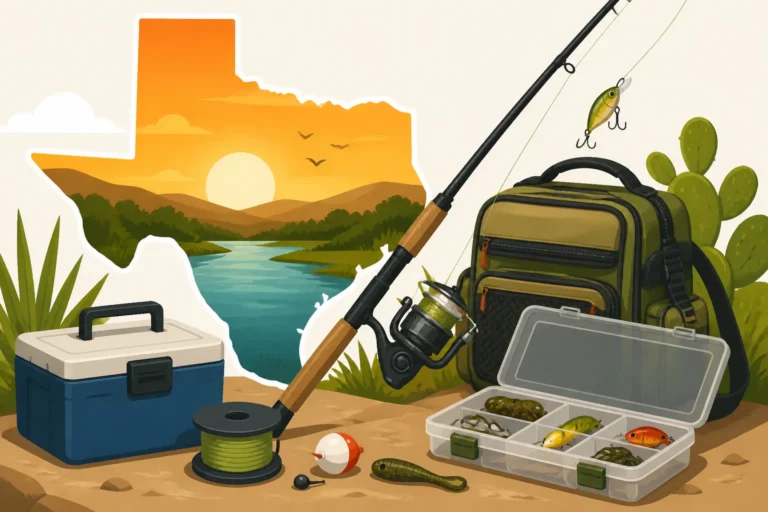
A disorganized tackle box is a nightmare on the water. Imagine the frustration of a hot bite when you can't find that one specific lure! Invest in good tackle storage solutions like tackle trays (plano-style boxes are great) that allow you to separate lures by type, size, or color. Keep your freshwater and saltwater lures separate to prevent rust contamination, especially for hooks. Always rinse saltwater lures with fresh water after each trip to prevent corrosion.
Regular maintenance is also key. Check your hooks for sharpness and rust, replacing dull or corroded ones. Inspect soft plastics for tears and replace them when they're no longer effective. Store soft plastics in their original bags or in plastic storage that won't react with the plastic (some soft plastics can melt together if stored incorrectly). A well-organized and maintained tackle box means less frustration and more time fishing effectively.
Budget-Friendly Options and Brand Considerations
You absolutely do not need to break the bank to have a highly effective tackle box. While premium brands often offer excellent quality and innovative designs, there are many fantastic budget-friendly options that catch just as many fish. Many generic brand soft plastics are incredibly effective, and you can often find great deals on staple lures like crankbaits and jigs from a variety of manufacturers.
When you're starting out or looking to restock, places like Bass Pro Shops offer a huge selection, allowing you to compare different brands and price points in person. Online retailers like Amazon also provide an enormous range of options, often with competitive pricing and the convenience of home delivery. Don't be afraid to try different brands and lures; sometimes, a less expensive option might become your new favorite. The key is to find what works for you and the fish you're targeting, rather than focusing solely on the price tag or brand name. Having a diverse selection across price points means you can experiment without fear of losing an expensive lure. Consider checking our guide Best Tackle for Texas Bass Fishing for more specific gear recommendations.
Disclaimer
This article is for general informational purposes only and does not constitute professional advice. Laws, prices and regulations vary by location and change over time. Consult a qualified professional for guidance on your specific situation.