Best budget rod and reel combo for beginners
Stepping into the world of Texas fishing can feel like wading into a giant tackle box – a million options, a confusing array of prices, and the fear of picking the wrong gear right out of the gate. For beginners, the sheer volume of rods and reels available can be downright overwhelming, especially when you're trying to keep costs down without sacrificing functionality. This guide is here to cut through the noise, helping you understand what truly matters when selecting the best budget-friendly rod and reel combo to get you started on the water without breaking the bank.
Understanding the Beginner's Dilemma: What Makes a Good Budget Combo?
When you’re just starting your fishing journey in Texas, whether it’s aiming for a feisty largemouth bass in a local pond or trying your hand at catfish in a larger reservoir, the last thing you want to do is invest a fortune in gear you might not fully understand yet. The real challenge for new anglers isn't just finding something cheap; it's finding something affordable that's also forgiving, durable, and versatile enough to handle common Texas species. Many folks get frustrated because they see pros with dozens of specialized setups, leading them to believe they need to spend hundreds of dollars just to get a bite. That's simply not true!
A "budget" combo doesn't mean "junk." It means getting the most bang for your buck, focusing on essential performance characteristics rather than advanced features you won't appreciate until you've logged a lot more hours on the water. We're talking about a setup that casts smoothly, has a reliable drag system, and can withstand a few accidental bumps and scrapes, because let's be honest, every beginner has those moments. The goal here is to get you comfortable, build your confidence, and most importantly, get you catching fish so you fall in love with the sport, not dread your tackle investment. You don't need the fanciest graphite rod or a reel with 12 bearings; you need a workhorse that lets you learn the ropes without added frustration.
The Pitfalls of Going Too Cheap
While we're talking budget, it's important to understand there's a line. Going too cheap often leads to more headaches than it's worth. Imagine buying a rod where the guides fall out after a couple of trips, or a reel whose drag sticks and causes you to snap your line on a decent fish. These experiences can quickly sour an otherwise enjoyable outing and make you question why you even bothered.
The truly bargain-basement combos, often found in discount aisles for under a certain low dollar amount, can be tempting. However, they typically feature flimsy construction, poor quality components, and a general lack of durability. The reels might have excessive wobble, the retrieve can be jerky, and the rods might feel like broomsticks with little sensitivity. These issues make it harder to cast accurately, feel subtle bites, and fight fish effectively. It's an investment in frustration. Instead, look for reputable brands even in their entry-level offerings; they often provide a much better baseline quality. This often means spending a little more than the absolute rock-bottom price, but the improved experience is invaluable. You want something that provides a solid foundation, not something that feels like it's fighting you at every turn.
Spinning Combos: The Go-To for Texas Newcomers
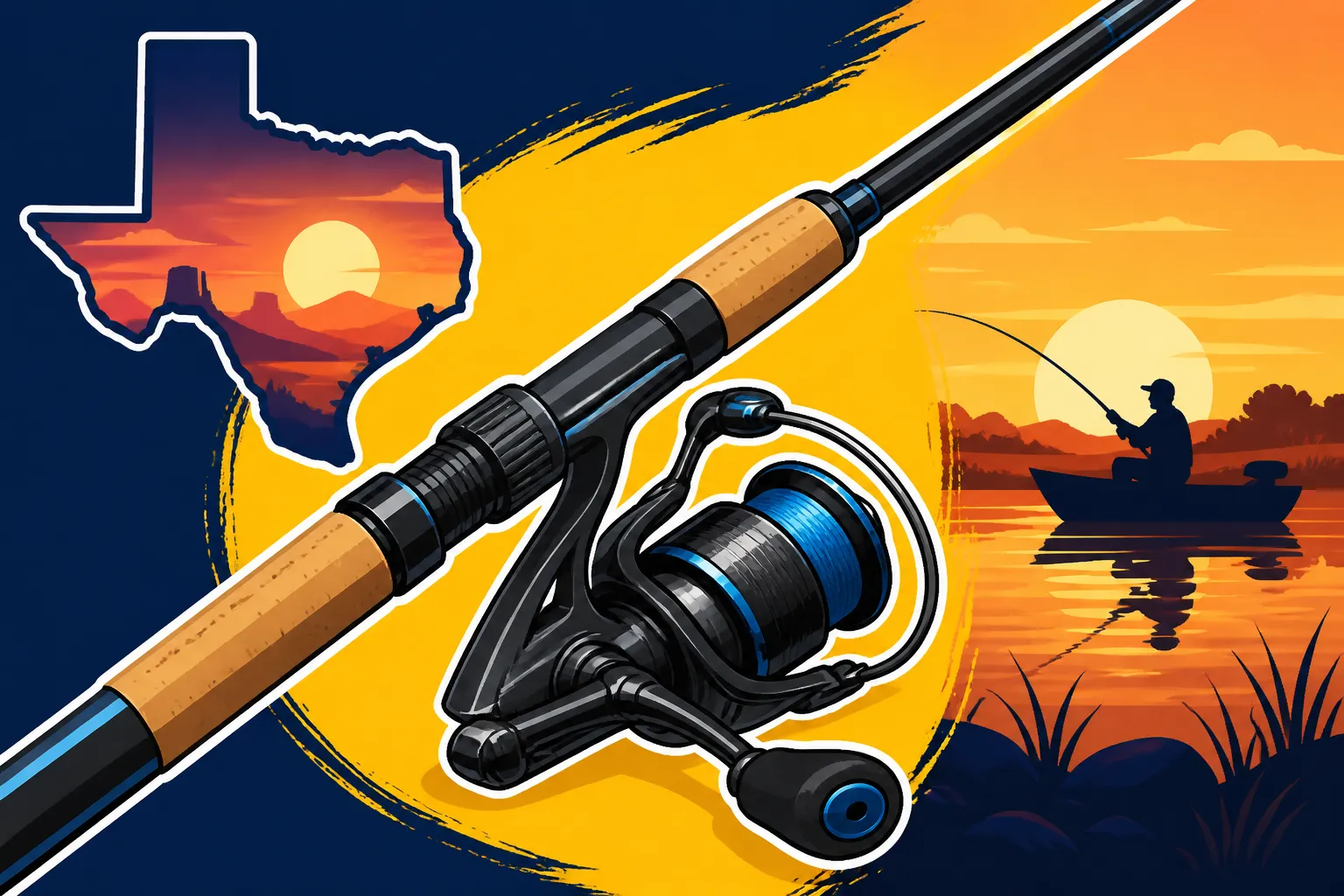
When it comes to beginner-friendly setups, the spinning rod and reel combo is hands-down the champion for Texas anglers. If you've ever watched someone effortlessly cast a lure across a pond or lake, chances are they were using a spinning setup. This is why it's recommended so widely in guides like Beginner Fishing Techniques for Texas Anglers. Their ease of use, versatility, and general forgiveness make them perfect for learning the fundamentals of casting, retrieving, and fighting fish.
Unlike baitcasting setups, which can be notoriously tricky for beginners due to their tendency to backlash (creating a tangled mess of line often called a "bird's nest"), spinning reels are much simpler. The line comes off the spool freely, with minimal friction, making them excellent for casting lighter lures and baits. This is a huge advantage when you're just getting started and might not have a heavy lure to provide momentum. Plus, the reel hangs under the rod, which many beginners find more comfortable and intuitive to hold.
Why Spinning Reels Shine for Beginners
The beauty of a spinning combo lies in its simplicity. To cast, you simply open the bail, hold the line with your finger, sweep the rod back, and then forward, releasing the line at the right moment. It takes practice, yes, but it’s a much more natural motion to master than the thumb control required for baitcasters. This allows you to focus on the basics of fishing – feeling bites, setting the hook, and understanding how to play a fish – rather than battling your equipment.
Spinning combos are also incredibly versatile. You can effectively use them for everything from throwing small plastic worms for Texas Largemouth Bass Fishing Guide to soaking a piece of cut bait for Texas Catfish Species Guide or even jigging for crappie. The range of lure weights and bait sizes you can handle with a single spinning setup is impressive, which means you don't need a different rod and reel for every fish you target right away. This versatility is key for a budget-conscious beginner exploring different types of fishing. Many of the most popular fish in Texas, like sunfish, smaller bass, and channel catfish, are perfectly suited to a light to medium spinning combo.
Setting Up Your First Spinning Combo
Once you've got your hands on a spinning combo, the next step is getting it ready for action. Most combos come pre-spooled with line, which is a fantastic convenience for beginners. However, if yours isn't, you'll want to choose a monofilament line in the 6-10 pound test range. Monofilament is stretchy and forgiving, which is great for absorbing mistakes when fighting a fish, and it’s generally less expensive than fluorocarbon or braided lines. You can learn more about this in our guide on Best line for Texas bass fishing.
When attaching your lure or hook, start with simple knots like the improved clinch knot or the Palomar knot. There are plenty of online resources and even helpful staff at places like Bass Pro Shops or local tackle shops who can show you how. Remember, the goal is to make fishing enjoyable, so don't get too hung up on perfection right away. Just get out there, cast, and see what happens! Many beginners find joy in simply getting a line in the water, and a reliable, easy-to-use spinning combo helps facilitate that experience. For a comprehensive list of what to pack, check out our Beginner Fishing Gear Checklist for Texas.
Choosing Your Combo: Key Features to Prioritize
When you're looking at different budget spinning combos, it's easy to get lost in jargon. But don't worry, there are just a few key features that truly make a difference for a beginner. Focusing on these will help you pick a combo that performs well without unnecessary bells and whistles.
Rod Length, Power, and Action Explained
The rod is your direct connection to the fish, transmitting every twitch and pull. Understanding its characteristics is crucial.
- Rod Length: For a versatile beginner setup, aim for a rod between 6 feet and 7 feet 6 inches.
- Shorter rods (6 to 6.5 feet) are easier to handle for younger anglers or in tight casting situations (like under tree branches). They also tend to be a bit more accurate for shorter casts.
- Longer rods (7 to 7.5 feet) offer greater casting distance, better line control, and improved leverage when fighting bigger fish. A 7-foot rod is often considered a great all-around length for many Texas freshwater applications. You can delve deeper into this in Best rod length for Texas bass fishing.
- Rod Power: This refers to how much force it takes to bend the rod. For a beginner, a medium-light or medium power rod is the sweet spot.
- Medium-Light is fantastic for lighter lures, smaller fish like crappie or panfish, and offers excellent sensitivity. It's often recommended for Best Rods for Texas Crappie Fishing.
- Medium Power is the most versatile, capable of handling a wider range of lure weights and fish sizes, from average bass to decent-sized catfish. This is an excellent choice if you're not sure what you'll be targeting most often.
- Rod Action: This describes where the rod bends.
- Moderate (or Medium) Action rods bend further down the blank, providing a more parabolic curve. This action is very forgiving for beginners, as it helps absorb shock during a fish's run, reducing the chance of pulling the hook. It also makes casting easier, loading the rod more efficiently for a smooth release.
- Fast Action rods bend mostly in the tip. While great for sensitivity and quick hook sets, they can be less forgiving for beginners and are often better suited for experienced anglers.
| Feature | Beginner Recommendation (Freshwater) | Why It Matters for You |
|---|---|---|
| Rod Length | 6'6" – 7'0" | Good balance of casting distance and maneuverability. |
| Rod Power | Medium-Light to Medium | Versatile for various fish sizes and lure weights. |
| Rod Action | Moderate to Fast | Moderate for forgiveness, Fast for sensitivity and hook set. |
| Reel Size | 2500 – 3000 (or 25-30) | Sufficient line capacity and balanced feel. |
| Gear Ratio | 5.0:1 – 6.2:1 | Good all-around retrieve speed for most techniques. |
| Drag System | Smooth & Adjustable | Essential for preventing line breaks and fighting fish. |
Reel Size, Gear Ratio, and Drag System
The reel is where your line is stored and retrieved, and a good one makes a world of difference in your casting and fighting experience.
- Reel Size: Spinning reels are typically numbered (e.g., 1000, 2500, 4000). For a general-purpose freshwater combo in Texas, a 2500 or 3000 series reel is ideal. Some brands use a 25 or 30 designation.
- These sizes offer a good balance of line capacity, retrieve speed, and weight, pairing well with medium-light to medium power rods. You'll find they hold enough line for most situations and feel balanced in your hand, preventing fatigue during a long day of casting. This size is also suitable for the entry-level reels discussed in Best Spinning Reels for Texas Bass Fishing.
- Gear Ratio: This indicates how many times the spool rotates for every one turn of the handle. A ratio of around 5.0:1 to 6.2:1 is excellent for beginners.
- A mid-range gear ratio allows for a versatile retrieve speed, suitable for various lures and baits, whether you're slowly working a worm or retrieving a spinnerbait a bit faster. Higher ratios are for quick retrieves, and lower ones for power, but a middle-ground ratio avoids overspecialization.
- Drag System: The drag is arguably the most critical feature on any fishing reel, especially for beginners. It allows line to peel off the spool when a fish pulls hard, preventing your line from breaking and your rod from snapping.
- Look for a reel with a smooth and easily adjustable drag. Test it by pulling line directly from the spool; it should come off consistently without jerking or sticking. This is your insurance policy against losing that big fish you finally hooked! A reliable drag system found in quality brands like Shimano or Daiwa (even their entry-level models) can make or break your first big catch experience.
When you're comparing budget combos, pay attention to the feel of the reel's handle, the smoothness of the retrieve (minimal play or wobble), and the ease of adjusting the drag. Many excellent beginner combos are available from trusted brands like Pflueger, Daiwa, and Shimano, often bundled together at retailers like Bass Pro Shops or found on Amazon.
Beyond the Combo: Essential Accessories for Your First Trip
While the rod and reel combo is the star of the show, having a few basic accessories can significantly improve your first few fishing trips and ensure you're prepared for whatever Texas waters throw at you. You might find a more extensive list in What gear do you need to start fishing in Texas, but here are the absolute must-haves for a beginner on a budget.
Line and Terminal Tackle
You've got a reel, but it needs good line! As mentioned, monofilament is ideal for beginners due to its stretch and affordability. A spool of 8-pound test monofilament will get you started for most freshwater fishing. When it comes to terminal tackle – the hooks, weights, and swivels that connect your line to your bait or lure – simplicity is key.
- Hooks: A variety pack of Aberdeen or J-hooks in sizes #6, #4, and #2 will cover most small to medium fish. If you plan on targeting catfish, some larger circle hooks (size 1/0 or 2/0) are a good addition.
- Weights: Split shot weights (various sizes) and a few small bullet or egg sinkers (1/4 oz to 1/2 oz) will allow you to get your bait to the desired depth.
- Swivels: Small barrel swivels (size 10-12) help prevent line twist, especially when using spinning lures.
- Bobbers/Floats: Essential for visual bite detection, especially for panfish or catfish. A few clip-on bobbers are cheap and easy to use.
You can often find pre-packaged assortments of hooks, weights, and swivels at places like Bass Pro Shops or through value packs on Amazon, which are perfect for filling a small tackle box without overspending. For specific bait and lure ideas, check out Best Bait and Lures for Texas Fishing.
Pliers, Clippers, and a Small Tackle Box
These might seem minor, but they are crucial for a hassle-free experience.
- Fishing Pliers: A good pair of multi-tool fishing pliers with a line cutter is invaluable. They help remove hooks safely (from fish and sometimes from yourself!), cut heavy line, and crimp split shot. Look for a pair with a comfortable grip and corrosion resistance.
- Line Clippers: While many pliers have cutters, a dedicated pair of nail clippers or small fishing clippers offers a clean cut for fine lines.
- Small Tackle Box or Bag: You don't need a giant, multi-tray behemoth. A small, single-tray tackle box or a simple soft-sided fishing bag with a few plastic utility boxes (like those made by Plano) is perfect for organizing your essential hooks, weights, and a few lures. This keeps your gear tidy and prevents frustrating tangles.
Think about how you'll carry your gear. If you're planning on bank fishing at a local lake or hitting up some Best Fishing Spots for Beginners, a compact tackle bag that's easy to sling over your shoulder will be much more practical than a bulky box. The goal is to be prepared, but not overladen. Remember, the simpler you start, the easier it is to learn and enjoy the process. Good luck and tight lines out there on the Texas waters!
Disclaimer
This article is for general informational purposes only and does not constitute professional advice. Laws, prices and regulations vary by location and change over time. Consult a qualified professional for guidance on your specific situation.