Texas flounder minimum length limit
Trying to figure out the exact minimum length for flounder in Texas can feel like navigating a maze, especially with all the seasonal changes and specific rules that apply. It's frustrating to head out to the coast, ready for a great day of fishing, only to worry if your catch is legal, or worse, accidentally run afoul of the regulations. This guide is here to untangle all those rules, giving you a clear, comprehensive breakdown of the Texas flounder minimum length limit, why it matters, and how to stay on the right side of the law.
Understanding the Texas Flounder Minimum Length Limit
Fishing for flounder along the Texas coast is a time-honored tradition, but to keep this fishery healthy, the Texas Parks and Wildlife Department (TPWD) has put specific regulations in place. The minimum length limit for flounder isn't just an arbitrary number; it's a critical conservation tool designed to ensure these fascinating flatfish have the chance to grow and reproduce before they're harvested. It’s all about protecting future generations of flounder, so we can all continue to enjoy chasing them for years to come.
The standard statewide minimum length limit for flounder is 15 inches. This applies to most of the year and most fishing methods. However, it’s absolutely vital to remember that flounder regulations are among the most dynamic in Texas, often changing to reflect the health of the stock, especially concerning their spawning patterns. Anglers often face a two-fish daily bag limit for southern flounder from December 15 through November 14 of the following year, which drops to zero from November 15 through December 14. This annual closure period during November and early December is specifically designed to protect flounder during their crucial fall offshore migration and spawning season. This is when they gather in large numbers, making them particularly vulnerable, so protecting them during this time is paramount for their long-term survival.
It’s easy to feel overwhelmed by the specifics, but knowing the "why" behind these rules helps make sense of them. These regulations are meticulously crafted based on scientific data, ensuring that enough flounder survive to spawn, keeping the population robust. Disregarding these limits, even accidentally, can lead to stiff penalties, not to mention impacting the very fishery we all love.
Why Flounder Length Limits Are Crucial for Conservation
The 15-inch minimum length limit for southern flounder in Texas isn't just a hurdle for anglers; it's a cornerstone of the state's conservation efforts. Think about it: every fish has a life cycle, and for many species, a certain size often correlates with reproductive maturity. By setting a minimum length, TPWD aims to ensure that most flounder have at least one, if not several, opportunities to spawn before they're caught. This strategy is particularly important for flounder, which undertake a significant migration to offshore waters to spawn during the late fall and early winter.
Without these limits, there'd be nothing to stop anglers from keeping smaller, younger fish that haven't yet had the chance to contribute to the population. Over time, this could drastically reduce the number of spawning adults, leading to fewer eggs, fewer juvenile flounder, and ultimately, a decline in the overall fishery. It's a delicate balance, and the length limit plays a huge role in maintaining it. This is similar to the broader Texas Fish Bag and Length Limits that apply to many other species, all designed for sustainable harvesting.
Furthermore, fishing pressure can vary wildly. Some years see incredible numbers of anglers hitting the bays and passes, especially during the anticipated "flounder run." Without a consistent minimum length, combined with the Texas Flounder Season and Limits that include the crucial November closure for gigging and reduced bag limits for rod-and-reel anglers, the species could quickly become overfished. These regulations are dynamic, sometimes shifting based on stock assessments, showing just how important they are for the health of the fishery. It's a testament to adaptive management, ensuring our coastal ecosystems remain vibrant for everyone to enjoy.
How to Accurately Measure Your Flounder
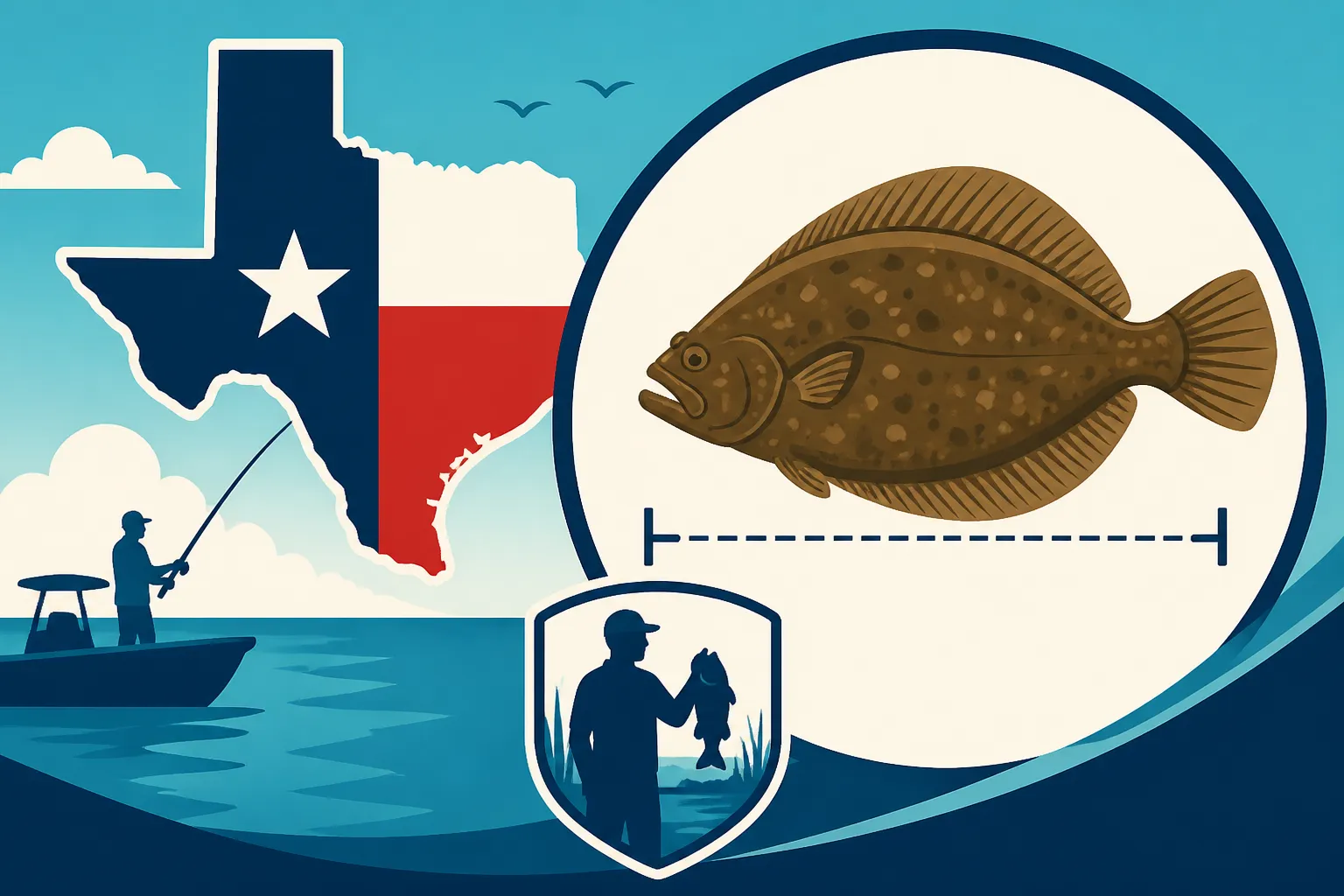
Okay, so you've hooked a beautiful southern flounder, and now comes the moment of truth: is it legal? Accurately measuring your catch is non-negotiable, and doing it correctly prevents any accidental violations. The rule is simple: measure from the tip of the snout to the furthest tip of the tail. For flounder, this means gently pinching the tail to get the maximum length. It's not just about guessing; it's about precision.
You'll want a reliable measuring device on your boat or in your tackle box. Many anglers prefer a bump board or a flexible tape measure with a hard stop at one end. This allows you to place the fish's snout firmly against the stop and read the length easily without the fish wiggling too much. You can find excellent, durable measuring tapes and bump boards on Amazon that are perfect for saltwater conditions. Make sure your measuring device is clearly marked and easy to read, especially in low light conditions if you're out for an evening gigging trip (though remember gigging for flounder has specific seasonal restrictions, particularly during November).
Step-by-Step Measuring Guide:
- Lay the Fish Flat: Gently place your flounder on a flat surface, such as a measuring board or cooler lid. Ensure the fish is not curved or twisted, which can give an inaccurate reading.
- Position the Snout: Place the tip of the fish's snout firmly against the fixed end of your measuring device (the "bump").
- Pinch the Tail: Extend the tail fin fully, gently pinching the two lobes together if they are forked. This ensures you're measuring to the absolute furthest point of the tail.
- Read the Measurement: Look straight down at the mark on your measuring device that aligns with the pinched tail. That's your official length. If it's 15 inches or more (and within the legal bag limit for the season), congratulations! If it's under, release it gently and quickly.
| Season/Method | Minimum Length | Daily Bag Limit | Notable Restrictions |
|---|---|---|---|
| Dec 15 – Nov 14 (Rod & Reel) | 15 inches | 2 fish | Standard season for rod and reel anglers. |
| Nov 15 – Dec 14 (Rod & Reel) | 15 inches | 0 fish | No recreational harvest during this period. |
| Dec 15 – Nov 14 (Gigging) | 15 inches | 2 fish | No gigging during the November closure. |
| Nov 15 – Dec 14 (Gigging) | 15 inches | 0 fish | Gigging closed for recreational harvest during this period. |
Note: Always consult the official TPWD outdoor annual for the most current regulations, as they can change.
Proper handling is just as important as proper measuring. If a fish is undersized, you need to release it quickly and with as little stress as possible to maximize its chances of survival. Wet your hands before handling the fish to protect its slime coat, and try to keep it out of the water for the shortest time possible. This respectful approach not only follows the spirit of conservation but also ensures a healthier fishery for all. If you're planning a trip, make sure you know Texas Saltwater Fishing Regulations inside and out.
Penalties for Violating Flounder Length Limits in Texas
Nobody wants to get a ticket, especially when you're out trying to relax and enjoy the incredible fishing Texas has to offer. But the reality is, violating fishing regulations, including those for flounder length limits, carries real consequences. Ignorance of the law is generally not considered an excuse, so understanding the potential penalties is just as important as knowing the rules themselves. Game wardens are out there enforcing these rules to protect our natural resources, and they take their job seriously.
If you're caught with an undersized flounder, or an over-the-limit catch, you could be facing a Class C misdemeanor. This might sound minor, but it can come with a hefty fine, typically ranging from $25 to $500, not including court costs. And believe me, those court costs can add up quickly. It's not just a slap on the wrist; it's a significant financial hit that could put a serious damper on your fishing budget for the rest of the year. In some cases, especially for repeat offenders or egregious violations, fines can climb even higher, and penalties might even include jail time, though that’s usually reserved for more serious infractions.
Beyond the monetary penalties, a violation can also lead to the confiscation of your catch, fishing gear, and even your boat in severe or repeated cases. Imagine losing your favorite rod and reel or having your day's catch seized after all that effort. It's a tough lesson to learn, and one that's easily avoided by simply following the rules. Furthermore, a conviction for a fishing violation can result in the automatic suspension or revocation of your fishing license. If your license is suspended, you're out of luck until you pay reinstatement fees and meet any other requirements. This is why it’s critical to understand things like Texas Fishing License Requirements Explained and always carry your valid license when fishing.
It's not uncommon for folks to inadvertently violate rules because they didn't check the current regulations, especially when it comes to species like flounder where rules can change seasonally. Always double-check the latest Texas Saltwater Endorsement Explained and the TPWD Outdoor Annual before you head out, or use the convenient Outdoor Annual app on your phone. This proactive approach ensures you're always informed and can avoid any unnecessary headaches. After all, fishing is about enjoyment, not legal troubles.
Special Considerations for Flounder Anglers
Fishing for flounder in Texas comes with its own set of nuances, beyond just the minimum length limit. These flatfish are unique, and so are some of the rules and common practices surrounding their pursuit. Whether you're a seasoned veteran or just starting to learn Beginner Fishing Techniques for Texas Anglers, understanding these special considerations will make your flounder fishing experience more successful and compliant.
Gigging Versus Rod-and-Reel
One of the most popular and traditional methods for catching flounder, especially in the shallow bay systems, is gigging. This involves using a long pole with a multi-pronged spear to harvest flounder at night, typically by wading or from a shallow-draft boat, often with the aid of powerful lights to spot the fish on the bottom. While exhilarating, gigging has stricter regulations. The annual November closure, for instance, specifically prohibits recreational gigging for southern flounder. This is a critical period for flounder spawning migration, and the method of gigging makes them exceptionally vulnerable. During the open season, the minimum length limit for gigged flounder remains 15 inches, just like for rod-and-reel anglers, but the daily bag limit is also 2 fish per person. If you're into gigging, make sure you know How to Gig Flounder Legally in Texas to avoid any issues.
Rod-and-reel fishing for flounder, often done with live bait like mud minnows or finger mullet, or artificial lures that mimic baitfish, offers a different experience. While not subject to the same blanket closure as gigging during November, rod-and-reel anglers typically face a drastically reduced bag limit of zero flounder during that period. This aligns with the overall conservation effort to protect the species during its most vulnerable spawning migration.
Handling and Releasing Undersized Flounder
Catching an undersized flounder is a common occurrence, and knowing how to handle and release it properly is crucial for its survival. Flounder are somewhat delicate, and rough handling can cause irreversible damage. When you reel in a small flounder, try to unhook it while it's still in the water if possible. If you must bring it aboard, wet your hands thoroughly before touching the fish. Avoid squeezing its body or putting your fingers in its gills.
Use needle-nose pliers or a de-hooking tool to quickly remove the hook. If the fish is "gut-hooked" (swallowed the hook deep), it’s often best to cut the line as close to the hook as possible rather than trying to remove it, as this can cause more internal damage. Once unhooked, gently place the fish back into the water, allowing it to swim away on its own. Don't throw it back from a height or toss it vigorously, as this can stun or injure it. The goal is to minimize stress and maximize its chances of recovery, ensuring it can grow to legal size and contribute to future spawns. Keeping a reliable pair of pliers from a brand like Amazon in your tackle box is a great idea.
Seasonal Migration and Flounder Run
The southern flounder's life cycle is heavily influenced by seasonal migrations. In the fall, typically from October through December, mature flounder begin their journey from the shallow bay systems to the deeper, offshore waters of the Gulf of Mexico to spawn. This period is famously known as the "flounder run," where large numbers of fish can be found congregating in passes, jetties, and nearshore areas. This is often considered one of the best times to target flounder, but it's also when regulations become most restrictive to protect the spawning population.
Conversely, in the spring, juvenile flounder return to the bays to feed and grow. Understanding these patterns can greatly influence your fishing strategy. For example, during the spring and summer, you might find flounder spread out across the bay flats, while in the fall, they'll be concentrated in migration routes. Knowing How to Fish the Texas Flounder Run effectively means not just knowing where to find them, but also strictly adhering to the length and bag limits during this critical time.
Gear for Success and Compliance
Having the right gear isn't just about catching fish; it's about doing it responsibly. Beyond your rod, reel, and Best Lures for a Texas Tackle Box, a good measuring device is paramount. Look for one that's easy to read, durable, and floats, just in case. A quality pair of polarized sunglasses will help you spot flounder on the bottom, especially when wade fishing in clear shallows. And, of course, a reliable cooler to keep your legal catches fresh on ice is essential, particularly if you're out all day in the Texas heat. Many anglers find durable, insulated coolers from brands like Yeti or Igloo, often available on Amazon, indispensable for preserving their catch.
By being mindful of these special considerations, you're not just a better angler; you're a responsible steward of Texas's incredible flounder fishery.
Disclaimer
The information provided in this guide is for general informational purposes only and does not constitute legal advice. Fishing regulations in Texas can change. Always consult the most current official Texas Parks and Wildlife Department Outdoor Annual or their official website before any fishing trip to ensure compliance with all applicable laws and regulations.