Is the Guadalupe River stocked with trout?
For many Texas anglers, the idea of catching trout conjures images of distant, colder states. It's a common frustration to want that cold-water challenge right here in our backyard, and the Guadalupe River is often the first, and sometimes only, name that comes to mind. But the big question looms: is it actually stocked with trout, or is that just a hopeful rumor? This comprehensive guide will dive deep into the Texas Parks and Wildlife Department's efforts to bring trout fishing to the Lone Star State, specifically focusing on the remarkable Guadalupe River, so you know exactly what to expect.
The Truth About Trout Stocking in the Guadalupe River
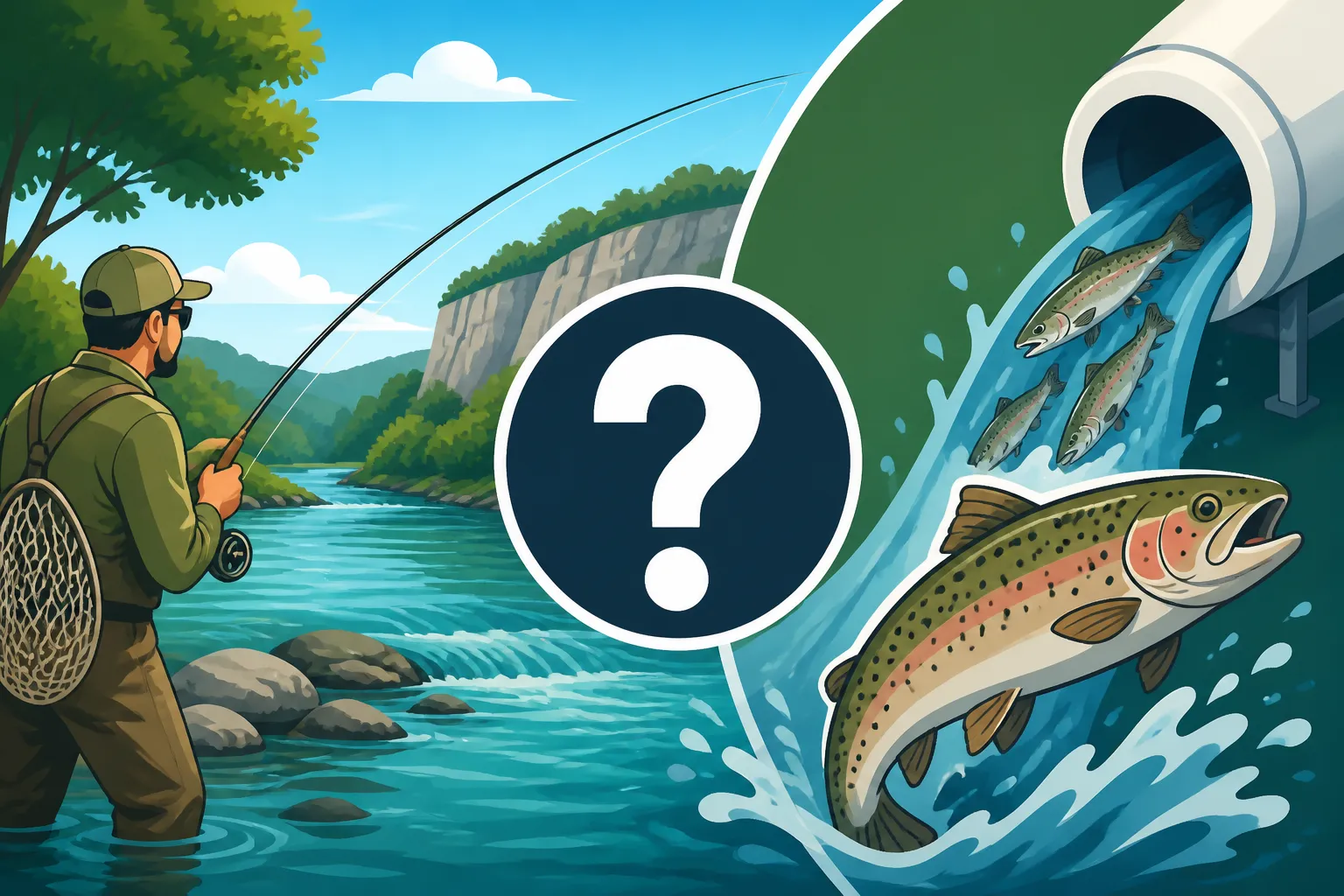
Let's get straight to it: Yes, absolutely! The Guadalupe River, particularly the section below Canyon Lake Dam, is indeed stocked with trout, and it's a huge undertaking by the Texas Parks and Wildlife Department (TPWD) to make that happen. This isn't just a sporadic event; it's a dedicated program that has transformed this particular stretch of river into a premier, cold-water fishery in a state otherwise known for its warm-water species like bass and catfish. It's a unique anomaly that offers a different kind of angling experience for Texans.
The Texas Parks and Wildlife Department Program
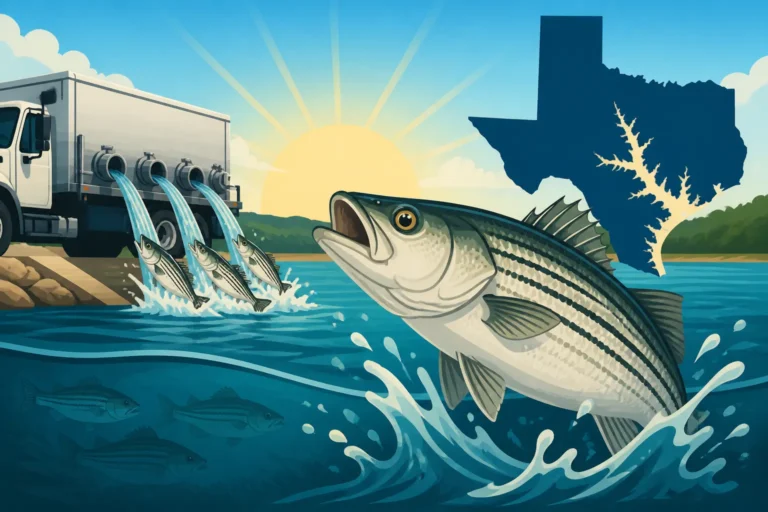
The TPWD runs an impressive winter trout stocking program across Texas, but the Guadalupe River is the crown jewel. Every year, from roughly November through March, hundreds of thousands of rainbow trout are released into various public waters, and the Guadalupe receives the lion's share due to its unique environmental conditions. The goal is to provide a "put-and-take" fishery, meaning anglers can catch these feisty fish during the cooler months. It's a fantastic opportunity for families and seasoned anglers alike to experience trout fishing without having to travel hundreds or thousands of miles north. These stockings are usually well-publicized by TPWD, allowing anglers to plan their trips around the freshest batches of fish.
The stocking efforts are meticulous, with TPWD personnel carefully transporting and releasing thousands of trout, typically ranging from 8-12 inches, into designated areas. These areas are chosen for public accessibility and suitable habitat. You'll often find popular stocking points near public access parks and bridges, making it easier for bank anglers or those with kayaks and canoes to get to the action. It's truly a testament to the department's dedication to diversifying fishing opportunities in Texas, even if it means importing a bit of winter wonderland each year.
Why Trout Thrive in the Guadalupe Tailrace
You might be thinking, "Texas heat? Trout?" And you'd be right to be skeptical if we were talking about most other Texas rivers. What makes the Guadalupe River below Canyon Lake Dam so special, so perfect for trout, is its unique hydrological setup: it's a tailrace fishery. Canyon Lake is a deep reservoir, and the water released from its dam into the Guadalupe River comes from the bottom of the lake. This deep-water release is consistently cold, typically staying below 70 degrees Fahrenheit, even during the scorching Texas summers. This is crucial because trout, especially rainbow trout, require cold, oxygen-rich water to survive and thrive.
The cold water creates an artificial environment perfectly suited for trout. Most other rivers in Texas would simply get too warm for trout to survive past spring, leading to fish die-offs. However, the consistent cold flow from Canyon Lake provides a year-round thermal refuge. This unique condition allows not only for the seasonal "put-and-take" fishery but also creates the rare opportunity for some of these stocked trout to become "holdovers," surviving multiple seasons and growing to impressive sizes. It’s a natural marvel, or perhaps an engineering marvel, that provides such a vibrant cold-water ecosystem right here in the heart of Texas.
What Kind of Trout Are Stocked and When to Find Them
When you head to the Guadalupe, you'll primarily be targeting one specific species that has become synonymous with the river's cold-water fishery. Understanding this species and its seasonal availability is key to a successful trip. The TPWD strategically plans its stocking schedule to maximize angler enjoyment and fish survival within the river's unique thermal window.
Rainbow Trout: The Primary Target
The vast majority of trout stocked in the Guadalupe River, and indeed across Texas, are rainbow trout. These beautiful, hard-fighting fish are a favorite among anglers for their vibrant colors and willingness to bite. They are relatively easy to catch, especially for beginners, making the Guadalupe River a fantastic spot for introducing new anglers to the sport. The stocked rainbows typically range from 8 to 12 inches, providing plenty of action and a good meal if you choose to keep them within the legal limits.
TPWD aims to stock these fish when the river's conditions are most favorable, meaning cooler temperatures ensure better survival rates immediately after release. While some larger "trophy" rainbow trout are occasionally mixed in, the bulk of the stockings are smaller, feistier fish designed to provide consistent angling opportunities throughout the cooler months. If you're wondering When does Texas stock rainbow trout?, you'll typically find the heaviest stocking efforts concentrated from late November through March, with occasional releases into early April if water temperatures remain favorable. This window is when the river truly comes alive with trout.
Seasonal Availability and Best Fishing Times
The best time to fish for trout in the Guadalupe River is undeniably during the cooler months, from late fall through early spring. This period aligns perfectly with the TPWD's stocking schedule. Once water temperatures start to consistently rise in late spring and early summer, the fishing for freshly stocked trout slows down considerably, as many of these fish are caught or succumb to warmer conditions in sections of the river that don't maintain sufficiently cold water.
However, the Guadalupe's unique tailrace environment means that some rainbow trout can survive the summer months and become what anglers call "holdovers." These fish are more challenging to catch as they become wilder and more acclimated to the river's conditions. For the most consistent action and the highest numbers of fish, plan your trip between December and March. Checking the Texas Fishing Seasons Month by Month guide can help you dial in your timing. During these peak months, mornings and late afternoons are often the most productive, though active fish can be caught throughout the day, especially on overcast days or during a light drizzle. You can often find real-time updates and stocking schedules on the TPWD website or through local tackle shops, helping you hit the water when the fish are fresh and active.
Regulations and Best Practices for Guadalupe River Trout Fishing
Fishing the Guadalupe River for trout isn't just about showing up with a rod and reel. There are specific rules and practices in place to protect this unique fishery and ensure everyone has a great experience. Ignoring these can lead to fines and harm the very resource we all enjoy. Understanding the regulations is crucial for responsible angling, and selecting the right gear can significantly improve your chances of success.
Understanding Special Trout Regulations
The Texas Parks and Wildlife Department has implemented special regulations specifically for the Guadalupe River, particularly for the stretch below Canyon Lake Dam. These regulations are designed to manage the trout population, encourage catch-and-release, and promote the growth of larger, holdover trout. It's not like your typical Texas Freshwater Fishing Regulations for bass or catfish; you need to pay close attention. For instance, specific sections of the river might have "artificial lures only" rules or slot limits that differ from the general state regulations. Always consult the current Texas Outdoor Annual, available online or at license vendors, before you head out.
A critical point for any angler is knowing Do you need a license to fish for trout in stocked Texas lakes?. The answer is a resounding yes! Anyone 17 years of age or older needs a valid Texas fishing license with a freshwater fishing endorsement to fish for trout in the Guadalupe. You can learn How to Get a Texas Fishing License online or at many sporting goods stores. Local outfitters along the Guadalupe River, like those near Gruene or Sattler, are excellent resources for the latest information on local rules and current conditions. Sometimes, using a guide found through services like FishingBooker can ensure you're compliant with all regulations and fishing in the most productive areas.
Here's a simplified overview of common regulations, but always verify with the current TPWD Outdoor Annual:
| Regulation Aspect | General Texas Freshwater | Guadalupe River Special Trout Zone (approx. Canyon Dam to New Braunfels City Limits) |
|---|---|---|
| Fishing License | Required (17+) | Required (17+) with Freshwater Endorsement |
| Daily Bag Limit | Varies by species | 5 trout (generally), but specific zones may have 1 or 0 bag limit |
| Minimum Length | Varies by species | 10 inches (generally), but specific zones may have no minimum or different limits |
| Gear Restrictions | None | Some zones are "artificial lures only" or "fly fishing only" |
| Catch & Release | Encouraged | Highly encouraged in special zones to protect larger fish |
Note: This table is for illustrative purposes only. Always check the current Texas Parks and Wildlife Department Outdoor Annual for the most up-to-date and specific regulations for the stretch of river you plan to fish.
Essential Gear and Techniques for Success
Trout fishing in the Guadalupe River can be approached with various techniques, from traditional spin fishing to dedicated fly fishing. Your choice of gear will largely depend on your preferred method and experience level. For spin fishermen, a light to ultralight spinning rod (5-6.5 feet) paired with a small spinning reel spooled with 4-6 pound test line is ideal. Small inline spinners (like Panther Martins or Rooster Tails), small spoons, or even live bait such as corn, salmon eggs, or PowerBait (where legal) are very effective. Many anglers swear by a small split shot or two above a small hook, allowing the bait to drift naturally with the current.
Fly fishing, however, is immensely popular on the Guadalupe, especially given the special regulations that often favor or even mandate it in certain areas. For this, a 4- to 6-weight fly rod with a floating line is a versatile setup. When considering Best Flies for Guadalupe River trout, common patterns include various nymphs (like Pheasant Tail, Hare's Ear, Prince Nymph), San Juan Worms, Woolly Buggers, and small midge patterns. Knowing Fly Fishing Techniques for Texas Rivers will definitely give you an edge. Whether you're a seasoned fly angler or looking to try something new, the Guadalupe offers a fantastic opportunity. Many local shops specialize in fly fishing gear and can offer on-the-spot advice based on current conditions. For those newer to fly fishing or wanting to learn the specific nuances of the Guadalupe, booking a guided trip is highly recommended. You can often find experienced local guides through resources like FishingBooker, who can provide all the necessary gear and expertise.
Beyond the Stocked Sections: Year-Round Trout Opportunities
While the focus is often on the winter stocking program, the Guadalupe River offers a truly unique phenomenon for Texas: the potential for trout to survive year-round. This isn't common anywhere else in the state, and it speaks volumes about the extraordinary conditions created by the Canyon Lake dam releases. These elusive "holdovers" are what many dedicated Guadalupe River anglers truly pursue.
The Phenomenon of Holdover Trout
"Holdover" trout are exactly what they sound like: rainbow trout that have survived the initial "put-and-take" season and successfully lived through the warmer spring and summer months. This is a testament to the consistently cold water released from Canyon Lake. These fish are different from the freshly stocked ones; they've become accustomed to the river, adapted to its natural food sources, and are often much warier. They tend to grow larger, developing stronger fins and a more vibrant, wilder coloration. Catching a true Guadalupe River holdover trout is a significant accomplishment and a mark of a skilled angler.
These holdovers often congregate in areas with the coldest water and strongest currents, such as deep pools, eddy lines, and near submerged structures where oxygen levels are highest. They feed on insects, small crustaceans, and even smaller fish, making them a challenging but rewarding target for fly anglers using realistic nymph and streamer patterns. While the majority of stocked trout are caught within weeks of release, the existence of these holdovers means that the Guadalupe River can offer legitimate trout fishing opportunities even outside the main winter stocking season, particularly in the immediate tailrace sections closer to the dam. It's a truly special aspect of this fishery that makes it stand out in the Texas landscape.
Preparing for Your Guadalupe River Trout Trip
A successful trip to the Guadalupe River for trout involves a bit more planning than just grabbing your gear. First and foremost, always check the current water release schedules from Canyon Lake Dam. These releases dramatically affect water levels, flow, and clarity, which in turn impact fishing conditions. A sudden high-water release can make the river unfishable or even dangerous. You can usually find this information on the Water Data for Texas website or through local river outfitters. Local fly shops and guide services are also invaluable resources for current conditions and what flies or baits are working best.
Access to the river is another important consideration. While there are public access points, much of the prime trout water flows through private property. Many local outfitters and resorts offer day passes for river access, often including shuttle services for float trips. Organizations like the Guadalupe River Trout Unlimited chapter also work to secure and maintain public access points, so checking their resources can be helpful. Considering a guided trip, especially for your first visit, can take the guesswork out of navigating the access points and finding the best spots, letting you focus on the fishing. Platforms like FishingBooker can help connect you with experienced local guides who know the river like the back of their hand. Regardless of how you access the river, remember to be respectful of private property and leave no trace. This helps ensure that the unique trout fishery of the Guadalupe remains enjoyable for everyone for years to come. For more on Guadalupe River Trout Fishing Guide and Best Fishing Rods for Texas Anglers, be sure to check out our other resources. And don't forget to keep an eye on official TPWD reports for updates on the next stocking, and How to Read a Texas Lake Fishing Report can help you interpret local conditions.
Disclaimer
Please note that fishing regulations, stocking schedules, and river conditions can change. Always consult the official Texas Parks and Wildlife Department website and local authorities for the most current information before planning your fishing trip. This guide is for informational purposes only.