Galveston Bay redfish fishing spots
Fishing Galveston Bay for redfish can feel daunting given its immense size and diverse habitats. Many anglers get overwhelmed, wondering where to even start looking for those elusive bronze beauties amidst the vastness of the Texas coast. This comprehensive guide is here to cut through the confusion, pinpointing the prime redfish fishing spots across Galveston Bay and equipping you with the knowledge to make your next trip a resounding success.
Understanding Galveston Bay's Redfish Habitat
Galveston Bay isn't just one big body of water; it's a complex, dynamic system that redfish call home. To consistently find these powerful fish, you first need to understand why they are where they are. It’s all about their basic needs: food, shelter, and favorable water conditions.
The Bay's Unique Ecosystem for Redfish
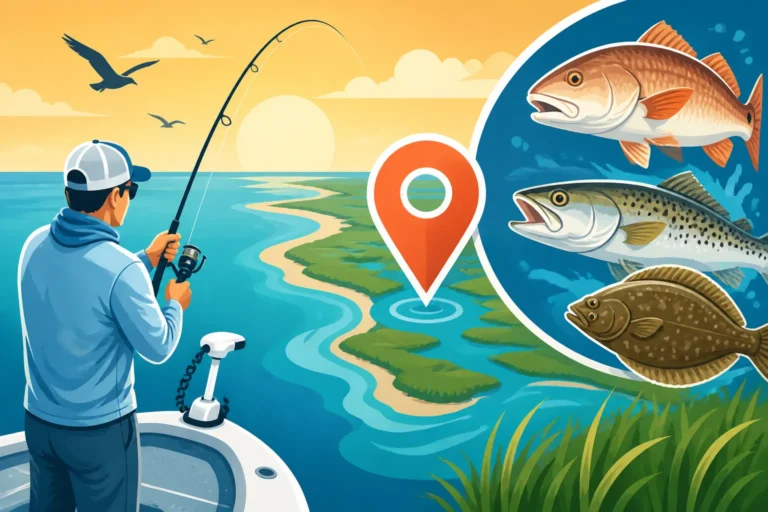
Galveston Bay, a sprawling estuary, boasts a mosaic of environments that are absolutely perfect for redfish. You've got expansive shallow grass flats, intricate marsh systems crisscrossed with sloughs and bayous, oyster reefs that rise like underwater cities, and deeper channels carving through the bay. Each of these features plays a vital role in the redfish's life cycle and daily habits. The constantly fluctuating tides bring in fresh food and oxygen, while the bay's brackish water—a mix of freshwater runoff from rivers like the Trinity and saltwater from the Gulf—creates a rich nursery for baitfish and crustaceans. Redfish thrive in this environment, using the varied depths and structures for feeding, spawning, and protection from predators. When you're out there, remember that the redfish are looking for concentrations of bait, which often means finding structure or current breaks.
Seasonal Movements and Feeding Patterns
Redfish are not static; their whereabouts and feeding habits shift dramatically with the seasons and even daily with the tides. In the warmer months, especially from late spring through early fall, you'll often find redfish roaming the shallow flats and marsh edges, actively hunting for shrimp, crabs, and finger mullet. They love to cruise these areas during high tide, pushing deep into the grass to ambush prey. As the water cools in the fall and winter, redfish tend to move to deeper channels, bayous, and around oyster reefs, seeking more stable water temperatures and still looking for bait. This is often when the "bull reds" – larger, mature redfish – make their appearance closer to the passes and jetties as they move towards their offshore spawning grounds. Understanding these general movements, combined with monitoring local tide charts and water temperatures, is key to predicting where the redfish will be holding and what they'll be eating. For a broader perspective on when to hit the waters, check out our guide on the Best Time of Year to Fish in Texas.
Top Redfish Hotspots in Galveston Bay
Now, let's talk brass tacks: where do you actually go to find these magnificent redfish? Galveston Bay offers an abundance of prime locations, each with its own charm and challenges. Knowing these spots is half the battle; the other half is understanding how to fish them effectively.
East Galveston Bay Flats and Marshes
East Galveston Bay is a vast expanse of shallow water, dotted with islands and intricate marsh systems, making it an absolute haven for redfish, especially if you're into wade fishing or kayak angling. Areas around the Bolivar Flats, particularly behind the seawall, are legendary. Here, the redfish cruise the edges of the submerged grass beds, often with their tails breaking the surface as they root for crabs. The extensive marshlands north of the Intracoastal Waterway, accessible by boat or kayak, offer countless small bayous, coves, and drains where redfish lie in wait, especially on an outgoing tide when bait is flushed out.
While Rollover Pass itself has changed significantly over the years, the surrounding waters and guts that feed into East Bay remain productive. Look for areas with good current flow and abundant bait. These shallower areas are fantastic for sight casting on calm days. Early mornings or late evenings are often the best times to find active fish here. For those looking to get out on the water with local expertise, many guides listed on platforms like FishingBooker specialize in these shallow-water pursuits, guiding you to the most productive marsh drains and oyster shell pads where redfish congregate.
West Galveston Bay Backlakes and Channels
Moving to the western side, West Galveston Bay offers a different flavor of redfish fishing, often characterized by more pronounced backlakes and deeper channels. Christmas Bay, Drum Bay, and the expansive Chocolate Bay are perennial favorites. These areas are characterized by a mix of muddy bottoms, oyster reefs, and scattered grass. The deeper guts and channels leading into and out of these backlakes act as highways for redfish, especially during tide changes. San Luis Pass, connecting West Bay to the Gulf, is a phenomenal area for catching larger "bull reds," particularly during their fall migration. The strong currents here require heavier tackle but can yield incredible results.
When fishing these western bay systems, pay close attention to the wind, as it can significantly affect water clarity and access to shallow areas. Look for protected coves or leeward shorelines where the water remains clearer. Oyster reefs are a major draw in these bays; redfish love to ambush prey around them. Drifting across these reefs or anchoring upcurrent and casting live or cut bait into the deeper pockets can be incredibly effective. Consider booking a trip through FishingBooker with a local guide who knows the intricate maze of West Bay's productive channels and secret oyster beds.
Mid-Bay Reefs and Spoil Islands
Sometimes, you need to get away from the shoreline and target the open bay. Mid-bay reefs and spoil islands are critical structures that break up the vast open water of Galveston Bay, concentrating baitfish and, consequently, redfish. Names like Halfmoon Reef, Todd's Dump, and the various spoil islands created by dredging operations (especially along the Houston Ship Channel) are well-known hotspots. These structures provide current breaks and ambush points for predatory fish.
Fishing these areas often involves drifting with the current, fan-casting lures or live bait, or anchoring strategically upcurrent from a promising section of reef. A good fish finder can be invaluable here, helping you identify the edges of the reefs and any baitfish schools holding nearby. The spoil islands, with their rock riprap and deeper water access, offer great opportunities for casting spoons, jigs, or even soaking cut bait. These spots can be particularly productive when the shallower flats are less active due to extreme temperatures or unfavorable tides.
Galveston Island Shoreline and Jetties
For those without a boat, or simply looking for easily accessible fishing, the Galveston Island shoreline and its iconic jetties provide outstanding redfish opportunities. The North Jetty, stretching miles into the Gulf, and the South Jetty, across the Bolivar Roads channel, are world-class fishing destinations. These rock structures act as massive artificial reefs, attracting a diverse range of marine life, including large schools of baitfish and, predictably, hungry redfish.
Fishing from the jetties often involves casting live or cut mullet, shrimp, or crabs on a Carolina rig or a heavy jig. The deep water and strong currents mean you'll need robust tackle. During the fall, these jetties are prime locations for bull reds moving in and out of the Gulf. Closer to shore, areas along the Galveston seawall, especially around rock groins and fishing piers, can also produce redfish, particularly during times of good tidal flow. Remember that a valid Texas Fishing License Requirements Explained is essential, even when fishing from a pier or the beach. For more comprehensive details on species-specific limits, be sure to consult the Texas Redfish Size and Bag Limits regulations.
Essential Techniques and Tackle for Galveston Redfish
Catching redfish in Galveston Bay isn't just about showing up; it's about understanding what gear to use and how to present your bait or lure effectively. Redfish are strong fighters, and proper technique can make all the difference between a memorable catch and a missed opportunity.
Best Baits and Lures for Success
Redfish are opportunistic feeders, meaning they'll hit a wide variety of offerings, but some consistently outperform others in Galveston Bay.
- Live Bait: This is often the gold standard. Live shrimp under a popping cork is deadly, especially in the marshes and on the flats. Mud minnows (also called killifish) are incredibly hardy and effective. Finger mullet, either live or freshly cut, are also irresistible to larger redfish, particularly near the jetties and deeper channels.
- Cut Bait: Fresh cut mullet, shad, or even crab pieces can be incredibly effective, especially when fishing for bigger reds or when current is strong. The scent trail they leave is a powerful attractant.
- Artificial Lures: Soft plastics rigged on a jig head are arguably the most versatile artificial lure for redfish. Colors like "new penny," "chartreuse," "pearl," and "plum" are perennial favorites. Brands like Berkley Gulp! Shrimp or Gulp! Jerk Shads are incredibly popular due to their scent. Spoons, especially gold or silver weedless spoons, are excellent for covering ground on the flats. Topwater lures like a Heddon Super Spook or MirrOlure She Dog can provide explosive action during low light conditions or over shallow grass. For an even deeper dive into what to tie on, our Best Bait and Lures for Texas Fishing guide has more detailed suggestions.
Popular Rigs and Presentations
Choosing the right rig is just as important as choosing the right bait.
- Popping Corks: When fishing live shrimp or a soft plastic shrimp imitation over grass flats or along marsh edges, a popping cork creates an enticing "chug" sound that mimics a shrimp flicking on the surface, drawing attention from nearby redfish.
- Carolina Rigs: This rig is excellent for fishing cut bait or live bait on the bottom, especially near oyster reefs, channels, or jetties. It allows your bait to move naturally with the current while keeping your weight on the bottom.
- Texas Rigs: Primarily used with soft plastics (like a plastic worm or craw) in freshwater, a modified Texas rig can also be effective in saltwater for fishing weedless soft plastics in heavy cover or thick grass without snagging.
- Free-lining: When redfish are actively feeding on top or in very shallow, calm water, free-lining a live finger mullet or shrimp with minimal weight can be incredibly effective, presenting a natural, unencumbered meal.
Mastering Wade Fishing and Kayak Strategies
Galveston Bay is a wade and kayak angler's paradise, offering unparalleled access to shallow flats and marsh systems where boats often can't reach.
- Wade Fishing: The stealth of wade fishing allows you to approach redfish without spooking them. Focus on reading the water: look for nervous baitfish, subtle wakes, or even the telltale "tailing" of redfish feeding in shallow water. Move slowly and deliberately. Polarized sunglasses are absolutely crucial for spotting fish and structure beneath the surface. For detailed advice on this technique, check out our guide on How to Wade Fish for Redfish in Texas.
- Kayak Fishing: Kayaks offer the best of both worlds – stealthy access to shallow areas and the ability to cover more ground than wading. They are perfect for exploring marsh drains, small bayous, and large flats. A pedal-drive kayak can be a game-changer, allowing you to maintain position or even troll while keeping your hands free for casting. Many of the local guides you might find on FishingBooker offer specialized kayak trips, teaching you the ropes of silently approaching these shallow-water giants.
Boat Fishing Tactics
If you're using a boat, you have the advantage of covering vast distances and accessing deeper water structures.
- Drifting Flats: On large flats, drifting with the wind and tide while fan-casting artificials or live bait is a highly effective way to locate scattered schools of redfish.
- Anchoring Near Reefs: When fishing oyster reefs or spoil islands, anchoring upcurrent and casting into the structure allows your bait to settle naturally into prime ambush zones.
- Trolling Channels: While not as common for redfish as for other species, trolling deeper channels with diving crankbaits can sometimes entice strikes from larger fish.
- Electronics: Modern fish finders with side-imaging and down-imaging capabilities are invaluable for identifying baitfish schools, submerged oyster reefs, and channel edges, helping you pinpoint where redfish might be holding. For more on optimizing your vessel for saltwater, refer to our Best Boats for Texas Saltwater Fishing guide.
Planning Your Galveston Redfish Adventure
A successful redfish trip to Galveston Bay requires more than just knowing where to cast. It involves understanding the rules, considering professional help, and being prepared for Mother Nature.
Navigating Regulations and Seasons
Texas has very specific regulations designed to protect its valuable fisheries, and redfish are no exception. Before you even think about putting a line in the water, you absolutely must have a valid Texas fishing license with a saltwater endorsement. These can be purchased online through the Texas Parks and Wildlife Department (TPWD) website, over the phone, or at numerous retailers like Academy Sports + Outdoors or Walmart. Remember, fishing without a license can lead to significant Penalties for Fishing Without a Texas License, so don't risk it!
Beyond the license, it's crucial to be aware of the current Texas Saltwater Fishing Regulations, particularly the Texas Redfish Size and Bag Limits. These limits dictate how many fish you can keep (the daily bag limit) and the minimum and maximum lengths (the slot limit). For redfish, there's usually a specific slot limit, meaning you can only keep fish within a certain size range, and typically a very limited number of "oversized" redfish with a special tag. These regulations are subject to change, so always check the latest TPWD Outdoor Annual before each trip. For visitors to the state, there's even a Texas One-Day Fishing License for Visitors that might be perfect for a quick trip.
Choosing a Guide or Charter
For many, especially those new to Galveston Bay or saltwater fishing, hiring a professional guide or charter service is an excellent investment. A local guide brings years of experience, knowledge of current conditions, and access to specialized equipment that can dramatically increase your chances of success. They know the constantly shifting sandbars, the seasonal movements of bait and fish, and the subtle nuances of fishing different tides and weather patterns.
Platforms like FishingBooker make it incredibly easy to find and book reputable guides in the Galveston area. You can browse various captains, see their specialties (e.g., wade fishing, bay fishing, jetty fishing), read reviews from other anglers, and compare prices. A good guide not only puts you on fish but also teaches you valuable techniques and offers insights into the local ecosystem. They often provide all the necessary tackle and bait, so all you have to do is show up ready to fish.
Weather and Tide Considerations
In Galveston Bay, the weather and tides don't just influence your comfort; they dictate fishing success. Strong winds can churn up the bay, reducing water clarity and making fishing challenging, especially on the shallow flats. A calm, clear day is ideal for sight casting to redfish in shallow water, while a breezy day might push you towards more protected areas or deeper channels.
Tides are perhaps even more critical. Redfish rely on tidal movement to bring food to them and to access shallower feeding grounds. An incoming tide often pushes baitfish into the marsh, while an outgoing tide can pull them out, creating feeding frenzies at drain mouths and channel edges. Strong tidal flows around passes and jetties are prime times for bull reds. Always check the tide charts for your specific fishing area before you go. A rule of thumb for many bay anglers is to fish the moving water – whether incoming or outgoing – rather than the slack tides.
Gear Essentials and Safety
Beyond your rod and reel, a few essentials can make your Galveston redfish trip safer and more enjoyable.
- Sun Protection: The Texas sun is no joke. Wide-brimmed hats, long-sleeved UPF clothing, buffs, and plenty of sunscreen are non-negotiable, especially on bright, reflective water.
- Hydration: Bring more water than you think you'll need. Dehydration can sneak up on you quickly.
- Footwear: If wade fishing, sturdy wading boots or old tennis shoes are a must to protect your feet from oyster shells and stingrays.
- Polarized Sunglasses: As mentioned, these are vital for spotting fish and structure.
- Pliers/Forceps: Essential for safely removing hooks.
- First-Aid Kit: Always a good idea, especially if you're venturing into remote areas.
- Boat Safety Gear: If you're in a boat, ensure you have all the required safety equipment, including life jackets for everyone on board.
For those serious about their tackle, selecting the Best Rods for Texas Redfish can significantly enhance your fishing experience, offering the right blend of power and sensitivity. Mastering various Texas Saltwater Fishing Techniques will also set you up for success across the diverse environments of Galveston Bay. And don't forget to keep an eye out for other popular species; sometimes redfish are found alongside Texas Flounder Fishing Guide targets, offering a bonus catch!
| Galveston Bay Redfish Spot Type | Prime Conditions | Recommended Tactics | Best Baits/Lures |
|---|---|---|---|
| Shallow Flats & Marshes | High tide, calm winds, sunny | Wade fishing, kayak, sight casting | Live shrimp, Gulp! shrimp, weedless spoons |
| Backlakes & Channels | Moving tides, protected from wind | Drifting, anchoring, casting into guts | Live mullet/minnows, cut bait, soft plastics |
| Mid-Bay Reefs & Spoil Islands | Moving tides, current breaks | Drifting, anchoring upcurrent | Cut bait, live bait, heavy jigs, spoons |
| Jetties & Passes | Strong currents, fall/winter | Heavy tackle, bottom fishing, casting | Live/cut mullet, crabs, large spoons |
Disclaimer
The information provided in this guide is for general informational purposes only and is not intended as legal advice regarding fishing regulations. Fishing rules and regulations, including license requirements, bag limits, and length limits, are subject to change by the Texas Parks and Wildlife Department (TPWD). It is the angler's responsibility to consult the most current TPWD Outdoor Annual or website before fishing to ensure compliance with all applicable laws. Fishing conditions and success can vary greatly depending on numerous factors, including weather, tides, and seasonal patterns. Always prioritize safety while on the water.