Best wade fishing spots in Galveston Bay
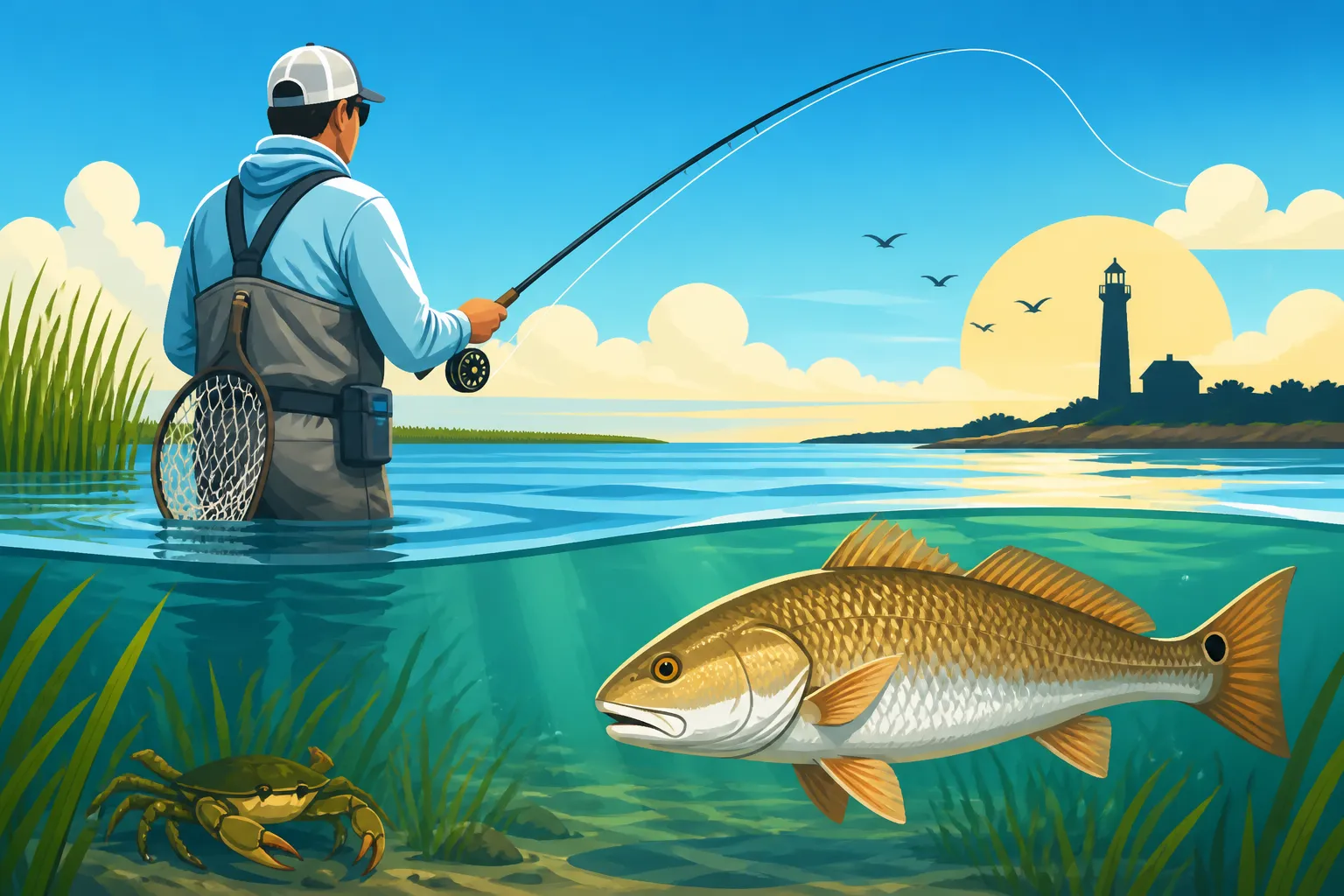
Wade fishing in Galveston Bay is an absolute Texas tradition, but if you've ever stood on the shore, gazing out at miles of water, you know the frustration of trying to figure out where to actually start wading. It's not just about finding water; it's about finding the right water, where the fish are hiding and the conditions are safe. This guide is here to cut through that confusion, giving you the lowdown on some of the best, most productive wade fishing spots this incredible bay has to offer.
Why Galveston Bay is a Wade Fishing Paradise
Galveston Bay isn't just vast; it's a dynamic, intricate ecosystem that practically screams "wade fishing!" For those of us who love the thrill of stalking fish in their natural habitat, casting a line while feeling the soft bay bottom beneath our feet, this place is a dream. What makes it so special? It's a combination of expansive shallow flats, hidden oyster reefs, and scattered seagrass beds that create perfect ambush points for hungry game fish.
The bay's sheer size means there's always a new corner to explore, and the diverse bottom structure caters to different species. You've got everything from soft, silty mud that holds baitfish, to hard shell bottoms that attract oysters and, in turn, larger predators. This variety keeps things interesting, and it means that even on days when one spot isn't producing, another might be red-hot. Understanding the various features, from subtle depth changes to prominent oyster bars, is key to unlocking the bay's potential.
The main target species for wade anglers in Galveston Bay are the highly sought-after redfish, the ever-popular speckled trout, and the sneaky flounder. Each of these fish has its preferred habitats and feeding behaviors, which we'll dive into, making wade fishing a constant learning experience. Before you head out, make sure you're up to date on all the Texas Saltwater Fishing Regulations and specific rules for species like the Texas Redfish Size and Bag Limits, Texas Speckled Trout Bag Limits, and Texas Flounder Season and Limits to ensure a legal and enjoyable trip. Remember, an unvalidated license or a misunderstanding of regulations can quickly turn a fun day into a costly mistake.
Top Wade Fishing Spots in Upper Galveston Bay
The upper reaches of Galveston Bay, closer to the mainland, offer a fantastic mix of productive wade fishing grounds. These spots are often more accessible and can provide excellent fishing without venturing too far.
Eagle Point and Moses Lake
Nestled near San Leon, Eagle Point is a perennial favorite for wade fishermen, and for good reason. The area boasts extensive shallow flats, numerous oyster reefs, and subtle channels that create perfect foraging grounds for speckled trout and redfish. You can often find fish cruising the edges of the reefs or tucked into deeper cuts, especially during outgoing tides when baitfish are swept off the flats.
Moses Lake, just west of Texas City, is another gem. This smaller, more protected bay system offers a different kind of wade fishing experience. It's known for its muddier bottoms and grass beds, which provide excellent habitat for baitfish and, consequently, hungry game fish. The protected nature of Moses Lake means it can be a great option on windy days when the main bay gets too rough. Look for areas where drains empty into the lake, as these can be fish highways. For those unfamiliar with the subtle nuances of these areas, a local guide booked through a service like FishingBooker can offer invaluable, real-time advice on current conditions and productive patterns.
Dollar Point and the Causeway Area
Dollar Point, situated on the eastern side of Galveston Island, is another legendary wade fishing location. It's characterized by its hard, sandy bottom transitioning to shell and mud, with scattered shell pads and grass. This diverse bottom type attracts a wide array of baitfish, making it a prime feeding ground. The currents here can be significant, especially near the passes and channels, which funnel bait and make for opportunistic feeding for trout and redfish.
Moving further south along the Galveston Causeway, the areas surrounding the bridge pylons and the adjacent flats can be incredibly productive. While often targeted by boaters, savvy wade anglers can find success by exploring the shallower edges and the calmer areas away from the main channel. The structure provided by the causeway itself can hold fish, especially during periods of strong current. This area often sees schooling baitfish, so keep an eye out for any surface activity that might indicate feeding fish.
Texas City Dike Shoreline
The Texas City Dike is a marvel of fishing access, stretching miles into Galveston Bay. While many think of it for jetty fishing or boat launches, the extensive shoreline on both sides of the dike offers excellent wade fishing opportunities, especially for those who prefer not to brave the open bay. The rocks and rip-rap along the dike's edge provide structure that holds bait and offers protection for game fish.
Wading out from the dike, you can target redfish and speckled trout that cruise the shallower flats adjacent to the main channel. The constant flow of water around the dike draws in a variety of marine life, creating a consistent food source. This spot is particularly good during cooler months when trout tend to concentrate in deeper, more stable waters closer to the channel. Access is easy, and there are plenty of spots to park and wade in. Just be mindful of boat traffic, especially closer to the boat lanes.
Prime Wade Fishing Locations in Lower Galveston Bay
As you move further down Galveston Bay, towards the Gulf of Mexico, the landscape changes, offering different types of wade fishing experiences. These areas often feature clearer water and more distinct grass flats.
San Luis Pass Area
San Luis Pass, connecting West Galveston Bay to the Gulf, is a renowned hotspot, but it demands respect due to its strong currents. This area is a true dynamic zone, with massive amounts of water moving through on both incoming and outgoing tides. These powerful currents churn up baitfish, making it an irresistible feeding ground for large speckled trout, redfish, and even some flounder.
Wading here requires extreme caution and a keen understanding of the tides. The key is to fish the slack tides or the beginning/end of the strong tidal flows when the current is manageable, targeting the shallower guts and sandbars where fish lie in wait. During an incoming tide, redfish often stage in the shallower areas, pushing up onto the flats. On an outgoing tide, they tend to drop into the deeper channels and cuts, ambushing bait as it's pulled out to sea. This spot is definitely not for the faint of heart, but the rewards can be truly spectacular, offering some of the best opportunities for trophy fish in the entire bay system. Many experienced anglers utilize a service like FishingBooker to find a guide specifically for this challenging but productive area.
West Galveston Bay Flats
If expansive, relatively shallow grass flats are your wade fishing dream, then West Galveston Bay is where you want to be. This section of the bay, particularly its western and southern shores, is characterized by vast stretches of seagrass and shell bottoms, interspersed with sandy potholes and meandering guts. It's a prime habitat for redfish and speckled trout, especially during warmer months when the grass beds teem with bait.
Access points along the West Bay side can be found through various public beaches and subdivisions, offering miles of unpressured water. The fishing here is often about patience and sight casting, especially for redfish cruising the clear, shallow water. Look for nervous water, subtle wakes, or even the flash of a tail as a redfish roots around in the grass. This is where your polarized sunglasses become your best friend, allowing you to spot fish before they spot you. Early mornings and late evenings, or overcast days, often provide the best sight-fishing conditions, as the sun glare is reduced.
Christmas Bay and Drum Bay
Tucked away on the extreme western side of Galveston Bay, Christmas Bay and Drum Bay offer a more secluded, almost wilderness-like wade fishing experience. These smaller, shallower bay systems are known for their exceptionally clear water, especially on calm days, making them ideal for sight casting. The bottom here is a mix of sand, mud, and extensive healthy seagrass, creating a perfect environment for all three major game fish: redfish, speckled trout, and flounder.
These bays feel a world away from the hustle and bustle of the main Galveston Bay. They require a bit more effort to reach, but the reward is often less crowded waters and a more intimate connection with nature. Flounder can be particularly abundant in these areas, especially along the edges of the grass beds and sandy potholes. When wading here, pay close attention to subtle depth changes and areas where different bottom types converge; these are often high-percentage zones. The calm, clear waters also make these spots excellent for fly fishing or throwing lighter tackle, adding another dimension to your wade fishing adventure.
Here’s a quick overview of some prime Galveston Bay wade fishing spots:
| Wade Fishing Spot | Primary Target Species | Ideal Tide | Key Features & Tips |
|---|---|---|---|
| Eagle Point | Speckled Trout, Redfish | Outgoing | Shallow flats, numerous oyster reefs, subtle channels. Look for bait. |
| Moses Lake | Redfish, Speckled Trout | Incoming | Protected, muddier bottoms, grass beds. Good on windy days. Target drains. |
| Dollar Point | Speckled Trout, Redfish | Strong Current | Hard bottom, shell pads, grass. Fish edges of channels, look for bait movement. |
| Texas City Dike | Speckled Trout, Redfish | Any | Rock/rip-rap structure, adjacent shallow flats. Easy access, watch for boat traffic. |
| San Luis Pass | Speckled Trout, Redfish, Flounder | Slack | Strong currents, deep guts, sandbars. High reward, high caution. Consider a guide. |
| West Galveston Bay Flats | Redfish, Speckled Trout | Incoming | Vast seagrass flats, sandy potholes. Excellent for sight casting. Look for nervous water. |
| Christmas/Drum Bay | Flounder, Redfish, Speckled Trout | Incoming/Slack | Clear water, healthy seagrass. More secluded, great for sight fishing. Target grass edges. |
Essential Tips for Successful Wade Fishing in Galveston Bay
Once you've picked your spot, there's still an art to making your wade fishing trip successful and, most importantly, safe. Galveston Bay can be unforgiving if you're not prepared.
Gear Up Right for the Bay
Having the right gear isn't just about comfort; it's about efficiency and safety. First and foremost, a good pair of wading boots is non-negotiable. The bay bottom can be treacherous, with sharp oyster shells, rocks, and uneven terrain. Brands like Simms, Orvis, or Hodgman offer durable options. While many might think of waders as only for cold weather, a lightweight pair, even in summer, can protect you from sun, abrasions, and the occasional stingray. For warm weather, a good pair of quick-drying shorts and wading socks with tough wading boots will suffice. If you're looking for guidance on specific types of footwear, our guide on Best Waders for Texas River Fishing can offer transferable insights, though for saltwater, you'll want models designed for corrosive environments.
Beyond your footwear, a reliable stringer or a small wade fishing cooler is crucial for keeping your catch fresh. Nothing ruins a good day like warm fish! Don't forget a pair of long-nosed pliers or a de-hooker, essential for safely removing hooks, especially from toothy speckled trout or stubborn redfish. Polarized sunglasses are also a must-have. They cut the glare off the water, allowing you to spot subtle movements, dark spots that could be fish, or even submerged structure. This dramatically improves your chances of success, especially when you're trying to How to Wade Fish for Redfish in Texas in clear, shallow water.
Understand Tides and Conditions
Tides are the lifeblood of wade fishing in Galveston Bay. They dictate when and where fish will be feeding. Generally, an incoming tide pushes nutrient-rich water and baitfish onto the flats, stimulating a feeding frenzy. An outgoing tide pulls bait off the flats into deeper guts and channels, where predators wait. The trick is to identify where the fish will be staging during each phase. Pay attention to local tide charts for your specific area.
Wind is another major factor. A strong wind can make casting difficult, churn up the water, reduce visibility, and even make wading dangerous. Ideally, you want a light, consistent breeze that creates a "chop" on the water, which can break up your silhouette and make fish less wary. However, too much wind is a deterrent. Always check the weather forecast before heading out. Water clarity is also vital; while clear water is great for sight casting, slightly stained water can sometimes be even better, as it gives fish a sense of security while still allowing them to see your bait. Our guide on Best time of day to catch redfish offers more insights into how conditions affect angling success.
Safety First on the Flats
Wade fishing in Galveston Bay is incredibly rewarding, but it comes with inherent risks. Safety should always be your top priority. Stingrays are perhaps the most common concern; shuffling your feet as you wade (the "stingray shuffle") is an effective way to avoid stepping directly on one, giving it a chance to swim away. A good pair of sturdy wading boots or ray guards provides additional protection.
Always be aware of boat traffic, especially in popular channels or near passes like San Luis Pass. Boat wakes can be strong and unexpected. Furthermore, the weather in Texas can change rapidly. A clear sky can quickly turn into a thunderstorm, so always keep an eye on the horizon and have a plan to get back to shore if conditions deteriorate. Lastly, inform someone of your fishing plans – where you're going, and when you expect to return. Consider carrying a whistle or a personal locator beacon for emergencies, especially if you venture into more remote areas.
Lure and Bait Choices
When it comes to lures for wade fishing in Galveston Bay, simplicity often wins. Soft plastic "paddletails" or "shrimp tails" rigged on a jig head are incredibly versatile and effective for both speckled trout and redfish. Popular brands like Saltwater Assassin, Gulp!, and Z-Man offer a wide range of colors and sizes. Darker colors (like 'new penny' or 'plum') often excel in stained water, while lighter, more natural colors (like 'bone' or 'chartreuse') shine in clearer conditions. Topwater lures like a Heddon Super Spook or MirrOLure Top Dog can be exhilarating during low-light conditions, drawing explosive strikes from aggressive fish. You can find more specific recommendations in our guide on Best Tackle for Texas Saltwater Wade Fishing.
For those who prefer live bait, shrimp are universally effective, followed by live mullet or croaker, especially when targeting larger trout and redfish. Rig live bait under a popping cork or free-line it to cover various depths. The choice between artificials and live bait often comes down to personal preference and conditions, but having both options can increase your success. Sometimes, a subtle bait presentation is what's needed, while other times, a noisy topwater explosion is the ticket. Knowing when to switch can make all the difference, particularly when adapting your technique for something like using Best lures for speckled trout in winter.
Disclaimer
Please be aware that fishing conditions, regulations, and access points can change. Always consult the latest Texas Parks and Wildlife Department (TPWD) regulations before heading out. Safety should always be your primary concern when wade fishing.