Texas Fishing Seasons Month by Month
It's incredibly frustrating, isn't it? You've got the itch to get out on the water, but Texas weather and fish patterns can feel like a complete mystery, changing from one month to the next. Trying to figure out the best time to chase largemouth bass, find those schooling white bass, or even target redfish on the coast can be overwhelming. This comprehensive guide is here to untangle that knot, breaking down the optimal Texas fishing seasons month by month, so you'll know exactly what to expect and how to prepare for a successful trip, no matter the time of year.
Understanding Texas' Diverse Fishing Landscape
Texas isn't just a big state; it's a colossal mosaic of fishing opportunities, stretching from the piney woods lakes of East Texas to the arid reservoirs of the west, and all the way down to the salty Gulf Coast. This incredible diversity means that while one part of the state might be bundling up for a winter crappie bite, another could be enjoying mild weather perfect for Guadalupe bass in a Hill Country stream. It's easy to feel lost trying to keep up with it all, but understanding the fundamental differences between our freshwater and saltwater environments, and how the relentless Texas weather shapes them, is your first step to year-round angling success.
Freshwater vs. Saltwater Nuances
Think about it: the fish you find in Lake Fork are completely different from those you'll encounter in Galveston Bay, and so are the strategies for catching them. Freshwater fishing in Texas primarily revolves around our vast network of lakes, rivers, and ponds. Here, you're often targeting species like largemouth bass, catfish, crappie, white bass, and sometimes even the elusive Guadalupe bass. These fish react strongly to water temperature changes, rainfall, and current, often congregating around submerged structures, creek channels, or shallow cover. Your approach will involve understanding the nuances of how these fish use different parts of a lake or river throughout the year.
On the other hand, saltwater fishing along the Texas Gulf Coast offers a whole different set of challenges and rewards. Here, you're dealing with the tides, salinity levels, bait migrations, and the constant influence of the open ocean. Redfish, speckled trout, flounder, and various offshore species become your targets. These fish often follow baitfish movements in and out of the bays and passes, seeking out oyster reefs, grass flats, and jetties. The techniques, from wade fishing with artificials to bottom fishing with live bait, are distinctly tailored to this dynamic marine environment. Don't forget, if you're planning a trip to the coast, our guide on Texas Saltwater Fishing Regulations can provide crucial insights into what you need to know before casting a line.
How Weather Shapes Our Waters
Texas weather is a law unto itself, and it dictates almost everything about fishing here. From blistering summer heat to sudden winter cold fronts, and everything in between, these atmospheric shifts directly impact water temperature, clarity, oxygen levels, and, consequently, fish behavior. A strong cold front can shut down a hot bite overnight, sending fish scurrying to deeper, more stable water. Conversely, a prolonged warm spell in early spring can kickstart the bite, drawing fish into the shallows.
Rainfall is another massive factor. Heavy rains can muddy up lakes and rivers, making sight fishing impossible but often triggering a fantastic catfish bite. Droughts, unfortunately, can lower lake levels dramatically, concentrating fish but also making access difficult and potentially stressing populations. Understanding these weather patterns isn't just about comfort; it's about predicting where the fish will be and what mood they'll be in. Keeping an eye on local forecasts and water temperature reports is just as important as having the right lure in your tackle box.
January & February: The Winter Chill Bite
When the calendar flips to January and February, many anglers mistakenly think fishing in Texas shuts down. While it's true that the brutally cold days can make fishing tough, and certainly less comfortable, these months offer some incredible, often overlooked, opportunities for those willing to brave the chill. Fish activity slows down, but they still need to eat, and targeting them requires a patient, methodical approach that can be incredibly rewarding.
Freshwater Strategies for Cold Water
In freshwater lakes and reservoirs, fish like largemouth bass, crappie, and even catfish become lethargic as water temperatures drop. They typically move to deeper water, often suspending over main lake channels or hunkering down on submerged structure like old creek beds, roadbeds, or timber lines. The key here is slow presentations. Forget fast-moving baits; think finesse. Jigging spoons are absolute killers in winter, dropped directly onto fish marked with your electronics. Suspending jerkbaits, retrieved with long pauses, can also entice a strike from a sluggish bass that won't chase anything else. You'll often find that the bites are subtle, feeling more like a "mushy" weight than a sharp tap. It takes patience, but when you hit a school of winter bass or crappie, the action can be steady. Our detailed guide on How to Catch Bass in Winter in Texas delves even deeper into these cold-water tactics.
For crappie, these months can be prime time, especially in lakes known for their deep brush piles and standing timber. Anglers often vertical jig with tiny jigs or minnows, carefully presenting them right in the fish's face. Blue and channel catfish also remain active, often found in deeper holes in rivers and lakes. Using smelly baits like punch bait or cut bait can be effective, especially during warmer spells that might last a few days. Don't be afraid to experiment with different depths until you find where the fish are holding, as their comfort zone can shift with even slight temperature changes. Layering up is crucial for comfort, and having a thermos of hot coffee or soup makes those cold days much more enjoyable.
Saltwater Opportunities in the Bays
On the Texas Gulf Coast, winter fishing in the bays offers a unique charm. While redfish and speckled trout might be less aggressive than in warmer months, they tend to school up much tighter in deeper channels, guts, and near oyster reefs. The trick is finding these winter "pot holes" or deep pockets where the water temperature is a degree or two warmer, offering the fish a thermal refuge. Once you locate a school, the fishing can be lights out. Lures like slow-sinking twitchbaits, soft plastics on a 1/8 to 1/4 ounce jig head, or even live shrimp under a popping cork can all be effective. The retrieve should be agonizingly slow, mimicking a cold, lethargic baitfish.
Wade fishing can be particularly productive on calm, sunny winter days, as the sun warms the shallow mud flats, drawing baitfish and hungry gamefish to feed. Keep an eye out for slicks or subtle disturbances on the water, which can indicate feeding activity. However, be incredibly careful with cold fronts; extremely low tides combined with freezing temperatures can cause devastating fish kills, so always be mindful of weather conditions and fish behavior. For serious coastal anglers, a good quality pair of waders and a warm wading jacket are not optional; they're essential. You can often find great deals on these winter fishing necessities on Amazon.
March & April: Spring Awakening and Spawns
As winter's grip finally loosens and the sun begins to warm the vast expanse of Texas, March and April bring an explosion of life to our waters. This period is arguably the most exciting time for many Texas anglers, as fish shake off their winter lethargy and engage in their annual spawning rituals. The action can be fast and furious, but understanding the different stages of the spawn and how various species react is key to capitalizing on this incredible season.
The Explosive Bass Spawn Season
For countless Texas anglers, March and April mean one thing: bass spawning. The largemouth bass begin to move from their deeper winter haunts into shallower coves, creeks, and protected flats as water temperatures climb into the mid-50s and 60s Fahrenheit. This transition often begins with the "pre-spawn" phase, where big females gorge themselves on baitfish to build up energy for egg production. This is arguably the best time to catch a true trophy bass, as these fish are at their heaviest and most aggressive. Lipless crankbaits, spinnerbaits, and even larger swimbaits can be incredibly effective when fish are actively feeding. If you’re targeting a true lunker, checking out a Texas Largemouth Bass Fishing Guide will give you a wealth of information to help land that dream fish.
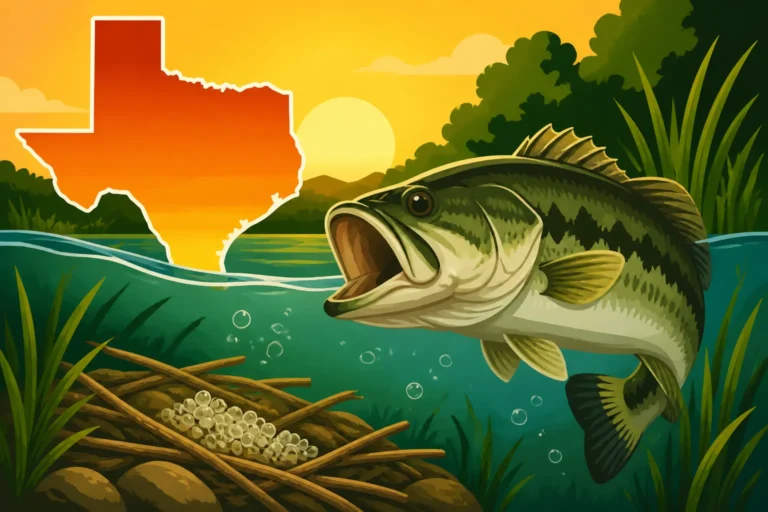
As water temperatures reach the upper 50s and low 60s, the "spawn" officially begins. Bass move onto shallow flats, gravel beds, and protected pockets to create nests (beds). Males are fiercely protective of these beds, and females will move onto them to lay eggs. Sight fishing for bass on beds becomes popular, using soft plastics like lizards, creature baits, or even wacky worms to provoke a strike. It's a thrilling time, but remember to be ethical and release these spawning fish quickly to ensure future generations. The post-spawn phase follows, where females move off beds to recover, often suspending nearby or retreating to slightly deeper cover. Our comprehensive Texas Bass Spawning Season Guide offers an even deeper dive into this critical period.
Crappie and White Bass Runs
While bass are busy on their beds, other popular species are also getting into the spawning action. March and April are prime months for crappie fishing, as these panfish congregate in massive schools in shallow brush piles, submerged timber, and around docks. Anglers flock to their favorite crappie holes, using small jigs or live minnows under a bobber to fill coolers. The bites can be subtle, but once you locate a school, the action can be non-stop. Fishing vertically or slowly trolling around likely cover are go-to methods.
Even more exciting for many is the annual white bass run. As rivers and creeks swell with spring rains, white bass leave the main lakes and migrate upstream en masse to spawn. This phenomenon offers some of the most frantic fishing action of the year. Anglers line riverbanks and boat launch sites, casting small inline spinners, jigs, or tiny crankbaits into the churning current. The white bass are aggressive and plentiful, making it an ideal time for beginners and families to experience incredible fishing. You'll find tons of great info on timing this event in our Texas White Bass Run Timing article. A good selection of small, flashy lures can be found easily on Amazon, and it's wise to stock up as they can get chewed up quickly during a hot run.
Coastal Transitions for Redfish and Trout
Down on the Texas Coast, March and April mark a significant transition. Winter patterns of tightly schooled fish in deep guts begin to break up as water temperatures rise. Redfish and speckled trout become more active, spreading out across shallow grass flats, oyster reefs, and sandy potholes. The baitfish, particularly shrimp and various small finfish, start to reappear in greater numbers, triggering more aggressive feeding.
This is a fantastic time for wade fishing with artificial lures. Topwater plugs can be absolutely explosive on calm mornings, especially for speckled trout. Soft plastic swimbaits and twitchbaits, imitating a struggling baitfish, are also deadly. Look for signs of life: nervous baitfish, diving birds, or subtle wakes in the shallow water. As the water warms, the fishing opportunities expand, and you'll find fish moving into areas that were too cold just a month or two prior. This transition period often produces some of the biggest speckled trout of the year as they shake off their winter sluggishness and prepare for their own spawning cycles.
May & June: Post-Spawn and Early Summer Patterns
As the full force of spring gives way to the burgeoning heat of early summer, May and June bring another shift in fishing patterns across Texas. The frantic pace of the spawn settles down, and fish move into their summer routines, which often involve deeper water during the day and shallower feeding forays during lower light conditions. This period requires anglers to adapt their strategies, focusing on efficiency and understanding how fish conserve energy in warming waters.
Adjusting to Post-Spawn Bass
For largemouth bass, May and June are generally characterized by the post-spawn period and the beginning of their summer patterns. Females, having recuperated from the rigors of spawning, start to feed heavily again, often moving to deeper points, humps, and ledges. They'll also relate to standing timber or brush piles in slightly deeper water, making structure fishing a key tactic. This is when baits like deep-diving crankbaits, football jigs, and large Texas-rigged worms become extremely effective. The fish are still aggressive, but they're not as easily fooled as they were on the beds. You need to present baits where they live and where they're comfortable feeding.
Males, too, disperse from the shallow spawning grounds. They'll often school up on offshore structure or patrol the edges of hydrilla beds and lily pads. Topwater frogs and swim jigs can be fantastic early and late in the day in these shallow vegetation zones, especially on lakes like Lake Fork or Sam Rayburn. As the sun climbs and temperatures soar, bass will seek refuge in deeper, cooler water or dense overhead cover. Learning to fish these patterns is crucial for consistent success during the early summer months.
Catfish Action Heating Up
May and June are prime months for catfish in Texas, as warming waters kick their metabolism into high gear. Blue catfish, channel catfish, and flathead catfish become incredibly active across lakes and rivers. Channel catfish are often found in shallow areas and creek mouths, eagerly hitting punch baits, stink baits, or live worms. They're excellent targets for bank anglers and families looking for steady action.
Blue catfish, the titans of many Texas reservoirs, start to move into deeper main lake channels and around major creek bends, often schooling up. Targeting them with cut bait (shad, carp, or even small pieces of hotdogs) on trotlines, juglines, or rod and reel can yield impressive results. Flathead catfish, the ambush predators, will be lurking near submerged timber and rock piles, preferring live bait like sunfish or perch. These months are arguably the best for chasing trophy-sized blues and flatheads, particularly during evening and nighttime hours when they become more active. Our How to Catch Catfish in Texas guide has all the insights you'll need.
Nearshore and Offshore Opportunities
Along the coast, May and June usher in truly spectacular fishing opportunities, both in the bays and further offshore. Bay fishing for redfish and speckled trout remains strong, especially early in the morning and late in the evening. Topwater action can be phenomenal as baitfish populations explode. Kayak anglers particularly enjoy this period, paddling out to vast flats and stalking reds and trout in skinny water.
However, the real excitement often lies offshore as the Gulf calms down. This is when species like king mackerel, mahi-mahi (dolphin), snapper, and even wahoo become viable targets. Charters head out to the offshore rigs, oil platforms, and natural reefs, trolling for pelagics or bottom fishing for snapper and grouper. Permit season can also offer a thrilling challenge for sight anglers. While requiring specialized gear and larger boats, offshore fishing during these months can provide truly unforgettable experiences and some incredible table fare. It's a completely different ballgame than bay fishing, demanding different strategies and safety precautions.
July & August: Surviving the Texas Summer Heat
Ah, July and August in Texas. The heat is oppressive, the sun is relentless, and the fishing can feel utterly impossible if you don't know how to adapt. Many anglers pack up their gear, thinking the fish have gone dormant. While it's true that the midday bite can be brutally slow, these months actually hold fantastic opportunities for those willing to change their tactics and embrace the challenges that high summer temperatures present. The fish are still there, they're just on a different schedule.
Deep Water and Night Fishing Tactics
When the surface water temperatures in Texas lakes soar into the 80s and even 90s, fish retreat to deeper, cooler, and more oxygenated water. For bass, this means focusing on main lake points, ledges, humps, and standing timber in 15-30 feet of water or more. Deep-diving crankbaits, heavy football jigs, and large Texas-rigged worms are essential. Electronics become your best friend, helping you locate thermoclines and schools of baitfish, which are usually indicators of where the gamefish will be. This is a methodical, often slower style of fishing, but it can yield some very productive days once you dial in the depth and presentation.
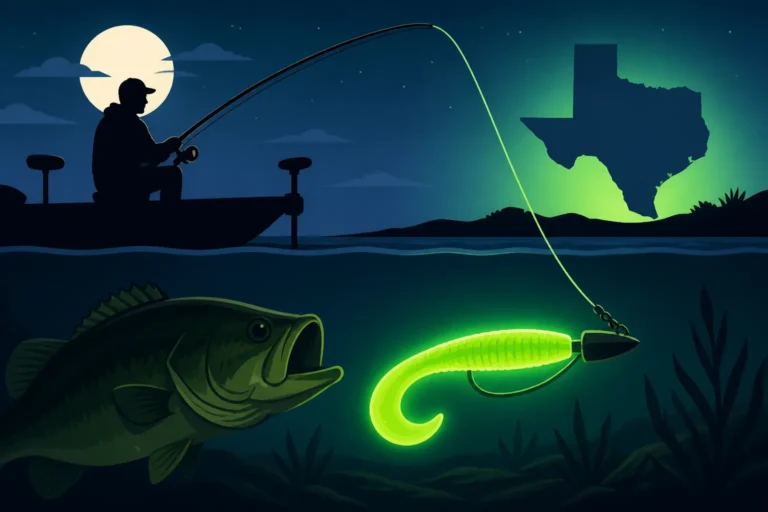
However, the true secret weapon for summer fishing in Texas is night fishing. As the sun sets and the air cools, fish move shallower to feed under the cover of darkness. Bass, crappie, and especially catfish become incredibly active. For bass, throwing large spinnerbaits, dark-colored jigs, or even topwater baits with a noisy retrieve can be deadly around lighted docks, brush piles, or shallow points. Catfish absolutely thrive at night, hitting cut bait, punch bait, or live perch in their usual haunts. Always prioritize safety when night fishing; let someone know your plans, have proper lighting, and be aware of your surroundings. Our article on How to Fish in Hot Texas Summers details everything you need to know to stay productive and safe.
Early Morning and Late Evening Coastal Bites
The Texas Coast also feels the burn of summer, but the saltier environment often provides a slight reprieve for anglers. Just like in freshwater, the key is to fish during the cooler parts of the day: early mornings and late evenings. The first few hours after sunrise and the last few before sunset can offer incredible topwater action for speckled trout and redfish on the shallow flats. As the sun rises, these fish often move to slightly deeper edges, channels, or shaded areas around mangroves and jetties.
Wade fishing is extremely popular during these times, allowing anglers to stealthily approach fish in crystal-clear water. Soft plastics rigged on light jig heads, slow-sinking twitchbaits, or live shrimp under a popping cork remain effective. The heat can be brutal, so stay hydrated, wear sun-protective clothing, and consider using a wide-brimmed hat and polarized sunglasses (you can find excellent options for all this on Amazon). If you're looking for consistent action, targeting jetties and passes where current brings cooler water and baitfish can be very productive throughout the day, often yielding a variety of species.
September & October: Fall Transitions and Cooling Waters
After the long, sweltering Texas summer, September and October bring a welcome change. As cold fronts begin to push through, albeit sometimes sporadically, the air and water temperatures slowly start to drop. This "fall transition" period is often heralded by anglers as one of the best times of the year for consistent and aggressive fishing. Fish sense the approaching winter and engage in a major feeding frenzy to pack on reserves, making them incredibly cooperative.
The Exciting Flounder Run
One of the most anticipated events on the Texas Gulf Coast each fall is the flounder run. Southern flounder, after spending the warmer months fattening up in the bays and estuaries, begin their migration offshore to spawn as water temperatures cool. This mass movement concentrates flounder in passes, bayou mouths, and cuts, offering fantastic opportunities for anglers targeting these delicious flatfish. Flounder gigging, a unique form of night fishing where anglers use powerful lights to spot and spear flounder in shallow water, becomes incredibly popular.
For rod-and-reel anglers, fishing with live or dead shrimp, mullet, or mud minnows on a Carolina rig near structure or along sandy bottoms can be highly effective. Artificials like soft plastic paddletails or gulp baits worked slowly along the bottom also produce. The key is to be in the right place at the right time, as the run can be intense but relatively short-lived in any specific area. Being aware of current Texas Flounder Season and Limits is paramount, as regulations can change to protect the species during this vulnerable period.
Bass and Crappie Schooling Patterns
In freshwater lakes, the cooling water of fall invigorates largemouth bass, triggering a major feeding binge. They often move shallower, particularly into creek arms and main lake points, chasing schools of baitfish like shad. This is when aggressive tactics really shine. Topwater baits can be explosive, especially on calm mornings. Spinnerbaits, lipless crankbaits, and square-bill crankbaits become highly effective as bass actively forage. Keep an eye on diving birds, which often indicate schools of shad being pushed to the surface by feeding bass. The fall can offer some of the most consistent bass fishing of the year, with fish actively chasing and striking.
Crappie also become very active in the fall, often schooling up in deeper creek channels or around major submerged structure. They'll also follow baitfish into shallower areas, making them accessible to a wider range of anglers. Jigging with small jigs or using live minnows remains the go-to strategy. The key is to locate the schools, and once you do, you can often catch them one after another. Our guide on Texas Crappie Fishing Guide is packed with tips for this productive season.
Coastal Fall Fishing Frenzy
Beyond the flounder run, the entire Texas Coast experiences a "fall fishing frenzy." The cooler temperatures mean anglers can fish comfortably all day, and the fish are on fire. Redfish form massive "bull red" schools and can be found cruising the beachfront and passes, feasting on migrating baitfish. Speckled trout are also incredibly active, often schooling up and aggressively hitting topwaters, soft plastics, and twitchbaits throughout the bays.
This is arguably the best time of year for a multi-species coastal trip. You might catch a limit of speckled trout on the flats in the morning, then head to a pass to target bull reds or even a stray black drum in the afternoon. The comfortable weather, combined with aggressive fish, makes fall a favorite season for many saltwater enthusiasts. Wade fishing, drift fishing, and fishing from jetties or piers are all highly productive strategies during these months.
November & December: Late Fall and Early Winter Prep
As the year draws to a close, November and December usher in definite cool-down periods, bringing us into the fringes of winter fishing. While the intensity of the fall feeding frenzy might wane, these months offer their own unique and highly rewarding fishing experiences. It’s a time to transition back to slower presentations in freshwater and take advantage of specific stocking programs and offshore opportunities along the coast.
Trout Stocking and Winter Bass Fishing
For many Texas freshwater anglers, November and December mean one exciting thing: rainbow trout stocking! The Texas Parks and Wildlife Department (TPWD) begins its annual winter trout stocking program in community lakes and ponds across the state. These feisty, cold-water fish provide fantastic action for anglers of all ages, especially families and beginners. Light tackle, small inline spinners, corn, cheese, or power bait are all excellent choices for these recently stocked fish. It's a fantastic way to introduce kids to fishing, and often, no special endorsement is needed beyond your regular Texas Fishing License Requirements Explained.
For largemouth bass, as water temperatures continue to drop, they will move back towards their winter patterns, seeking stable, deeper water. Don't think they completely shut down, though. Warmer, sunny days in November can still produce good bites with slower moving baits like jigs or suspending jerkbaits. By December, expect to focus on those deeper structure areas discussed for January and February, using electronics to pinpoint schools. Patience is key, and the bites will be more subtle, but catching a big, fat winter bass is incredibly satisfying.
Offshore Fishing Opportunities
While the bay fishing might slow down a bit in November and December, particularly for speckled trout which seek deeper, warmer water, the offshore opportunities can actually pick up, especially if the weather remains calm. With the cooler temperatures, certain species become more accessible or more active further out in the Gulf. Snapper season, when open, can provide excellent bottom fishing. Larger pelagic species like king mackerel might still be around, and amberjack become a prime target on deeper reefs and wrecks.
It's crucial to pick your days carefully for offshore trips during these months, as cold fronts can make the Gulf very rough. However, a calm, clear day in late fall or early winter can offer some of the best offshore fishing of the year, with less competition on the water. Again, this requires specialized boats and gear, but for those with the means, it’s a thrilling way to extend the fishing season beyond the bays. Always check marine forecasts and know your boat's capabilities before heading out.
Essential Gear and Preparation for Year-Round Success
Regardless of the month or target species, having the right gear and being properly prepared is absolutely non-negotiable for successful fishing in Texas. Our incredibly diverse climate and fishing environments demand versatility from anglers. Trying to catch redfish on the coast with a light crappie rod, or sight-fishing bass with the wrong color line, will quickly lead to frustration. Investing in quality gear and knowing how to adapt your setup to the conditions will elevate your fishing experience dramatically.
Adapting Your Tackle Box
Your tackle box should be a dynamic entity, constantly evolving with the seasons and the fish you're targeting. For freshwater bass fishing, your Best Tackle for Texas Bass Fishing will look very different in spring than in summer or winter. Spring means an emphasis on shallow water baits like spinnerbaits, crankbaits, and soft plastics for bedding fish. Summer demands deep-diving crankbaits, heavy jigs, and night-fishing lures. Winter calls for finesse baits like jigging spoons and suspending jerkbaits. Always have a variety of colors and sizes, as fish preferences can change hourly.
For saltwater, the same principle applies. While soft plastics on jig heads are a year-round staple for speckled trout and redfish, topwater plugs shine in warmer months, and slow-sinking twitchbaits become crucial in cooler water. Having a selection of different hook sizes, leader materials, and weights is also vital for both fresh and saltwater. Don't forget terminal tackle – extra hooks, swivels, and sinkers are things you never want to run out of. Stocking up on these versatile items can easily be done through platforms like Amazon, ensuring you're ready for anything Texas throws your way.
Safety First, Always
Fishing in Texas can be incredibly rewarding, but it's paramount to prioritize safety. The weather here is unpredictable, from sudden thunderstorms and lightning in the summer to brutal cold fronts in the winter. Always check the forecast before you go, and if you're on a boat, make sure you have all the necessary safety equipment, including life jackets for everyone on board. Knowing Texas Boat Safety Equipment Requirements is not just good practice, it's the law.
Staying hydrated is critical, especially during the scorching summer months. Carry plenty of water and electrolytes, and wear sun-protective clothing, hats, and sunglasses. If you're wade fishing the coast, be aware of tides, currents, and potential hazards like stingrays or oyster shells. Always let someone know where you're going and when you expect to return, especially if you're fishing alone. A fully charged phone, a basic first-aid kit, and a reliable means of communication are essential for any fishing trip, no matter how short.
Texas Fishing Seasons Month by Month: Quick Reference
| Month | Primary Freshwater Targets | Primary Saltwater Targets | Key Techniques/Considerations |
|---|---|---|---|
| January | Bass, Crappie, Catfish | Redfish, Speckled Trout | Slow presentations, deep water, finesse. Find warmer pockets in bays. |
| February | Bass, Crappie, Catfish | Redfish, Speckled Trout | Very slow retrieves. Focus on deep channels, oyster reefs. |
| March | Largemouth Bass (Pre-Spawn/Spawn), Crappie, White Bass | Redfish, Speckled Trout | Aggressive pre-spawn, sight fishing beds. White bass run starts. Coastal transition. |
| April | Largemouth Bass (Spawn/Post-Spawn), Crappie, White Bass | Redfish, Speckled Trout | Spawning peaks, post-spawn recovery. White bass run strong. Active bay fishing. |
| May | Largemouth Bass (Post-Spawn), Catfish, White Bass | Redfish, Speckled Trout, Offshore Species | Post-spawn feeding, offshore structure. Catfish active. Offshore opens up. |
| June | Largemouth Bass (Early Summer), Catfish, Sunfish | Redfish, Speckled Trout, Offshore Species | Early summer patterns, deep structure. Catfish hot. Prime offshore. |
| July | Largemouth Bass (Summer), Catfish, Gar | Redfish, Speckled Trout, Tarpon | Deep water, night fishing for all species. Early/late coastal. |
| August | Largemouth Bass (Summer), Catfish, Gar | Redfish, Speckled Trout, Tarpon | Deep water, night fishing continues. Extreme heat, focus on low light. |
| September | Largemouth Bass (Fall Feed), Crappie, Catfish | Redfish, Speckled Trout, Flounder | Fall turnover, active feeding. Flounder run starts. Coastal frenzy. |
| October | Largemouth Bass (Fall Feed), Crappie, White Bass | Redfish, Speckled Trout, Flounder | Aggressive feeding continues. Flounder run peaks. Topwater action. |
| November | Rainbow Trout (Stocked), Bass, Crappie | Redfish, Speckled Trout, Offshore Species | Trout stocking begins. Bass moving deep. Offshore opportunities. |
| December | Rainbow Trout (Stocked), Bass, Crappie | Redfish, Speckled Trout | Trout stocking strong. Finesse winter bass. Coastal fish school deep. |
Disclaimer
The information provided in this guide is for general informational purposes only and is subject to change. Fishing regulations, seasons, and stocking schedules are determined by the Texas Parks and Wildlife Department (TPWD) and can vary. Always consult the most current official TPWD Outdoor Annual or website before heading out to fish. Fishing conditions, weather, and fish behavior are inherently unpredictable, and past success does not guarantee future results. Please fish responsibly and ethically.