Best time to fish for flounder before the season closes
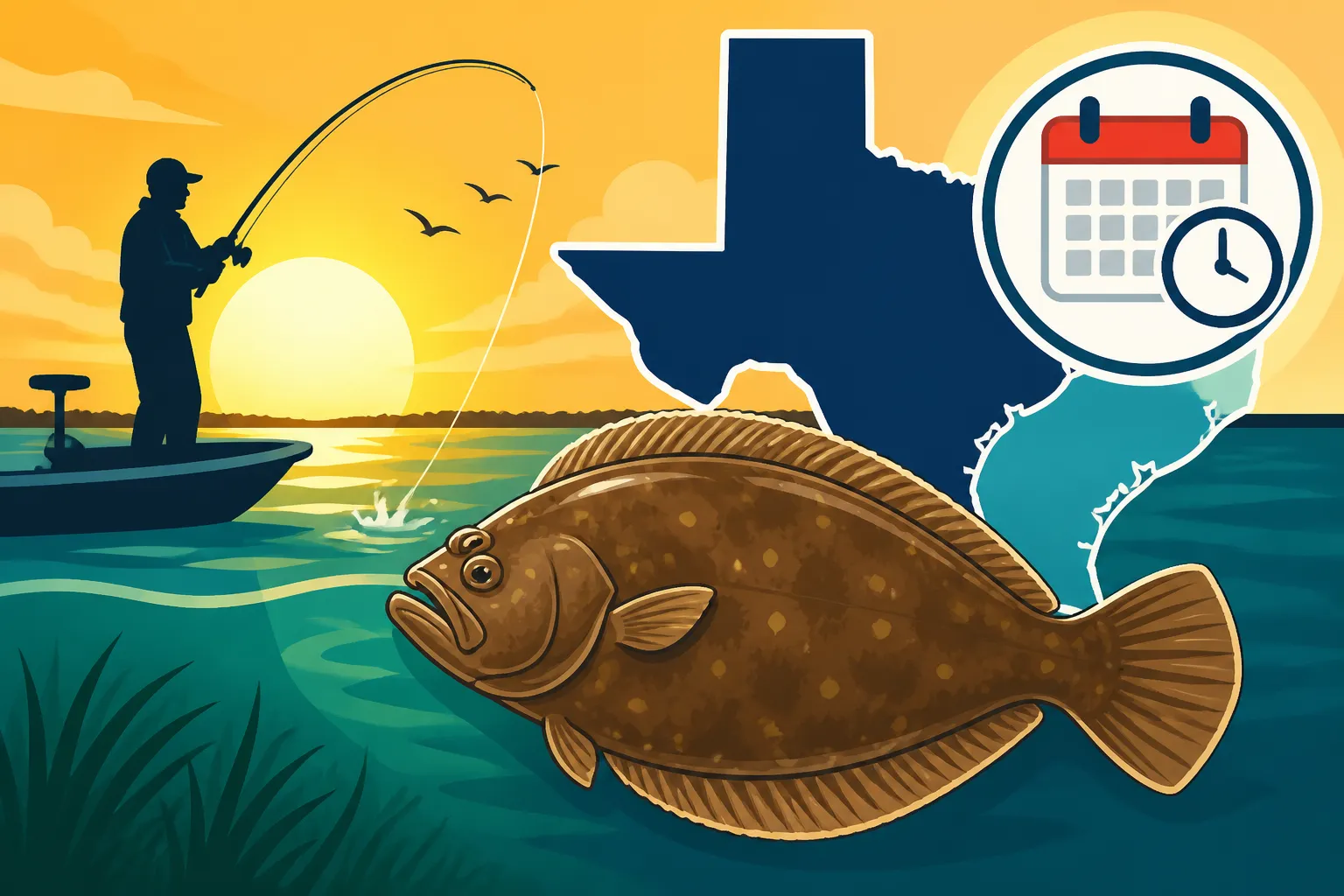
That feeling of dread when you know the Texas flounder season is about to shut down for its critical spawning period is something every dedicated coastal angler understands. You've worked hard all year, waited for those cool fronts, and now you have just a short window left to target these delicious flatfish. Don't worry, this guide is here to help you pinpoint the absolute best times and tactics to bag some impressive flounder before the season officially closes.
Understanding the Texas Flounder Season Closure
Before we dive into the "how-to," it's crucial to understand the "why." The annual flounder closure isn't just a bureaucratic inconvenience; it's a vital conservation measure designed to protect the species during its most vulnerable time.
Why the November Closure is Crucial for Flounder
Flatfish, including our beloved Southern Flounder, undertake an incredible journey each fall. As water temperatures drop, mature flounder migrate from the shallow bays and estuaries out into the deeper waters of the Gulf of Mexico. This mass exodus is their annual spawning run, a critical period where they reproduce, ensuring the next generation of flounder for us all. If you're curious about the specifics, we've got a whole article dedicated to Why is Texas flounder season closed in November.
Protecting flounder during this time is paramount for the long-term health of their population. Imagine thousands of flounder congregating in predictable areas, all focused on one thing: creating more flounder. Without protective measures, overfishing during this concentrated period could decimate their numbers, leading to much stricter regulations down the road, or worse, a severely diminished fishery. Texas Parks and Wildlife Department (TPWD) implements the closure to give these fish the peace and protection they need to successfully spawn offshore. It's a testament to responsible fishery management, even if it does put a temporary halt to our gigging adventures.
What the Closure Means for Anglers
The typical closure period runs through November, often extending into mid-December. During this time, the rules get a bit stricter, especially if you're accustomed to flounder gigging. For the most accurate and up-to-date information, always check the official Texas Flounder Season and Limits from TPWD.
Generally, during the closure, it becomes illegal to possess or gig flounder. This means no lights, no gigs, and no keeping any flounder caught while gigging. However, the good news is that recreational fishing with a rod and reel often remains open, albeit with a reduced bag limit and specific slot sizes. For example, during a typical November closure, the daily bag limit for flounder caught by hook and line might drop to one fish per angler, with specific length limits still applying. This allows dedicated anglers to still try their luck, but with a much greater emphasis on conservation. It's important to be crystal clear on these rules before you head out, as violations can lead to hefty fines and a spoiled fishing trip. No one wants to spend their hard-earned money paying a penalty for not knowing the rules!
Pinpointing the Prime Window for Pre-Closure Flounder Fishing
So, with the closure looming, when is that absolute sweet spot to hit the water for flounder? It's all about timing your trips with the natural rhythms of their fall migration.
The Peak of the Fall Flounder Run
Hands down, the prime window for catching flounder before the season closure is generally from late October through the first couple of weeks of November. This is when the fall flounder run is in full swing. The first significant cold fronts of autumn have usually pushed through, cooling the bay waters and signaling to the flounder that it's time to move. You'll find these fish staging in transition areas, fattening up before their offshore journey. They are actively feeding, making them more susceptible to your baits and lures.
Think of it as their last big meal before a long trip. They are concentrated, hungry, and on the move. Areas like bayou mouths, major passes connecting bays to the Gulf, and the mouths of larger coastal rivers become highways for these migrating fish. If you want to dive deeper into the tactics, check out our guide on How to fish for flounder during the fall run. The key is to pay attention to those weather patterns. A strong cold front that drops water temperatures by even a few degrees can kick off a massive movement of fish.
Tidal Movements and Their Impact
Flounder are ambush predators, and they absolutely love a good falling tide. As the tide recedes, it creates currents that flush baitfish, shrimp, and crabs out of the shallow marshes and into deeper channels, passes, and bayou mouths. This creates a natural buffet line for the waiting flounder.
Look for areas where the current creates eddies or funnels, such as around points, jetties, or submerged structures. These are prime ambush points where flounder will lie in wait, perfectly camouflaged, ready to snap up an easy meal. A strong, outgoing tide, especially in the afternoon after a cool front, can be pure gold for flounder fishing. On the flip side, a slack tide, particularly during an incoming tide, tends to be much slower, as the flounder are less active without the current to bring food to them. Many seasoned anglers plan their entire trip around hitting these key falling tide windows.
Weather Conditions That Trigger Feeding Frenzies
While stable weather can be good, it's often the change in weather that truly gets flounder fired up during the pre-closure period. Specifically, we're talking about those crisp, clear days immediately following a strong cold front. The air temperature drops, the skies clear, and often a brisk north wind blows. These conditions cool the water quickly, which is a major trigger for the flounder migration.
After a front pushes through and the winds begin to lighten, the fishing can be phenomenal. The cooler water temperatures increase the flounder's metabolism and their urgency to feed before heading offshore. Light to moderate winds from the north or northeast are often ideal, as they typically coincide with clearer water conditions and a strong outgoing tide in many Texas bays. Avoid extremely windy days, especially with south or southeast winds, as these can muddy the water, making it harder for flounder to see your bait and for you to feel their subtle bites. Always keep an eye on the forecast and try to time your trips for those post-front windows.
Essential Techniques and Gear for Pre-Closure Flounder
Catching flounder consistently, especially when they're on the move, requires specific techniques and the right setup. It's not always about brute force; often, it's about finesse and feeling that subtle "thump."
Favorite Baits and Lures
When flounder are migrating, they're looking for substantial meals. Live bait is almost always king for these discerning predators.
- Live Bait: Mud minnows (killifish) are a perennial favorite and for good reason. They're hardy, active, and flounder can't resist them. Finger mullet are another excellent choice, especially in areas with good mullet populations. Presenting these on a Carolina rig, slow-dragged along the bottom, is a classic and highly effective method. Make sure your bait is lively; a struggling baitfish is much more enticing to a hungry flounder.
- Artificial Lures: While live bait is hard to beat, artificials can be incredibly productive, especially when flounder are actively feeding. Soft plastic grub tails in chartreuse, white, or new penny colors, fished on a lead head jig, are a go-to. Scented soft plastics, like those from popular brands you might find on Amazon, can also give you an edge, especially in stained water. The key is to keep them on the bottom, mimicking a struggling baitfish or shrimp. Paddle tails and twitch baits can also work when flounder are aggressive. For a more general overview, check out our guide to Best Bait and Lures for Texas Fishing.
Mastering the Flounder Drag
This technique is exactly what it sounds like: slowly dragging your bait or lure along the bottom. Flounder are perfectly camouflaged and lie flat, waiting to ambush prey. Your bait needs to be where they are, and that's usually on the sand, mud, or shell bottom.
To execute the flounder drag, cast your bait or lure out and let it sink to the bottom. Once it's down, engage your reel and retrieve it very slowly. You're not casting and reeling quickly like you would for a redfish. Instead, think of it as a methodical crawl. You want to feel every bump, every shell, every change in bottom composition. The bite often feels like a subtle "thump" or a sudden heaviness. It's rarely a violent strike. When you feel that thump, resist the urge to set the hook immediately. Instead, lower your rod tip, count to two or three, and then set the hook with a firm, sweeping motion. This gives the flounder time to fully mouth the bait before you pull it away. Getting the feel for this technique takes practice, but it's incredibly rewarding once you master it. We've got more detail on Best rigs for flounder fishing that are perfect for this method.
Where to Target Flounder
During the pre-closure run, flounder are on the move, and they'll concentrate in specific areas.
- Jetties and Passes: These are prime highways for migrating flounder. The jetties at Galveston, Freeport, Port Aransas, and South Padre Island are classic spots. Flounder will hold along the rocks, especially on the calmer, downcurrent side, or in the channels leading up to the passes.
- Bayou and River Mouths: Any bayou or river emptying into a bay is a potential flounder hotspot. The outgoing tide here can concentrate bait and create ideal ambush points.
- Deeper Channels and Cuts: As flounder move out, they'll often utilize deeper channels and cuts within the bays to navigate. Look for subtle depth changes or dredged areas.
- Structure: Submerged reefs, old pilings, oyster beds, and even grass lines can hold flounder, offering them cover and ambush opportunities.
Consider exploring locations like those highlighted in our Galveston Bay Fishing Spots or Matagorda Bay Fishing Spots articles, as these often feature excellent flounder habitat.
Maximizing Your Chances: Tips and Best Practices
To truly make the most of those precious few weeks before the flounder season closes, a few extra tips can make all the difference between a few bites and a full stringer.
The Importance of Scouting and Timing
You can't just blindly cast and expect success with pre-closure flounder. These fish are creatures of habit and opportunity. Taking the time to scout and time your trips precisely will pay dividends.
- Observe Baitfish: If you see schools of mullet, mud minnows, or shrimp congregating near a pass or bayou mouth, you can bet that flounder are not far behind. Where the bait is, the predators will be. This visual cue is one of the most reliable indicators of a productive spot.
- Monitor Water Clarity: Flounder rely on sight and ambush. Clear to slightly stained water is generally preferred. Heavily muddy water, often caused by strong winds or recent heavy rains, can shut down the bite. Aim for clearer conditions whenever possible.
- Match Your Trip to Tides and Weather: As we discussed, falling tides and post-cold front conditions are key. Use tide charts and weather forecasts religiously. Don't just pick a random Saturday; plan your outing around the optimal window. Even an extra hour on the water during a prime tidal swing can be more productive than an entire day during slack tide. This kind of meticulous planning is what separates consistent flounder catchers from those who just get lucky.
Essential Gear for the Fall Run
Beyond your rod, reel, and bait, a few other pieces of gear will make your pre-closure flounder fishing more comfortable and effective.
- Wading Boots: If you're wade fishing (which is highly recommended for flounder), a good pair of sturdy wading boots is crucial. They'll protect your feet from oyster shells, stingrays, and other hazards while providing necessary grip on slippery bottoms. Many excellent options are available from retailers like Amazon, offering different levels of protection and comfort.
- Wading Belt/Stringer: A good wading belt with a stringer or a small basket is essential for keeping your legal catch fresh.
- Reliable Cooler: Flounder are delicious, and you want to keep them that way. A high-quality cooler filled with plenty of ice is non-negotiable, especially on warmer fall days. Look for options with good insulation that can handle the Texas heat. Again, checking reviews and competitive pricing on Amazon for Best Coolers and Live Wells for Texas Fishing is a smart move.
- Appropriate Rod and Reel Setup: A medium-light to medium power spinning or baitcasting rod, about 6'6" to 7' long, with a sensitive tip, is ideal. Pair it with a reel spooled with 10-15 lb braided line and a fluorocarbon leader (20-30 lb) for increased sensitivity and abrasion resistance. A sensitive rod helps you feel those subtle flounder bites.
Handling Your Catch Responsibly
Once you've landed a flounder, knowing the regulations and how to properly care for your catch is important.
- Verify Regulations: Double-check the current Texas Flounder Minimum Length Limit and bag limits for the specific date you are fishing. These can change, especially during the special closure period. Always carry a measuring device!
- Careful Handling: Flounder have sharp spines, so handle them with care to avoid getting stuck. A fish gripper can be very helpful.
- Keep Them Fresh: Flounder meat is delicate. Get your legal catch on ice as quickly as possible. Bleeding the fish immediately after catching can also improve the meat quality.
- Release Safely: If you catch a flounder that is undersized or you've already met your bag limit, release it gently. Minimize its time out of the water and handle it carefully to give it the best chance of survival.
Fishing for flounder during the pre-closure run is a truly special time on the Texas coast. By understanding their migration patterns, timing your efforts with optimal conditions, and using the right techniques, you can enjoy some fantastic fishing and fill your cooler before the season officially puts a pause on the action.
Disclaimer
This article is for general informational purposes only and does not constitute professional advice. Laws, prices and regulations vary by location and change over time. Consult a qualified professional for guidance on your specific situation.