Best fishing spots to bring young kids in Texas
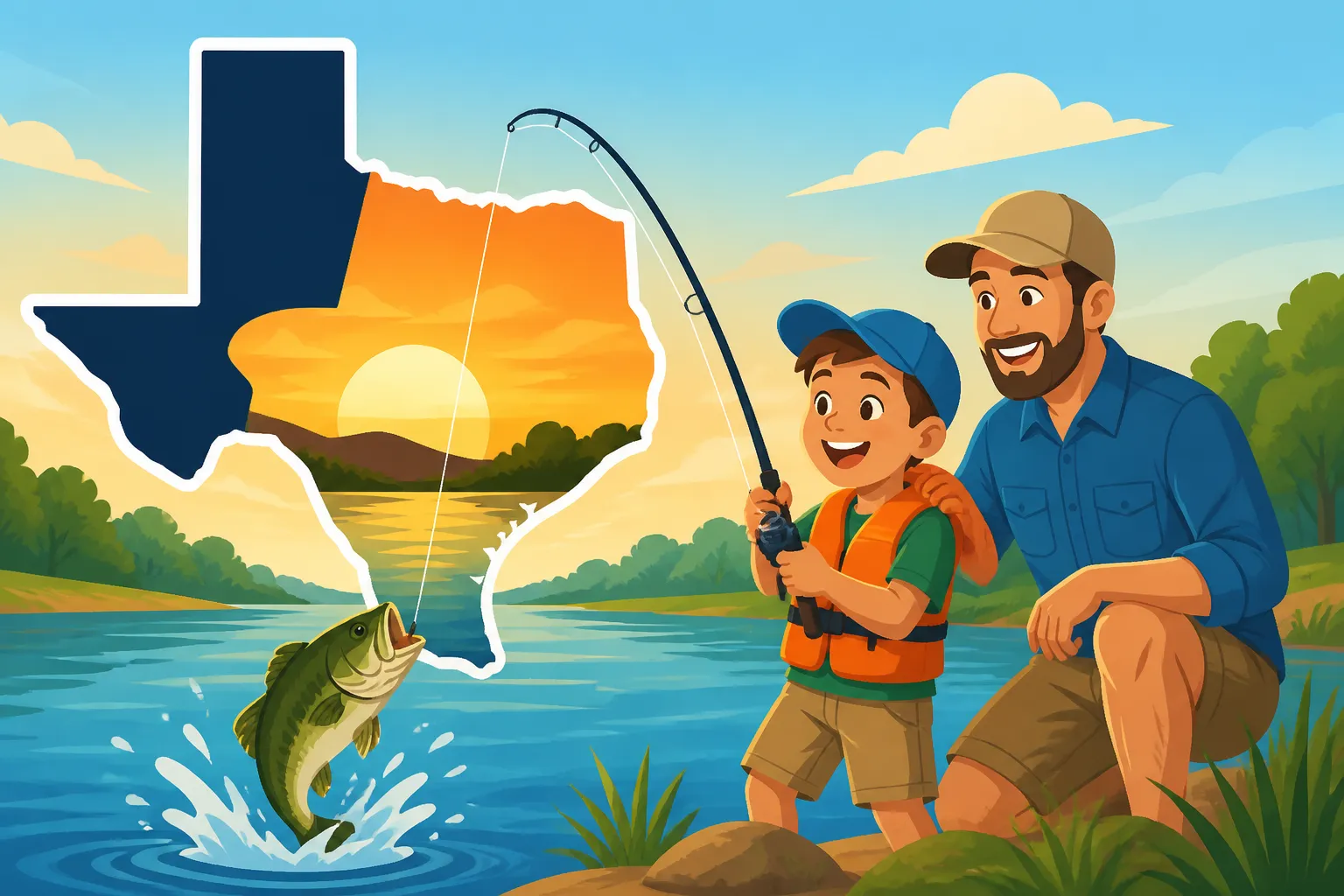
Trying to introduce your little ones to the joys of fishing in Texas can feel like a daunting task, filled with worries about boredom, tangled lines, and whether they'll actually catch anything. It's tough to know where to go when you're looking for that perfect, frustration-free spot where kids can truly experience the magic of reeling in a fish. This guide is all about pointing you to those ideal, kid-friendly fishing havens across Texas, making your next family outing a memorable success.
Why Fishing with Kids is Both Challenging and Immensely Rewarding
Let's be real, taking young kids fishing isn't always a serene, picturesque experience you see in magazines. There are short attention spans, unexpected meltdowns, and a lot of questions about when something's finally going to bite. But despite these hurdles, the moments of pure joy when a child feels that first tug on their line, or the look of wonder as they hold a fish they caught themselves, are absolutely priceless and make every challenge worth it.
The Joys and Hurdles of Angling with Little Ones
Fishing offers so much more than just catching fish for children. It's a fantastic way to connect with nature, develop patience, and learn about the local ecosystem. They get to see critters, hear birds, and feel the breeze, all while engaging in a hands-on activity. However, the initial excitement often gives way to restlessness. Kids are notorious for their short attention spans, and waiting for a bite can feel like an eternity to them. Tangled lines, lost bait, and the sheer effort of casting can also quickly lead to frustration for both the child and the parent. It's a balance of fostering their curiosity while managing the inevitable bumps in the road.
Setting Realistic Expectations for Your Family Trip
One of the biggest mistakes we can make as parents is going into a fishing trip with the same expectations we'd have for our own adult outing. When fishing with young kids, the goal isn't necessarily a full cooler or a trophy catch. Instead, focus on the experience itself. A successful trip might mean they learned to cast a few times without tangling, they saw a turtle, or they simply enjoyed being outdoors for an hour. Don't push them to stay longer than they're interested, and celebrate every small victory, even if it's just baiting their own hook. Remember, you're building a foundation for a lifelong love of the outdoors, not just trying to catch dinner.
What Makes a Fishing Spot Truly Kid-Friendly
Not all fishing spots are created equal when you're bringing along the pint-sized crew. A place that's perfect for a seasoned angler might be a total nightmare for a family with a toddler and a five-year-old. When planning your trip, you need to think beyond just where the fish are biting and consider the overall environment.
Accessibility and Safety First for Little Legs
When you're with young children, easy access is paramount. This means paved paths, short walks from parking to the water, and preferably a dock or pier that provides a stable, safe platform for fishing. Steep banks, rocky shores, or areas with dense brush can be tripping hazards and make it difficult to keep an eye on everyone. Look for spots with clear sightlines and minimal obstructions. Safety is also about the water itself – avoiding strong currents, deep drop-offs right at the edge, and boat traffic that could be disruptive or dangerous. Many of the best spots offer railings or controlled access points, providing an extra layer of peace of mind.
Abundant Fish and Easy Catches to Keep Them Engaged
Let's be honest, nothing kills a kid's enthusiasm faster than hours of no bites. The best kid-friendly spots are those known for having a high density of easy-to-catch species. Think panfish like bluegill and sunfish, or stocked rainbow trout during cooler months. These smaller fish are often more cooperative and provide frequent action, which is crucial for maintaining a child's interest. A quick bite, even if it's a small fish, delivers that instant gratification that keeps them wanting to try again. The Texas Parks and Wildlife Department's (TPWD) stocking programs often target these types of fish in urban and suburban ponds specifically for youth and beginner anglers.
Amenities and Comfort for the Whole Family
Beyond the fishing itself, consider the amenities that will make your outing comfortable. Shade is incredibly important, especially during the hot Texas summers. Picnic tables, restrooms, and even playgrounds nearby can turn a fishing trip into a full family adventure. Having a place to sit, eat a snack, or let off some steam before or after fishing can dramatically improve the overall experience. Some parks even have bait and tackle shops on-site, which is super convenient if you forget something or run out of worms. Remember, a happy child (and a comfortable parent) makes for a much more enjoyable day for everyone. You might even consider booking a family-friendly charter through a service like FishingBooker to leverage their expertise and facilities.
Top Freshwater Spots for Young Anglers
Texas boasts an incredible array of freshwater fishing opportunities, and many are perfectly suited for families looking to introduce their kids to the sport. These spots prioritize safety, accessibility, and, most importantly, the chance to actually catch some fish!
Neighborhood Fishin' Program Ponds
The TPWD's Texas Neighborhood Fishin' program stocked lakes is a true gem for families. These are typically small, easily accessible ponds located in urban and suburban parks across the state, specifically managed for high catch rates. They are regularly stocked with channel catfish during warmer months and rainbow trout in the fall and winter, ensuring there are plenty of fish to go around. The beauty of these ponds is their simplicity: often with paved banks, fishing piers, and amenities like restrooms and playgrounds, they're designed with family outings in mind.
You don't need fancy gear here; a simple rod and reel, some worms or corn, and a bobber are usually all it takes. The fish are often hungry and less wary, making it much easier for kids to get bites quickly. This quick action is key to keeping young anglers engaged and excited. It's a low-stress environment where the focus is entirely on fun and fostering that initial spark for fishing. Before you head out, be sure to check the specific regulations for these ponds, as they often have unique rules regarding daily limits and fishing methods.
State Parks with Stocked Lakes and Calm Waters
Texas State Parks are another fantastic resource for family fishing, many of them offering serene lakes and ponds perfect for kids. Parks like Inks Lake State Park or Tyler State Park feature calm, clear waters, easy bank access, and sometimes even designated fishing piers. The TPWD often stocks these park lakes with various species, including sunfish, catfish, and sometimes even trout, increasing the chances of a successful outing. You can even find opportunities for Free Shoreline Fishing at Texas State Parks, which is a huge bonus.
What makes state parks so great for kids is the combination of fishing with other outdoor activities. After an hour of casting, kids can explore hiking trails, enjoy a picnic, or play on a playground. This variety helps prevent boredom and keeps the overall experience positive. Plus, many parks have helpful staff who can offer tips or information about current fishing conditions. You'll still need to be aware of Texas Freshwater Fishing Regulations and ensure you have your Texas Fishing License Requirements Explained sorted before you arrive.
Specific Larger Lakes with Protected Coves
While vast reservoirs can seem intimidating, many large Texas lakes have specific areas, particularly protected coves or designated "no-wake" zones, that are ideal for family fishing. Lakes such as Lake Conroe, Lake Grapevine, or Canyon Lake offer numerous public parks and access points with calm, shallow waters where kids can safely cast from shore or a dock. These coves often hold various species, from sunfish and small bass to catfish, especially around submerged brush or vegetation.
Consider researching specific lake parks – for instance, Scott and White Park on Lake Belton often provides shaded areas and easy access. Utilizing resources like a local fishing guide or checking online forums can help you pinpoint these hidden gems within larger lake systems. Even if you don't own a boat, many of these larger lakes have marinas where you can rent a small pontoon boat for a few hours, providing a different perspective and access to more secluded spots, making it an adventure for the whole family. If you're looking for a guided experience, platforms like FishingBooker can help you find family-friendly charters on these larger lakes.
Coastal Adventures for the Family Angler
The Texas Gulf Coast offers a completely different, yet equally exciting, fishing experience for families. The salty air, the sound of waves, and the chance to catch a completely different array of species can be incredibly captivating for kids.
Fishing Piers and Jetties
Fishing piers and jetties are hands-down some of the best spots for introducing kids to saltwater fishing. Places like Galveston's 61st Street Fishing Pier, Bob Hall Pier in Corpus Christi, or the Port Aransas jetties provide a safe, stable platform over the water, eliminating the need for a boat. Many piers have railings for safety, bait shops on-site, and even restrooms and snack bars. The fish here are often abundant and diverse, ranging from speckled trout and redfish to flounder and various panfish.
The constant action of the ocean, whether it's baitfish swimming by or pelicans diving, keeps kids entertained even when the bites are slow. Simple bottom rigs with dead shrimp or squid are usually all you need to get some action. Just be mindful of crowds, especially on weekends, and ensure your kids understand the importance of casting safely. These spots also often offer stunning views of the coast, making for great family photos. You can learn more about specific locations in guides like Best Texas Piers for Fishing Without a Boat.
Calm Bay Waters and Protected Coves
For those with access to a small boat or who enjoy wade fishing in very shallow, protected areas, the calm bay waters of the Texas coast are fantastic. Areas within Galveston Bay, Matagorda Bay, or Aransas Bay, particularly around sandy bottoms and seagrass beds in very shallow coves, can be excellent for young anglers. Here, kids can often spot marine life, wade in the warm, shallow water, and cast for small redfish, flounder, and speckled trout.
The key here is calm and shallow. You want areas where there's minimal boat traffic and where the water is only knee-deep or less, providing a safe environment for splashing and casting. Using live shrimp under a popping cork is an incredibly effective and exciting way for kids to catch fish in these areas. You'll want to be familiar with Texas Saltwater Fishing Regulations and local Texas Fish Bag and Length Limits for the species you might encounter. A good resource for finding these calmer areas can be a local guide or even a family fishing charter found on platforms like FishingBooker, where captains specialize in taking beginners and children.
Dedicated Family Beaches with Fishing Access
Some Texas beaches offer designated areas where fishing is permitted and encouraged, often alongside amenities that cater to families. Think of some of the calmer, less crowded stretches of beach in places like Port Aransas or North Padre Island. Here, kids can cast into the surf for whiting, pompano, or even smaller redfish, while simultaneously enjoying building sandcastles or splashing in the waves.
The beauty of beach fishing with kids is the multi-activity aspect. They can fish for a bit, take a break to play in the sand, and then come back to fishing. Look for beaches with easy access to restrooms and shade if possible, and always bring plenty of water and sunscreen. Simple surf rods with bottom rigs and shrimp or fish bites work wonderfully here. Just be mindful of tides and any specific local regulations regarding vehicle access or protected areas.
Making Every Kid's Fishing Trip a Resounding Success
It's not just about where you go; it's also about how you approach the trip. A few simple strategies can turn a potentially frustrating outing into a cherished memory, regardless of how many fish end up in the cooler.
Right Gear and Simple Techniques for Little Hands
The right gear makes a huge difference. Forget about complex baitcasters or heavy offshore rods. For young kids, a simple spincast rod and reel combo (often called a "push-button" reel) is perfect. They are easy to operate, less prone to tangles, and designed for smaller hands. Load it with 6-10 lb monofilament line, and keep your tackle simple: small hooks (size 6 or 8), a few bobbers, and some split shot weights. Earthworms, corn, or small pieces of hot dog work wonders for baiting panfish and catfish.
Focus on fundamental, easy techniques. Start with still fishing under a bobber near structure like docks, brush piles, or lily pads. This is less about casting accuracy and more about watching the bobber, which can be incredibly exciting for kids. Teach them how to hold the rod, how to cast a short distance, and how to gently reel in. You don't need to be an expert to teach these basics, and there are many helpful resources for Beginner Fishing Techniques for Texas Anglers and a comprehensive Beginner Fishing Gear Checklist for Texas.
Snacks, Breaks, and Backup Plans are Your Best Friends
A well-fed, well-rested child is a happy child. Always pack more snacks and drinks than you think you'll need. Hydration is key, especially in the Texas heat. Schedule regular breaks from fishing for stretching, playing, or just observing nature. Sometimes, the most memorable parts of the trip aren't the fish caught, but the bird spotted or the interesting bug found.
Have a backup plan. If the fish aren't biting after a short while and boredom sets in, be prepared to shift gears. This might mean exploring a playground nearby, having a picnic, or simply calling it a day earlier than planned. Don't force the issue; a bad experience can sour them on fishing for years to come. The goal is to make it fun, not a chore.
Focus on the Experience, Not Just the Catch
Ultimately, the most important lesson you can impart is the joy of the outdoors and the process of fishing, rather than the pressure of catching a trophy. Celebrate every cast, every nibble, and every moment spent together. Talk about the different kinds of fish you might catch, the ecosystem, and the importance of conservation. Look for tadpoles, skip rocks, or simply enjoy the quiet moments.
If you do catch a fish, teach them how to handle it gently, identify its species, and the importance of following Texas Fish Bag and Length Limits and ethical release practices if you're not keeping it. The memories of spending quality time with family, learning new skills, and connecting with nature will last far longer than the memory of any particular fish caught. Consider trying a Texas Free Fishing Day for a no-pressure introduction to the sport. It's truly about the adventure, the learning, and the invaluable time spent together outdoors.
Conclusion
Bringing young kids fishing in Texas can be one of the most rewarding experiences a family can share. By choosing the right spots that prioritize accessibility, safety, and a good chance of action, and by approaching the trip with realistic expectations and a focus on fun, you can create lasting memories and perhaps even spark a lifelong passion for angling in your children. Texas offers a wealth of incredible locations, from urban Neighborhood Fishin' ponds to serene State Park lakes and bustling coastal piers, all waiting for your family to cast a line.
Disclaimer
The information provided in this guide is for general informational purposes only and does not constitute professional advice. Fishing regulations, conditions, and park amenities can change. Always check the latest regulations from the Texas Parks and Wildlife Department and local park rules before planning your trip. Fishing involves inherent risks; please exercise caution and ensure proper safety measures, especially when fishing with children.