How weather fronts affect saltwater fishing on the coast
Oh, the Texas coast! There's nothing quite like the salty air, the cry of gulls, and the anticipation of a tug on your line. But let's be real: sometimes Mother Nature throws a curveball, and a sudden weather front can completely throw off your well-laid fishing plans, leaving you scratching your head and wondering where all the fish went. It's a universal frustration for coastal anglers. This guide is here to demystify how these atmospheric shifts impact our saltwater fishing and, more importantly, how you can still find success, even when the weather isn't picture-perfect.
The Unseen Force: How Weather Fronts Influence Coastal Fisheries
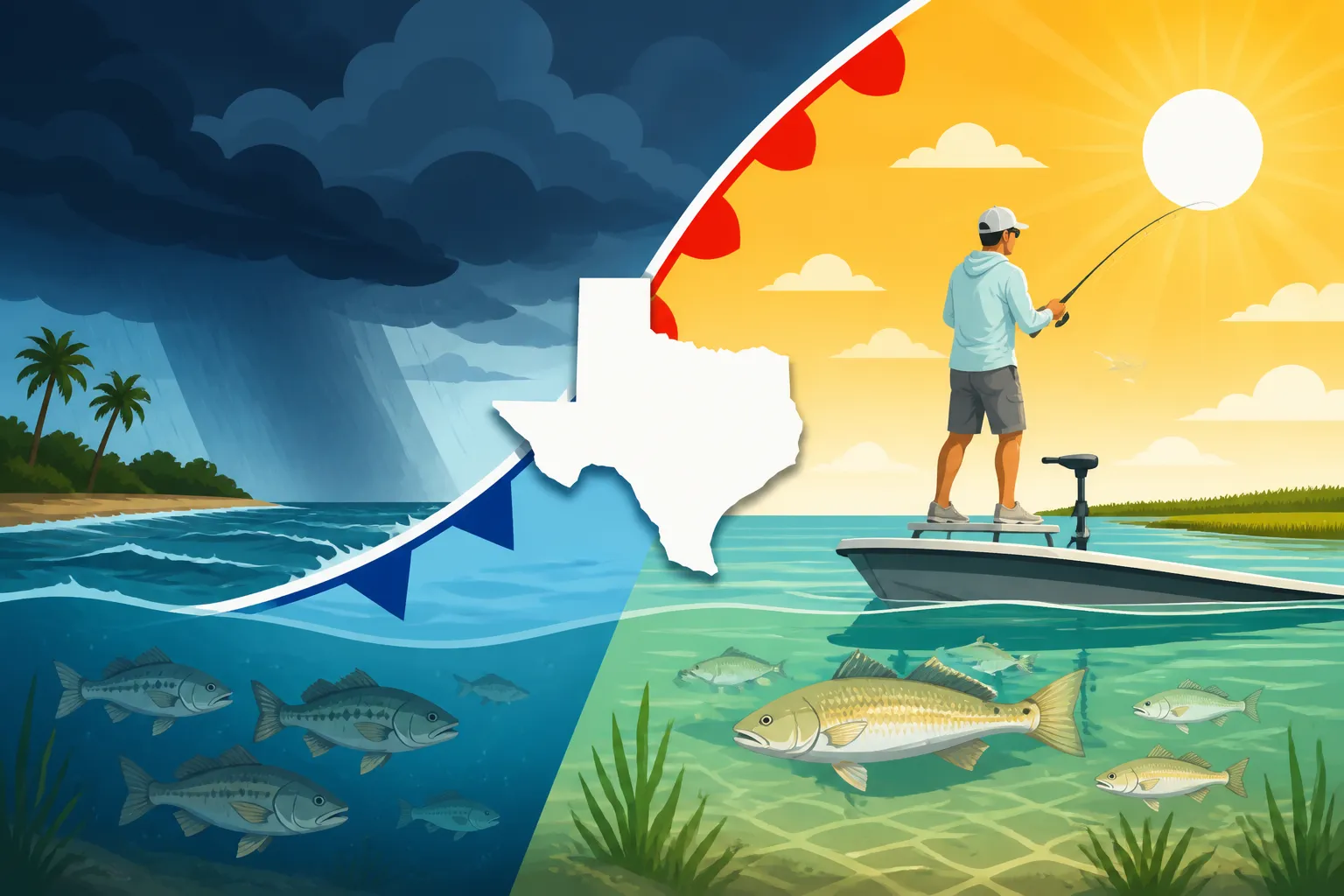
When we talk about weather fronts, it's easy to just think about the wind and rain they bring. But for fish, especially those in our shallow Texas bays and estuaries, these fronts are a massive, multi-sensory event that directly impacts their comfort, feeding patterns, and where they choose to hang out. It's not just about getting wet; it's about fundamental changes in their environment.
Barometric Pressure: The Hidden Driver of Fish Behavior
One of the most significant, yet often overlooked, factors is barometric pressure. Think of it like this: fish have a swim bladder, which is basically an internal air sac that helps them regulate their buoyancy in the water column. When a front rolls in, especially a strong cold front, the atmospheric pressure drops dramatically, then often rises sharply after the front passes. These pressure changes directly affect a fish's swim bladder, causing discomfort or at least a need to adjust.
Before a front, as pressure falls, many fish species, like redfish and speckled trout, often experience what we call a "feeding frenzy." They sense the impending change and instinctually feed aggressively, knowing that comfortable feeding opportunities might be scarce for a while. It's their biological clock telling them to fill up while the going is good. After a strong front, with high, stable pressure, fish often become less active, sometimes "lock-jawed," because that sudden increase in pressure can make them uncomfortable, driving them deeper or into tighter cover where they feel more secure. Understanding this pre-front bite is absolutely critical for savvy anglers.
Temperature Swings and Salinity Shifts: Shaking Up the Ecosystem
Weather fronts, particularly cold fronts, don't just bring pressure changes; they usher in new air masses that significantly impact water temperature. Our shallow Texas bays, like Galveston Bay or Aransas Bay, are especially susceptible to rapid temperature drops after a strong norther. Fish, being cold-blooded, are highly sensitive to these changes. A sudden drop of even a few degrees can send them seeking warmer, more stable water, often deeper channels, dark mud bottoms that absorb heat, or areas near power plant outflows.
Beyond temperature, fronts can also influence salinity. Strong winds associated with fronts can push massive amounts of freshwater from river systems into bays or, conversely, push higher salinity Gulf water further into the estuaries. Fish have preferred salinity ranges, and a drastic change can push them out of an area or make them uncomfortable, impacting their feeding drive. Furthermore, strong winds can stir up bottom sediments, turning previously clear water into murky chocolate milk, which affects sight feeders like redfish and forces them to rely on other senses to hunt.
Decoding Different Fronts and Their Coastal Impact
Not all weather fronts are created equal, and understanding the nuances of each type can significantly improve your chances of success on the water. A gentle warm front will have a very different effect than a roaring blue norther.
The Infamous Cold Front: Feast or Famine
The cold front is perhaps the most notorious weather event for Texas saltwater anglers. These fronts are characterized by a sudden drop in temperature, usually accompanied by strong winds shifting from south to north, and often followed by clear, calm, and much colder conditions. The immediate impact is usually a rapid pressure drop before the front, which often triggers that aggressive feeding window. This is your prime opportunity to target active fish. Anglers who pay attention to forecasts and get out just as the pressure begins to fall can often experience incredible action.
However, once the front passes, the post-front conditions can be brutal. The air temperature plummets, often bringing sustained strong north winds that can drop water temperatures rapidly and churn up the bays. Fish become lethargic and seek refuge in deeper water, protected channels, or areas with dark mud bottoms that retain heat. They're not actively chasing bait and will require slower, more subtle presentations. It might feel like the fish have vanished, but they're just hunkered down, waiting for conditions to stabilize. This is when patience and a willingness to adjust your techniques become paramount. How to Catch Speckled Trout in Winter delves into specific tactics for these colder conditions. If you're going to brave the elements, make sure you're prepared with warm layers. I often find myself doing a last-minute order on Amazon for an extra base layer or a good windproof jacket to stay comfortable out on the water.
The Subtle Warm Front: A Welcome Change
In contrast to cold fronts, warm fronts generally bring rising temperatures, often a shift in winds from east to south, and can sometimes be accompanied by light rain or overcast skies. For coastal fishing, especially during the cooler months, a warm front is often a welcome event. The rising temperatures can revitalize sluggish fish, bringing them out of their deeper haunts and increasing their activity levels.
The key here is stabilization. As the water warms gradually and the pressure rises steadily (rather than sharply), fish tend to become more comfortable and willing to feed. Baitfish also become more active, drawing predators out into shallower waters. You might find a more consistent bite during and after a warm front, making conditions more predictable and enjoyable. This is a great time to focus on areas that have been dormant during a cold spell, as fish will be moving back into their preferred feeding grounds.
Other Atmospheric Movers: Squalls and Stationary Fronts
While cold and warm fronts are the big players, other weather systems can also affect your coastal fishing. Localized squall lines or thunderstorms can bring intense, but often short-lived, changes. The sudden drop in pressure and heavy rain can temporarily shut down a bite, but once they pass, the air usually clears, and fishing can quickly resume, sometimes even stronger due to the temporary shock.
Stationary fronts, where two air masses meet but neither advances, can create prolonged periods of unstable or overcast weather. This can lead to a consistent, albeit sometimes slow, bite as fish might be a bit more accustomed to the steady pressure. The key with these is often subtle changes in wind direction or minor temperature fluctuations that might trigger short feeding windows. Observing these subtle cues, even more than with major fronts, can be the difference between a few bites and a slow day.
Strategies for Angling Through the Atmospheric Rollercoaster
Knowing how fronts impact fish is one thing; knowing how to adapt your fishing strategy is another. It's all about playing the percentages and understanding when to go hard and when to dial it back.
Before the Front Hits: The "Feed-Up" Frenzy
This is often the golden window of opportunity. As a strong cold front approaches and the barometric pressure begins to fall, fish sense the change and often go on an aggressive feeding binge. They need to pack on calories before the difficult post-front conditions set in. This pre-front period is when you want to be on the water, targeting active fish.
- Aggressive Presentations: Don't be afraid to throw larger baits or work your lures faster. Topwater lures can be incredibly effective during this time, creating a commotion that draws strikes from actively feeding fish.
- Target Primary Foraging Areas: Fish will often be pushed into shallower flats, oyster reefs, or grass lines where baitfish are abundant. Think about areas where they can easily ambush prey. Texas Saltwater Fishing Techniques offers some great insights into these active periods.
- Time is Critical: This window can be short, sometimes just a few hours before the front officially arrives. Check your local forecasts diligently and try to time your trip to coincide with the falling pressure. If you realize you're missing a key lure, a quick order through Amazon might get it to you just in time for the next pre-front bite.
During and Immediately After: Adapting and Waiting
Once a strong front passes, especially a cold one, the fishing can become significantly tougher. The fish are often lethargic, uncomfortable, and holding tight to cover. This is not the time for fast retrieves and flashy presentations.
- Slow Down and Downsize: Fish are less likely to chase. Use smaller baits, lighter line, and slow your retrieve to a crawl. Think soft plastics on light jig heads, slowly bumped along the bottom. Live bait, if available, can also be highly effective as it presents an easy meal.
- Target Deeper, Warmer Water: Look for deeper channels, protected guts, or areas with dark, muddy bottoms that absorb solar heat. Fish will congregate here for warmth and security. Piers and jetties can also offer access to deeper water without a boat.
- Find Shelter: Wind direction is key. If the north wind is howling, seek out shorelines or points that offer some protection from the direct wind chop. This creates more stable, calmer water where baitfish might congregate, and predators might feel more secure. Best Tides for fishing Texas bays can provide additional context on how water movement plays a role here.
- Patience is a Virtue: You might not get as many bites, but the ones you do get could be quality fish. Be patient, work areas thoroughly, and don't be afraid to move around until you find a concentration of fish.
Post-Front Recovery: Finding the Feeding Zone Again
As the days progress after a front, conditions will gradually stabilize. Temperatures will slowly rise, and the strong winds will diminish. This is when fish begin to resume their normal feeding patterns and move back into shallower areas.
- Observe and Adapt: Pay attention to water clarity, temperature, and baitfish presence. As the sun warms the water, fish will often move shallower, especially on sun-drenched mud flats or along edges of grass beds.
- Consider Water Color: After a strong blow, some areas might remain muddy for a while. Focus on areas where the water has started to clear. However, sometimes a "mud line" where clear and muddy water meet can be a productive ambush point for predators.
- Gradual Increase in Activity: You'll likely see a gradual increase in fish activity over several days. Start with slower presentations and gradually incorporate more aggressive tactics as the fish show more willingness to chase. This is when those redfish and speckled trout will start feeling comfortable enough to venture out again. For specific targets, check out the Texas Redfish Fishing Guide and Texas Speckled Trout Fishing Guide.
Gear, Safety, and Staying Prepared for Coastal Weather
Being ready for anything the Texas coast throws at you isn't just about catching fish; it's about staying safe and comfortable. Ignoring the weather can lead to a miserable, or even dangerous, day.
Essential Gear for Variable Conditions
Texas weather is notoriously unpredictable, especially along the coast. One minute it's calm and sunny, the next a squall rolls in. Having the right gear isn't a luxury; it's a necessity.
- Layered Clothing: This is your best friend. Start with a moisture-wicking base layer, add insulating layers, and top it off with a waterproof and windproof outer shell. Even in warmer months, a light rain jacket can be a lifesaver. Best Rain Gear for Fishing the Texas Coast offers detailed advice.
- Sun Protection: Even on cloudy days or in cooler weather, the sun's UV rays reflecting off the water can be intense. Wide-brimmed hats, polarized sunglasses (crucial for spotting fish in clear water), and SPF clothing are a must.
- Reliable Electronics: A good marine weather app on your phone, a handheld VHF radio, and if you're on a boat, a dependable GPS and fish finder, can give you real-time information and help you navigate changing conditions. Many anglers use a compact weather radio, easily found on Amazon, for boat-based forecasts.
- Hydration and Snacks: Always bring more water than you think you'll need, especially in the Texas heat. Fishing through changing weather can be physically demanding.
Navigating Coastal Waters Safely
Your safety, and the safety of anyone fishing with you, should always be your top priority. Weather fronts can quickly turn calm waters into treacherous seas.
- Check the Forecast (Often): Don't just check it the night before. Check it again right before you leave, and keep an eye on rapidly changing conditions throughout the day. Pay attention to wind speed and direction changes, as well as marine advisories.
- Know Your Limits and Your Boat's Limits: If the forecast calls for conditions beyond your comfort zone or your vessel's capability, it's always better to stay home or find a more sheltered spot. A strong crosswind can make navigating a small bay boat incredibly challenging, even dangerous.
- File a Float Plan: Let someone know where you're going, when you expect to return, and who is with you.
- Required Safety Equipment: Ensure your boat has all the necessary safety equipment, including life jackets for everyone on board, a fire extinguisher, signaling devices, and a first-aid kit. Understanding Texas Boat Safety Equipment Requirements is vital for all boaters.
Reading the Signs: Beyond the Forecast
While modern forecasts are invaluable, becoming adept at reading the subtle signs of nature can give you an edge. The fish are already reacting to these changes, and so should you.
- Wind Direction and Strength: A shift from a southerly breeze to a strong northerly wind is the most obvious sign of a cold front. Observe how the wind is affecting the water; whitecaps and choppy conditions will make fishing difficult.
- Cloud Formations: Pay attention to rapidly developing dark clouds, especially to the west, which could signal an approaching squall. High, wispy cirrus clouds can sometimes precede a major frontal system.
- Baitfish Activity: Before a front, baitfish might be more scattered and active, a reflection of the predatory fish below them feeding up. Post-front, they might be tightly schooled and hugging bottom for protection.
- Water Color and Clarity: Notice any rapid changes in water color. Is it getting murkier from wind-driven sediment? Or perhaps suddenly clearer after heavy rains have diluted the bay?
By integrating these observations with your forecast, you'll develop a holistic understanding of the conditions and be better equipped to make smart decisions on the water, turning what could be a frustrating day into a successful one. For general planning, a good look at the Best Time of Year to Fish in Texas can also help set expectations.
| Front Type | Pre-Front Fishing | Post-Front Fishing | Key Strategy |
|---|---|---|---|
| Cold Front | Aggressive bite, active fish, falling pressure. | Slow bite, lethargic fish, rising/high pressure. | Go aggressive early; slow down, go deep, seek shelter late. Look for the "feed-up" window. |
| Warm Front | Steady bite, rising temps and pressure. | Consistent bite, stabilized conditions. | Maintain consistent techniques. Fish become more comfortable; focus on preferred habitat. |
| Squall Line | Variable, potential short pre-storm activity. | Temporary shutdown, then often rapid recovery. | Seek shelter, then resume quickly. Fish often react to the immediate pressure drop and then rebound. |
| Stationary | Consistent but potentially slow, stable pressure. | Consistent but potentially slow, stable pressure. | Observe subtle cues (wind shifts, minor temp changes). Focus on thorough coverage of productive areas. |
Navigating the ever-changing coastal weather can certainly add a layer of challenge to Texas fishing, but it also adds to the adventure! By understanding how barometric pressure, temperature, and salinity shifts impact our beloved redfish and trout, you're already ahead of the game. Learning to read the signs, preparing your gear, prioritizing safety, and adapting your techniques to the conditions, whether it's a pre-front frenzy or a post-front grind, will undoubtedly lead to more successful and enjoyable days on the water. So, next time a front threatens your plans, don't despair – arm yourself with knowledge and go make some memories!
Disclaimer
This article is for general informational purposes only and does not constitute professional advice. Laws, prices and regulations vary by location and change over time. Consult a qualified professional for guidance on your specific situation.