Is the Rio Grande cichlid native to Texas
For many anglers casting a line in Texas waters, spotting a vibrant, colorful fish that doesn't quite look like a typical bass or sunfish can spark a moment of wonder and a question: "What in the world is that?" If that fish turns out to be a Rio Grande cichlid, it’s natural to wonder if this exotic-looking species truly belongs here, or if it's an introduced anomaly. This guide is here to settle that question once and for all, diving deep into the fascinating story of this unique Texas resident and helping you understand its place in our aquatic ecosystems.
The Rio Grande Cichlid: A True Texas Native
It's a common misconception that all cichlids found in North America are invasive species. After all, many of the cichlids we encounter in the aquarium trade or in warmer climates across the U.S. were introduced from other parts of the world. But the Rio Grande cichlid (Herichthys cyanoguttatus), often affectionately called "Texas cichlid," breaks that mold. This beautiful, resilient fish is, in fact, one of only two cichlid species truly native to the United States (the other being the Everglades cichlid in Florida). It's a source of pride for many Texas anglers to know that such an interesting and visually striking fish has always called our rivers and streams home.
Its True Texan Roots
The Rio Grande cichlid's native range is centered right here in Texas. Its presence is not the result of accidental release from an aquarium or an intentional stocking program from another continent. This species has been swimming in our waters for millennia, evolving and adapting to the unique conditions of Texas's aquatic environments. Its historical presence is well-documented in ichthyological studies and historical accounts of Texas fish fauna, confirming its deep roots in the state's natural heritage. Unlike many of its cichlid relatives from Central and South America, the Rio Grande cichlid is remarkably tolerant of cooler water temperatures, which has allowed it to thrive in parts of Texas where other cichlids might struggle.
This inherent hardiness and adaptability are key to its success as a native species. It’s not just surviving; it’s an integral part of the ecosystem, playing a role in the food web and interacting with other native species. When you catch a Rio Grande cichlid, you're not just catching a fish; you're connecting with a piece of Texas's natural history that has persisted long before human settlement shaped the landscape. Its vibrant colors and feisty demeanor are a testament to its long evolutionary journey within the Lone Star State.
Beyond the Rio Grande: Where Else They're Found
While its name explicitly mentions the Rio Grande, its native distribution within Texas extends far beyond just that iconic river basin. You'll primarily find these cichlids in the Rio Grande basin, stretching up into the lower Pecos River, and across the watersheds of the Nueces, San Antonio, Guadalupe, and Colorado Rivers. These are the historic strongholds where the species has maintained healthy populations. They prefer clear, flowing water with plenty of rocks, submerged vegetation, and undercut banks for shelter and spawning.
However, their range isn't strictly confined to these areas. Due to human activity, particularly through the introduction from fish farms or bait buckets, they have expanded into other systems where they are not historically native. For example, some populations have been documented in parts of the Brazos and Trinity river basins, where they are considered established but are outside their original range. Anglers might even encounter them in various urban ponds or small lakes, often the result of someone releasing an aquarium pet. This spread can complicate the narrative of a "native" species, but it's crucial to remember that their original and primary home is unequivocally South Central Texas. Understanding this distinction helps in appreciating their true native status while also acknowledging the impact of human-mediated dispersal. Rio Grande Cichlid Native Range in Texas offers a more detailed look at their specific geographical strongholds.
Identifying the Rio Grande Cichlid: What to Look For
Spotting a Rio Grande cichlid is often an exciting moment for anglers, thanks to its distinct appearance. They don't look like your typical sunfish, nor do they perfectly resemble the invasive cichlids that sometimes pop up in Texas waters. Knowing what to look for can help you appreciate this unique native species and avoid misidentifying it.
What Makes a Rio Grande Cichlid Stand Out
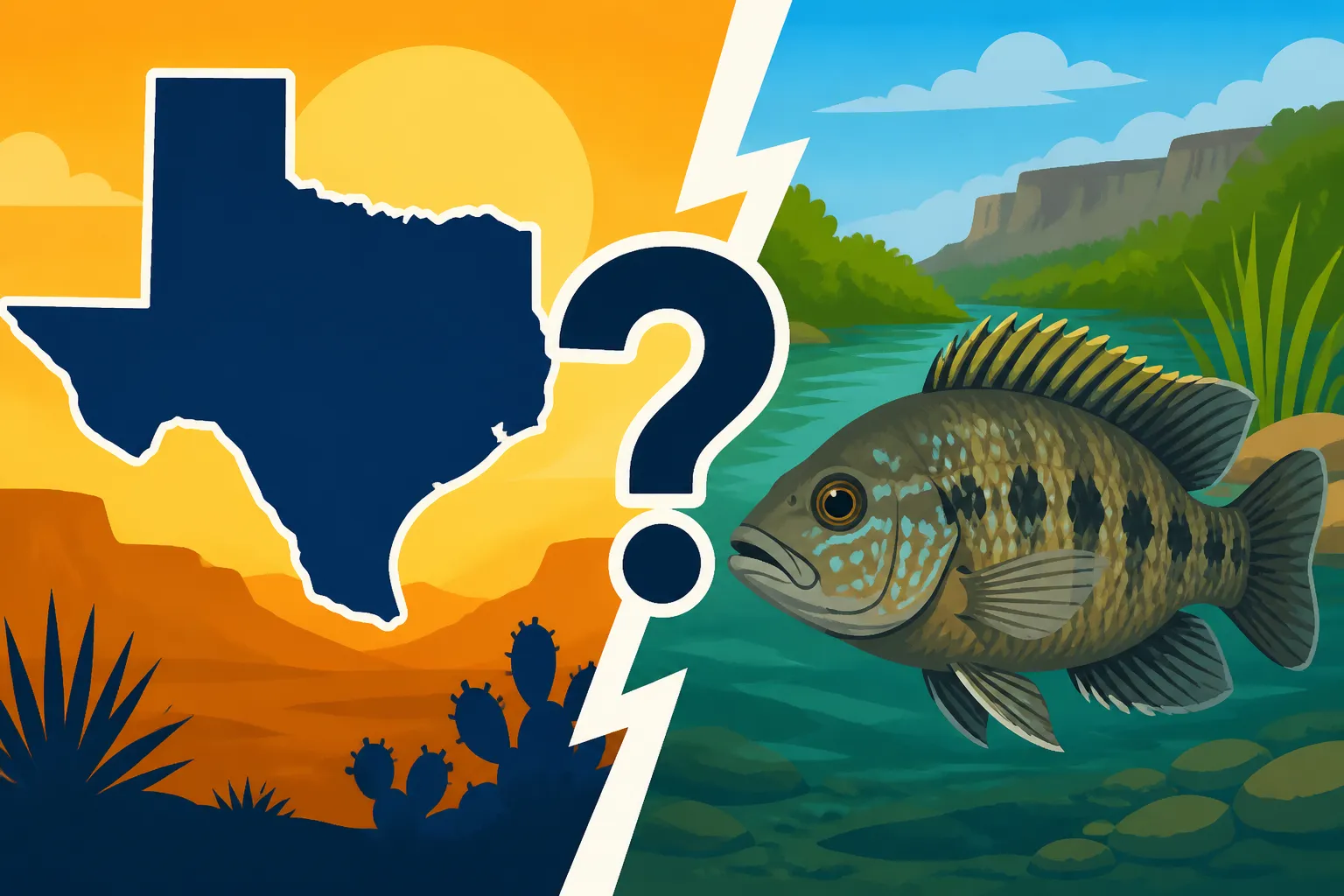
The most striking features of the Rio Grande cichlid are its vibrant coloration and robust body shape. Adults typically exhibit a beautiful grayish-blue to olive-green body, adorned with numerous iridescent blue-green spots that shimmer in the sunlight. These spots are particularly prominent on the head, gill covers, and fins, giving the fish a jewel-like appearance. They also have a series of dark, irregular blotches or bars along their sides, often forming a distinct pattern that can be quite variable from fish to fish.
During spawning season, both males and females undergo an incredible transformation, becoming even more intensely colored. Their bodies darken significantly, often appearing almost black, and the iridescent blue spots become brilliantly highlighted, creating a stunning contrast. Males, in particular, may develop a pronounced nuchal hump (a fatty growth on the forehead) during this period, signaling their readiness to breed. This dramatic color change is a clear indicator of their cichlid lineage, as many cichlid species display similar breeding coloration. You can often see these beautiful fish darting around rocky structures or near dense vegetation, a sight that truly stands out in Texas waters.
Distinguishing it from Look-alikes
While unique, the Rio Grande cichlid can sometimes be confused with other fish, especially smaller sunfish species or other introduced cichlids. Here’s how to tell them apart:
- Sunfish (like Bluegill or Longear Sunfish): Sunfish generally have a more compressed, disc-like body shape and lack the iridescent blue spots that characterize the Rio Grande cichlid. Their gill plates might have colorful markings, but they won't have the overall spotted pattern. Sunfish also typically lack the prominent mouth structure common to cichlids, which is often used for sifting through substrate.
- Other Cichlids (e.g., Tilapia, Jaguar Cichlid): This is where it gets trickier, as many non-native cichlids have been introduced to Texas. Tilapia, for instance, tend to have a deeper body and often a less vibrant, more uniform coloration, though some species can have barring. Jaguar cichlids are known for their distinct blotchy, almost "jaguar-like" pattern, but their spots are typically darker and less iridescent than the Rio Grande cichlid's blue-green gems. The key is to look for that specific combination of iridescent blue-green spots and irregular dark blotches on a robust body. If you're looking to purchase a small lure kit or a field guide to help with identification, checking out options on Amazon can provide a wide variety of choices to suit your needs.
Here’s a quick comparison table to help differentiate:
| Feature | Rio Grande Cichlid (Native) | Bluegill (Native Sunfish) | Tilapia (Common Invasive Cichlid) |
|---|---|---|---|
| Body Shape | Robust, oval, slightly compressed | Deep, very compressed, disc-like | Deep, oval, sometimes more elongated |
| Coloration | Gray-blue/olive with iridescent blue-green spots | Olive green/blue with faint bars, orange belly | Gray/silver, sometimes faint bars/blotches |
| Distinct Markings | Irregular dark blotches/bars on sides | Small black opercular flap | Often a dark spot at base of dorsal fin |
| Mouth | Terminal, often thicker lips | Small, slightly upturned | Small to medium, often downturned |
| Dorsal Fin | Spiny and soft rays continuous | Spiny and soft rays continuous, often notched | Spiny and soft rays continuous |
| Breeding Color | Dark body, brilliant blue spots, male hump | Darker, vibrant orange/red on male breast | Males can darken, develop red/orange |
Habitat and Behavior: Life in Texas Waters
Understanding where and how Rio Grande cichlids live provides valuable insights into their ecological role and how to best appreciate them as anglers. Their preferences in habitat and unique behavioral traits make them truly stand out.
Preferred Waters and Environments
Rio Grande cichlids are incredibly adaptable, but they certainly have their favorite spots. They thrive in fresh, clear, and relatively warm waters, typically found in rivers, creeks, and even some reservoirs. Unlike many other Texas species that prefer soft, muddy bottoms, these cichlids have a strong affinity for areas with rocky or gravelly substrates. You'll often find them congregating around submerged rocks, fallen timber, undercut banks, and dense aquatic vegetation. These structures provide essential cover from predators and offer prime locations for ambush feeding and nesting.
They are known to tolerate a wide range of flow conditions, from slow-moving pools to faster riffles, demonstrating their resilience. While they are a freshwater species, they can sometimes tolerate slightly brackish conditions, particularly in river estuaries leading to the coast. Their hardiness in varying conditions is a testament to their long history as a native Texan. If you're looking for Texas Rivers for Fishing where you might encounter these fish, consider the Guadalupe, San Marcos, or Colorado Rivers in their lower to middle reaches, as well as the Rio Grande itself.
Spawning and Parental Care
One of the most fascinating aspects of Rio Grande cichlids, and cichlids in general, is their complex and dedicated parental care. Unlike many fish species that simply broadcast their eggs and leave them to fend for themselves, Rio Grande cichlids are doting parents. Spawning typically occurs in the warmer months, from late spring through summer, when water temperatures are consistently warm.
Both male and female participate in preparing a nesting site, which is usually a depression dug into the gravel or sand, often beneath a protective rock or log. The female lays her eggs in this cleaned nest, and the male fertilizes them. What follows is an impressive display of parental dedication: both parents guard the eggs aggressively against any perceived threat, fanning them with their fins to ensure good oxygenation. Once the fry hatch, the parents continue to protect them, often herding the cloud of tiny fish around foraging grounds. They will defend their offspring for several weeks, teaching them to forage and warding off predators. This intense level of parental care contributes significantly to their survival rates in their natural habitat and is a truly remarkable sight if you're fortunate enough to witness it in the wild.
Fishing for the Rio Grande Cichlid
While not typically targeted by anglers in the same way as bass or catfish, the Rio Grande cichlid offers a unique and enjoyable fishing experience, especially for those who appreciate a feisty fight on light tackle. Their aggressive nature, especially during spawning, makes them a fun catch, and they’re also considered quite good to eat by many who catch them.
Best Techniques and Baits
Catching Rio Grande cichlids often involves light tackle and finesse techniques, as they don't usually grow to enormous sizes. A light spinning rod and reel setup, spooled with 4 to 6-pound test line, is ideal. Since they are omnivorous, they will strike a variety of baits and lures.
- Small Lures: Tiny inline spinners, small jigs (especially those mimicking insect larvae or small minnows), and micro crankbaits are highly effective. Bright, flashy colors often get their attention, particularly in clear water. Consider checking out ultralight fishing tackle on Amazon for a wide selection of suitable lures and jigs.
- Flies: Fly anglers can have a blast targeting Rio Grande cichlids. Small nymphs, wet flies, and even tiny streamers that imitate aquatic insects or small baitfish can produce consistent bites.
- Natural Baits: Live baits like small worms, crickets, grasshoppers, or tiny pieces of shrimp are almost irresistible to them. Small pieces of corn or bread can also work, particularly in heavily fished areas where they might be accustomed to such offerings.
- Technique: Focus on areas with cover: rocky outcrops, brush piles, submerged logs, and patches of aquatic vegetation. Cast your bait or lure near these structures and retrieve it slowly. During spawning season, they become incredibly territorial, and a lure presented near a nest can trigger an aggressive, defensive strike. They are known for hitting hard and putting up a surprisingly strong fight for their size, making them a blast to catch on appropriate gear. If you're assembling a Beginner Fishing Gear Checklist for Texas, don't forget to include some ultralight options for species like these.
Regulations and Conservation
The Rio Grande cichlid is a native Texas species, and as such, it falls under general statewide fishing regulations. This means that anyone fishing for them will need a valid Texas Fishing License Requirements Explained. There are no specific length or bag limits for Rio Grande cichlids, but always double-check the latest Texas Parks and Wildlife Department (TPWD) regulations to ensure you're compliant. While they are abundant in their native range, it’s always good practice to exercise responsible angling, especially if you plan to keep them for a meal. Only take what you need and consider practicing catch and release to help maintain healthy populations.
One interesting aspect of their presence is their expansion into non-native river systems. While they are a native species to Texas, their introduction into certain drainages where they historically did not occur can sometimes raise ecological questions. However, they are generally not considered as problematic as some truly invasive species like giant salvinia or certain types of carp. Enjoy catching them, but be mindful of their local context. Learning about Texas Freshwater Fishing Regulations will keep you informed on any general rules that apply to all species. You can find essential fishing accessories like a compact tackle box or fishing line on Amazon to prepare for your trip.
The Unique Place of the Rio Grande Cichlid in Texas
The Rio Grande cichlid is more than just another fish in Texas waters; it's a testament to the state's incredible biodiversity. Its vibrant colors, fascinating parental behaviors, and tenacious fighting spirit make it a truly special species for anglers and nature enthusiasts alike. Its status as a true native dispels common myths about cichlids in North America, highlighting a unique evolutionary story that unfolded right here in the Lone Star State.
Whether you're targeting them specifically or simply stumble upon one while fishing for Texas Largemouth Bass Fishing Guide or Texas Catfish Species Guide, take a moment to appreciate this beautiful and resilient Texan. Understanding their history, how to identify them, and their preferred habitats only adds to the richness of your fishing experience. They remind us that even within familiar waters, there are always new wonders to discover and appreciate. So next time you're casting a line in a clear, rocky Texas stream, keep an eye out for those shimmering blue spots – you might just be looking at a piece of living Texas history.
Disclaimer
This article is for general informational purposes only and does not constitute professional advice. Laws, prices and regulations vary by location and change over time. Consult a qualified professional for guidance on your specific situation.