What saltwater fish are most popular on the Texas coast
When you're looking to cast a line into the vast, beautiful waters of the Texas Gulf Coast, it's easy to feel a little overwhelmed by the sheer variety of marine life. Knowing which fish are the local legends, the ones that consistently make for a thrilling fight or a delicious dinner, can really make a difference in your fishing experience. This guide is here to cut through the confusion and introduce you to the most popular saltwater fish that Texas anglers cherish, helping you understand why they're so sought after and how you can join in the pursuit.
The Big Three: Redfish, Speckled Trout, and Flounder
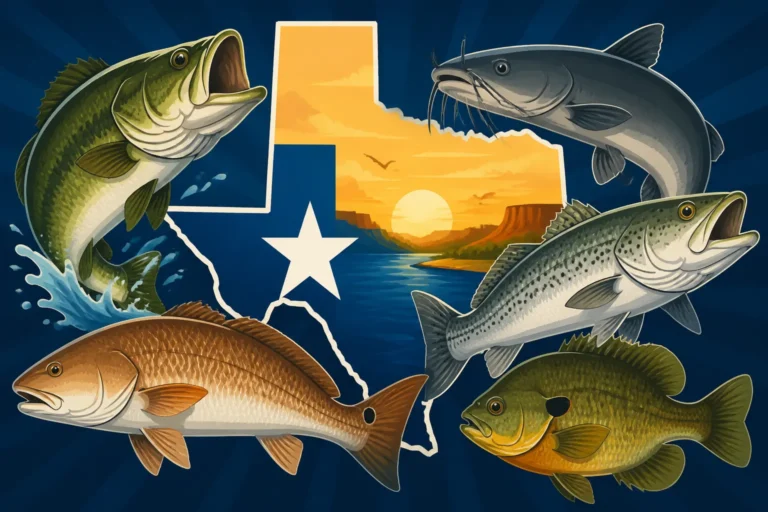
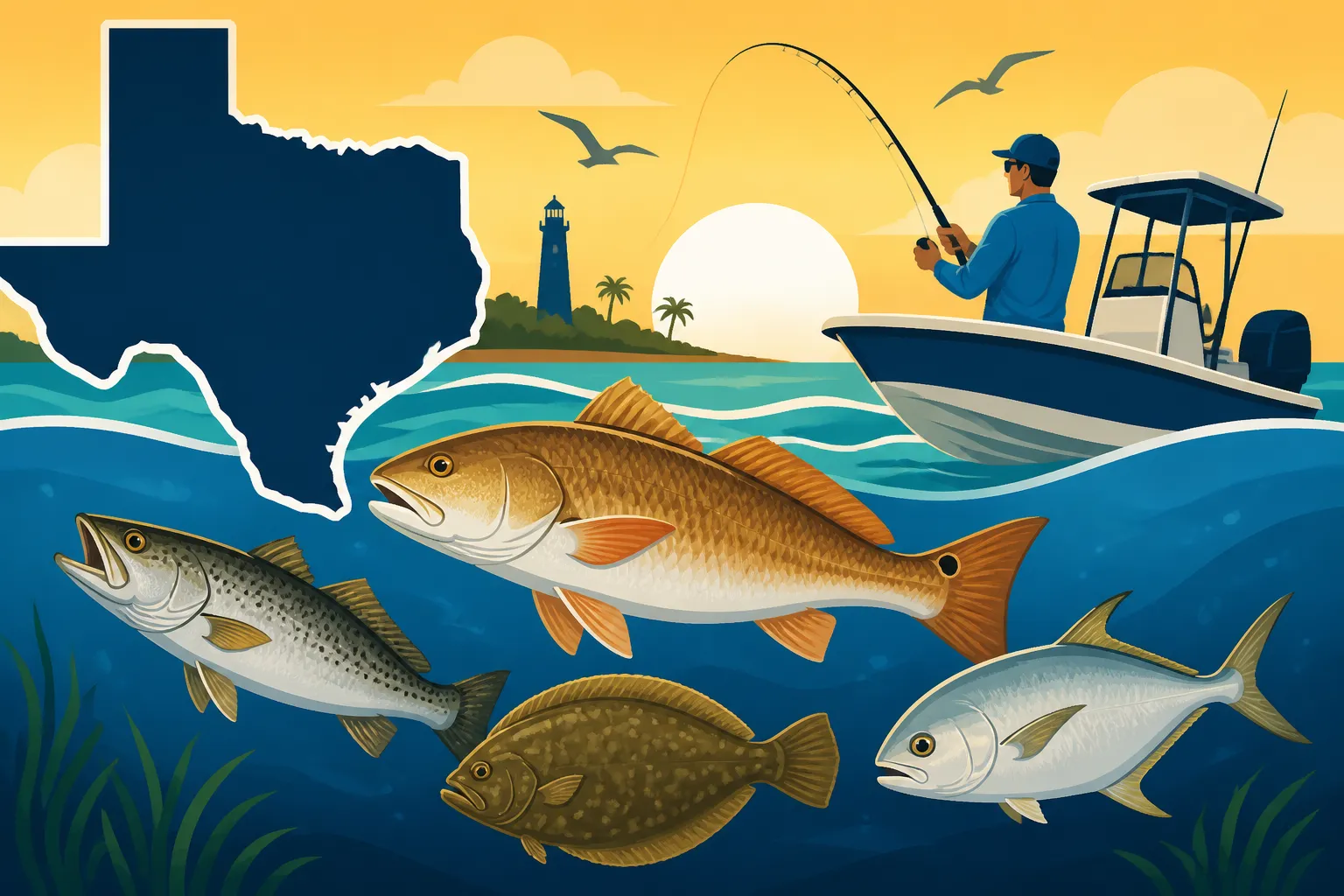
These three species are, without a doubt, the undisputed champions of popularity among Texas saltwater anglers. They're what most folks are targeting when they hit the bays and flats, and for good reason: they offer fantastic sport, they're abundant, and they're absolutely delicious on the dinner table.
The Elusive Redfish: Bronze Backs of the Bays
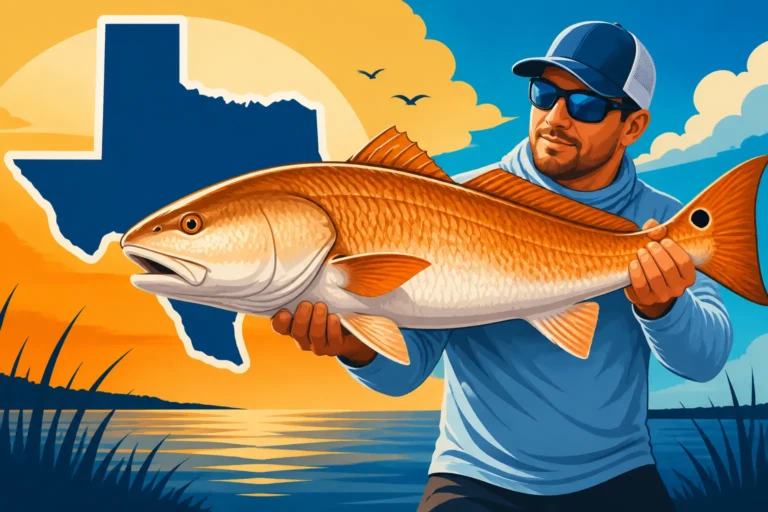
Oh, the redfish! Just the mention of their name gets a Texan angler's heart pumping a little faster. These bronze-backed beauties are perhaps the most iconic game fish in our coastal waters. They're known for their distinctive spot, usually one on each side near the tail, though some can have many more. What makes them so beloved? Their incredible fighting spirit, for one. Hook into a decent-sized redfish, and you're in for a powerful, drag-screaming battle that will test your tackle and your resolve. They're not just strong; they're smart, often found lurking in shallow grass flats, oyster reefs, and around structures like jetties and piers, feeding on shrimp, crabs, and smaller baitfish.
Anglers pursue redfish with everything from live bait under a popping cork to artificial lures like spoons, soft plastics, and topwater plugs. The thrill of sight-casting to a "tailing" redfish in ultra-shallow water, where its tail breaks the surface as it forages, is an experience that keeps many coming back for more. You'll find a lot of passionate discussion about them in any coastal bait shop. If you want to dive deeper, our Texas Redfish Fishing Guide has all the details on how to chase these magnificent fish.
Speckled Trout: The Silver Bullet of the Shallies
Right up there with the redfish in terms of popularity are speckled trout, often just called "specks" by those in the know. These sleek, silver fish with their tell-tale black spots are another staple of the Texas coast, particularly in the vast bay systems. What makes them so appealing? Their aggressive strikes and acrobatic fights are certainly a draw, but it's also their incredible flavor. Many anglers consider speckled trout to be one of the finest-eating fish in saltwater. They tend to congregate around structures, grassy areas, and deep shell bottoms, ambushing baitfish.
Speckled trout are often targeted with soft plastic lures, especially those mimicking shrimp or small baitfish, fished under a popping cork or on a jig head. Topwater lures are incredibly effective, especially during dawn and dusk, providing some of the most exciting blow-ups you'll ever witness. You can often find anglers wading the flats, casting for specks, or drifting the open bays. Learning to read the water and understand their feeding patterns is key to consistent success. For a comprehensive look at targeting these beauties, check out our Texas Speckled Trout Fishing Guide.
Southern Flounder: Masters of Camouflage
The southern flounder might not offer the same drag-ripping runs as a redfish or the explosive topwater strikes of a trout, but they are a highly prized catch for their delicious, flaky white meat and their unique hunting style. These flatfish are masters of camouflage, burying themselves in the sand or mud, waiting to ambush unsuspecting baitfish and shrimp. The challenge lies in finding them and enticing them to strike, often requiring a slower, more deliberate retrieve.
Flounder fishing really heats up during their annual "flounder run" in the fall, when they migrate from the bays to the Gulf passes to spawn. During this time, anglers line up along jetties and passes, gigging (spearing) them at night or patiently jigging soft plastics or live bait (like a finger mullet) along the bottom. Outside of the run, they can be found in deeper channels, around piers, and tucked into muddy bottoms in the bays. Catching a limit of plump flounder is a badge of honor for many coastal anglers. If you're keen to learn more about these bottom-dwelling delicacies, our Texas Flounder Fishing Guide is a great resource.
Beyond the Big Three: Other Coastal Favorites
While the Redfish, Speckled Trout, and Flounder steal most of the spotlight, the Texas coast is home to a rich tapestry of other popular species that offer fantastic angling opportunities and delicious meals. Don't overlook these incredible fish!
Black Drum: The Coastal Bottom Dwellers
Black drum are often overshadowed by their flashy redfish cousins, but these robust bottom feeders are incredibly popular, especially for anglers looking for a strong pull and a substantial meal. They get their name from the drumming sound they make, which is particularly audible during spawning season. Black drum are identifiable by their vertical black bars (especially when young) and numerous barbels (whiskers) around their mouths, which they use to root around for crustaceans and mollusks on the bay floor.
You'll typically find black drum in deeper channels, around oyster reefs, and near bridge pilings. They're not picky eaters and are often caught using natural baits like cracked crab, shrimp, or cut bait fished directly on the bottom. While smaller "puppy drum" are excellent eating, the larger "bull drum" can be quite massive, sometimes exceeding 50 pounds, making them a true test of strength. These larger fish are often targeted for sport and released due to their tougher meat, but they offer an unforgettable fight. To learn more about them, check out our Texas Black Drum Fishing Guide.
Sheepshead: The Convict Fish with a Bite
Sheepshead, affectionately known as "convict fish" due to their distinctive black and white striped bodies, are a favorite among pier and jetty anglers. What really sets them apart, and often elicits a chuckle, are their human-like teeth – perfect for crushing oysters, barnacles, and crabs, which make up the bulk of their diet. This unique dental structure means they're notorious bait-stealers, making them a challenging but rewarding catch.
To catch a sheepshead, you need to use small, strong hooks and be incredibly patient and observant. Fiddler crabs, peeled shrimp, and even small pieces of oyster or barnacle are excellent baits, fished tight against pilings, jetties, or rock formations where they forage. The bite is often subtle, but once you set the hook, these fish put up a surprisingly strong, head-shaking fight. Their firm, white meat is also highly sought after by seafood lovers. For tips on landing these clever fish, see our Texas Sheepshead Saltwater Fishing Guide.
Whiting and Croaker: Bait & Table Fare
While perhaps not as glamorous as redfish or trout, whiting and croaker hold a special place in the hearts of many Texas coastal anglers, particularly families and those fishing from the surf, piers, or jetties. Croaker are named for the distinctive croaking sound they make when caught, and whiting are sleek, silvery fish known for their excellent table quality.
These smaller fish are incredibly abundant and relatively easy to catch, making them perfect for beginners and kids. They readily take small pieces of shrimp, squid, or fish bites on a simple bottom rig. Often, anglers target croaker to use as live bait for larger speckled trout, as big specks absolutely love them. However, both whiting and croaker are also fantastic fried whole or as fillets, offering a sweet, mild flavor. You can find excellent value in pre-packaged baits for these species on platforms like Amazon, making it easy to stock up before your trip. The accessibility and consistent action make them a go-to for a fun, relaxed day of fishing on the coast.
What Makes These Fish So Popular for Texas Anglers?
The enduring popularity of these specific saltwater species isn't just a fluke. It's a combination of factors that appeal to a wide range of anglers, from seasoned veterans to families with young children trying fishing for the first time.
Accessibility and Abundance
One of the primary reasons these species are so popular is their sheer accessibility. You don't always need a fancy boat or expensive gear to get in on the action. Many of these fish can be caught from public piers, jetties, and by wade fishing in the shallow bays. This opens up opportunities for everyone, regardless of their budget or experience level. The Texas Parks and Wildlife Department (TPWD) does a fantastic job managing our coastal fisheries, ensuring healthy populations. This means that while fishing can always be challenging, there's a reasonable expectation of success, which keeps people coming back for more. The abundance means that even on a slow day, you might still hook into something exciting.
Sporting Qualities and Fight
Every angler loves a good fight, and the popular Texas saltwater species deliver in spades. Redfish are known for their powerful runs, especially in shallow water where they can really dig in. Speckled trout offer quick, aggressive strikes and often jump when hooked, adding to the excitement. Even the more subtle flounder provides a unique challenge, requiring a keen sense of touch to detect their gentle bite before they swallow the bait. Black drum and sheepshead, with their strong pulling power, can put a serious bend in a rod. This variety in fighting styles means there's a thrill for every preference, ensuring that each catch feels like an accomplishment.
Culinary Delights and Table Value
Let's be honest, for many anglers, part of the joy of fishing is bringing home a fresh, delicious meal. The popular Texas saltwater fish are, almost without exception, highly regarded for their eating quality. Speckled trout and flounder are often considered gourmet fare, with delicate, flaky white meat perfect for baking or pan-frying. Redfish, especially the smaller "slot reds," are excellent grilled or blackened. Even the often-overlooked black drum and sheepshead offer firm, tasty fillets when properly cleaned and prepared. The ability to harvest a sustainable and delicious meal directly from the abundant Texas coast is a huge draw and a deeply satisfying aspect of the fishing experience.
Essential Gear and Tips for Chasing Texas Coastal Favorites
Getting started with saltwater fishing on the Texas coast doesn't have to be complicated, but having the right gear and understanding a few key principles will significantly boost your chances of success.
Rods, Reels, and Line Choices
For most bay and inshore fishing on the Texas coast, a medium to medium-heavy spinning rod (6'6" to 7'6") paired with a matching spinning reel (2500-4000 series) is a versatile setup. This combination is strong enough to handle redfish and black drum, yet sensitive enough for speckled trout and flounder. Many anglers opt for braided line (15-30 lb test) for its sensitivity and casting distance, usually with a fluorocarbon leader (20-30 lb test) for abrasion resistance and invisibility underwater. You can find excellent, durable combos that are suitable for saltwater on Amazon, often at a range of price points. If you're focusing on bigger fish or fishing heavier current, you might step up to a heavier action rod and reel. For a deeper dive into tackle choices, our guide on Best Saltwater Rods for Texas Redfish offers specific recommendations.
| Species | Preferred Habitat | Common Baits/Lures | Eating Quality | Typical Gear |
|---|---|---|---|---|
| Redfish | Shallow grass flats, oyster reefs | Live shrimp, cut mullet, soft plastics, spoons | Excellent | Medium-Heavy Spinning |
| Speckled Trout | Grassy bottoms, shell pads, deep channels | Live shrimp, soft plastics under cork, topwater | Excellent | Medium Spinning |
| Southern Flounder | Sandy/muddy bottoms, jetties, passes | Live mullet, shrimp, soft plastics on jig | Excellent | Medium Spinning |
| Black Drum | Deeper channels, oyster reefs, pilings | Cracked crab, shrimp, cut bait | Good (smaller fish) | Medium-Heavy Spinning |
| Sheepshead | Pilings, jetties, rock formations | Fiddler crabs, peeled shrimp | Excellent | Medium Spinning |
| Whiting/Croaker | Surf, sandy bottoms, piers | Shrimp, squid, fish bites | Good | Light Spinning |
Baits, Lures, and Rigs
The Texas coast offers a variety of effective baits and lures. Live shrimp is often called "chicken of the sea" because almost everything will eat it, making it a universal go-to for all the popular species. Live mullet or mud minnows are also excellent for larger redfish, trout, and flounder. For artificials, soft plastics in various colors (e.g., "new penny," "chartreuse," "glow") rigged on a jig head are deadly for trout and redfish. Spoons are fantastic for covering water when targeting aggressive reds. Popping corks are essential for suspending live or artificial baits above grass or shell. Simple Carolina rigs or free-lined baits are effective for bottom feeders like black drum and sheepshead. Don't forget to have a selection of leader material and appropriate hooks; having a sturdy bait knife and pliers from a brand like Amazon can make all the difference when rigging up and unhooking fish. For more detailed insights into techniques, check out our Texas Saltwater Fishing Techniques article.
Key Locations and Seasonal Considerations
The beauty of Texas saltwater fishing is that there are fantastic spots all along the coast. Iconic bay systems like Galveston Bay, Matagorda Bay, Aransas Bay, and Corpus Christi Bay offer endless opportunities. Shallow grass flats are prime for wade fishing, while deeper channels and passes are great for boat anglers. Jetties and piers are incredibly popular for bank-bound anglers. Understanding the seasonal movements of fish is also crucial. Spring and fall are often considered prime times, as fish are actively feeding before and after the heat of summer. For instance, the fall flounder run is a huge event, and spring sees redfish and trout becoming very active in the shallower waters. You can find specific details on popular fishing areas in our Galveston Bay Fishing Spots or Matagorda Bay Fishing Spots guides. Always check local fishing reports and regulations for the specific area you plan to visit, as bag and length limits can vary.
Disclaimer
This article is for general informational purposes only and does not constitute professional advice. Laws, prices and regulations vary by location and change over time. Consult a qualified professional for guidance on your specific situation.