Texas Freshwater Bag Limits by Species
Stepping onto a Texas lake or wading into a river, there’s nothing quite like the anticipation of a good day’s fishing. But let’s be real, the joy can quickly turn to a knot in your stomach if you’re not absolutely sure about the rules. One of the biggest head-scratchers for many anglers, myself included, is keeping track of all the different freshwater bag and length limits. Nobody wants to accidentally break a rule or, worse, harm our precious fish populations. This guide is here to untangle the complexities, giving you a crystal-clear breakdown of Texas freshwater bag limits by species, so you can fish with confidence and peace of mind.
Understanding the Basics of Texas Freshwater Bag Limits
Before we dive into the nitty-gritty of specific species, it’s really helpful to grasp the fundamental concepts behind these regulations. You see, these aren't just arbitrary numbers; they're the result of careful scientific study and conservation efforts designed to keep our Texas fisheries healthy and thriving for generations to come. It’s easy to get frustrated when the rules seem complicated, but remember, every regulation has a purpose, and understanding that purpose can make them a lot less daunting.
Why Bag Limits Matter for Conservation
Think about it: if everyone could catch and keep as many fish as they wanted, our lakes and rivers would be depleted in no time. That’s why bag limits exist – to manage fish populations and prevent overfishing. It’s a balancing act, really. The Texas Parks and Wildlife Department (TPWD) biologists constantly monitor fish stocks, growth rates, and reproductive success to determine how many fish can be harvested sustainably. These limits are especially crucial for popular game fish species that face significant angling pressure. Without them, we’d quickly lose the quality fisheries we all enjoy.
Moreover, length limits often accompany bag limits, and they play an equally vital role. Minimum length limits protect young fish, giving them a chance to mature and reproduce before being harvested. Maximum length limits, or slot limits, protect the larger, trophy-sized fish that are often the best breeders, ensuring they stay in the gene pool. It's all about ensuring a healthy age structure within the fish population, which leads to better fishing for everyone in the long run. It’s a commitment we all share as stewards of these incredible natural resources.
General Rules and Daily Versus Possession Limits
When you’re out on the water, you’re primarily concerned with the daily bag limit. This refers to the maximum number of fish of a certain species (or aggregate of species) that an angler can legally keep in a single day. The fishing day is generally considered from midnight to midnight. So, if you catch your limit of largemouth bass by noon, you’re done keeping bass for the day, even if you decide to go back out later that afternoon.
Then there's the possession limit, which is often misunderstood. The possession limit is the maximum number of fish of a certain species (or aggregate) that you can have in your possession at any given time. For most freshwater species in Texas, the possession limit is twice the daily bag limit. This means if you're on a multi-day fishing trip and staying at a cabin, you can legally accumulate up to two daily bag limits worth of fish. However, once you exceed that second day’s limit, or if you're just out for a single day, you must adhere strictly to the daily bag limit for any fish caught on that day. It's super important to remember this distinction, especially if you're keeping fish cleaned and frozen at home. These general rules are the foundation, but always remember that there are specifics for each species, which we'll get into next. If you're looking for an overarching view of all the rules, check out the comprehensive guide on Texas Freshwater Fishing Regulations to cover your bases.
Key Freshwater Game Fish and Their Limits
Texas boasts an incredible variety of freshwater game fish, each with its own fan base and, you guessed it, its own set of regulations. From the mighty largemouth bass to the tasty crappie, knowing the specific rules for each species is paramount. These are the fish that most of us target, and getting these limits right is probably where most of the questions arise.
Largemouth Bass Regulations
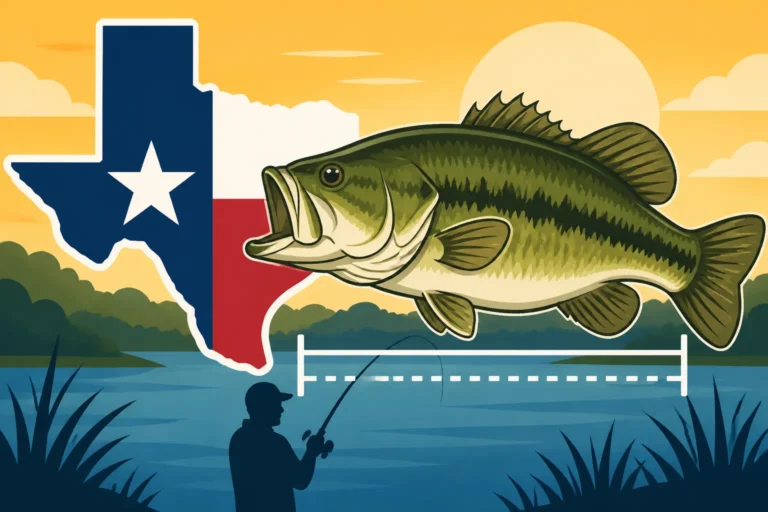
Ah, the largemouth bass – the king of Texas freshwater fishing! Everyone wants to catch a big one, and thankfully, TPWD has some very specific rules to protect these beauties. Statewide, the daily bag limit for largemouth bass is five fish. This means you can keep up to five largemouth bass per day.
Now, here's where it gets a little more nuanced: the length limit. The statewide minimum length limit for largemouth bass is 14 inches. So, any bass you keep must be at least 14 inches long. However, Texas also has several reservoirs with special regulations, often referred to as "slot limits." For instance, on famous lakes like Lake Fork, the length limit is much different. On Lake Fork, you generally have a slot limit where you can only keep bass under 16 inches or over 24 inches, with a five-fish daily bag limit that includes one bass 24 inches or greater. This kind of regulation is designed to protect the highly valuable intermediate-sized fish, allowing them to grow into the trophy bass that Lake Fork is famous for. Always, always check the specific regulations for the lake you plan to fish, as these can vary significantly and change periodically. For an even deeper dive into this popular species, don't miss our Texas Largemouth Bass Fishing Guide. If you're specifically worried about size, you'll want to review the Texas Largemouth Bass Length Limits.
Catfish Species Limits
Catfish are another Texas staple, beloved for their fighting spirit and excellent table fare. In Texas, we primarily deal with three species: Channel Catfish, Blue Catfish, and Flathead Catfish. Thankfully, the regulations for these whiskered wonders are a bit more straightforward than bass, but there are still important distinctions.
For Channel Catfish and Blue Catfish, the daily bag limit is an aggregate of 25 fish. This means you can keep any combination of channel and blue catfish, up to 25 total, per day. The minimum length limit for these species is 12 inches. So, any channel or blue catfish you keep must be at least 12 inches long. This protects the younger fish, giving them a chance to grow. These are prolific fish, and these limits help manage their numbers effectively.
Flathead Catfish are a bit different. These solitary, ambush predators are known for their massive size. The daily bag limit for flathead catfish is much smaller, set at five fish. The minimum length limit for flathead catfish is 18 inches. This reflects their slower growth rate and the desire to protect larger breeding individuals. While you can catch some truly impressive flatheads, remember that five is your limit. For more details on these powerful fish, be sure to read our Texas Catfish Species Guide, and if you're targeting specific sizes, our article on Texas Channel Catfish Length and Bag Limit will be very useful. You can also find some great resources and gear for catfish on platforms like Amazon.
Crappie Limits
Crappie, both white and black, are incredibly popular panfish in Texas, known for schooling up and providing fast action, especially in cooler months. They're also fantastic to eat! The regulations for crappie are generally aggregate across both species.
The statewide daily bag limit for White Crappie and Black Crappie is an aggregate of 25 fish. This means you can keep a total of 25 crappie, regardless of whether they are white or black, per day. The minimum length limit is 10 inches. So, any crappie you add to your cooler must be at least 10 inches long. However, just like bass, there are some exceptions for specific lakes. Some lakes, often smaller community lakes or those with specific management goals, might have different length or bag limits for crappie, sometimes even removing the length limit entirely to reduce overcrowding. Always double-check the local regulations for your chosen fishing spot in the TPWD Outdoor Annual. We have an entire guide dedicated to these delicious fish in our Texas Crappie Fishing Guide, and for specific numbers, you can check Texas Crappie Bag Limits.
White Bass and Hybrid Striped Bass Rules
Texas anglers love White Bass for their aggressive bites and the exciting "white bass run" that happens each spring upriver. They're excellent fighters and provide a lot of fun, especially for families. Hybrid Striped Bass, a cross between a striped bass and a white bass, offer an even harder fight and grow to a larger size, making them a popular target in many reservoirs.
For White Bass, the daily bag limit is 25 fish, and the minimum length limit is 10 inches. They're a schooling fish, so when you find them, you can often catch quite a few, making this a generous limit. During the spring run, it's not uncommon for anglers to fill their limits quickly!
Hybrid Striped Bass and Striped Bass (purebred) share an aggregate daily bag limit of five fish and a minimum length limit of 18 inches. This means you can keep a combination of five hybrid and pure striped bass, each at least 18 inches long. It's important to be able to tell the difference between these and white bass, as their limits are very different. Hybrid stripers generally have broken or irregular stripes, while white bass have only one unbroken stripe on each side. If you're specifically targeting these species, our Texas White Bass Fishing Guide has more detailed information, and you can see specific Texas White Bass Bag Limit Rules. Knowing these distinctions is vital to stay compliant.
Other Notable Freshwater Species
While bass, catfish, and crappie tend to get most of the spotlight, Texas freshwater bodies are home to many other fantastic species that have their own bag and length limits.
- Sunfish (Bream): This category includes bluegill, redear sunfish, green sunfish, and others. The daily bag limit for sunfish is an aggregate of 25 fish, with no minimum length limit. These are fantastic targets for young anglers or anyone looking for consistent action and delicious fillets.
- Rainbow Trout: These cold-water beauties are stocked seasonally in many Texas rivers and lakes, particularly during the cooler winter months. The daily bag limit for rainbow trout is five fish, with no minimum length limit. Keep an eye on the TPWD stocking schedule to find out when and where they’re releasing these feisty fish!
- Gar Species: Alligator gar, longnose gar, spotted gar, and shortnose gar all fall under specific regulations. While the other gar species often have no daily bag or length limit (except for specific locations), the Alligator Gar has a unique regulation: a daily bag limit of one fish. This is due to their slow growth, long lifespan, and impressive size, making them a highly valued trophy species.
- Drum (Freshwater Drum): Often mistaken for a trash fish, freshwater drum can grow quite large and put up a surprising fight. They have a daily bag limit of 25 fish, with no minimum length limit. They are also quite tasty!
Keeping track of all these can feel like a lot, but a quick glance at the TPWD Outdoor Annual – or a quick search online, often aided by apps or guides you can find on Amazon – will usually clear things up.
Special Regulations and Exceptions to the Rules
Just when you think you’ve got a handle on the statewide regulations, Texas throws a few curveballs with special lake-specific rules and unique programs. These exceptions are put in place for very good reasons, usually to enhance specific fisheries or protect vulnerable populations. It’s critical to be aware of these, as ignorance of a local rule can still lead to a citation.
ShareLunker Program and Trophy Bass
Texas is world-renowned for its trophy largemouth bass, largely thanks to the Toyota ShareLunker Program. This incredible program encourages anglers to donate 13+ pound largemouth bass to TPWD for selective breeding. To support the creation of these monster fish, many lakes have special slot limits designed to protect bass in their prime growing years.
For example, on several "ShareLunker lakes" or "trophy lakes," you might encounter a 16- to 24-inch slot limit for largemouth bass. This means any bass you catch within that slot must be immediately released. You can only keep bass under 16 inches or one bass 24 inches or greater as part of your five-fish daily bag limit. These are some of the most stringent regulations, but they’ve proven incredibly effective in producing world-class bass fishing. If you dream of catching a true giant, understanding these specific rules and how the Texas ShareLunker Program Explained works is essential. It's not just about a limit; it's about being part of a larger conservation effort that ensures future generations can chase those same giants.
Lake-Specific or River-Specific Exceptions
It's not just trophy bass lakes that have unique rules. Many other lakes and even specific river stretches have their own regulations that supersede the statewide limits. These are often implemented to address specific ecological conditions, population dynamics, or angler usage patterns in that particular body of water.
For instance, some smaller community fishing lakes might have no length limit on certain species like crappie or catfish, or even increased bag limits, to encourage harvest and prevent overpopulation of smaller fish. Conversely, certain rivers known for unique populations, like the Guadalupe River with its rainbow trout fishery, might have very specific artificial lure-only rules, catch-and-release zones, or different bag limits during stocking seasons. Lake Texoma, being a border lake with Oklahoma, also has its own special reciprocal license rules and limits that combine both state’s regulations.
The bottom line is: before you head out, always consult the most current TPWD Outdoor Annual for the specific body of water you intend to fish. These regulations can, and do, change annually, and relying on outdated information is a surefire way to run into trouble.
Protected or Non-Game Fish Considerations
While our focus is often on game fish, it's important to remember that not everything that swims in Texas waters is fair game to keep. Some species are protected, either statewide or regionally, and harvesting them is strictly prohibited. Others are considered "non-game" species, and while they might not have specific bag or length limits, there are still rules about the methods you can use to catch them.
Examples of protected species in Texas include the paddlefish, which is considered an endangered or threatened species and is completely off-limits for harvest. Other rare or sensitive species might also fall under special protection. Beyond that, many "rough fish" or "non-game" species, such as carp or gar (outside of the alligator gar's specific limit), often have no bag or length limits. However, you still need a valid fishing license to catch them, and you must adhere to legal fishing methods. For instance, using certain types of nets or traps might be restricted, even for non-game fish. It's about respecting the entire aquatic ecosystem, not just the fish we typically put on a stringer.
How to Stay Informed and Avoid Common Mistakes
Fishing in Texas is a privilege, and with that comes the responsibility of understanding and adhering to the rules. It's easy to make a mistake if you're not diligent, but with a little effort, staying informed is simple and can save you a lot of headaches (and potential fines).
Essential Resources for Up-to-Date Information
The absolute gold standard for all Texas fishing and hunting regulations is the Texas Parks and Wildlife Department (TPWD) Outdoor Annual. This comprehensive guide is updated annually and covers everything from license requirements to specific bag and length limits for every species in every public body of water.
Here’s how you can access it:
- Online: The digital version is readily available on the official TPWD website. It’s searchable, easy to navigate, and always the most current version. I can't stress this enough: bookmark it on your phone!
- Mobile App: TPWD offers a fantastic mobile app that puts the entire Outdoor Annual in your pocket. It’s incredibly convenient to pull up regulations right on the water, even when you have spotty service.
- Printed Copy: You can pick up a physical copy of the Outdoor Annual at most sporting goods stores, bait shops, and even many grocery stores that sell fishing licenses. Many anglers, including myself, still prefer having a physical copy to flip through.
Beyond the official annual, local bait shops and fishing guides are excellent resources. They often know the nuances of the local waters better than anyone and can provide real-time updates on conditions and specific rules. Many experienced anglers also keep an eye on online fishing forums and local social media groups for the latest information. Just remember to cross-reference with official sources when in doubt.
Common Pitfalls and How to Avoid Them
Even with all the information available, anglers can still fall into common traps. Being aware of these can help you avoid making the same mistakes.
- Assuming Statewide Rules Apply Everywhere: This is probably the biggest pitfall. As we've discussed, many lakes have special regulations that override the statewide rules. Always assume you need to check the local regulations for your specific fishing spot. A quick look in the TPWD Outdoor Annual section for "Public Fishing Waters" will usually clarify any lake-specific rules.
- Forgetting the Possession Limit: It’s easy to focus solely on the daily bag limit. If you’re on a multi-day trip, remember that your total possession of fish should not exceed twice the daily bag limit. This includes fish kept at your campsite, cabin, or vehicle.
- Misidentifying Fish: Some fish species look very similar, especially to less experienced anglers. Distinguishing between a white bass and a hybrid striped bass, or a largemouth bass and a spotted bass, can be tricky but is crucial for adhering to correct limits. Take the time to learn identification characteristics, perhaps by carrying a small fish ID guide (easily found on Amazon) or using a fish identification app.
- Not Having a Valid License: This might seem obvious, but it's a fundamental requirement. Always make sure your Texas Fishing License Requirements Explained are met and that your license is current and readily available. If you don't have one, you're looking at significant penalties.
The Importance of a Valid Fishing License
Speaking of licenses, it’s truly the foundation of ethical and legal fishing in Texas. While bag and length limits dictate what you can keep, your fishing license dictates if you can even fish. Most people need a valid license to fish public waters in Texas, regardless of what species they are targeting or whether they plan to keep fish or practice catch-and-release.
The revenue generated from fishing license sales is absolutely vital. It goes directly back into conservation efforts, funding programs like fish stocking, habitat restoration, scientific research, and enforcement. Without these funds, our amazing Texas fisheries would simply not be as vibrant and productive as they are. So, when you purchase your license, you're not just buying permission to fish; you're actively contributing to the health and future of our aquatic ecosystems. If you're wondering how to get one, our guide on How to Get a Texas Fishing License walks you through the entire process. It's a small investment for a huge return, both for your enjoyment and for the environment.
Texas Freshwater Bag and Length Limits Summary
To make things a bit easier to digest, here's a quick reference table for some of the most commonly targeted freshwater species in Texas. Remember, always check the current TPWD Outdoor Annual for lake-specific regulations, as these can and often do vary.
| Species | Daily Bag Limit (Statewide) | Minimum Length Limit (Statewide) | Notes |
|---|---|---|---|
| Largemouth Bass | 5 | 14 inches | Many lakes have special slot limits (e.g., 16-24" slot on Lake Fork). |
| Channel Catfish | 25 (aggregate with Blue) | 12 inches | Aggregate limit with Blue Catfish. |
| Blue Catfish | 25 (aggregate with Channel) | 12 inches | Aggregate limit with Channel Catfish. |
| Flathead Catfish | 5 | 18 inches | |
| White Crappie | 25 (aggregate with Black) | 10 inches | Many lakes have special length limits or no length limit. |
| Black Crappie | 25 (aggregate with White) | 10 inches | Many lakes have special length limits or no length limit. |
| White Bass | 25 | 10 inches | |
| Hybrid Striped Bass | 5 (aggregate with Striped) | 18 inches | Aggregate limit with Striped Bass (purebred). Important to distinguish from White Bass. |
| Rainbow Trout | 5 | No minimum length | Stocked seasonally. |
| Sunfish (Bream) | 25 (aggregate) | No minimum length | Includes Bluegill, Redear, Green Sunfish, etc. |
| Alligator Gar | 1 | No minimum length | Highly regulated. Specific harvest requirements and methods. |
| Freshwater Drum | 25 | No minimum length |
This table serves as a general guide, but your best bet is always the official source!
Disclaimer
The information provided in this guide is for general informational purposes only and is subject to change. While we strive to offer accurate and up-to-date content, fishing regulations, bag limits, and length restrictions are determined by the Texas Parks and Wildlife Department (TPWD) and can be modified at any time. It is the sole responsibility of each angler to consult the most current official TPWD Outdoor Annual or their website before engaging in any fishing activity. Failure to comply with current regulations may result in fines or penalties.