Texas-Louisiana reciprocal license for the Sabine River
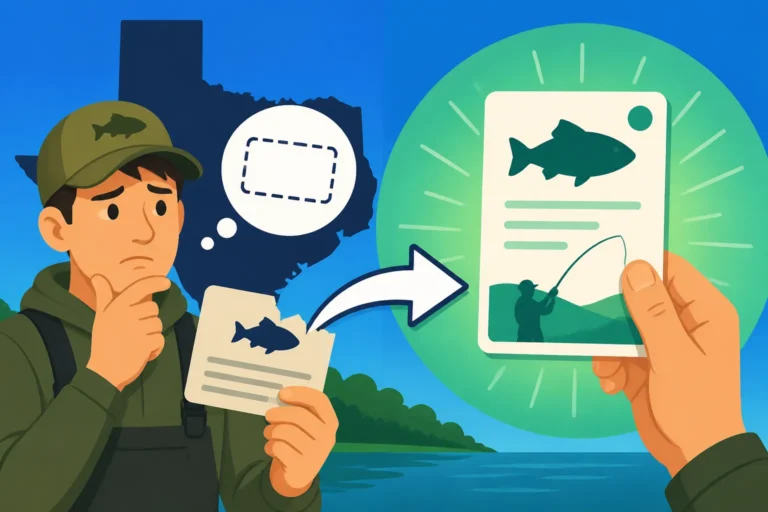
It's a common headache when you're planning a fishing trip to a border waterway like the Sabine River and you're not sure which state's license you need. Do you need two licenses? Just one? It can be incredibly confusing, leading to unnecessary stress or even fines if you guess wrong. This comprehensive guide will untangle the Texas-Louisiana reciprocal license agreement specifically for the Sabine River, ensuring you understand exactly what you need to fish legally and confidently on these shared waters.
Understanding Reciprocal Fishing Agreements on Border Waters
Fishing on lakes and rivers that form the boundary between two states introduces a unique set of licensing challenges. It's not uncommon for anglers to feel a bit lost, wondering if they need to purchase licenses from both states or if there's a special rule in place. This uncertainty can certainly take some of the joy out of planning a trip, especially when you're just looking to relax and catch some fish.
Why Border Waters Cause Confusion
Think about it: one moment you're casting your line from the Texas bank, and the next, your lure might drift into what is technically Louisiana water. Or perhaps you're trolling down the middle of the river, with one state on your left and another on your right. The invisible line that separates jurisdictions can be incredibly hard to discern on the water, making it genuinely difficult for even seasoned anglers to know which set of rules to follow. This is a common point of frustration, as no one wants to accidentally break the law. Add to that the subtle differences in regulations – varying bag limits, length limits, or even allowed gear – and the situation can quickly become a maze of legalities.
The Principle of Reciprocity
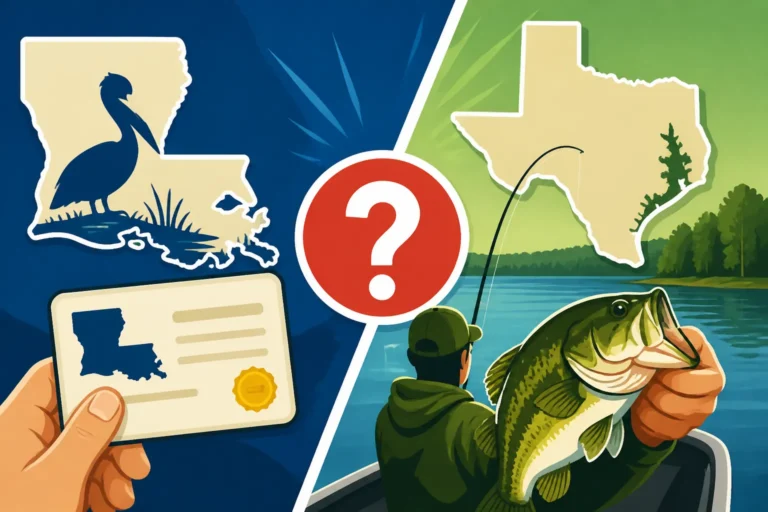
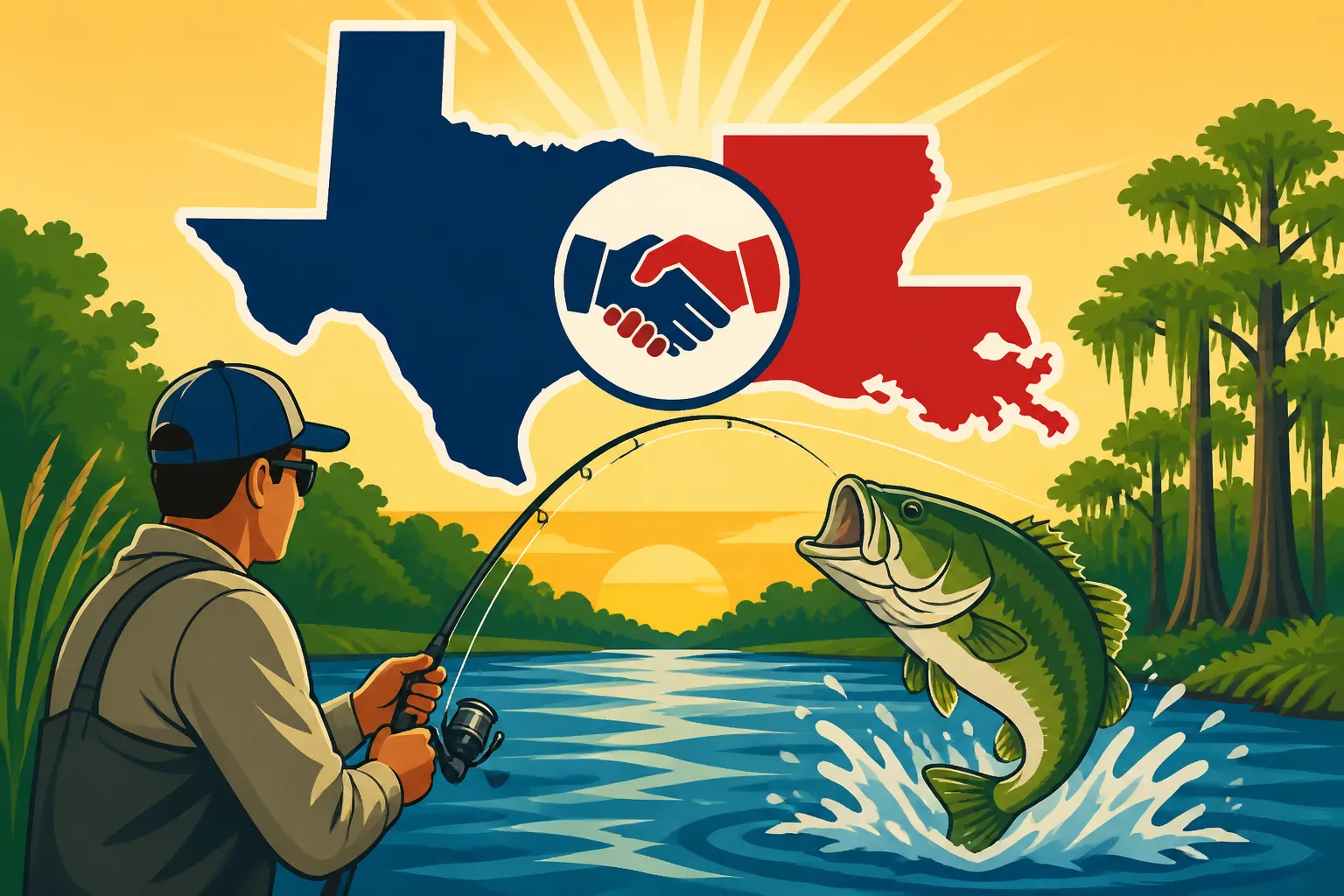
Thankfully, many bordering states, including Texas and Louisiana, have recognized this issue and established what are known as reciprocal fishing agreements. In simple terms, a reciprocal agreement means that if you hold a valid fishing license from one of the participating states, you are legally permitted to fish in specific shared boundary waters, even if parts of those waters technically fall within the other state's jurisdiction. It's a mutual understanding designed to make fishing more accessible and less confusing for anglers enjoying these shared natural resources. Instead of needing to buy two separate licenses and juggle two sets of rules, you often only need one, as long as you're in the designated reciprocal zone. This is a huge relief for many, cutting down on both cost and complexity.
Specific Rules for the Sabine River Fishing License
The Sabine River, winding its way from North Texas to the Gulf of Mexico, forms a significant portion of the border between Texas and Louisiana. This makes it a prime example of a waterway where reciprocal agreements are not just helpful, but essential. Understanding the specifics of this agreement for the Sabine is key to a hassle-free fishing experience.
Texas and Louisiana Agreement Overview
For the Sabine River, Texas and Louisiana have a reciprocal agreement in place that simplifies things considerably. Generally, if you possess a valid resident or non-resident fishing license from either Texas or Louisiana, you are legally authorized to fish in the designated reciprocal waters of the Sabine River. This means a Texas resident with a valid Texas fishing license can fish the entire width of the Sabine River along the border, and a Louisiana resident with a valid Louisiana fishing license can do the same. The same courtesy extends to non-residents who purchase a license from either state. The goal is to allow anglers to focus on fishing, not on constantly checking a GPS to see which state line they might be crossing. This agreement really makes fishing the Sabine River much more enjoyable and accessible.
What Waters Are Covered
The reciprocal agreement for the Sabine River isn't a blanket rule for every drop of water in both states; it's specific to the river itself where it forms the boundary and certain connected bodies of water. The agreement primarily covers the mainstem of the Sabine River from its northernmost point as a state boundary, all the way down to its mouth at Sabine Lake and the Gulf of Mexico. This includes the major impoundment on the river, Toledo Bend Reservoir, which is a massive and incredibly popular fishery known for its bass and crappie. So, whether you're fishing the flowing river, the expansive waters of Toledo Bend, or the brackish estuary of Sabine Lake, your single state license should cover you within the agreed-upon reciprocal zones. However, it's absolutely crucial to remember that this agreement does not extend to tributaries or other inland lakes fully within one state or the other. For instance, if you venture off the main Sabine River into a bayou entirely within Louisiana, you'd need a Louisiana license, and vice-versa for Texas. Knowing these boundaries is fundamental to staying compliant. You might want to check out our detailed guide on Lake Texoma Fishing License Rules to see how another border lake handles its unique situation.
License Requirements for Each State
While the reciprocal agreement allows you to use either a Texas or Louisiana license, you still need to adhere to the specific licensing structure of the state you choose to buy from.
For Texas residents, you'll typically need to purchase a valid resident freshwater or all-water fishing license. If you plan on venturing into Sabine Lake or near the Gulf, an all-water license or a separate Texas Saltwater Endorsement Explained is a must. Texas offers various license types, including annual licenses, senior discounts for anglers over 65, and special provisions for active-duty military or disabled veterans. Understanding these specific categories is important when you're looking at Texas Fishing License Requirements Explained.
For Louisiana residents, similar rules apply. You'll need a basic fishing license, and if you're targeting saltwater species in Sabine Lake, you'll also need the appropriate saltwater endorsement from Louisiana. Louisiana has its own set of resident and non-resident fees and license types, so ensure you select the correct one based on your residency and fishing plans.
For non-residents, you can choose to purchase either a Texas non-resident fishing license or a Louisiana non-resident fishing license. Both options will allow you to fish the reciprocal waters of the Sabine. The cost might vary slightly between states for non-residents, so it could be worth comparing the Texas Fishing License Cost for Residents and Nonresidents versus Louisiana's equivalent. Always remember that regardless of which state's license you hold, you must carry it with you while fishing. Showing a digital copy on your phone is usually acceptable, but it's always good to confirm local guidelines on Can you show a Texas fishing license on your phone?.
Here's a quick comparison of the general approach:
| Feature | Texas Resident Fishing on Sabine | Louisiana Resident Fishing on Sabine | Non-Resident Fishing on Sabine |
|---|---|---|---|
| Required License | Valid Texas Fishing License | Valid Louisiana Fishing License | Valid TX or LA Non-Resident License |
| Covered Waters (Sabine) | Yes, reciprocal zone | Yes, reciprocal zone | Yes, reciprocal zone |
| Bag/Length Limits Apply | Texas's rules apply | Louisiana's rules apply | Rules of the license-issuing state apply (e.g., if you bought a TX license, follow TX rules) |
| State Endorsements Needed | Yes (if applicable in TX) | Yes (if applicable in LA) | Yes (if applicable for issuing state) |
| Boater Education | Texas Boater Ed (if applicable) | Louisiana Boater Ed (if applicable) | Relevant to state of vessel registration/operation |
Practical Considerations for Anglers on the Sabine River
Even with the reciprocal agreement making licensing easier, there are still several practical considerations that anglers need to keep in mind when fishing the Sabine River. These details can often make the difference between a fantastic day on the water and one filled with confusion or unexpected complications.
State-Specific Regulations Still Apply
This is perhaps the most critical nuance of reciprocal agreements: while your license might be valid across the border, the fishing regulations you must adhere to are generally those of the state that issued your license. For example, if you hold a Texas fishing license, you must follow Texas Freshwater Fishing Regulations and Texas Freshwater Bag Limits by Species or Texas Saltwater Bag Limits by Species, even if you're casting your line into waters that technically lie on the Louisiana side of the Sabine River. Conversely, if you have a Louisiana license, you'll follow Louisiana's rules regarding bag limits, length limits, and gear restrictions.
This can be a bit tricky because the limits for species like largemouth bass, crappie, or catfish can differ between Texas and Louisiana. Always carry a copy of the regulations for the state that issued your license, or at least have access to them digitally. Imagine catching a prized redfish in Sabine Lake – if you have a Texas license, you'd follow Texas's slot limit and bag limit for redfish. If your buddy next to you has a Louisiana license, they'd follow Louisiana's rules. This distinction is vital for avoiding Penalties for Fishing Without a Texas License or violating bag limits. It also applies to things like Texas Trotline and Jugline Rules if you're using those methods, as regulations on gear can differ significantly.
Where to Purchase Your License
Getting your fishing license for the Sabine River is generally straightforward. Both Texas and Louisiana offer multiple convenient ways to purchase them, ensuring you can grab one even at the last minute.
For a Texas license, you have a few options:
- Online: The Texas Parks and Wildlife Department (TPWD) website is the easiest and quickest way to purchase a license. You can print it immediately or save it digitally. Our guide on How to Get a Texas Fishing License walks you through the steps.
- By Phone: You can call the TPWD licensing customer service line to purchase your license over the phone.
- In Person: Many sporting goods stores, bait shops, and even some grocery stores across Texas are authorized license retailers. Places like Academy Sports + Outdoors, Walmart, and independent bait shops are common spots.
For a Louisiana license, you can similarly purchase:
- Online: Through the Louisiana Department of Wildlife and Fisheries (LDWF) website.
- In Person: At various vendors throughout Louisiana, including many tackle shops and sporting goods stores.
While you can't buy your actual fishing license on Amazon, it's a fantastic resource for everything else you might need before your trip. From specific bait or lures for the Sabine River's bass and crappie to durable tackle boxes or a new fishing hat, Amazon is a convenient place to stock up on all your fishing essentials.
Essential Gear and Safety
Fishing on the Sabine River means being prepared for a variety of conditions and species. Depending on whether you're targeting freshwater species upstream in the river or Toledo Bend, or saltwater species in Sabine Lake, your gear will vary.
For freshwater fishing, a medium-action spinning or baitcasting rod and reel combo is versatile enough for largemouth bass, crappie, and catfish. Stock up on soft plastics, crankbaits, and spinnerbaits for bass, and small jigs or minnows for crappie. If you're going after catfish, stink bait, cut bait, or live worms are always good choices. Don't forget your fishing pliers, a stringer or cooler, and plenty of extra line.
When you move towards Sabine Lake and the coastal areas, your gear will shift to more robust saltwater setups. Medium-heavy rods with corrosion-resistant reels are ideal for redfish and speckled trout. Topwater lures, soft plastic paddletails, and shrimp imitations are highly effective. Live shrimp and mullet are also go-to baits.
Beyond fishing-specific gear, safety should always be your top priority. Texas weather can change quickly, so always carry enough water, sunscreen, and appropriate clothing for sun and rain. If you're on a boat, ensure you have all required safety equipment, including life jackets for everyone on board. For peace of mind, consider purchasing a waterproof floating bag for your electronics or a durable first-aid kit. Many of these essential safety and comfort items, from UV-protective clothing to quality first-aid kits, can be found readily on Amazon, making it easy to prepare thoroughly for your trip. A good pair of polarized sunglasses for spotting fish in clearer water can also be a game-changer, and you'll find an array of options to fit your budget on Amazon as well.
Avoiding Common Pitfalls and Fines
Navigating the nuances of reciprocal agreements and state-specific regulations can still leave room for error, even for experienced anglers. A little foresight and diligence can save you a lot of headache and expense on the Sabine River.
Documentation and Proof of Residency
It might sound obvious, but always, always carry your fishing license with you when you're on the water. This means having it readily accessible and in a condition that allows wardens or game officials to easily read it. Whether it's a physical copy, a laminated card, or a clear digital image on your phone, ensure it's valid and correct. For Texas, the TPWD mobile app offers a convenient way to display your license.
Beyond just the license, be prepared to show proof of residency if you're fishing with a resident license. A valid driver's license or state-issued ID is usually sufficient. Game wardens are simply doing their job to ensure everyone is compliant, and having your documentation in order makes their job easier and your interaction smoother. Trying to explain why you don't have your license or proof of residency can quickly turn a pleasant fishing trip into an uncomfortable situation, potentially leading to a fine. It's a simple step, but easily overlooked in the excitement of heading out.
Staying Informed on Rule Changes
Fishing regulations are not set in stone; they can and do change. These changes might be annual, or they could occur mid-season due to conservation efforts, population declines, or new scientific data. Both Texas Parks and Wildlife Department (TPWD) and the Louisiana Department of Wildlife and Fisheries (LDWF) regularly update their regulations.
It's your responsibility as an angler to stay current. Before every fishing season, or ideally, before each trip to the Sabine River, take a few minutes to review the latest regulations for the state that issued your license. You can find these on the official TPWD and LDWF websites. Pay particular attention to bag limits, length limits, and any seasonal closures, especially for popular species like flounder or certain bass. The reciprocal agreement might stay the same, but the underlying regulations you follow could shift. For instance, Texas Flounder Season and Limits often see adjustments. Many anglers also find it helpful to join local fishing forums or follow official social media channels for real-time updates and discussions on rule changes. For those who prefer a physical copy of regulations or want to double-check specific details, many reputable fishing guides and regulation summaries can be found on Amazon to supplement official state resources. Staying informed is your best defense against inadvertently breaking the law and ensures you're contributing to sustainable fishing practices.
Disclaimer
Please remember that fishing regulations can change. While every effort has been made to provide accurate and up-to-date information, it is always the angler's responsibility to consult the official Texas Parks and Wildlife Department (TPWD) and Louisiana Department of Wildlife and Fisheries (LDWF) websites or regulation guides for the most current rules before heading out on the water.