Best Places to Fish in Texas
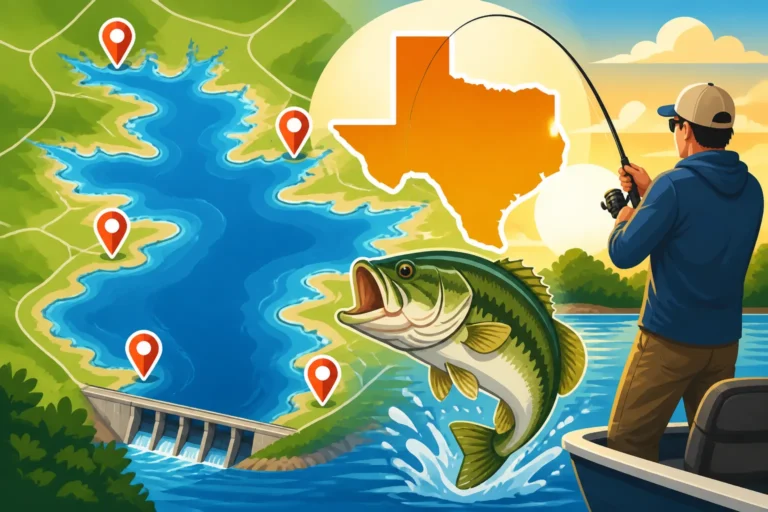
It's incredibly frustrating when you're itching to hit the water, reel in a monster, or just enjoy a peaceful day fishing, but you're overwhelmed by the sheer size and diversity of Texas. With countless lakes, rivers, and miles of coastline, figuring out where to even drop a line can feel like a bigger challenge than catching the fish itself. This comprehensive guide is designed to cut through that confusion, giving you the insider scoop on the very best places to fish in Texas, from trophy bass lakes to serene coastal bays, so you can spend less time planning and more time fishing.
Chasing Freshwater Giants: Top Texas Lakes for Bass, Catfish, and Crappie
Texas is synonymous with big fish, especially when it comes to freshwater species. Our lakes are legendary, not just for their size, but for the incredible populations of largemouth bass, hard-fighting catfish, and slab crappie they hold. If you're looking to target these species, knowing which lakes excel for each can make all the difference in your fishing success.
Trophy Bass Havens: Lake Fork, Sam Rayburn, O.H. Ivie
When the quest is for a true trophy largemouth bass – the kind that makes your heart pound and your arms ache – a few Texas lakes consistently rise to the top. These are not just any fishing holes; they are meticulously managed fisheries renowned for producing ShareLunker-class bass.
Lake Fork, located in East Texas, isn't just a lake; it's a living legend in the bass fishing world. Created specifically as a premier bass fishing lake, its timber-filled depths and abundant forage have consistently produced some of the largest largemouth bass in the state, including the current state record. Anglers here often employ heavy tackle and focus on structure like submerged timber, roadbeds, and creek channels. The sheer possibility of hooking into a 10+ pounder keeps dedicated bass anglers coming back year after year. It's not always easy fishing; the fish are smart, and the cover is thick, but the reward can be life-changing for a serious angler. If you're planning a trip there, our detailed guide on a Lake Fork Fishing Guide can give you an even deeper dive into its secrets.
Not far behind in reputation is Sam Rayburn Reservoir, affectionately known as "Big Sam." This sprawling East Texas impoundment is another titan for largemouth bass, hosting numerous professional tournaments annually. Its vast expanses of hydrilla, lily pads, and timber offer endless opportunities for flipping, pitching, cranking, and topwater action. Big Sam offers a more diverse fishing experience than some highly specialized lakes, with strong populations of crappie and catfish alongside its legendary bass. The challenge here is covering enough water to find active fish, but when you do, the action can be explosive.
Then there's O.H. Ivie Reservoir, a West Texas gem that, despite its remote location, has gained national fame in recent years for producing an astonishing number of truly giant bass. After periods of drought and subsequent refilling, Ivie exploded with record-breaking fish, becoming the envy of bass anglers nationwide. Its unique combination of nutrient-rich waters and diverse structure, including flooded brush and rock formations, creates an ideal environment for bass to thrive and grow to incredible sizes. While the spotlight has drawn more attention, the opportunity to catch a personal best remains very real.
Diverse Freshwater Fisheries: Toledo Bend, Lake Ray Roberts, Lake Livingston
While trophy bass fishing is exciting, sometimes you want a lake that offers a bit of everything – great bass, but also plenty of catfish, crappie, and maybe even some white bass or stripers. Texas has many such lakes where you can enjoy a mixed bag and keep the whole family entertained.
Toledo Bend Reservoir, shared with Louisiana, is not only one of the largest man-made lakes in the country but also a consistent powerhouse for a variety of species. Bass fishing here is phenomenal, with miles of shoreline and extensive underwater structure to explore. But Toledo Bend also boasts incredibly healthy populations of crappie, often schooling around brush piles and timber, and massive blue and channel catfish that prowl its deeper waters and river channels. It's truly an all-around fantastic fishery where you can switch tactics and target different species throughout the day. For more on navigating this huge lake, check out our Toledo Bend Reservoir Fishing Guide.
Lake Ray Roberts, north of Dallas, is another prime example of a diverse fishery. While known for its excellent largemouth bass fishing, it's also a fantastic spot for crappie, especially in the spring and fall when they move into shallower water. Anglers often find good numbers of white bass here, particularly during their spring spawning runs up the Trinity River arm. The lake’s clear waters and varied habitat, from timbered areas to open flats, support a robust ecosystem where multiple species thrive, ensuring there's always something biting.
Lake Livingston, part of the Trinity River system, is a haven for catfish and white bass, though it certainly holds its share of largemouths and crappie too. This massive lake is especially famous for its incredible white bass run in the spring, where anglers line the riverbanks and fill boats with eager fish. The lake's nutrient-rich waters also sustain a thriving catfish population, with big blue cats frequently caught using juglines and trotlines. It’s a lake where you can truly experience the bounty of Texas freshwater fishing, whether you prefer actively casting for bass or passively soaking bait for catfish. If you're interested in trotlines, our guide on Texas Trotline and Jugline Rules can help you get started safely and legally.
Hill Country Lake Wonders: Canyon Lake, Buchanan, Travis
The Texas Hill Country offers a different kind of freshwater fishing experience, combining stunning limestone landscapes with challenging yet rewarding waters. These lakes, often deeper and clearer than their East Texas counterparts, provide a unique angling environment.
Canyon Lake, nestled in the heart of the Hill Country, is often called the "Water Recreation Capital of Texas," but don't let that fool you – the fishing is fantastic. Its deep, clear waters support a diverse fishery, including largemouth bass, Guadalupe bass (the state fish!), and even a surprising population of striped bass. Anglers here often rely on finesse techniques and electronics to locate fish suspended in the clear water or hiding along rocky ledges and submerged brush. The scenery alone makes a trip worthwhile, with dramatic cliffs and crystal-clear water creating a beautiful backdrop for your fishing adventure. It’s a great spot to target the unique Guadalupe bass; for more on them, see our Guadalupe Bass Texas State Fish Guide.
Lake Buchanan, one of the oldest and largest of the Highland Lakes chain, is another Hill Country gem. It's particularly well-known for its excellent striped bass fishing, with anglers often trolling live bait or artificial lures to target these hard-fighting fish in open water. Alongside stripers, Buchanan offers good fishing for largemouth bass, catfish, and crappie. Its rocky shores and numerous coves provide ample habitat, and the relatively undeveloped nature of much of its shoreline offers a more serene fishing experience compared to some busier lakes.
Lake Travis, a sprawling reservoir near Austin, is famous for its clear, deep waters and dramatic canyon-like structure. While it's a popular spot for recreational boating and watersports, serious anglers know it holds strong populations of largemouth bass and various panfish. Fishing here often involves targeting steep drops, rocky points, and submerged timber. The lake can be challenging due to its clarity and depth, but persistence can pay off with quality fish. The opportunity to catch fish against the backdrop of the Hill Country's natural beauty adds an extra layer of enjoyment to any outing on Lake Travis.
The Gulf Coast's Bounty: Premier Saltwater Fishing Destinations
Moving from the calm freshwater lakes to the dynamic saltwater coastline of Texas is like stepping into a whole new world of angling opportunities. The Texas Gulf Coast stretches for hundreds of miles, offering everything from shallow bay systems teeming with redfish and speckled trout to the deep blue waters of the Gulf of Mexico where pelagic species roam.
Bay Systems: Galveston, Matagorda, Corpus Christi
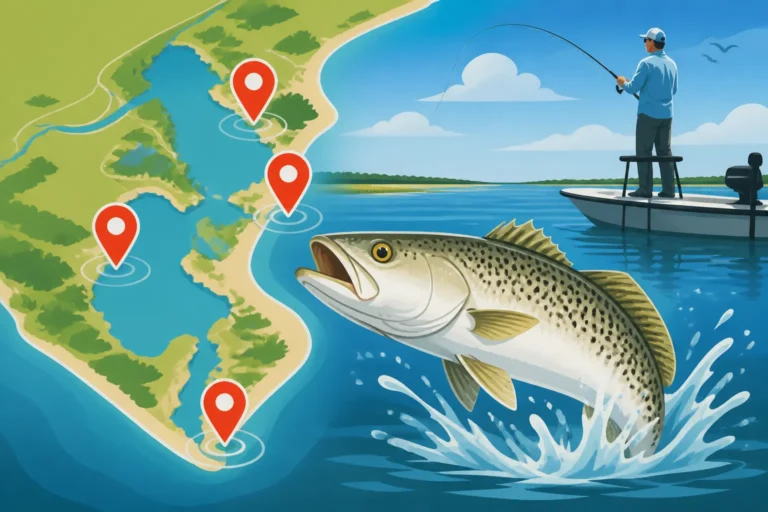
The expansive bay systems along the Texas coast are the lifeblood of its inshore saltwater fishing scene, offering incredible opportunities for wade fishing, kayak angling, and boat-based expeditions. These shallow, nutrient-rich estuaries are prime habitat for the "Big Three" – redfish, speckled trout, and flounder.
Galveston Bay, being the largest bay system on the Texas coast and conveniently located near Houston, sees a lot of fishing pressure, but it consistently produces excellent catches. Its vast network of marshes, bayous, and open water flats means there's always a new spot to explore. Anglers here target speckled trout under diving birds, chase redfish tailing in shallow grass, and stalk flounder along sandy bottoms and around jetties. Whether you're casting soft plastics, topwater lures, or live shrimp, Galveston Bay offers a dynamic fishing experience. If you’re looking to get started, our article on Galveston Bay Fishing Spots can help you pinpoint some productive areas.
Further down the coast, Matagorda Bay offers a slightly less crowded, but equally productive, fishing environment. Known for its extensive oyster reefs, healthy grass flats, and numerous bayous, Matagorda is a favorite among wade fishermen and kayakers. The ecosystem here is thriving, supporting robust populations of trout and redfish that readily strike artificial lures. It’s a place where you can truly immerse yourself in the bay fishing experience, often finding solitude even on busy weekends. The bay's complex structure provides endless opportunities for both sight-casting and blind-casting for aggressive fish.
The Corpus Christi Bay system, including its adjacent Upper Laguna Madre and Baffin Bay, is legendary for its clear, shallow waters and the potential for true trophy speckled trout and redfish. The Upper Laguna Madre, in particular, is one of only five hypersaline lagoons in the world, creating a unique habitat that grows massive trout. Anglers often spend days sight-fishing for cruising redfish and "gator" trout over vast grass flats. The clarity of the water here demands stealth and precision, but the rewards can be incredible. A trip to this area often involves exploring miles of pristine flats, either on foot, by kayak, or with a shallow-running boat, making it a dream destination for serious saltwater enthusiasts. Our guide on Texas Saltwater Fishing Techniques covers many approaches useful in these bay systems.
Jetty and Pier Adventures: Port Aransas, Galveston Island, Freeport
For those without a boat, or simply looking for an accessible and often productive fishing experience, Texas's numerous jetties and fishing piers offer fantastic opportunities to connect with both inshore and nearshore species.
The jetties at Port Aransas, extending far into the Gulf, are a prime example. These rock structures act as fish magnets, concentrating baitfish and, consequently, predator species. From the jetties, anglers can catch a wide variety of fish, including speckled trout, redfish, flounder, Spanish mackerel, kingfish, and even sharks. The fishing can change dramatically with the tides and seasons, offering different challenges and rewards throughout the year. It's a place where you can cast live bait, artificial lures, or simply soak a dead shrimp and still have a chance at a great catch. Remember to be mindful of the currents and slick rocks!
Galveston Island boasts several popular fishing piers, including the Galveston Fishing Pier and Pleasure Pier. These structures provide easy access to deeper water without the need for a boat. From these piers, you can target species like speckled trout, redfish, drum, croaker, whiting, and often large schools of baitfish. They are excellent spots for families and beginners, offering amenities like bait shops and restrooms. The social atmosphere of pier fishing, combined with the convenience and variety of catches, makes them perennial favorites. If you’re considering pier fishing, our article on Best Texas Piers for Fishing Without a Boat has more great suggestions.
Freeport, with its impressive jetties, offers another excellent option for shore-bound and pier anglers. Similar to Port Aransas, the Freeport jetties are magnets for fish, attracting a diverse range of species from the bays and the open Gulf. Here, you can experience fast action on mackerel during their runs, pull in hefty red drum, or even battle a formidable shark. The jetties provide excellent vantage points for spotting schools of bait and predator activity, making for an exciting and dynamic fishing experience. Many local charters also operate out of Freeport, offering access to both jetty fishing and nearshore reefs.
Offshore Excursions: Deep Sea Riches
For the adventurous angler seeking bigger game and a true test of strength, venturing into the deep waters of the Gulf of Mexico off the Texas coast offers an unparalleled experience. Offshore fishing typically involves chartering a boat and traveling many miles out to sea, but the rewards can be spectacular.
One of the most sought-after species in the Texas offshore waters is the Red Snapper. These delicious and powerful fish inhabit rocky reefs, ledges, and artificial structures (like oil rigs and sunken vessels) in depths ranging from 50 to hundreds of feet. The season for recreational red snapper is often short and regulated by federal authorities, making every opportunity to target them incredibly valuable. Anglers usually use heavy tackle, dropping baits like squid, pogies, or chunks of fish down to the bottom. Hooking into a big snapper provides a thrilling fight and a delectable reward for the dinner table. Be sure to stay updated on Texas Saltwater Fishing Regulations for the latest season information.
Beyond snapper, the deeper waters off Texas are home to pelagic species that patrol the open ocean. King Mackerel, often simply called "kings," are speed demons that will violently strike trolled baits or live baitfish. Their blistering runs and aggressive nature make them a favorite target for sport fishermen. Mahi-Mahi, also known as dolphin fish, are another vibrant and acrobatic species found offshore, often congregating around floating sargassum weed lines. Tuna, including blackfin and yellowfin, can also be found further offshore, particularly around deepwater oil platforms, offering an ultimate challenge for seasoned anglers. When targeting these species, especially tuna, consider using a fishing guide or charter service. Many reputable guides can be found using platforms like FishingBooker, which connect you with local experts who know the best spots and techniques for a successful offshore trip.
The deep-sea fishing experience is about more than just the catch; it’s about the vastness of the ocean, the excitement of the chase, and the camaraderie among anglers. It requires specialized gear, knowledge of navigation, and a keen understanding of ocean currents and conditions.
Serene Waters: Texas Rivers and Streams for Unique Angling
While lakes and bays often get the most attention, Texas also boasts a fantastic network of rivers and streams that offer unique and often more tranquil fishing experiences. From cold-water trout fisheries to sprawling river systems teeming with catfish and gar, these waterways provide a different kind of angling adventure.
Guadalupe River: Trout Fishing in the South
It might sound surprising to talk about trout fishing in Texas, a state known for its heat, but the Guadalupe River below Canyon Lake Dam is a true anomaly and a unique treasure. Thanks to the cold water discharged from the bottom of Canyon Lake, a stretch of the Guadalupe River sustains a put-and-take trout fishery, primarily stocked with rainbow trout by the Texas Parks and Wildlife Department (TPWD) and local organizations.
This roughly 10-mile stretch of river, particularly from the dam down to New Braunfels, becomes a prime destination for fly fishermen and spin anglers alike during the cooler months, typically from November through March. The scenery is absolutely stunning, with cypress-lined banks and limestone bluffs defining the character of the Hill Country. Anglers wade the clear, flowing waters, casting small nymphs, dry flies, or ultralight spinning gear with small inline spinners or PowerBait. It's a stark contrast to the bass fishing on warm-water lakes and offers a refreshing change of pace, especially when the rest of the state is thinking about warm-water species. For a dedicated trip, our Guadalupe River Trout Fishing Guide can provide all the details you need for success.
The Guadalupe also holds healthy populations of native Guadalupe bass, largemouth bass, and various panfish, so even outside of trout season, there's always something to target. The key is adapting your approach to the cool, clear water and understanding the seasonal stocking schedules. Many local outfitters offer guided fly fishing trips, which can be invaluable for newcomers to this specialized fishery.
Brazos and Trinity Rivers: Catfish and Alligator Gar
For those who prefer big, powerful freshwater fish that tug hard on the line, the major river systems of Texas, like the Brazos and Trinity, are absolute goldmines for catfish and the prehistoric Alligator Gar. These rivers offer a more rugged, traditional fishing experience, often from the bank or a smaller boat.
The Brazos River, winding its way across a large portion of Central Texas, is a legendary catfish destination. Its slow-moving, often murky waters are ideal habitat for massive blue catfish, channel catfish, and flatheads. Anglers frequently target deep holes, bends, and logjams, using a variety of baits from cut shad and prepared stink baits to live perch. Bank fishing access is plentiful, particularly around parks and road crossings, making it accessible for many. Trotlines and juglines are also popular and highly effective methods for harvesting large quantities of catfish in the Brazos, provided you adhere to local regulations and tagging requirements. This river is a fantastic place to experience the brute strength of a Texas river cat. You can learn more about targeting these monsters in our Texas Catfish Species Guide.
The Trinity River, especially its lower stretches, is internationally recognized as a premier destination for Alligator Gar. These truly ancient and awe-inspiring fish can grow to immense sizes, often exceeding 7 feet and weighing hundreds of pounds. The Trinity's slow currents, abundant forage, and vast wilderness areas create the perfect environment for these apex predators. Anglers targeting gar often use heavy-duty gear, dead carp or shad as bait, and specialized techniques, often involving substantial waiting periods for a bite. It's not a fishery for the faint of heart, but landing an Alligator Gar is an unforgettable experience. For more on this unique pursuit, consult our Texas Alligator Gar Fishing Guide. Beyond gar, the Trinity is also excellent for catfish and white bass, particularly during their spawning runs.
Lesser-Known Gems: Colorado River, Devils River
Beyond the main highways and popular access points, Texas holds many lesser-known river and stream sections that offer incredible fishing in pristine, often remote, environments. These spots often require a bit more effort to reach but reward anglers with solitude and unique catches.
The Texas Colorado River, distinct from its more famous western namesake, flows from West Texas through the Hill Country and eventually empties into Matagorda Bay. While parts of it are dammed to form the Highland Lakes, long stretches remain free-flowing, offering excellent fishing for largemouth bass, Guadalupe bass, catfish, and various panfish. The river's character changes dramatically along its course, from rocky Hill Country sections perfect for wading or kayaking, to wider, slower stretches better suited for jon boats or bank fishing. These less-traveled areas provide a sense of adventure and the chance to discover your own private fishing paradise, often surrounded by untouched nature.
The Devils River, located in a remote part of Southwest Texas, is truly in a league of its own. Widely considered one of the most pristine rivers in the state, its spring-fed, crystal-clear waters are home to an abundance of Guadalupe bass, largemouth bass, and other species. The Devils River is famous for its breathtaking beauty and challenging rapids, making it a popular destination for serious kayakers and canoeists. Access is highly restricted, with much of the river flowing through private land or state natural areas requiring permits and reservations. This limited access helps maintain its incredible ecological integrity and ensures a truly wild and unforgettable fishing experience for those who make the journey. It's a place where you're more likely to see wildlife than other anglers, offering an unparalleled sense of wilderness.
Angling for Everyone: Family-Friendly and Beginner-Friendly Spots
One of the greatest joys of fishing is sharing it, especially with beginners or the younger generation. Luckily, Texas understands this, offering a wealth of accessible, well-stocked, and safe locations that are perfect for introducing someone to the sport or just enjoying a relaxed day on the water without the pressure of chasing trophy fish.
State Parks: Easy Access and Stocked Ponds
Texas State Parks are absolute gems for family fishing trips. They often combine natural beauty with well-maintained facilities, making them ideal for a day out with kids or for anglers who prefer fishing from shore. Many parks offer easy access to lakes, rivers, or bays, and some even have fishing piers or specific designated fishing areas.
Consider places like Inks Lake State Park in the Hill Country, which offers diverse fishing for largemouth bass, catfish, and sunfish from its banks or fishing pier. The park amenities, like picnic areas, restrooms, and hiking trails, make it easy to turn a fishing trip into a full family outing. Galveston Island State Park provides direct access to both bay and surf fishing, allowing families to explore different types of saltwater environments. They often have educational programs too, making it a great learning experience. Our comprehensive guide on the Best Texas State Parks for Fishing offers even more fantastic options across the state.
A significant benefit of many state parks is the provision for Free Shoreline Fishing at Texas State Parks. This means that if you're fishing from the bank or a pier within a Texas State Park, you might not need a fishing license. This rule is a fantastic cost-saver and barrier-reducer for families or individuals looking to try fishing without the initial investment of a license. It’s always wise to double-check the specific rules for the park you plan to visit, as some exceptions might apply, but generally, it's a huge win for accessibility. This policy encourages new anglers to pick up a rod and experience the joy of fishing.
Neighborhood Fishin' Program: City Ponds for Quick Trips
For those living in or near urban centers, the thought of driving hours to a "good" fishing spot can be a major deterrent. That's where the Texas Parks and Wildlife Department's (TPWD) Neighborhood Fishin' program steps in, providing incredibly convenient and productive fishing opportunities right in the heart of many communities.
This program focuses on stocking small urban lakes and ponds with channel catfish during the warmer months and rainbow trout during the cooler seasons. These ponds are typically easily accessible, well-maintained, and designed with family fishing in mind. They often feature fishing piers, paved walkways, and ample parking, making them ideal for quick after-school trips or a relaxed weekend outing. The frequent stocking ensures a high chance of catching fish, which is absolutely crucial for keeping kids engaged and building confidence in new anglers. Imagine the excitement on a child's face when they reel in their first catfish or trout just minutes from home!
Examples of successful Neighborhood Fishin' ponds can be found in major cities like Houston, Dallas, Austin, San Antonio, and Fort Worth, as well as many smaller communities. These locations are constantly monitored and managed by TPWD to ensure a quality fishing experience. They truly solve the problem of accessibility for city dwellers and new anglers, proving that you don't need a huge boat or a long drive to enjoy fishing. It's also worth noting that generally, Can kids under 17 fish without a license in Texas? is answered with a resounding "yes," making these stocked urban ponds even more appealing for families with young children.
Beyond the Horizon: Planning Your Texas Fishing Expedition
Embarking on a fishing trip in Texas, whether it's a local pond or a major reservoir, involves a bit more than just grabbing a rod and going. Strategic planning, understanding regulations, and knowing when and how to seek expert help can significantly enhance your experience and success.
Choosing a Guide or Charter: Expertise and Local Knowledge
While self-guided trips are fantastic, sometimes, especially when exploring a new body of water or targeting a specific, elusive species, the expertise of a local guide or charter captain can be invaluable. They literally spend their lives on the water, understanding patterns, knowing the best spots, and often possessing specialized equipment that isn't accessible to the average angler.
A good guide doesn't just put you on fish; they teach you. They'll explain why certain baits work, how to read the water, and what local nuances you need to be aware of. This is particularly true for complex bay systems, vast offshore waters, or highly specialized fisheries like the Devils River or targeting trophy Alligator Gar. Imagine showing up at Lake Fork for the first time without a guide – it’s a massive lake full of timber, and finding those big bass requires intimate knowledge of specific submerged structures. A guide cuts through that learning curve instantly.
When looking for a guide, consider their specialization (e.g., bass, trout, redfish), their reputation, and what's included in their service. Platforms like FishingBooker are incredibly useful for this, allowing you to browse local guides in specific areas, read reviews from other anglers, and compare prices and offerings. They make the process of finding a reputable expert straightforward and transparent. Also, remember that reputable guides operate legally; you might wonder Does a fishing guide need a special Texas license?, and the answer is yes, they need specific licenses and often Coast Guard certifications for saltwater operations, ensuring safety and professionalism. Investing in a guide, even for a day, can transform a potentially frustrating trip into an educational and highly successful one.
Essential Gear and Licenses: What You Need Before You Go
Before you even think about casting a line, ensuring you have the right gear and, crucially, the correct Texas fishing license is non-negotiable. Trying to fish without a license is not only illegal but can lead to hefty fines and a ruined day.
First, let's talk about licenses. Almost everyone fishing in Texas needs one. There are different types – freshwater, saltwater, all-water, resident, non-resident, short-term, annual. Understanding the nuances, like whether you need a saltwater endorsement for bay fishing, can be confusing. Our detailed guide on Texas Fishing License Requirements Explained breaks down exactly what you need, who is exempt (like very young children or those born before 1931), and how to acquire your license. You can purchase them online, by phone, or at various retailers like sporting goods stores and even Walmart. Don't risk a citation; buy your license first!
Next, gear. For beginners, you don't need to break the bank. A basic spinning rod and reel combo, appropriate for the size of fish you're targeting, some monofilament line, a few hooks, sinkers, and bobbers, along with a pair of pliers and a small tackle box, will get you started. If you're heading to the coast, make sure your gear is rated for saltwater to prevent corrosion. Live bait is often the easiest and most effective way for beginners to catch fish, be it earthworms for freshwater or shrimp for saltwater. For more ideas on what to pack, our Beginner Fishing Gear Checklist for Texas provides a comprehensive list of essentials. As you gain experience, you can start investing in more specialized rods, reels, lures, and electronics, but for a solid start, keep it simple and focus on learning the basics.
Best Times to Visit: Seasonal Strategies for Success
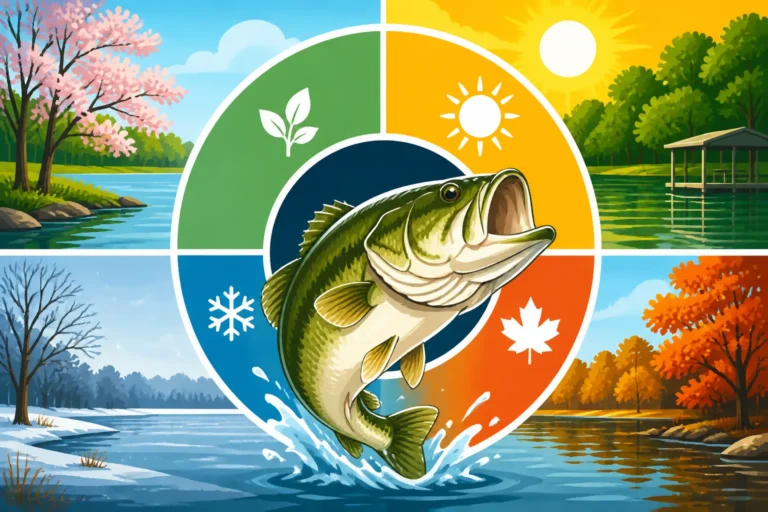
Texas fishing is a year-round affair, but the "best" time to visit a particular spot or target a specific species can vary dramatically with the seasons. Understanding these seasonal shifts is key to maximizing your chances of success and avoiding frustratingly slow days.
- Spring (March – May): This is arguably the most popular time for freshwater fishing, especially for bass. The fish are shallow, actively feeding, and preparing to spawn (or are actively spawning), making them more aggressive and accessible. The famous white bass runs in many rivers and creeks also occur in spring. For saltwater, it's a transition period; milder weather brings fish into the bays, and the first migratory species start appearing along the coast. It’s a fantastic time for both freshwater and saltwater species. Our piece on the Best Time of Year to Fish in Texas covers this in more depth.
- Summer (June – August): The Texas summer heat can be intense, but the fishing remains excellent if you adapt. For freshwater, this often means fishing early morning, late evening, or at night. Fish move deeper to cooler waters, so targeting submerged structure and thermoclines becomes crucial. Saltwater fishing thrives, with robust bay action and offshore opportunities for species like kingfish, mahi-mahi, and red snapper (when in season). Staying hydrated and protecting yourself from the sun are paramount during summer trips.
- Fall (September – November): A favorite for many Texas anglers. As temperatures cool, both freshwater and saltwater species become incredibly active, often entering a "feeding frenzy" in preparation for winter. Bass chase baitfish schools, crappie become more predictable, and the flounder run along the coast is a highly anticipated event. Redfish and speckled trout are also very aggressive in the bays during this time.
- Winter (December – February): While slower for some species, winter can offer incredible opportunities for others. The Guadalupe River's trout fishery is at its peak. Large blue catfish are often found schooling in deep holes in major rivers and lakes. On the coast, "speckled trout slicks" and schooling redfish can provide fast action on clear, mild days. Winter often means fewer crowds, but layering clothing and checking weather forecasts are important.
Each season presents its own challenges and rewards. By knowing what to expect, you can plan your trip for optimal conditions, whether you're targeting a specific species or just looking for a pleasant day on the water.
Specialized and Unique Texas Fishing Experiences
Texas isn't just about conventional rod-and-reel fishing. For the adventurous or those looking to try something truly different, the state offers several unique and specialized angling methods, each with its own set of thrills, challenges, and regulations.
Bowfishing and Spearfishing: Different Styles, Different Thrills
If you’re seeking a more primal and active form of hunting fish, bowfishing and spearfishing offer exhilarating alternatives to traditional rod-and-reel angling. These methods require different skills, gear, and a keen eye, focusing on sight-hunting rather than passive waiting.
Bowfishing, particularly popular in Texas freshwater lakes and rivers, involves using a bow and arrow (with specialized barbed points and a reel attached to the arrow) to shoot fish in shallow water. This method is often done at night from a boat equipped with powerful lights to illuminate the water, or during the day in clear, shallow areas. Common targets for bowfishing include carp, gar (especially Alligator Gar), buffalo, and sometimes even drum. It's a highly visual and exciting sport, requiring good hand-eye coordination and quick reflexes. The thrill comes from spotting your target, taking aim, and hitting it with an arrow. Our article on Texas Bowfishing License Requirements will walk you through what you need to legally engage in this unique pursuit, ensuring you’re well-prepared before you head out.
Spearfishing, on the other hand, is predominantly a saltwater activity in Texas, practiced in the bays and offshore. It involves diving into the water (either freediving or scuba diving) and using a speargun or pole spear to hunt fish. In the bays, spearfishermen often target flounder, sheepshead, and sometimes red drum in clear, shallow areas. Offshore, the targets expand to include snapper, amberjack, and various pelagic species, adhering to specific depth and species regulations. Spearfishing requires excellent swimming skills, breath-holding ability (for freedivers), and a deep understanding of fish behavior and marine environments. It's an immersive experience that connects you directly with the underwater world. Regulations for spearfishing can be quite specific regarding species, seasons, and gear, so consulting our Texas Spearfishing License and Regulations is crucial before you dive in.
Noodling and Hand Fishing: An Ancient Texas Tradition
For the truly fearless and adventurous, noodling – also known as hand fishing – is an ancient and extremely hands-on method of catching catfish that has a deep tradition in Texas. This isn't for everyone, as it involves physically wrestling with powerful fish in their underwater lairs.
Noodling primarily targets large flathead catfish, which are cavity dwellers. The technique involves wading or swimming in murky rivers or lakes, feeling for submerged logs, undercut banks, or rock crevices where these big cats might be hiding. Once a hole is located, the noodler intentionally sticks their arm into the cavity, provoking the catfish to bite their hand or arm. The angler then grapples with the fish, often pulling it out of the hole by its jaw. It’s a raw, intense, and incredibly physical method that requires nerves of steel and a high tolerance for getting up close and personal with a large, powerful, and often toothy fish.
While thrilling, noodling carries inherent risks, including bites from the catfish itself, or encountering other underwater creatures like snakes or snapping turtles. Because of its unique nature and potential risks, noodling is regulated. You might be asking, Is noodling legal in Texas?, and the answer is yes, but with specific rules. Anglers must still possess a valid Texas fishing license, and there are restrictions on the time of year (typically only permitted during specific months, usually in the summer) and methods used. It’s a testament to the diverse and sometimes unconventional fishing culture found in Texas.
| Fishing Destination Type | Primary Species | Best For | Key Characteristics |
|---|---|---|---|
| Trophy Bass Lakes | Largemouth Bass | Serious Anglers, Tournaments | Submerged timber, hydrilla, big fish potential |
| Diverse Freshwater Lakes | Bass, Catfish, Crappie, White Bass | All-around Anglers, Families | Varied habitat, consistent action, large bodies of water |
| Hill Country Lakes | Bass (incl. Guadalupe), Striped Bass, Panfish | Scenic Fishing, Mixed Bag | Clear water, rocky structure, beautiful landscapes |
| Coastal Bay Systems | Redfish, Speckled Trout, Flounder | Wade Fishing, Kayak Anglers, Inshore Boats | Shallow flats, oyster reefs, marsh grass |
| Jetties & Piers | Trout, Redfish, Mackerel, Drum, Shark | Beginners, Shore Anglers, Families | Easy access, varied species, structured fishing |
| Offshore Waters | Red Snapper, King Mackerel, Mahi-Mahi, Tuna | Experienced Anglers, Charters | Deep water, large pelagic species, big game thrills |
| Guadalupe River | Rainbow Trout, Guadalupe Bass | Fly Fishing, Cold-water Anglers | Cold, clear water, stocked trout, scenic Hill Country |
| Major Rivers (Brazos, Trinity) | Catfish, Alligator Gar, White Bass | Bank Fishing, Trotlining, Trophy Gar Hunters | Murky water, strong currents, large bottom dwellers |
| State Park Ponds | Catfish, Rainbow Trout, Sunfish | Families, Beginners, Easy Access | Stocked, amenities, often no license needed from shore |
| Neighborhood Fishin' Ponds | Catfish, Rainbow Trout | Urban Anglers, Kids, Quick Trips | Frequently stocked, city accessible, basic gear friendly |
Disclaimer
The information provided in this guide is for general informational purposes only and is subject to change. Fishing regulations, license requirements, and fish stocking schedules in Texas are set by the Texas Parks and Wildlife Department (TPWD) and can be updated annually or more frequently. It is always the responsibility of the angler to verify the most current regulations and obtain the appropriate licenses before engaging in any fishing activity. Always prioritize safety, practice ethical angling, and respect private property.