Galveston Bay Fishing Spots
Galveston Bay is a colossal, complex system, and for many anglers, the sheer size and diverse habitats can feel overwhelming when you're trying to figure out where the fish are hiding. It’s easy to spend a whole day out there, burning gas, and casting into empty water if you don't know the local secrets. This guide is here to cut through the confusion, offering a deep dive into the most productive fishing spots in Galveston Bay, tailored for every kind of angler.
Understanding the Galveston Bay Estuary System
Galveston Bay isn't just one big body of water; it's a dynamic estuary system, a complex network of bays, lakes, bayous, and channels that constantly interact with the Gulf of Mexico. This unique environment, where freshwater from rivers like the Trinity and San Jacinto mixes with the salty Gulf waters, creates an incredibly rich ecosystem that supports an abundance of fish species. Understanding this interaction is key to unlocking its fishing potential.
The Dynamic Role of Geography and Tides
The geography of Galveston Bay is incredibly diverse, ranging from shallow, oyster-laden reefs to deep shipping channels, vast open flats, and intricate marsh systems. This variety means different species will gravitate to different areas depending on their feeding patterns, spawning needs, and protection from predators. For instance, the shallow flats and marsh edges are often teeming with baitfish, attracting hungry predators like redfish and speckled trout, especially during higher tides. Conversely, deeper channels and structure, like oil rigs or wrecks, tend to hold fish like black drum and large sheepshead.
Tides play an absolutely critical role in Galveston Bay fishing, arguably more so than in many inland lakes. The constant ebb and flow of water dictate when and where fish will feed. A strong incoming tide often pushes baitfish into shallower areas, making them easier targets for game fish. An outgoing tide can pull baitfish out of the marshes and into the bayous, concentrating predators at pinch points. Learning to read the tides – and knowing how they affect specific locations – will dramatically improve your success rate. Pay attention to lunar cycles and local tide charts; even a slight difference in water movement can turn a slow day into an epic one. For a broader understanding of how water movement impacts your catch, consider exploring guides on the Best Tides for Fishing Texas Bays.
Key Target Species in Galveston Bay
Galveston Bay is a true angler’s paradise because of the incredible diversity of fish you can target. While you might stumble upon a wide array of species, there are a few mainstays that most anglers seek out, each with its own preferred habitats and feeding habits within the bay system.
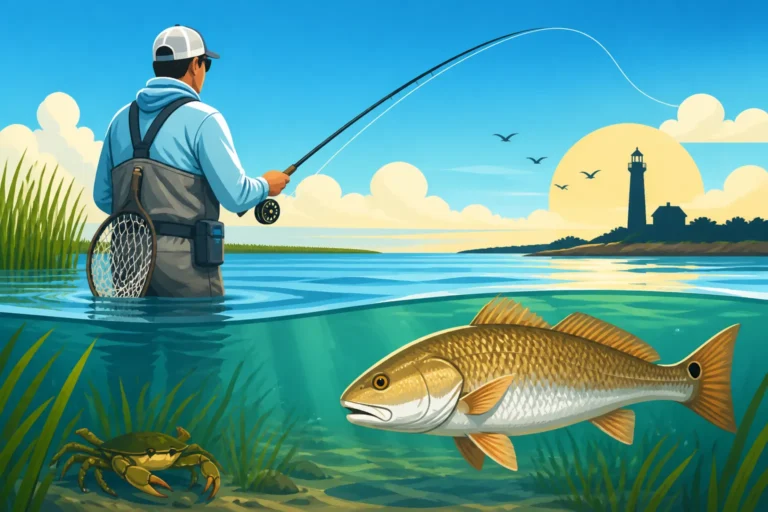
Redfish (Red Drum): These are arguably the most iconic species in Galveston Bay, known for their powerful fights and delicious table fare. You'll find redfish ranging from the shallowest backlakes and marsh grass lines to the deeper channels and jetties. They are opportunistic feeders, often patrolling oyster reefs, mud flats, and sand pockets. Look for them tailing in shallow water during high tides or schooling up in deeper guts when the tide is low. These fish are a blast to catch, whether you're sight-casting with artificials or using cut bait. For those really chasing the elusive trophy, understanding Texas Redfish Size and Bag Limits is crucial.
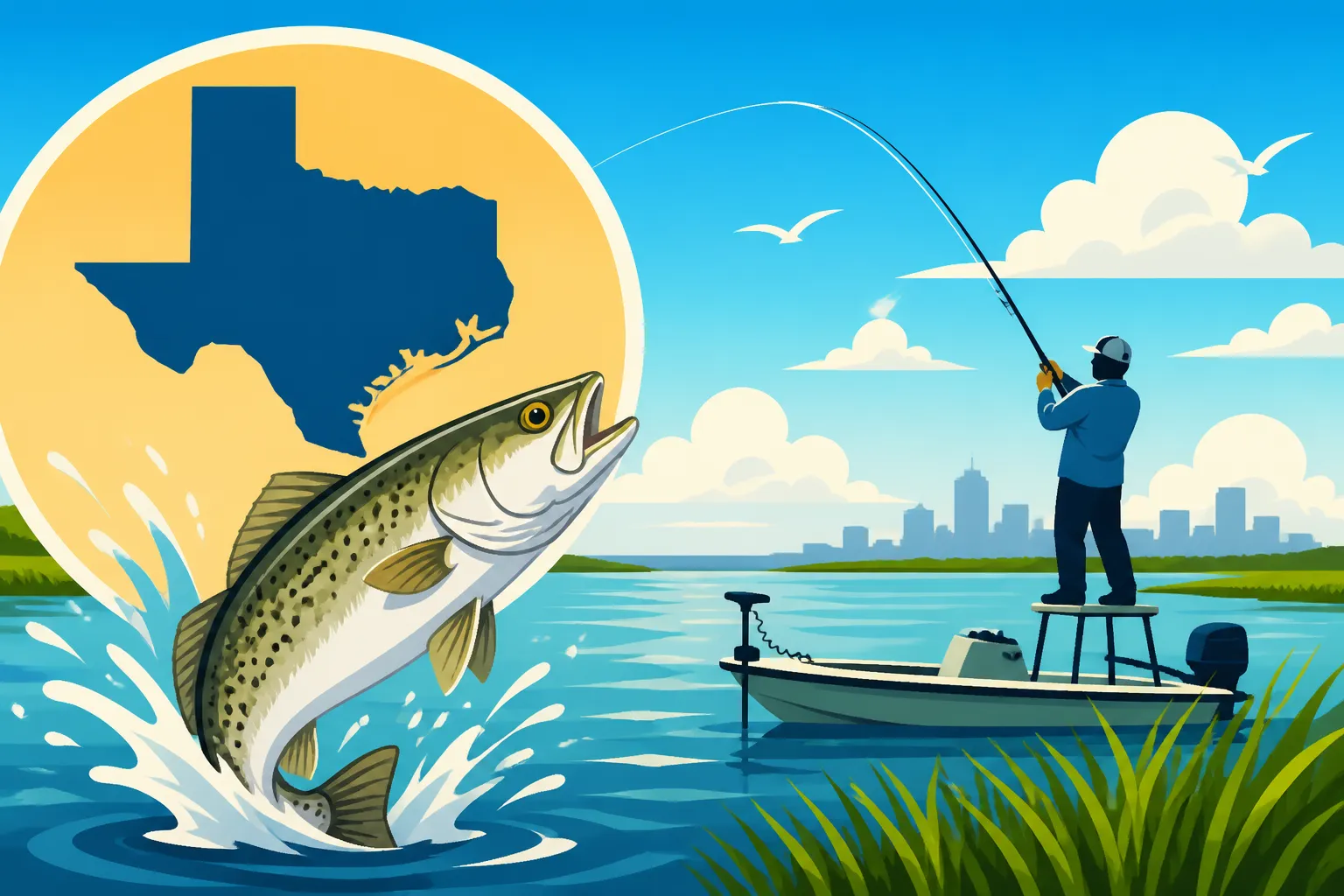
Speckled Trout (Spotted Seatrout): Another prized catch, speckled trout are renowned for their aggressive strikes and delicate flavor. They prefer areas with good current and structure, often congregating around shell reefs, submerged grass beds, and drop-offs. Live shrimp and artificial lures like soft plastics under a popping cork are incredibly effective. Trout fishing can be fantastic year-round, but specific seasons, especially spring and fall, offer incredible opportunities for larger "gator" trout. Knowing how to identify Texas Speckled Trout Identification Guide will help you differentiate them from other species.
Flounder (Southern Flounder): The elusive flounder is a favorite for many, famous for its ambush predation tactics. They lie camouflaged on the bottom, often near sandy bottoms adjacent to structure like jetties, bulkheads, or oyster reefs. Flounder fishing typically peaks during their fall migration, known as the "flounder run," when they move from the bays to the Gulf to spawn. Gigging for flounder at night is also a popular method. Check out Texas Flounder Season and Limits before you head out, as their regulations can change to protect the species.
Other Notable Species: Beyond these big three, Galveston Bay offers plenty of other action. You can encounter Black Drum, especially around oyster reefs and muddy bottoms, known for their size and distinct "drumming" sound. Sheepshead are common around pilings, jetties, and other barnacle-covered structures, famous for their human-like teeth. Whiting and Croaker are plentiful and great for kids or as bait. In the deeper channels, you might even hook into Gafftop Catfish or even small Sharks. Each species adds another layer of excitement to a day on the bay.
Top Galveston Bay Fishing Hotspots
When it comes to Galveston Bay, certain locations consistently produce fish because of their unique blend of habitat, current, and food sources. These are the spots that seasoned anglers return to time and time again, and for good reason. Whether you’re on a boat or fishing from shore, these areas offer prime opportunities.
The North and South Jetties: Gates to the Gulf
The Galveston jetties, both North and South, are absolute fishing magnets and for many, the quintessential Galveston Bay fishing experience. These rock structures extend miles into the Gulf of Mexico, acting as a massive artificial reef and a funnel for migrating fish and bait.
North Jetty: Accessible primarily by boat, the North Jetty runs along the Bolivar Peninsula. This area is a powerhouse for fishing, offering deep water access and a constant exchange of bay and Gulf waters. Here, you can target a wide array of species, including large speckled trout, bull redfish, king mackerel, and even ling (cobia) during certain times of the year. Anglers often drift baits like live shrimp or croaker along the jetty rocks, or cast artificials into the deeper guts and current breaks. The surf side of the North Jetty can also be phenomenal for Texas Saltwater Fishing Techniques, especially for sharks and larger migratory species. The sheer volume of structure and current here means you need to be prepared for strong currents and potentially snagging your line, but the rewards can be immense.
South Jetty: Located on the eastern tip of Galveston Island, the South Jetty is more accessible by vehicle, particularly its landward sections. You can walk out quite a distance, though the rocks can be challenging. Like its northern counterpart, the South Jetty is a prime location for redfish and speckled trout, especially closer to the bay entrance where the currents are strong. It’s also excellent for catching baitfish like pogies and mullet, which in turn attract larger predators. For those with boats, fishing the Gulf side of the South Jetty can yield snapper, kingfish, and even dorado when conditions are right. Anglers fishing from the rocks often use heavy bottom rigs with fresh cut bait or live shrimp. It's a fantastic spot for a full day's outing, with plenty of action if you hit it right.
Eagle Point: A Hidden Gem for Bay Species
Eagle Point, located on the western shore of Galveston Bay near San Leon, is a beloved spot for many local anglers, often considered a hidden gem compared to the more popular jetties. It's less about deep-sea monsters and more about consistent catches of classic bay species.
This area is characterized by extensive oyster reefs, shallow mud flats, and marshy shorelines, making it a perfect habitat for redfish, speckled trout, and flounder. The numerous boat ramps and fishing piers around Eagle Point, including the Galveston County Fishing Pier, offer easy access for both boaters and bank anglers. Anglers often drift across the reefs with live shrimp or fish popping corks in the shallow cuts and bayous. The currents around Eagle Point are generally milder than at the jetties, making it a bit more forgiving for less experienced boaters. When you’re looking for Galveston Bay redfish fishing spots, Eagle Point should definitely be on your radar.
The ecosystem here thrives due to the outflow from nearby freshwater sources, enriching the waters with nutrients that fuel the food chain. Kayak anglers find Eagle Point particularly attractive because they can easily navigate the shallow backlakes and marsh edges where larger boats can't go. This allows for quiet, stealthy approaches to tailing redfish and schooling trout. Consider using a guide service found on platforms like FishingBooker if you're new to the area, as their local knowledge can pinpoint the most active reefs and channels.
San Luis Pass: The Western Exchange
San Luis Pass, located at the far western end of Galveston Island, connects West Galveston Bay to the Gulf of Mexico. It's a notorious stretch of water known for its incredibly strong currents but also its fantastic fishing opportunities.
The pass acts as a major bottleneck, channeling huge volumes of water and baitfish between the bay and the Gulf, making it an ambush point for a wide variety of predators. It’s a prime spot for speckled trout, redfish, and flounder, especially during tidal changes. The deep cuts and eddies created by the swift currents are perfect hiding spots for hungry fish. Anglers fishing from the shore, particularly near the Galveston Island side, can cast into these turbulent waters, often using heavier weights to hold their bait on the bottom. Live bait, like shrimp or finger mullet, is king here, but heavier jigs and soft plastics can also be effective.
Boaters need to exercise extreme caution at San Luis Pass due to the powerful and unpredictable currents. It's not a place for beginners. However, for experienced boaters, drifting with the tide through the deeper parts of the pass can yield impressive catches. This area is especially popular during the fall flounder run and for catching large bull reds. Always check local regulations and safety advisories before venturing out to San Luis Pass, and be mindful of other boaters and anglers. If you're looking for more general "hot spots" along the coast, a broader guide on the Best Texas Gulf Coast Fishing Spots might provide some useful context for other similar areas.
Accessible Fishing Piers and Jetties for Every Angler
Not everyone has a boat, and honestly, sometimes it’s just nice to walk out onto a pier or jetty, cast a line, and enjoy the bay breeze without the hassle of launching a boat. Galveston Bay offers some excellent land-based options that consistently produce fish and provide a fantastic experience for anglers of all skill levels, from families with kids to seasoned veterans.
Galveston Island State Park Pier: Family-Friendly and Productive
Galveston Island State Park is a true gem on the western side of Galveston Island, offering incredible access to both the bay and Gulf. While much of the park is perfect for wade fishing, its pier is an excellent option for those who prefer to keep their feet dry. The park's bay side pier, specifically, provides a safe and productive environment for anglers.
This pier allows you to cast into the shallower, nutrient-rich waters of West Galveston Bay. You can expect to catch a variety of smaller species like croaker, sand trout, and drum, which are perfect for kids to reel in. But don't let the "family-friendly" tag fool you; larger speckled trout and redfish often cruise within casting distance, especially during incoming and outgoing tides. Live shrimp or artificials under a popping cork are go-to baits here. The park offers amenities like restrooms and picnic areas, making it a great choice for a full day outing. Plus, you get to enjoy the beautiful natural surroundings of the state park. For rules and regulations, you might want to check if Free Shoreline Fishing at Texas State Parks applies, or if there are specific park fees.
One of the big advantages of fishing at Galveston Island State Park is the diverse habitat. You've got marsh grass, shallow flats, and small channels all within casting range. This variety means you can switch up your techniques and target different species throughout the day. If you’re introducing someone new to saltwater fishing, this pier provides a comfortable and rewarding entry point. Local guides, often found through services like FishingBooker, sometimes run trips targeting the productive areas near the park, which can be invaluable for learning the nuances of the area.
Texas City Dike: A Concrete Fishing Powerhouse
The Texas City Dike is an iconic fishing destination, a five-mile-long man-made peninsula jutting into Galveston Bay from Texas City. It’s a phenomenal spot that offers an incredible variety of fishing opportunities, attracting thousands of anglers every year. It’s essentially a massive, public fishing platform with both bay and channel access.
The dike offers both deep water fishing along the main shipping channel and shallower bay-side access. Along the channel side, you can target larger species like bull redfish, large black drum, gafftop catfish, and even some migratory species that pass through the main channel. The constant barge traffic and ship wakes create currents and stir up the bottom, often triggering feeding frenzies. Heavy bottom rigs with cut bait (mullet, shad) are common here. You'll often see anglers with multiple rods out, hoping for a trophy catch.
On the bay side, the water is shallower and often calmer, making it ideal for lighter tackle. Here, you can target speckled trout, flounder, and smaller redfish. Popping corks with live shrimp or soft plastics work wonderfully. There are also several public boat ramps along the dike, providing easy access for boaters who want to explore deeper into the bay or fish the channel. The Texas City Dike also features bait shops, restrooms, and plenty of parking, making it a convenient and practical choice for a day of fishing. It’s a true concrete fishing powerhouse that consistently yields great catches for diligent anglers.
Premier Wade Fishing Paradises
Wade fishing is a truly immersive and rewarding way to experience Galveston Bay. Stepping into the water, feeling the bottom under your feet, and quietly stalking fish in their natural habitat offers a unique connection to the environment. Galveston Bay has several phenomenal areas perfectly suited for wade fishing, where the shallow, grassy flats and oyster reefs come alive with game fish.
Christmas Bay: A Tranquil Back Bay Experience
Christmas Bay, located on the western side of West Galveston Bay, is a beautiful, relatively undeveloped back bay known for its excellent wade fishing. It’s often overshadowed by larger, busier sections of Galveston Bay, which is precisely why it remains such a peaceful and productive spot for wade anglers.
The bay is characterized by expansive, shallow grass flats interspersed with oyster reefs and sandy pockets. This diverse bottom structure provides ideal habitat and feeding grounds for redfish, speckled trout, and flounder. The key to success in Christmas Bay is stealth and patience. Wading slowly, casting light artificial lures (like soft plastics or topwaters early in the morning), or using live shrimp under a popping cork can be incredibly effective. Look for signs of baitfish, nervous water, or even the tell-tale "tailing" of redfish in the super shallow water. The relatively clear water in Christmas Bay also makes sight-fishing a real possibility on calm days. If you're serious about honing your skills, learning How to Wade Fish for Redfish in Texas will serve you well in these waters.
Access to Christmas Bay is typically via small boat launches or by parking along specific roadsides and wading in. It's a great spot for kayak anglers too, as they can cover more ground quietly. Because it's a shallower, more protected bay, Christmas Bay can be a bit more sensitive to extreme weather conditions like strong winds, which can muddy the water. However, on a calm day, it offers one of the most serene and productive wade fishing experiences in the entire Galveston Bay complex.
Moses Lake: Productive and Diverse
Moses Lake, situated inland from the Texas City Dike and connecting to Galveston Bay, is another excellent wade fishing destination known for its consistent production of quality fish. It's a slightly different environment than Christmas Bay, often with more fluctuating salinity levels due to its proximity to industrial areas and freshwater inflows, but it's remarkably resilient and productive.
Moses Lake features a mix of shallow flats, deeper channels, and plenty of industrial structures like pilings and bulkheads that act as fish attractors. It's a prime location for speckled trout and redfish, and it often holds a good number of flounder. The deeper guts and channels within the lake are particularly productive during cooler months or when fish are seeking refuge from extreme heat. Anglers often wade the edges of these channels or fish around the numerous points and coves. Soft plastics, especially those with good scent, are very popular here, as are traditional live shrimp setups.
One of the advantages of Moses Lake is its accessibility. There are several access points, and the bottom is generally firm and easy to wade. It's a great spot to hit when the main bay might be too choppy. While it’s a more urban-influenced body of water, it offers excellent opportunities for anglers willing to explore. Because of its diverse habitats, Moses Lake can be productive year-round, making it a reliable choice for your Best Texas Gulf Coast Fishing Spots list. Consider consulting a local guide if you're unfamiliar with the area; their expertise can often save you hours of searching. Many reputable guides can be found and booked through platforms like FishingBooker, offering invaluable insights into specific patterns and productive areas within Moses Lake.
Navigating Galveston Bay by Boat
For many, exploring Galveston Bay truly comes alive when you have a boat. The vastness of the bay, its numerous intricate channels, and countless oyster reefs are best accessed by water. However, navigating a large estuary like Galveston Bay requires a good understanding of its unique characteristics and, most importantly, a strong commitment to safety.
Channels, Reefs, and Structures: Reading the Water
Galveston Bay is crisscrossed with natural and man-made features that are critical for boat anglers to understand. The most prominent are the shipping channels, such as the Houston Ship Channel, which runs through the heart of the bay. These channels are deep, often ranging from 30 to 50 feet or more, and provide consistent deep water access. Fish, particularly larger species and schools of baitfish, often use these channels as migration routes or hold in the deeper, cooler water, especially during hot Texas summers. Fishing the edges or points along these channels can be incredibly productive for speckled trout, redfish, and various schooling fish.
Oyster reefs are the lifeblood of Galveston Bay and are absolute magnets for fish. These submerged or partially submerged structures provide shelter, food, and spawning grounds for countless organisms, creating a vibrant ecosystem. Learning to identify and fish oyster reefs is paramount to success. Many mapping systems now highlight these reefs, but local knowledge and a keen eye for subtle water disturbances are also key. Redfish often cruise the edges of these reefs, while speckled trout ambush bait from within their protective crevices. However, be extremely cautious when navigating near reefs, as they can be very shallow and cause damage to your prop or hull.
Beyond channels and reefs, Galveston Bay is dotted with various man-made structures. This includes old oil and gas rigs, navigational markers, abandoned platforms, and pipeline crossings. Each of these can act as artificial reefs, attracting baitfish and, consequently, game fish. Trolling or drifting around these structures, or anchoring up and casting live bait, can be highly effective. Understanding the Best Boats for Texas Saltwater Fishing will also help you choose the right vessel to navigate these varied waters safely and efficiently.
Safety First: Essential Boating Practices
Safety should always be your top priority when venturing out onto Galveston Bay. The bay, while beautiful, can be unpredictable, with rapidly changing weather conditions and heavy boat traffic, especially on weekends.
First and foremost, always ensure your boat is in good working order before heading out. This includes checking your engine, fuel levels, and having all required safety gear onboard. For instance, Texas Boat Safety Equipment Requirements mandates having enough life jackets for everyone on board, a fire extinguisher, a sound-producing device, and navigation lights for night operation. It’s not just about avoiding fines; it’s about saving lives. Weather can change in an instant; a calm morning can quickly turn into a windy, choppy afternoon, making navigation challenging and even dangerous for smaller vessels. Always check the marine forecast before you leave and be prepared to head back to shore if conditions deteriorate.
Navigating the busy shipping lanes of Galveston Bay also demands vigilance. Commercial vessels have the right-of-way, and their wakes can be substantial. Give them a wide berth. A reliable GPS and depth finder are invaluable tools for navigation, helping you avoid shallow reefs and stay within safe channels. Always let someone on shore know your float plan – where you’re going, when you expect to return, and who is with you. Finally, consider taking a boater education course, even if not legally required for your age or vessel type. Knowledge is power, and it significantly enhances your safety and enjoyment on the water.
Seasonal Fishing Strategies for Galveston Bay
Fishing in Galveston Bay isn't a static activity; it's a dynamic dance with the seasons. The movement of baitfish, the water temperature, and the spawning cycles of target species all influence where and how you should fish. Understanding these seasonal shifts is crucial for consistent success.
Spring and Summer Action
Spring (March – May): Spring is an exciting time in Galveston Bay as the water temperatures begin to rise, signaling a surge in activity. This is prime time for speckled trout, as they become very active, feeding heavily in anticipation of their spawn. Look for them over shell reefs and grass flats in both West and East Galveston Bay. Redfish are also abundant, often found cruising the shallow flats and marsh edges. Flounder begin to become more active as they return from their offshore migration. Live shrimp under a popping cork, soft plastics, and topwater lures (especially at dawn and dusk) are incredibly effective. The white bass run might be winding down in the rivers feeding the bay, but the bay itself is heating up with saltwater species. This is often cited as the Best Time of Year to Fish in Texas for overall variety and action.
Summer (June – August): Texas summers can be brutal, with scorching temperatures, but Galveston Bay still offers fantastic fishing if you adjust your strategies. The key to summer success is often fishing early in the morning, late in the evening, or even at night, when the water is cooler and fish are more active. Speckled trout will often move to deeper shell reefs, channels, and near structure where they can find cooler water. Redfish can still be found in the shallows but might be more active around deeper points or structure during midday. Fishing with live croaker or finger mullet can be incredibly effective for larger trout and reds. Wade fishing the surf or the bay in the early hours can also be very productive. Remember to stay hydrated and protect yourself from the sun during these months. Consider exploring How to Fish in Hot Texas Summers for more detailed advice.
Fall and Winter Strategies
Fall (September – November): Fall is arguably the most beloved fishing season in Galveston Bay for many anglers. As water temperatures cool down, baitfish begin to migrate out of the marshes and backlakes, moving towards the Gulf, triggering aggressive feeding frenzies among game fish. This is the famous flounder run, where flounder move en masse towards the passes and jetties. Redfish school up in massive numbers, often seen busting bait on the surface in large "slicks." Speckled trout are incredibly active, feeding aggressively on shrimp and baitfish. It's a fantastic time for both artificials and live bait. The action can be fast and furious, making it a favorite for many charter captains and avid anglers. If you're looking for Galveston Bay speckled trout fishing spots, fall often produces some of the biggest "gator" trout.
Winter (December – February): While temperatures drop, winter fishing in Galveston Bay can still be highly productive, especially during mild fronts. The key is to seek out deeper, more stable waters where fish congregate to escape the cold. Channels, deep holes, and protected back lakes with dark, muddy bottoms that absorb sunlight are prime locations. Speckled trout will often school up tightly in these deeper areas, making them easier to locate with good electronics. Redfish will also school in deep holes or along protected shorelines. Live shrimp, slow-moving artificials like MirrOLures, and soft plastics fished slowly on the bottom can be very effective. It’s a time for patience and precision, but when you find the fish, you can often have a banner day. Bundle up, bring a thermos of hot coffee, and enjoy the quieter, often clearer waters of winter in Galveston Bay.
Key Fishing Information for Galveston Bay
| Species | Preferred Habitat | Common Baits/Lures | Best Seasons | Daily Bag Limit (TX) | Minimum Length (TX) |
|---|---|---|---|---|---|
| Redfish | Shallow flats, marsh edges, oyster reefs, jetties | Cut mullet, live mullet, soft plastics, topwaters | Spring, Fall | 3 | 20-28 inches |
| Speckled Trout | Shell reefs, grass beds, channels, deeper points | Live shrimp, croaker, soft plastics, topwaters | Spring, Fall | 5 | 15-25 inches |
| Flounder | Sandy bottoms near structure, jetties, passes | Live mullet, mud minnows, Gulp! shrimp, jigs | Fall (peak), Spring | 2 (5 in other months) | 14 inches |
| Black Drum | Oyster reefs, muddy bottoms, deep channels | Live/cut shrimp, crabs, cut bait | Year-round | 5 | 14-30 inches |
| Sheepshead | Pilings, jetties, wrecks, barnacle-covered rocks | Live shrimp, fiddler crabs, pieces of clam | Year-round | 5 | 15 inches |
Note: Always check the latest Texas Parks and Wildlife Department (TPWD) regulations before fishing, as limits and seasons can change.
Conclusion
Galveston Bay truly is a dynamic and rewarding fishery, a place where every cast holds the promise of a memorable catch. From the bustling jetties to the tranquil back lakes, the opportunities are as vast as the bay itself. By understanding its unique geography, paying attention to the tides, and adapting your techniques to the seasons, you can unlock its incredible potential. Whether you're a seasoned pro or just starting out, there's always something new to discover and a new fishing spot to explore. So grab your gear, check the forecast, and get ready to experience some of the best fishing Texas has to offer right here in Galveston Bay.
Disclaimer
Please remember that fishing regulations, conditions, and fish behavior can change. Always consult the latest Texas Parks and Wildlife Department (TPWD) regulations before your trip. The information provided here is for general guidance and educational purposes only. Always prioritize safety on the water and be mindful of local advisories and environmental conditions.