Is Caddo Lake good for kayak fishing?
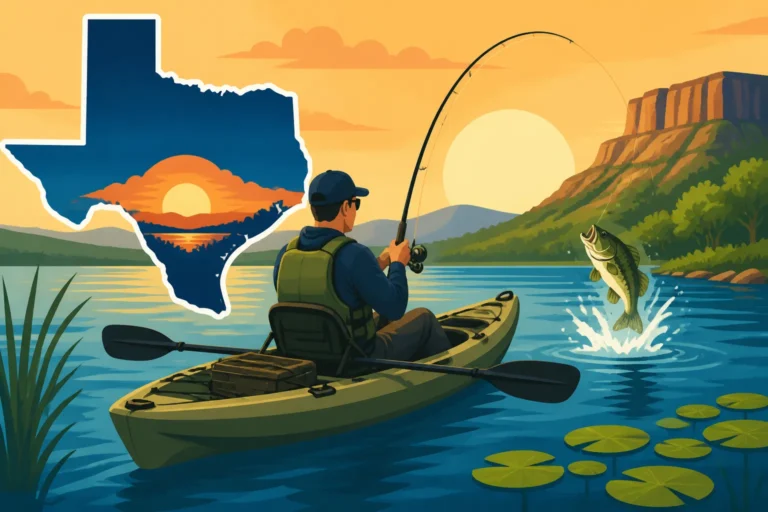
Trying to decide if your kayak is the right vessel to explore the mystical, cypress-laden waters of Caddo Lake can feel a bit daunting. This unique East Texas gem, with its labyrinthine channels and dense vegetation, often leaves anglers wondering if their paddle-powered craft can truly unlock its secrets. This guide aims to clear up those uncertainties, offering a comprehensive look at why Caddo Lake isn't just good for kayak fishing, but often the best way to experience its incredible angling opportunities.
The Unique Charm and Challenges of Kayak Fishing Caddo Lake
Caddo Lake isn't your typical open-water reservoir; it's a sprawling, shallow wonderland shared by Texas and Louisiana, famous for its ancient cypress trees draped in Spanish moss. This creates an unparalleled natural beauty but also presents a distinct set of considerations for kayak anglers. The very features that make it so picturesque also make it a place where an agile, shallow-draft boat like a kayak truly shines.
Navigating the Cypress Labyrinth
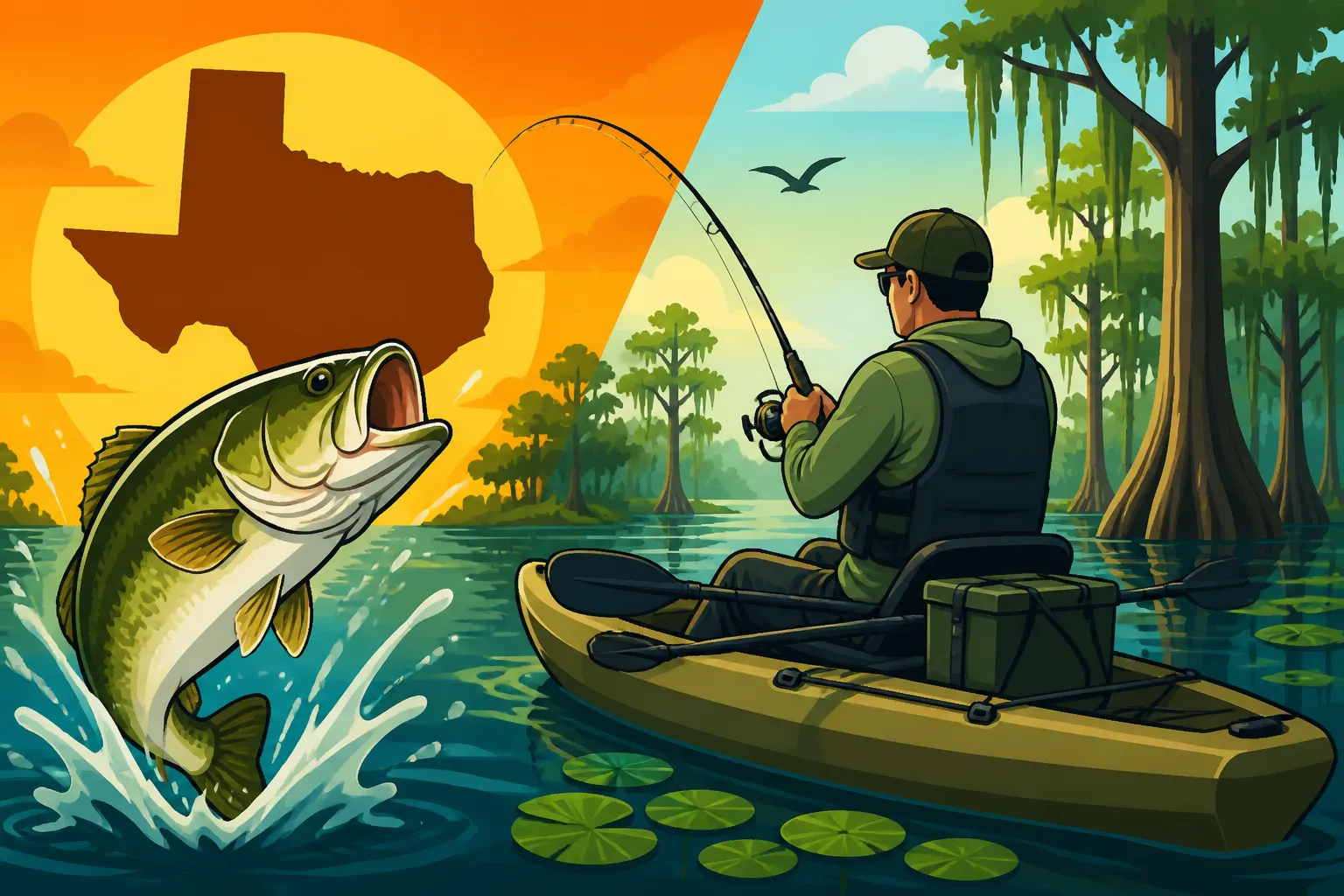
Imagine paddling through towering cypress trees, their knobby "knees" protruding from the dark, tannic water, sunlight dappling through the mossy canopy. This is the quintessential Caddo Lake experience. For larger boats, this environment can be incredibly restrictive. Motors can get tangled in submerged vegetation, and narrow passages become impassable. This is where a kayak truly comes into its own. You can silently glide through tight spots, explore secluded backwaters that bigger boats can't reach, and approach fish without spooking them. However, this dense environment also poses navigational challenges. Without a clear path, it’s easy to get disoriented.
The sheer scale of the cypress forest, especially in areas like Big Cypress Bayou or some of the more remote sloughs, can feel overwhelming. Many seasoned anglers will tell you that the most productive spots are often hidden deep within these areas, accessible only by human or electric-powered vessels. This stealth and maneuverability are game-changers for targeting species that tend to hug structure. Even if you've explored other lakes, Caddo's dense cover and meandering channels demand a different kind of navigation. It’s not just about getting from point A to B; it’s about slow, deliberate exploration and truly getting lost in the best possible way.
Understanding Caddo's Diverse Ecosystem
Caddo Lake is a biologically diverse treasure, home to a wide array of fish species. The dense aquatic vegetation—from lily pads and hydrilla to duckweed and various grasses—provides perfect habitat for bass, crappie, and sunfish. Catfish also thrive in its muddier depths and channels. This rich ecosystem means there's always something to target, but it also dictates specific fishing techniques and gear choices, especially from a kayak. The dark, stained water can also influence lure colors and presentation, making natural-looking baits often more effective.
The varying depths, from mere inches in the flats to over 20 feet in some of the main river channels, offer different opportunities. Kayaks allow you to transition seamlessly between these environments, from shallow-water sight fishing for bass to probing deeper structure for crappie. Understanding the seasonal movements of fish in relation to these habitats is key. For example, during the spring spawn, bass will move into the shallow, vegetated areas, making them prime targets for kayak anglers. In contrast, during the heat of summer, crappie might suspend around submerged timber in deeper pockets, requiring a different approach. Being intimately connected to the water from a kayak helps you feel these subtle changes.
Essential Gear and Techniques for Caddo Lake Kayak Anglers
Successfully navigating and fishing Caddo Lake from a kayak requires specific gear and honed techniques. It’s not just about having a kayak; it’s about outfitting it for the unique conditions and adapting your fishing style to the dense, shallow, and often snag-filled environment.
Kayak Selection and Setup
When choosing a kayak for Caddo, stability and maneuverability are paramount. A wider, sit-on-top kayak generally offers better stability for casting, standing (if you're brave enough!), and hauling gear. Pedal-driven kayaks, like those from Hobie or Old Town, are incredibly popular because they free up your hands for fishing, and the propeller or fin drive often handles shallow water and vegetation better than a paddle. However, even a traditional paddle kayak can be very effective, especially if you're comfortable with subtle paddle strokes for steering. A sturdy anchor, preferably a grappling or mushroom style, is crucial for holding your position in current or wind, or while you're working a specific brush pile.
Beyond the kayak itself, consider storage. Waterproof dry bags are essential for electronics, spare clothing, and snacks. A small cooler is great for drinks and keeping your catch fresh. Rod holders are a must, ideally ones that keep your rods secure but easily accessible. Many experienced Caddo Lake kayak anglers also add a small fish finder or depth sounder, often a portable unit like a Garmin Striker or Lowrance Hook, which can be invaluable for identifying structure and fish holding areas. Remember that fishing from a kayak means everything needs to be compact and efficient. For ideas on different setups, you can look into various guides on Best Kayaks for Texas Fishing or Best Kayaks for Texas Bass Fishing.
Lures, Baits, and Tactics for Caddo's Fish
Caddo Lake's dense cover means you'll want to focus on baits and techniques that can penetrate or work through vegetation without excessive snagging. For largemouth bass, weedless setups are king. Texas-rigged soft plastics, such as worms, creatures, or craws, are incredibly effective. You can slowly work them through lily pads, hydrilla, and cypress knees. Topwater frogs and hollow-body lures are also thrilling options, as bass will explode on them from underneath the matted vegetation. Spinnerbaits and chatterbaits, especially those with weed guards, can be good choices for covering water along the edges of grass lines or sparse timber.
For crappie, small jigs tipped with minnows or soft plastics are hard to beat, often fished under a bobber around submerged timber or brush piles. Catfish anglers will find success with various cut baits or stink baits, often fished on the bottom in deeper channels or sloughs. Remember that stealth is your biggest advantage in a kayak. Make quiet approaches, minimize splashing, and use natural presentations. The unique environment sometimes calls for specific tackle, so exploring articles like Best Tackle for Texas Bass Fishing can offer great insights into what to bring.
Here’s a quick overview of some essential gear:
| Gear Item | Recommended Type/Feature | Why it's useful on Caddo Lake |
|---|---|---|
| Kayak | Sit-on-top, stable, good maneuverability | Navigates tight cypress structure, provides casting platform. |
| Propulsion | Paddle or Pedal-drive | Pedal-drive offers hands-free fishing; paddle offers stealth and simplicity. |
| Anchor | Grappling or Mushroom (3-5 lbs) | Holds position against current/wind, crucial for working specific spots. |
| Paddles | Lightweight, adjustable | Essential for propulsion (even with pedal drive) and maneuvering. |
| Life Vest (PFD) | Comfortable, fishing-specific | Safety first, often with pockets for small tackle. |
| Rod Holders | Flush mount or rail mount, adjustable | Keeps rods secure during paddling and readily accessible. |
| Dry Bags/Boxes | Various sizes, waterproof | Protects electronics, wallet, keys, and snacks from water. |
| Fish Finder | Compact, portable (e.g., Garmin Striker) | Helps locate submerged structure, depth changes, and fish. |
| Nets/Gaffs | Long-handled, rubber-coated (knotless) | Safely lands fish, reduces tangles, protects fish slime. |
| Pliers/Cutters | Stainless steel, multi-tool | Essential for hook removal, cutting line, and general utility. |
| Sun Protection | Wide-brim hat, polarized sunglasses, SPF clothing | Crucial for long hours on the water under Texas sun. |
| Navigation | GPS-enabled device (phone/fish finder) with maps | Prevents getting lost in the dense cypress maze. |
Safety and Planning for Your Caddo Lake Kayak Adventure
While kayak fishing Caddo Lake is incredibly rewarding, it’s not without its unique challenges. Proper planning and attention to safety are paramount to ensure a fun and successful trip, especially given the lake’s intricate layout and varying conditions.
Navigational Aids and Emergency Preparedness
Getting lost on Caddo Lake is a genuine concern, even for experienced boaters. The cypress trees can make every bend look the same, and cell service can be spotty in some remote areas. A reliable GPS device, whether a dedicated unit or a smartphone with downloaded offline maps (like those from Navionics or Google Maps), is an absolute must. Mark your launch point and key waypoints. A compass and paper map, while seemingly old-school, can be invaluable backups. Always tell someone where you're going and when you expect to return. This is especially important if you're exploring the more secluded sections.
Beyond navigation, be prepared for emergencies. A whistle or air horn is legally required and essential for signaling. A small first-aid kit, extra water, and some high-energy snacks should always be in your dry bag. Consider a portable power bank for charging your phone. While alligators reside in Caddo Lake, they generally avoid humans. Still, it’s wise to be aware of your surroundings and give wildlife plenty of space. Knowing Texas Boat Safety Equipment Requirements is crucial before heading out.
Best Times and Access Points
Caddo Lake offers good fishing year-round, but spring and fall are often considered prime times due to more moderate temperatures and active fish. Spring sees bass moving shallow for the spawn, while fall brings a feeding frenzy as fish prepare for winter. Summer can be productive, but the intense Texas heat means early morning or late evening fishing is often best, or even Night Fishing Techniques for Texas Lakes. Winter can yield good results for crappie and catfish, but dress warmly!
There are several public and private access points around Caddo Lake. On the Texas side, Caddo Lake State Park near Karnack offers excellent access with ramps and paddle trails. Uncertain about launch points or want to explore other options? You can check out services like FishingBooker to find local guides who can not only put you on fish but also provide insider knowledge on the best access points and navigating the lake safely. Other public ramps can be found in Mooringsport and Uncertain, Texas. Always check current water levels before planning your trip, as some ramps can become difficult to use during extreme lows.
Common Fish Species and Regulations for Caddo Lake
Caddo Lake boasts a fantastic diversity of fish, making it a dream destination for anglers targeting multiple species. However, like any popular fishing spot, it comes with specific rules and regulations that every angler needs to understand and follow.
Targeting Caddo Lake's Prized Catches
The undisputed king of Caddo Lake is the largemouth bass. This lake is consistently ranked among the best bass fisheries in Texas, known for both numbers and trophy-sized fish. Anglers targeting bass will find success in the dense vegetation, around cypress trees, and in the numerous sloughs and bayous. The lake's stained water often allows bass to remain active even during brighter parts of the day, though early mornings and late evenings are still prime. You might want to brush up on your Texas Largemouth Bass Fishing Guide before you go.
Crappie (both white and black) are another major draw. They congregate around submerged timber, brush piles, and bridge pilings. Kayak anglers can quietly approach these structures and vertical jig or troll small jigs and minnows. Caddo Lake is known for its slab crappie, especially in cooler months.
Catfish (channel, blue, and flathead) are abundant in Caddo's deeper channels and muddy bottoms. They respond well to cut bait, stink bait, and live bait. The slower pace of kayak fishing makes it perfect for setting out a few lines and waiting for the bite.
You'll also find a healthy population of sunfish (bluegill, redear, warmouth), which are perfect for a relaxing day of fishing, especially if you have younger anglers with you. They often hang around the same shallow, vegetated areas as bass and are eager biters.
Important Regulations to Remember
Caddo Lake straddles the Texas-Louisiana state line, which can be a little confusing when it comes to fishing licenses and regulations. For the most part, if you are fishing in Texas waters, you need a valid Texas Fishing License Requirements Explained. If you cross into Louisiana waters, you'll need a Louisiana license or a reciprocal agreement that applies. However, generally, it's best to have both if you plan to explore the entire lake. Always double-check current regulations from both Texas Parks and Wildlife Department (TPWD) and the Louisiana Department of Wildlife and Fisheries (LDWF) before you go.
Specific bag and length limits apply to different species. For instance, largemouth bass typically have a 14-inch minimum length limit and a 5-fish daily bag limit, but these can vary, so it's critical to consult the most recent Texas Fish Bag and Length Limits regulations. Crappie also have specific limits (often 10-inch minimum and 25-fish daily bag). Catfish regulations are generally more lenient but still exist. Alligator gar, while present, require very specific regulations, often needing a tag and specific harvest dates, so ensure you're aware of these if you plan to target them. It's your responsibility as an angler to know and follow these rules to ensure the sustainability of Caddo Lake's fantastic fishery.
Disclaimer
Please note that fishing regulations, conditions, and recommended gear can change. Always consult the official Texas Parks and Wildlife Department (TPWD) and Louisiana Department of Wildlife and Fisheries (LDWF) websites for the most current rules and advisories before planning your fishing trip to Caddo Lake. Stay safe and enjoy your time on the water!