Best surf fishing beaches on the Texas coast
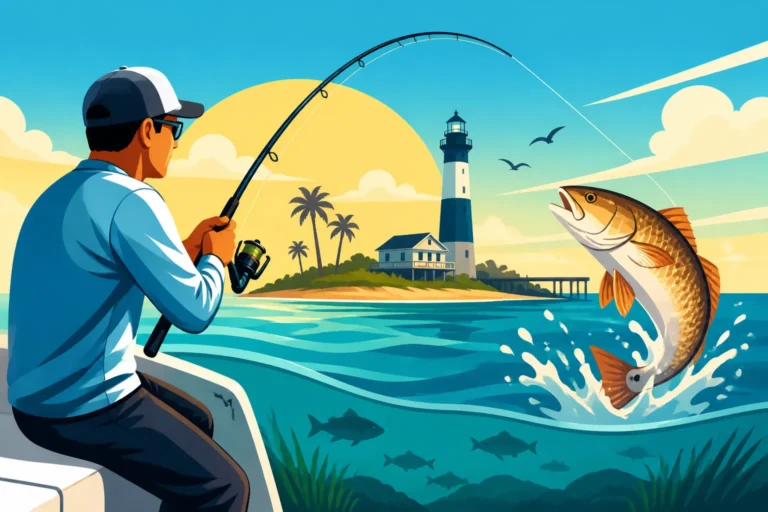
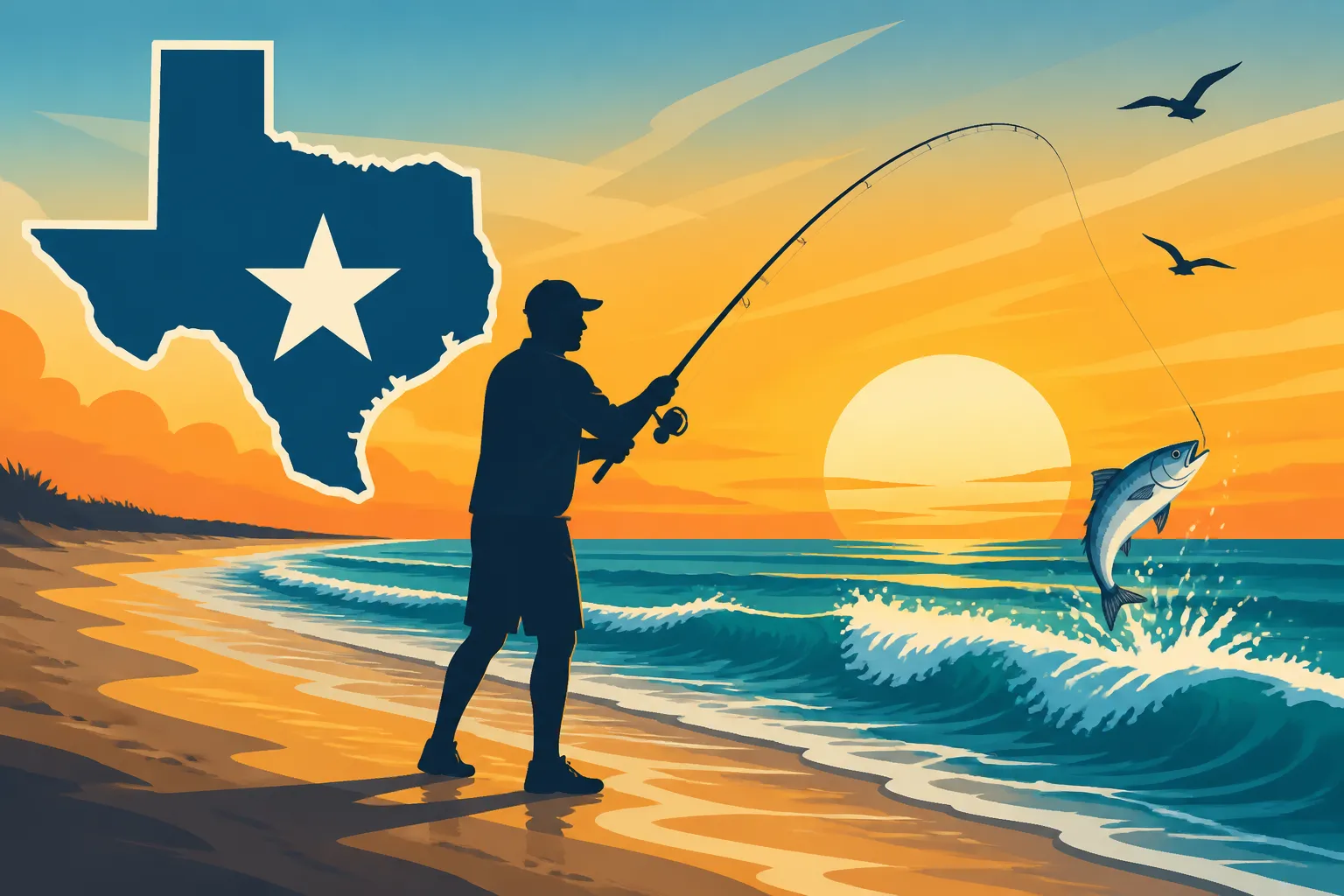
There’s nothing quite like the dream of standing on the vast expanse of a Texas beach, the Gulf waves crashing at your feet, waiting for that tell-tale tug on your line. But let's be real, finding the best spot to actually make that dream a reality, instead of just snagging seaweed or fighting crowds, can feel like a Herculean task. This guide is going to cut through the guesswork, sharing the prime locations and savvy tips you need to truly master surf fishing along our beautiful Texas coast.
Why Surf Fishing on the Texas Coast is Unique and Challenging
Surf fishing in Texas isn't just about casting a line into the ocean; it's a dynamic dance with a constantly shifting environment. Our Gulf Coast is a force of nature, and understanding its nuances is key to finding success, and honestly, to avoiding a lot of frustration.
Understanding the Texas Gulf Coast Environment
The Texas coast is a relatively shallow, sandy bottom environment, which means the underwater landscape is always changing. Sandbars run parallel to the shore, creating natural channels or "guts" between them and the beach. These guts are highways for baitfish and, consequently, for the larger game fish we're after – speckled trout, redfish, pompano, and even sharks. Tides play a massive role, influencing water depth in these guts and dictating when fish will move in and out. A falling tide might concentrate bait in deeper pockets, while a rising tide could bring hungry predators closer to shore. Strong currents, especially around passes and jetties, can either be your best friend, bringing in food, or your worst enemy, making it impossible to hold bottom with your rig. The seasonal migration of baitfish, like mullet and shrimp, also directly impacts what species you'll find and when.
Another factor that makes our coast unique is the variable water clarity. One day, you might have crystal-clear emerald green water, perfect for sight casting, and the next, a strong south wind can churn up muddy brown water, reducing visibility to zero. This isn't necessarily a bad thing; some fish, particularly redfish, feed very aggressively in stained water. It just means you have to adapt your strategy, perhaps by using noisier lures or baits with strong scents. The sheer length of the Texas coastline, from Sabine Pass down to Boca Chica, offers a huge diversity of fishing opportunities, from urban beaches to wild, undeveloped stretches, each with its own character and challenges.
Common Frustrations for Anglers
Let's face it, surf fishing can test your patience. One of the most common frustrations, especially during certain times of the year, is the dreaded sargassum seaweed. This floating golden-brown algae can make fishing nearly impossible, constantly fouling your line and clogging up your hooks. There's nothing more disheartening than reeling in a huge clump of seaweed instead of a fish, especially after a perfect cast. Weather can also be a significant challenge. A beautiful calm morning can quickly turn into a windy mess, making casting difficult and stirring up the bottom. Sudden thunderstorms are also a regular occurrence during the warmer months, forcing you to pack up prematurely.
Then there's the challenge of simply finding productive water. You can cast all day in what looks like a prime spot, only to realize the fish are fifty yards down the beach in a subtle cut you didn't notice. This is where experience and a keen eye for reading the beach come into play. Crowded beaches, particularly near popular access points or during peak season, can also be a pain. Trying to cast a long line without hooking a swimmer or someone's sandcastle requires considerable spatial awareness. Lastly, the rapid changes in conditions – water temperature, salinity, currents – can mean that a spot that was hot yesterday is completely dead today. It’s a constant puzzle, and that’s part of the fun, but it definitely keeps you on your toes.
Top Texas Beaches for Unforgettable Surf Fishing
When it comes to picking a spot, Texas has a fantastic variety of beaches, each offering something a little different. From bustling resort towns to wild, undeveloped stretches, there’s a perfect patch of sand for every surf angler.
Galveston Island State Park and Bolivar Peninsula
Galveston Island is a perennial favorite for many reasons, not least of which is its accessibility from major cities like Houston. Within Galveston, the State Park offers some fantastic surf fishing opportunities. The park manages a beautiful stretch of beach where you can set up for the day, and it's generally less crowded than the more urban beaches further east. Anglers here often target speckled trout, redfish, black drum, and flounder, particularly during their seasonal runs. The park regularly hosts educational programs, which can be a great way for beginners to learn about the local ecosystem and fishing techniques. For those who prefer a bit more solitude and a different vibe, just a short ferry ride away lies the Bolivar Peninsula. This long, sandy stretch is known for its incredible beach driving access and less congested fishing spots. The jetties at Port Bolivar are famous for holding a wide variety of species, and the beach itself offers miles of prime surf fishing. You can drive right onto the sand, set up camp, and really spread out, making it ideal for a full day of fishing with family or friends. If you're new to the area or want to learn the ropes from a pro to really dial in the Texas Saltwater Fishing Regulations and find the hot spots, a service like FishingBooker can connect you with experienced local guides who know these waters intimately.
Matagorda Bay Area and Sargent Beach
Venturing southwest, the Matagorda Bay area offers a slightly different, often more tranquil, surf fishing experience. Sargent Beach, in particular, is a hidden gem for many dedicated surf anglers. What makes Sargent unique is its rapidly eroding shoreline, which creates deep troughs and cuts very close to the beach, making for some exceptional fishing without needing extremely long casts. It’s a more rustic experience, with fewer amenities, but the fishing can be phenomenal. You’ll often find strong populations of redfish, especially during the bull red run in the fall, along with speckled trout and sheepshead. The nearby Matagorda jetties, which extend far into the Gulf, are also a major draw, offering deep water access and a chance at larger species like king mackerel and tarpon when they're in season. The beach itself is often less crowded than Galveston or Port Aransas, appealing to those who prefer a quieter angling adventure. It’s also a fantastic place to target pompano during the spring and fall migrations. The waters here tend to be a bit greener than some of the more central coastal areas, offering good visibility on calm days.
Mustang Island and Port Aransas
Moving further down the coast, Mustang Island and the vibrant town of Port Aransas are iconic Texas fishing destinations. The beaches here are famous for their excellent surf fishing, with a good mix of public access, state park facilities, and miles of undeveloped shoreline. Mustang Island State Park offers a fantastic controlled environment, similar to Galveston Island State Park, with good facilities and clear access points. The park is known for its healthy populations of redfish, speckled trout, and flounder, making it a diverse fishery. The jetties at Port Aransas are legendary, extending far out into the Gulf and providing structure that attracts everything from kingfish to shark. Many anglers swear by the Port A jetties for targeting Texas Speckled Trout Bag Limits and large redfish. The accessibility of the town means you’re always close to tackle shops, bait, and good food, which is a major plus. The beaches north and south of the town, accessible via beach roads, offer plenty of space to spread out your gear and enjoy the vastness of the Gulf. If you're looking for an unforgettable experience targeting specific species or honing your techniques, considering a local guide through FishingBooker can enhance your trip by providing insider knowledge of the best current spots and tactics.
Padre Island National Seashore
For those who truly want to escape the crowds and embrace the wild side of Texas surf fishing, Padre Island National Seashore (PINS) is the ultimate destination. This incredible stretch of undeveloped barrier island, spanning over 70 miles, is the longest undeveloped barrier island in the world. It’s a place where solitude and the chance at a true trophy fish coexist. Access beyond the first few miles requires a 4×4 vehicle, and the further south you drive, the wilder and more remote the experience becomes. Here, you’re truly immersed in nature, with nothing but the sound of the waves and the occasional seabird for company. PINS is renowned for its incredible redfish fishing, with huge bull reds patrolling the deeper guts, especially in the fall. You can also catch large black drum, trout, pompano, and a variety of sharks, particularly during the warmer months. The sheer scale of PINS means there are endless opportunities to find pristine, untouched guts and sandbars. Anglers often set up multiple rod holders, casting out heavy baits for sharks or larger drum, while simultaneously throwing lures or lighter baits for trout and pompano. Before heading out, make sure your vehicle is well-maintained and you have all necessary supplies, as services are non-existent beyond the entrance. It's a truly unique experience for the adventurous surf angler.
Essential Gear and Techniques for Texas Surf Fishing Success
Having the right equipment and knowing how to use it is paramount for productive surf fishing on the Texas coast. It’s not just about brute strength; it’s about having the right tools for the job and understanding how to read the water.
Must-Have Equipment for the Texas Surf
When you're facing the powerful Gulf surf, your gear needs to be robust. You'll want a sturdy surf rod, typically between 9 to 12 feet long, with a medium-heavy to heavy action. This length helps you cast over the first sandbar and handle strong currents. Pair that with a reliable, corrosion-resistant spinning reel, often in a 5000 to 8000 series size, capable of holding at least 250-300 yards of 15-20 lb monofilament or 30-50 lb braided line. Braided line is popular because it has no stretch, offering excellent sensitivity to feel subtle bites, and it casts further. However, a monofilament leader of about 30-50 lb test is crucial to absorb shock and resist abrasion from oyster shells and fish teeth.
Beyond your rod and reel, a good surf fishing cart is a game-changer for hauling all your gear across the sand. Imagine trying to carry multiple rods, a cooler, a tackle box, and bait through soft sand – a cart makes it effortless. You'll also need a variety of weights, from 2 to 5 ounces, including pyramid, Sputnik, or "spider" sinkers designed to hold bottom in strong currents. Don't forget a sharp fillet knife, a pair of fishing pliers (preferably saltwater-resistant), and a measuring tape or ruler to ensure your catches meet the Texas Fish Bag and Length Limits. A good pair of polarized sunglasses will help you spot subtle changes in water color and structure, and proper sun protection – hats, long-sleeved shirts, and sunscreen – is non-negotiable under the Texas sun.
Mastering Surf Fishing Rigs and Bait
The right rig can make all the difference in presenting your bait effectively in the surf. One of the most common and versatile is the Fish Finder Rig. This simple setup features a leader (about 18-24 inches) tied to a swivel, with a sinker slide above the swivel allowing your weight to move freely on your main line. This design lets a fish pick up the bait and run without feeling the resistance of the sinker, leading to more natural presentations and better hookups. It's excellent for targeting larger fish like redfish and drum with cut bait.
Another popular choice is the Carolina Rig, similar to the fish finder but with a fixed weight above the swivel, usually a bullet weight or egg sinker. This rig works well for lighter presentations or when drifting bait. For targeting smaller, bottom-feeding fish like pompano or whiting, a two or three-drop Pompano Rig with small floats or beads can be incredibly effective, lifting the bait slightly off the bottom and making it more visible.
When it comes to bait, fresh is always best. Live or fresh dead shrimp are universal crowd-pleasers. Cut bait, such as fresh mullet, croaker, or skipjack, are irresistible to redfish and drum. For pompano, sand fleas (mole crabs) are a top choice. Don't shy away from artificial lures either. Soft plastics, like Berkley Gulp! shrimp or swimming mullet, can be incredibly effective, especially when paired with a light jig head. Topwater lures can also entice aggressive speckled trout during low-light conditions. Learning Texas Saltwater Fishing Techniques for different species will definitely give you an edge.
Reading the Beach and Finding Productive Water
This is where the art of surf fishing truly comes into play. You might think the entire beach is one uniform fishing ground, but beneath the surface, there's a dynamic landscape of sandbars, guts, and cuts that act as fish highways and feeding zones. Your goal is to identify these features, as they dictate where fish will hold and feed.
Look for areas where waves are breaking further out, indicating a sandbar, and then breaking again closer to shore. The deeper water between those two breaks is a gut – a prime feeding lane. These guts are often visible as darker strips of water parallel to the beach, or by observing where the waves "calm down" momentarily before crashing closer in. Fish use these guts to travel and ambush baitfish, which get trapped in the currents. Also, pay attention to "cuts" or "washouts" – these are deeper channels that run perpendicular to the beach, connecting the guts to the open Gulf. They act as entry and exit points for fish and are often fantastic ambush points. Rip currents, while potentially dangerous for swimmers, can be fish magnets, as they pull baitfish offshore, attracting predators. Look for disturbed water or debris moving out to sea to identify these.
Changes in water color can also be a clue. A darker, deeper blue or green streak often signifies a deeper gut. Understanding how the tide influences these features is also critical. A rising tide might push baitfish over sandbars into the guts, while a falling tide can pull them back out, concentrating them in specific areas. Spending some time observing the waves and the water before you even cast a line can dramatically increase your chances of finding that productive patch of water. Remember, fish are always looking for food and shelter, and these underwater structures provide both.
Tips for Maximizing Your Texas Surf Fishing Experience
Beyond just finding the right beach and having the proper gear, there are several key strategies and considerations that can elevate your surf fishing game from good to truly great.
Best Times and Tides to Hit the Beach
Timing, as they say, is everything, and nowhere is this truer than in surf fishing. For many coastal species, the low light conditions of early morning (dawn) and late evening (dusk) are prime feeding times. The scorching Texas sun can send fish into deeper, cooler waters during midday, making bites scarce. However, cloudy days can extend these productive periods. The most important factor, arguably, is the tide. A moving tide, whether incoming or outgoing, is almost always better than a slack tide. Moving water stirs up bait, carries scent, and generally makes fish more active. Many seasoned anglers prefer an incoming tide, as it often brings in clearer water and fresh bait, pushing fish closer to shore and into those accessible guts. Check local tide charts and plan your trip to coincide with the two hours before and after a high or low tide, as these periods often see the strongest current and feeding activity.
Seasonally, the Texas coast offers year-round opportunities, but some months are undeniably better for specific species. Spring (March-May) brings pompano, whiting, and early trout. Summer (June-August) means redfish, black drum, and an abundance of sharks, though the heat can be intense. Fall (September-November) is often considered the best time, with cooler temperatures and the epic bull redfish run, as well as migrating flounder. Winter (December-February) can still yield redfish and trout, especially on milder days, and is a great time to target the Texas Flounder Season and Limits if you hit the tail end of the fall run. Be mindful that cold fronts can shut down the bite temporarily, so watching the weather patterns is crucial.
Safety First on the Texas Coast
The Texas coast is beautiful, but it demands respect. Your safety should always be your top priority. First and foremost, protect yourself from the sun. The intense UV rays can cause severe sunburn and long-term skin damage. Always wear a wide-brimmed hat, polarized sunglasses, and consider long-sleeved, breathable fishing shirts. Reapply sunscreen frequently, especially after wading. Hydration is also critical; bring plenty of water, even on cooler days, to avoid heat exhaustion.
Be acutely aware of the tides and currents. Fishing from sandbars can be dangerous if the tide turns quickly, potentially cutting you off from shore. Always know your surroundings and keep an eye on the water. Rip currents are powerful and can pull you offshore quickly; if caught in one, stay calm, float, and swim parallel to the shore until you're out of its pull, then swim back to land. Pay attention to local weather forecasts, as sudden thunderstorms can bring lightning and dangerous surf conditions. Finally, be mindful of wildlife. Stingrays are common in shallow, warm waters; shuffle your feet as you wade to scare them away. Sharks are present in the Gulf; while attacks are rare, it's wise to avoid swimming or wading near schools of baitfish or when fishing with bloody baits. Always carry a first-aid kit for minor cuts and scrapes.
Respecting the Environment and Fellow Anglers
As anglers, we are stewards of the environment. Practicing "Leave No Trace" principles is paramount. This means packing out everything you pack in, including all trash, discarded fishing line, and bait packaging. Leaving a clean beach ensures it remains beautiful for everyone and protects wildlife. Properly dispose of fish carcasses; avoid leaving them on the beach where they can attract unwanted pests or create an unpleasant smell.
Be considerate of other beachgoers. If you're fishing near swimmers or families, be extra cautious with your casts and give them plenty of space. Avoid hogging prime spots, especially at popular access points or jetties. If someone is already fishing a stretch of beach, give them ample room (at least 50 yards if possible) before setting up your own lines. If you're driving on the beach, be aware of speed limits, watch out for pedestrians, and never drive through someone's fishing lines. Practice ethical angling: only keep fish that you plan to eat, and know your Texas Redfish Size and Bag Limits before you even cast a line. Handle all fish, especially those you plan to release, with wet hands to protect their slime coat, and release them quickly and carefully. By respecting the environment and each other, we ensure that the Texas coast remains a fantastic place to fish for generations to come.
Here's a quick comparison of some popular Texas surf fishing spots:
| Beach/Location | Best For | Common Catches | Accessibility | Key Features |
|---|---|---|---|---|
| Galveston Island SP | Family-friendly, diverse species | Redfish, Speckled Trout, Flounder, Drum, Pompano | Easy, paved roads | State park amenities, less crowded than city beaches |
| Bolivar Peninsula | Beach driving, spreading out | Redfish, Speckled Trout, Sheepshead | Easy (ferry access) | Long stretches of beach, Port Bolivar jetties |
| Sargent Beach | Unique deep guts close to shore, solitude | Redfish (bulls), Speckled Trout, Pompano | Moderate (rural roads) | Eroding shoreline creates deep troughs, less crowded |
| Mustang Island SP | State park experience, diverse species | Redfish, Speckled Trout, Flounder, Drum | Easy, paved roads | Managed park, good facilities, bait shops nearby |
| Port Aransas Jetties | Jetties, variety of larger fish | Redfish, Speckled Trout, Sheepshead, Kingfish, Tarpon | Easy, town access | Long rock jetties, urban amenities |
| Padre Island NS (PINS) | Remote, trophy fish, solitude | Bull Redfish, Black Drum, Sharks, Speckled Trout | 4×4 required past initial access | Longest undeveloped barrier island, primitive camping |
Disclaimer
The information provided in this guide is for general informational purposes only and should not be considered legal advice. Fishing regulations, licensing requirements, and local conditions can change frequently. Always consult the official Texas Parks and Wildlife Department (TPWD) website or publications for the most current and accurate regulations before heading out on your fishing trip. Safety should always be your priority when enjoying the outdoors.