Best Texas state parks for shore fishing
It can be incredibly frustrating to have the urge to cast a line in Texas but feel limited because you don't own a boat or a kayak. Many anglers, myself included, often wonder where the best spots are to truly enjoy a quality fishing experience right from the bank. This guide is dedicated to helping you discover some of Texas's finest state parks that offer exceptional shore fishing opportunities, making your next outing easy, accessible, and hopefully, very rewarding.
Why State Parks Are a Shore Angler's Paradise in Texas
Texas state parks are truly a gift to the shore angler, providing not just breathtaking natural beauty but also incredibly well-maintained and accessible fishing spots. Unlike some private properties or more remote public lands, state parks are designed with recreation in mind, often offering amenities that make a day of bank fishing much more enjoyable. For those of us who prefer to keep our feet on solid ground while reeling in a catch, these parks are a prime destination.
Accessibility and Amenities for Anglers
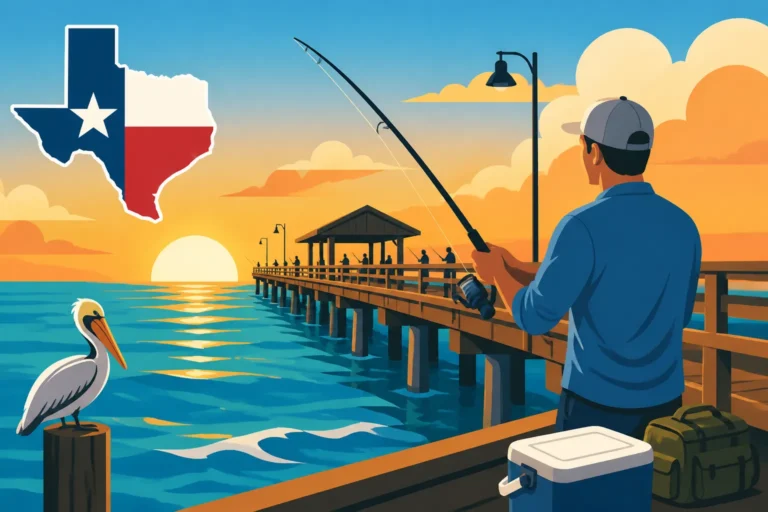
One of the biggest headaches for shore anglers is simply finding a place to fish that isn't overgrown, private, or inaccessible. Texas state parks solve this problem beautifully. Most parks feature designated fishing piers, lighted docks, or extensive shoreline access that's regularly maintained, clear of dense brush, and safe for families. You'll often find convenient parking close to the water, restrooms, and even picnic areas where you can relax between bites. This infrastructure is a game-changer, especially if you're bringing kids along or have any mobility concerns. It means less time bushwhacking and more time actually fishing.
Beyond just the physical access, many state parks participate in programs like the Texas Parks and Wildlife Department's (TPWD) Neighborhood Fishin' Program, which regularly stocks urban and community ponds with catfish or rainbow trout, depending on the season. This commitment to stocking ensures that even in smaller park ponds, there’s a good chance of catching something, keeping the morale high for beginners and seasoned anglers alike. When planning your trip, always check the specific park's website for details on amenities and any recent stocking reports, which can often be found alongside information on acquiring your necessary Texas Fishing License Requirements Explained.
Diverse Fishing Opportunities for All Preferences
Whether you're after the thrill of a hard-fighting redfish or the quiet satisfaction of catching a plump catfish, Texas state parks offer a surprising variety of fishing experiences from the bank. You can find parks with vast freshwater lakes, tranquil rivers, or brackish bays and coastal waters, each teeming with different species. This diversity means that no matter your preferred type of fishing or the kind of fish you're hoping to land, there's likely a state park that fits the bill. It's a fantastic way to explore different ecosystems without needing specialized gear for a boat.
For instance, some parks boast incredible opportunities for targeting a specific species during certain times of the year, like the spring white bass run or the fall flounder migration. Others are known for their year-round populations of popular game fish. This makes planning a trip exciting, as you can tailor your destination to what you want to catch. You might even consult resources like FishingBooker to scout out local fishing guides who frequent these parks and can offer insights into the best spots and techniques for the current conditions.
Family-Friendly Environment
Let's be honest, fishing isn't just about catching fish; it's about making memories, especially with family. Texas state parks excel at providing an environment where everyone can have a good time. With safe, clear shorelines, plenty of open space, and often playgrounds or hiking trails nearby, kids can burn off energy when the fish aren't biting, or simply enjoy being outdoors. Many parks also offer educational programs or nature centers, adding another layer to the outdoor experience.
The ease of access and the general safety of state parks mean you can focus more on teaching your kids how to cast or bait a hook, and less on worrying about hazards. Plus, the chance of catching a fish in a stocked pond or from a well-maintained pier significantly increases a child's engagement and enjoyment. It’s a perfect scenario for introducing new anglers to the sport or just enjoying a peaceful day outside with loved ones. Remember that even young anglers need to understand the Texas Fish Bag and Length Limits for whatever they might reel in!
Top Texas State Parks for Freshwater Shore Fishing
Texas is blessed with an abundance of freshwater lakes and rivers, and many state parks capitalize on these resources, making them ideal for shore anglers. These parks often feature extensive lakefronts, piers, and even small ponds perfect for a relaxing day of fishing.
Lake Tawakoni State Park
Located in Wills Point, just east of Dallas, Lake Tawakoni State Park offers fantastic freshwater fishing access for bank anglers. Lake Tawakoni is known as the "Catfish Capital of Texas," and for good reason. You can expect to find abundant channel, blue, and flathead catfish here. The park provides excellent shoreline access, a lighted fishing pier, and even a fishing jetty that extends into the lake, giving you deeper water access without a boat.
Many anglers have success here using simple setups with cut bait, punch bait, or even chicken livers. The lighted pier is particularly popular for night fishing, which is often when the biggest catfish become active. Beyond catfish, you can also target white bass, striped bass, and largemouth bass from the bank, especially around submerged structures or along the riprap near the causeway. If you're hoping to really dial in on those Lake Tawakoni catfish, you might check a service like FishingBooker to find a local expert who can share some insider tips on the best spots and baits for the area. Don't forget to check the specific Texas Catfish Bag Limits before you head out!
Tyler State Park
Nestled among towering pines in East Texas, Tyler State Park is a truly picturesque location that also happens to be a fantastic spot for freshwater shore fishing. The park centers around a beautiful 64-acre spring-fed lake, offering numerous fishing piers and extensive shoreline access shaded by dense trees. This lake is regularly stocked with rainbow trout in the cooler months and provides excellent opportunities for catching sunfish, crappie, and largemouth bass year-round.
The smaller size of Tyler State Park Lake means fish are often more accessible from the bank, especially the panfish like bluegill and redear sunfish, which are perfect for young anglers. During the winter trout stockings, the piers can get busy, but the experience of catching vibrant rainbow trout in East Texas is truly unique. Simple baits like corn, powerbait, or small spinners work wonders here. It's a tranquil setting, ideal for a peaceful day of fishing and enjoying the piney woods scenery. For more details on species found here, you might consult the Texas Largemouth Bass Length Limits and other species guides.
Inks Lake State Park
In the heart of the Texas Hill Country, Inks Lake State Park is a gem for shore anglers. What makes Inks Lake unique is its constant water level, thanks to its position in the Highland Lakes chain, which means no worries about fluctuating water hindering your fishing plans. The park boasts extensive rocky shoreline access, several fishing piers, and calm coves perfect for casting. Anglers frequently catch largemouth bass, various species of sunfish, and even some catfish here.
The clear, picturesque waters of Inks Lake are inviting, and the rocky bottom provides excellent habitat for bass. Look for areas with submerged structure or rocky drop-offs along the shore. Small crankbaits, soft plastics, or even live worms under a bobber can be very effective. This park is also a fantastic place to bring the family, as the lake is great for swimming and other water activities if the fishing slows down. It's a wonderful all-around outdoor destination that offers great bank fishing.
Lake Whitney State Park
Perched on the eastern shore of Lake Whitney, this state park provides incredible access to one of Central Texas's premier fishing lakes. Lake Whitney is famous for its striped bass, white bass, and an impressive population of smallmouth bass, in addition to largemouth and catfish. Shore anglers can take advantage of the park's extensive shoreline, a spacious fishing pier, and often productive fishing around the rocky points and submerged brush.
While catching the big striped bass from the bank can be a challenge, it's certainly possible, especially during the spring and fall months when they move into shallower water. White bass runs in the spring can also provide fast action from the shore, particularly in the upper reaches of the lake if accessible from the park. For smallmouth and largemouth bass, focus on rocky areas and drop-offs with jigs, soft plastics, or crankbaits. Catfishing is also popular, with plenty of opportunities along the main lake shoreline. You'll want to be familiar with the Texas White Bass Run Timing to hit the season just right at Lake Whitney.
Top Texas State Parks for Saltwater Shore Fishing
For those who love the smell of salt in the air and the pull of a powerful saltwater fish, Texas's Gulf Coast state parks offer spectacular shore fishing. These parks provide access to bays, channels, and even surf fishing opportunities.
Galveston Island State Park
Galveston Island State Park offers some of the most versatile saltwater shore fishing on the Texas coast. The park is unique because it provides access to both the Gulf of Mexico for surf fishing and the calmer waters of Galveston Bay on the other side. This duality means you can choose your adventure based on conditions and target species. From the Gulf side, surf fishing can yield redfish, speckled trout, drum, and flounder, especially during the seasonal runs.
On the bay side, the park features fishing piers, boardwalks, and wade fishing access to grass flats and bayous, which are prime habitats for speckled trout, redfish, and flounder. Live shrimp or artificial lures like soft plastics under a popping cork are deadly here. The park offers excellent facilities, including restrooms and picnic areas, making it a comfortable base for a full day of coastal angling. Before you head out, make sure you understand the Texas Saltwater Fishing Regulations and specific limits like the Texas Redfish Size and Bag Limits.
Mustang Island State Park
Further down the coast, near Corpus Christi, Mustang Island State Park is another excellent choice for saltwater shore fishing, particularly for those who enjoy the solitude and challenge of surf fishing. This park offers miles of undeveloped beachfront along the Gulf of Mexico, providing ample space to spread out and cast for coastal species. The sandy bottom, interrupted by occasional shell and grass beds, creates a dynamic environment for various fish.
Anglers here can expect to catch redfish, speckled trout, black drum, pompano, and whiting directly from the surf. Depending on the season, you might also hook into a shark or a large stingray. Using fresh dead shrimp, cut bait, or even artificial lures like spoons and swimbaits can be effective. A sturdy surf rod and reel setup are highly recommended here to handle the conditions and cast out to deeper guts. It’s a classic Texas coastal fishing experience, perfect for those who love the rhythm of the waves.
Goose Island State Park
Located near Rockport, Goose Island State Park is famous for its "Big Tree" (a massive live oak) and its exceptional fishing opportunities in the St. Charles Bay and Aransas Bay. This park stands out for its long, lighted fishing pier—one of the longest in Texas state parks—which provides deep water access and is a renowned spot for night fishing. The pier is famous for speckled trout, redfish, black drum, and flounder, particularly under the lights where baitfish congregate.
Beyond the pier, the park offers extensive wade fishing access to the bay shallows, with plenty of oyster reefs and seagrass beds that hold fish. Kayak anglers also love this area, but you can certainly cover plenty of ground on foot. Live shrimp is often king here, but Gulp! baits and other soft plastics can also produce. It's a fantastic park for consistent action and the chance to land some truly impressive fish. A check on a platform like FishingBooker for local charter captains might give you insight into what's biting recently and where in Aransas Bay. Be sure to check the Texas Speckled Trout Bag Limits as they are often a primary target here.
Essential Tips for Shore Fishing in Texas State Parks
Shore fishing in Texas state parks is generally straightforward, but a little preparation can go a long way in ensuring a successful and enjoyable trip. Taking the time to understand the nuances of park rules, local conditions, and proper gear will enhance your experience significantly.
Gear Up for Success
You don't need a boatload of expensive equipment to enjoy shore fishing, but having the right basic gear makes a huge difference. For freshwater lakes, a medium-action spinning rod and reel combo spooled with 8-12 lb monofilament or fluorocarbon line is versatile enough for most species. For saltwater surf fishing, a longer, heavier surf rod (9-12 feet) with a larger spinning reel and 15-20 lb monofilament or braided line is essential for casting distance and handling larger fish in the waves.
Don't forget the essentials:
- Tackle Box: A well-organized tackle box with hooks, sinkers, swivels, and a variety of baits (worms, artificial lures, cut bait) is crucial.
- Pliers/Forceps: For safely removing hooks.
- Measuring Tape/Scale: To ensure you comply with Texas Fish Bag and Length Limits.
- Cooler: For keeping your catch fresh, especially in the Texas heat.
- Sun Protection: Hat, sunglasses (polarized are a game-changer for spotting fish), and sunscreen.
- Chair/Bucket: For comfort, especially on long waits.
- Appropriate Footwear: Close-toed shoes for rocky areas, or wading boots for saltwater flats.
Consider checking a comprehensive resource like a Beginner Fishing Gear Checklist for Texas to make sure you haven't forgotten anything crucial for your trip.
Understanding Park Rules and Regulations
Every state park has its own specific rules, which are usually posted at the entrance or available on the park's website. It's vital to familiarize yourself with these before you go. This includes operating hours, designated fishing areas, and any restrictions on bait, lures, or gear. Beyond park-specific rules, remember that all state fishing regulations apply. This means you'll need a valid How to Get a Texas Fishing License if you're 17 or older, and you must adhere to all statewide and site-specific bag and length limits.
Some parks may have restrictions on leaving trotlines or juglines overnight, or on the use of cast nets for baitfish. Always check for any updates or seasonal closures, especially for certain species like flounder. Being a responsible angler not only keeps you out of trouble but also helps preserve these incredible resources for future generations.
Making the Most of Your Visit
To truly maximize your shore fishing experience, think beyond just the fishing itself. State parks offer a wealth of other activities. If the fish aren't biting, consider exploring a hiking trail, having a picnic, birdwatching, or learning about local wildlife at a nature center. This flexibility ensures that even if the fish aren't cooperating, your day outdoors is still a memorable one.
For the best fishing success, try to plan your visit during optimal times. Early mornings and late evenings are often the most productive for many species, especially during the hot Texas summers. Check local weather forecasts and tidal charts (for coastal parks) to time your trip. Before heading out, a quick check on platforms like FishingBooker for recent reports can give you a real edge, sometimes even providing real-time tips from local anglers. Embrace the tranquility, be patient, and enjoy the beauty of Texas from the bank!
| State Park Name | Region | Primary Fishing Type | Key Species | Notable Features for Shore Anglers |
|---|---|---|---|---|
| Lake Tawakoni State Park | East Texas (near Dallas) | Freshwater | Catfish (Blue, Channel, Flathead), White Bass, Largemouth Bass | Lighted fishing pier, jetty, extensive shoreline |
| Tyler State Park | East Texas | Freshwater | Largemouth Bass, Sunfish, Crappie, Rainbow Trout (seasonal) | Several fishing piers, shaded shoreline access, regularly stocked |
| Inks Lake State Park | Central Texas (Hill Country) | Freshwater | Largemouth Bass, Sunfish, Catfish | Stable water levels, rocky shoreline, clear water |
| Lake Whitney State Park | Central Texas | Freshwater | Striped Bass, White Bass, Smallmouth Bass, Catfish | Extensive shoreline, fishing pier, rocky points |
| Galveston Island State Park | Upper Texas Coast | Saltwater (Gulf & Bay) | Redfish, Speckled Trout, Flounder, Drum, Whiting | Both surf fishing (Gulf) and bay fishing (piers, wade access) |
| Mustang Island State Park | Central Texas Coast | Saltwater (Gulf) | Redfish, Speckled Trout, Pompano, Whiting, Drum | Miles of undeveloped surf fishing beach |
| Goose Island State Park | Central Texas Coast | Saltwater (Bay) | Speckled Trout, Redfish, Flounder, Black Drum | Long, lighted fishing pier, extensive wade fishing access |
Disclaimer
The information provided in this guide is for general informational purposes only. Fishing conditions, regulations, and park amenities can change. Always check the latest regulations with the Texas Parks and Wildlife Department and verify park-specific rules and conditions before planning your trip. Fishing inherently involves risks, and safety precautions should always be observed.