Where to catch alligator gar in Texas
Many anglers dream of battling a prehistoric giant like the alligator gar, but finding these elusive leviathans in Texas's vast waterways can feel like searching for a needle in a haystack. It's a frustrating quest when you don't know where to focus your efforts. This guide is here to cut through the confusion, revealing the prime locations across the Lone Star State where you have the best shot at hooking into a truly massive alligator gar.
Understanding Alligator Gar and Their Habitat Preferences
Alligator gar are not your typical freshwater fish; they are true titans with specific needs. Knowing what makes them tick and where they like to hang out is the first step in successfully tracking them down.
What Makes Alligator Gar Unique
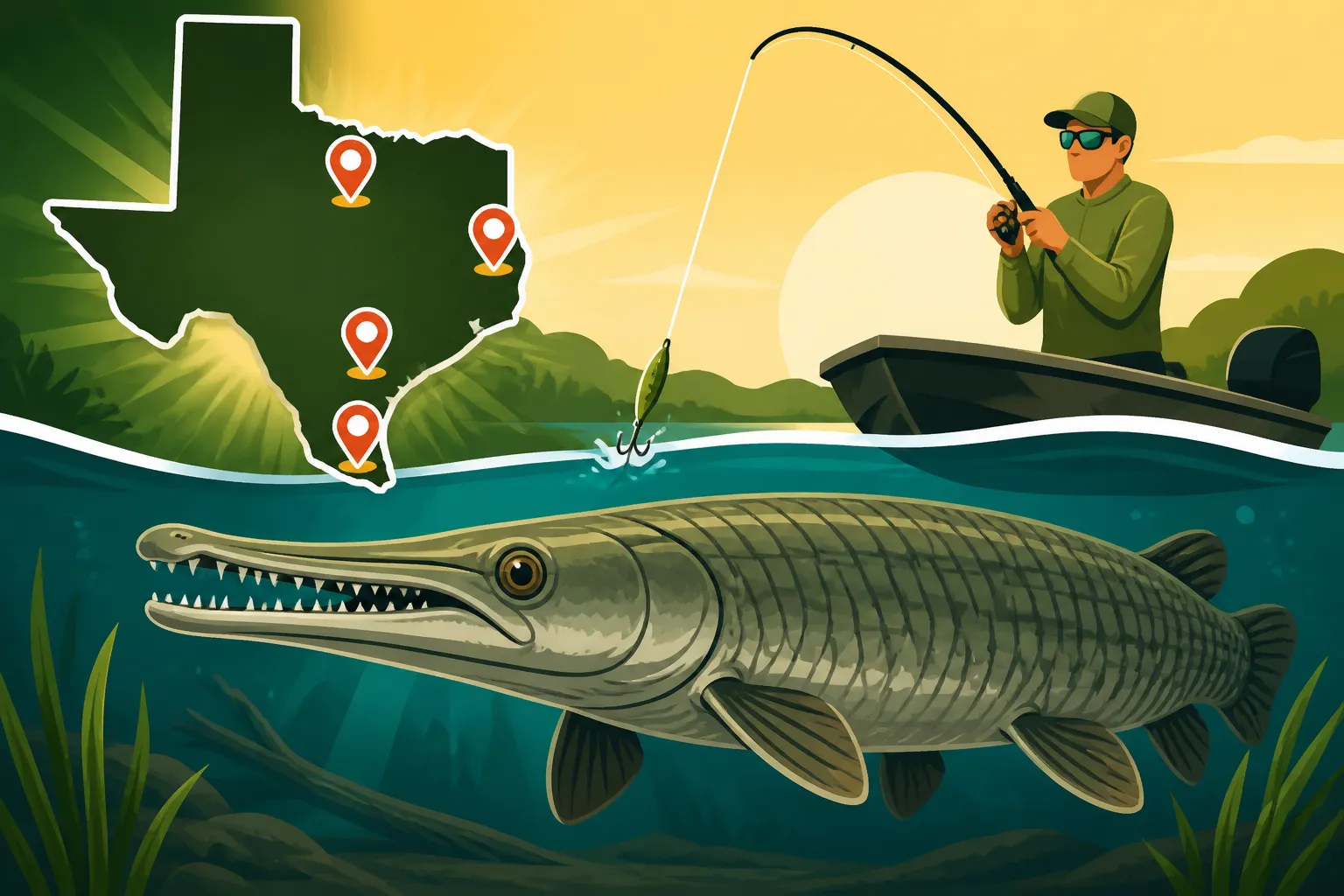
Alligator gar are truly fascinating creatures, often dubbed "living fossils" because their lineage dates back millions of years. They're not just big fish; they're apex predators with a distinct, alligator-like snout filled with rows of sharp teeth. Unlike many other fish, they can breathe both air and water, allowing them to survive in oxygen-depleted waters where other species would perish. This unique adaptation is a huge part of why they thrive in certain Texas environments, especially during hot, dry spells when other fish struggle. They can grow to immense sizes, sometimes exceeding eight feet in length and weighing over 300 pounds. Imagine reeling in a fish that's taller and heavier than most people – that's the kind of thrill an alligator gar can offer! Their formidable appearance and sheer power make them a bucket-list species for many anglers. If you're looking for a true challenge, targeting these giants is an unforgettable experience. To understand more about these incredible fish, check out our Texas Alligator Gar Fishing Guide.
Ideal Habitat Features for Alligator Gar
When you're trying to locate alligator gar, think about where they'd have the best chance to ambush prey and escape the heat or low oxygen. They absolutely love slow-moving, sluggish waters. This includes the backwaters of major rivers, oxbow lakes, large bayous, and expansive reservoirs with plenty of shallow, vegetated areas that transition into deeper channels. They're not generally found in fast-flowing rapids or crystal-clear mountain streams. Instead, look for areas with submerged timber, dense aquatic vegetation, and deep holes or channels where they can lie in wait or seek refuge. During the scorching Texas summers, they'll often be found near the surface in these calmer, warmer waters, basking in the sun or gulping air. Conversely, during colder months, they might retreat to deeper pockets. The key is finding areas that offer both ample food sources (like shad, carp, and buffalo) and suitable cover for their ambush predation style.
Top Texas Destinations for Alligator Gar Fishing
Texas is truly a mecca for alligator gar, boasting some of the best fishing opportunities in the world for these giants. However, not all waters are created equal when it comes to consistently finding them.
East Texas River Systems
When most people think of trophy alligator gar in Texas, the East Texas river systems immediately come to mind. These ancient, winding rivers offer the perfect blend of slow currents, deep holes, and abundant forage that gar absolutely thrive in.
- Trinity River: Without a doubt, the Trinity River is often considered the undisputed champion for alligator gar fishing. The stretch from the Dallas-Fort Worth metroplex south towards Galveston Bay is particularly famous, especially around the middle and lower Trinity. Areas like the Trinity River National Wildlife Refuge near Liberty are legendary. This river system provides miles upon miles of prime habitat, including countless oxbows, sloughs, and flooded timber. Anglers often target areas below major dams or near the confluence of tributaries where baitfish congregate. The sheer volume of large gar in the Trinity makes it a prime destination for serious gar enthusiasts. If you want to dive deeper into this incredible fishery, check out our Trinity River Fishing Guide.
- Sabine River: Forming a large part of the Texas-Louisiana border, the Sabine River is another fantastic option, especially its lower reaches. Similar to the Trinity, it offers extensive backwater areas, bayous, and slow-moving channels that are perfect for gar. Access can be a bit more challenging in some remote sections, but those willing to put in the effort are often rewarded with impressive catches.
- Neches River: Flowing through the Big Thicket region, the Neches River provides a wilder, more remote gar fishing experience. It's less pressured than some stretches of the Trinity, offering a serene backdrop for pursuing these giants. The river's winding course and numerous bayous, particularly in its lower half, hold significant populations of alligator gar.
Coastal Plain Rivers and Bayous
While many focus on the large inland rivers, the network of rivers, bayous, and estuaries that drain into the Texas Gulf Coast also provides excellent gar opportunities, often with easier access.
- Brazos River: The Brazos is another massive river system that holds incredible numbers of alligator gar, particularly in its middle and lower sections. The slow-moving, often murky waters and extensive floodplains create ideal conditions. Public access points and boat ramps along the river, especially downstream from Waco, can put you in prime gar territory.
- Colorado River: Similar to the Brazos, the Texas Colorado River (not to be confused with the one out west!) offers good gar fishing, especially in its middle to lower reaches before it reaches Matagorda Bay. Look for deeper bends and submerged structure.
- Various Bayous and Estuaries: While alligator gar are predominantly freshwater fish, they are incredibly tolerant of brackish water and can sometimes be found in the upper reaches of coastal estuaries and bayous, particularly during drought conditions or when freshwater flows are low. Areas around Galveston Bay, for instance, have feeder creeks and bayous that can hold gar. However, for true trophy-sized gar, the larger, predominantly freshwater river systems are generally more productive.
Specific Lakes and Reservoirs
Texas has hundreds of lakes and reservoirs, but only a handful are truly renowned for their alligator gar populations. These tend to be older, larger impoundments with diverse habitat.
- Choke Canyon Reservoir: Located in South Texas, Choke Canyon is famous for its massive bass, but it's also a hotspot for giant alligator gar. The lake features extensive submerged timber, brush, and shallow flats that transition into deep channels – perfect ambush points for gar. The warm climate means an extended growing season for gar, contributing to their impressive size. Many anglers specifically visit Choke Canyon in search of a trophy gar. You can find out more about this specific fishery in our Choke Canyon Reservoir Alligator Gar Fishing guide.
- Falcon Lake: Straddling the border with Mexico, Falcon Lake is another South Texas giant known for its formidable bass and, yes, colossal alligator gar. The lake's vast size, remote feel, and abundance of shallow, brushy cover provide excellent habitat. However, anglers should always be aware of local conditions and advisories when fishing near the border.
- Lake Texoma: While most famous for its striped bass, Lake Texoma, on the Texas-Oklahoma border, also holds a healthy population of alligator gar, particularly in its upper reaches and tributaries where the water flows in. They might not be the primary target for most anglers here, but don't be surprised if you hook into one while targeting other species. You might want to review the Lake Texoma Fishing License Rules if you plan to fish across state lines.
If you're new to the Texas gar scene or prefer the expertise of a seasoned pro, using platforms like FishingBooker can be incredibly helpful. You can often find experienced guides who specialize in alligator gar fishing on these specific rivers and lakes, ensuring you get the best chance at a trophy.
Here's a quick overview of some top spots to start your gar adventure:
| Location | Primary Water Type | Key Features for Gar | Best Time to Fish | Notes |
|---|---|---|---|---|
| Trinity River | River | Slow currents, oxbows, deep holes, abundant forage | Summer, Spring, Fall | Renowned for trophy gar, extensive system |
| Sabine River | River | Backwaters, bayous, less pressure | Summer, Spring, Fall | Remote sections offer unique experience |
| Neches River | River | Wild, remote, winding course, bayous | Summer, Spring, Fall | Great for a more secluded adventure |
| Choke Canyon Reservoir | Reservoir | Submerged timber, brush, deep channels, warm climate | All year (seasonal peaks) | Known for large bass and trophy gar |
| Falcon Lake | Reservoir | Vast size, brushy cover, remote | All year (seasonal peaks) | Monitor local conditions, can be very remote |
Best Times and Conditions to Target Alligator Gar
Timing is everything when it comes to fishing for alligator gar. These fish are highly responsive to environmental factors, and understanding their preferences can significantly increase your chances of success.
Seasonal Considerations
Alligator gar are warm-water fish, and their activity levels soar with rising temperatures.
- Summer is Prime Time: Without a doubt, the hottest months of the year, typically June through September, are when alligator gar are most active and visible. The warm water encourages them to cruise the surface, gulping air, which makes them easier to spot and target, especially for bowfishers or sight-casters. They're also actively feeding on abundant baitfish. The downside is the extreme heat for anglers, so early mornings, late evenings, and even night fishing become crucial.
- Spring and Fall: These transitional seasons can also be productive. In spring, as waters warm, gar become more active after winter's dormancy and begin their spawning rituals. They might be found in shallower, vegetated areas. Fall, with its cooling temperatures, can trigger a feeding frenzy as gar bulk up for winter, making them aggressive biters.
- Winter Challenges: While you can still catch gar in winter, it's generally much harder. They become less active and tend to retreat to deeper, more stable thermal zones. Targeting them requires different tactics, often involving deep-water presentations and slower retrieves. To get a broader picture of fishing across the state, you might want to read our Best Time of Year to Fish in Texas guide.
Weather and Water Conditions
Beyond the general season, specific weather and water conditions play a huge role in gar behavior.
- Stable Weather is Key: Alligator gar generally prefer stable weather patterns. A sudden cold front can shut them down quickly, making them sluggish and reluctant to bite. Overcast days with light breezes can be excellent, as they might feel more secure moving in shallower water.
- Water Clarity: While gar can tolerate murky water, they're not necessarily drawn to it. Moderately stained to clear water (especially for sight fishing or bowfishing) is often ideal. Extremely muddy water after heavy rains can disperse baitfish and make it harder for gar to locate prey, though they might still be present.
- Rising or Falling Water: Stable to slowly falling water levels are usually best. Rapidly rising water can spread fish out, making them harder to pinpoint, and can also bring in a lot of debris. However, some anglers find success targeting gar in areas where rising water creates new access to flooded timber or shallow feeding grounds.
Essential Gear and Techniques for Alligator Gar
Catching an alligator gar, especially a truly big one, is not like everyday bass fishing. It requires specialized gear and a strategic approach, so don't head out with your typical setup and expect success.
Rods, Reels, and Line
You're dealing with a powerful, often massive fish, so your tackle needs to match their immense strength.
- Heavy Duty Rods: Think saltwater-grade equipment. A heavy or extra-heavy action rod, typically 7 to 8 feet long, with a strong backbone and a fast tip is ideal. Look for rods designed for offshore trolling or musky fishing. Brands like Ugly Stik or Penn often make suitable rods that can handle the immense strain these fish exert.
- Robust Reels: A large conventional reel (like a Penn Squall or a Shimano Tekota) or a heavy-duty spinning reel (such as a Penn Spinfisher or a Daiwa Saltiga) with a strong drag system and high line capacity is essential. You'll need to hold a lot of line, and the drag needs to withstand powerful, sustained runs from a fish that could easily weigh more than you.
- Braided Line and Wire Leaders: Forget monofilament for your main line. 80-150 lb test braided line is the standard. It has minimal stretch, incredible strength for its diameter, and good abrasion resistance. Crucially, you must use a heavy-duty wire leader (at least 150 lb test, often 200+ lb test) – 18 inches to 3 feet long. Gar teeth will easily sever any monofilament or fluorocarbon leader, no matter how thick you think it is. Stainless steel multi-strand wire is a popular choice, often crimped to heavy-duty swivels and hooks. Check out our guide on Best Fishing Rods for Texas Anglers and Best Fishing Reels for Texas Anglers for more heavy-duty options.
Bait and Lures
Alligator gar are opportunistic predators, but certain baits are far more effective than others, especially when targeting larger specimens.
- Natural Bait is King: Fresh, oily dead bait is usually the most productive. Common choices include carp, shad, buffalo, mullet, or drum, cut into chunks or used whole. A 1-2 pound chunk of carp on a heavy circle hook is a classic setup. Using live bait, such as a large carp or shad, can also be incredibly effective, as the gar can track the movement. The fresher the bait, the better.
- Large Lures (Less Common): While not the primary method for most trophy gar anglers, very large, durable lures like musky plugs, swimbaits, or even oversized spoons can sometimes entice a strike, especially if the gar are actively feeding near the surface. However, the success rate is generally lower than with natural bait, and you'll need specialized tackle.
- Bowfishing: For many, bowfishing is a popular and highly effective method for targeting alligator gar, especially in shallow, clear water during the day. This involves spotting the gar and using a specialized bow and arrow setup.
Targeting Strategies
Your approach will depend on the location and conditions, as well as your personal preference.
- Bank Fishing: For river systems like the Trinity, bank fishing can be very productive, especially in accessible areas near deep holes or bends. A common strategy is to cast out large dead bait rigs and let them sit on the bottom or suspend them under a large float. Be prepared to wait, and have a sturdy rod holder – a monster gar strike can easily pull an unanchored rod into the water.
- Boat Fishing: A sturdy boat, capable of navigating river currents and shallow backwaters, opens up many more opportunities. You can anchor in prime locations, drift, or use your trolling motor to cover ground. Many experienced anglers prefer to run trotlines or juglines in designated areas, which allows them to cover more water and increase their chances. It's important to understand Texas Trotline and Jugline Rules and How to Rig a Trotline in Texas before deploying these. For more on selecting a vessel, our guide on Best Boats for Texas Lake Fishing might be useful.
- Guided Trips: Given the specialized nature of gar fishing and the sheer size of the fish, hiring a professional guide can be an invaluable investment. Guides often have years of experience on specific river stretches, know exactly where to find the fish, and provide all the necessary heavy-duty gear. Many guides listed on FishingBooker specialize in these challenging fish, offering an incredible opportunity to learn from the best without having to invest in all the niche equipment yourself. It's an excellent way to learn How to catch alligator gar in Texas safely and effectively.
Regulations and Responsible Gar Fishing
Texas has specific regulations regarding alligator gar, and it's crucial to understand them to ensure sustainable fishing and avoid legal issues. These are not your average panfish, and their conservation is paramount due to their slow growth and long lifespan.
Texas Alligator Gar Regulations
The Texas Parks and Wildlife Department (TPWD) has rules in place to manage the alligator gar population. These regulations can change, so always check the most current Outdoor Annual before heading out – ignorance of the law is not an excuse.
- One Fish Daily Bag Limit: For recreational anglers, the general rule in most waters is a one-fish daily bag limit for alligator gar. This means you can only keep one alligator gar per day, regardless of size. This applies to both rod and reel and bowfishing.
- Special Harvest Tag for Oversized Fish: On certain waters, particularly the Trinity River, there's a requirement for a special harvest tag if you plan to keep an alligator gar over a specific length (typically 48 inches). These tags are limited and allocated through a drawing process. This measure helps protect the breeding stock of larger, older fish. It's vital to know if you need a specific tag for the area you're fishing before you even hook one. Our Texas Freshwater Fishing Regulations article offers more details on general freshwater rules, which are essential to review.
- Specific Water Body Rules: Always be aware that some water bodies may have unique regulations. For instance, some areas might have stricter size limits or be catch-and-release only for alligator gar. Always verify the rules for your specific fishing location, especially if fishing a lake known for trophy specimens.
- Methods of Take: Regulations also specify legal methods of take. While rod and reel are common, bowfishing, trotlines, and juglines are also permitted with specific rules on hooks, tagging, and placement. Be sure to be familiar with all these nuanced rules to avoid fines or confiscation of equipment.
Catch and Release vs. Harvest
The decision to harvest or release an alligator gar is a significant one, and responsible anglers consider several factors.
- Conservation: Alligator gar are long-lived fish, taking many years to reach maturity and large sizes. The largest individuals are crucial for the health of the population as they are the primary breeders. Many anglers, especially those targeting true giants (over 6-7 feet), practice catch and release to preserve these magnificent breeders. If you're going to release a large gar, ensure you have the proper tools for a quick, safe release, minimizing stress to the fish. That means heavy-duty bolt cutters for hooks, large nets or slings to support the fish, and avoiding dragging them on rough surfaces that can remove their protective slime coat. Keep them in the water as much as possible.
- Eating Quality: Younger, smaller alligator gar (often in the 4-5 foot range) are generally considered good eating, with firm, white, flaky meat. They are often compared to scallops or crab meat. Larger, older gar tend to have tougher meat and can accumulate more contaminants, making them less desirable for consumption.
- Ethical Considerations: If you're not planning to eat the fish or have no way to properly process a massive gar, it's often more ethical to release it. Hauling a 7-foot, 200-pound fish into a boat just for a photo op, only to discard it, is not responsible angling. Be prepared for the fish you catch. If you're wondering Is it legal to keep an alligator gar in Texas?, the answer is yes, but with strict adherence to regulations and always considering the conservation aspect. Many guides found on FishingBooker will emphasize proper catch and release techniques for larger gar.
Remember, the goal of fishing these incredible creatures is not just the catch, but also the preservation of this unique Texas resource for future generations.
Disclaimer
Fishing involves inherent risks, including but not limited to adverse weather, slippery surfaces, and wildlife encounters. Always prioritize safety, wear appropriate personal flotation devices if on a boat, and be aware of your surroundings. Regulations can change, so always consult the latest Texas Parks and Wildlife Department Outdoor Annual before fishing. This guide is for informational purposes only and does not constitute professional advice.