How to Fish Muddy Water in Texas
There's nothing quite like the disappointment of arriving at your favorite Texas fishing spot, only to find the water churned up into a murky, brown mess after a good rain. It’s frustrating when you’ve planned your trip, maybe even taken a day off work, and the conditions are suddenly against you. But don't despair! Muddy water doesn't have to mean a wasted trip. In fact, some of the best fishing can happen in these very conditions, if you know how to adapt. This guide is all about giving you the practical, real-world strategies to conquer those turbid Texas waters and still bring home a successful catch.
Understanding Muddy Water and Its Impact on Fish
When the water turns cloudy, it's easy to assume the fish just shut down, but that's rarely the case. They're still there, still hungry, but their world has changed, and so must your approach. Understanding why the water gets muddy and how it affects the fish is the first step to turning a challenging day into a productive one.
Why Texas Waters Get Muddy So Easily
Texas is a big state with incredibly diverse landscapes, from the red clay soils of East Texas to the limestone formations in the Hill Country and the sandy loams of the Gulf Coast. This variety means that when we get a good downpour, or even just sustained winds, our waterways can quickly go from clear to coffee-colored. The primary culprits are rain and runoff. Heavy rainfall washes sediment, silt, and organic matter from the surrounding land into rivers, creeks, and lakes. Depending on the soil composition of the watershed, some areas are much more prone to mudding up. For example, a lake surrounded by agricultural fields or undergoing a lot of construction might see its water clarity plummet after even moderate rain, as loose topsoil easily erodes and flows into the system.
Wind is another factor, especially on large, shallow lakes or bays. Strong sustained winds can churn up the bottom sediment, particularly in shallower areas, making the water incredibly turbid. This isn't runoff mud but rather bottom disturbance, and it affects the water column differently. Knowing the source of the turbidity can sometimes give you clues about where the fish might be holding. For instance, if it’s runoff, the inflows will be the muddiest, pushing fish away or concentrating baitfish, while wind-churned water might have clearer pockets on the protected leeward side of structures.
How Turbidity Affects Fish Behavior and Feeding
Imagine trying to navigate and find food in a thick fog. That's essentially what fish experience in muddy water. Their primary sense of sight, which many species, especially sight-feeding predators like largemouth bass and speckled trout, rely heavily upon, becomes severely limited. This forces them to depend more on their other senses: their lateral line, which detects vibrations in the water, and their sense of smell and taste.
In these conditions, fish often become less active and move into shallower water, especially if that shallow water is slightly warmer and offers more protection or a higher concentration of food particles stirred up by the mud. They also tend to hug cover much more tightly – think logs, docks, brush piles, or even submerged humps. This cover offers them a sense of security from predators they can't see, and also provides ambush points for prey that might stumble by, unable to see the lurking predator. Muddy water can also concentrate baitfish, which might be disoriented or pushed into certain areas by the influx of murkiness, leading predators to follow.
Differentiating Types of Muddy Water
Not all muddy water is created equal, and understanding the nuances can really help you fine-tune your approach. You've got your "chocolate milk" conditions, which usually mean a very recent, heavy downpour and significant runoff. This type of mud is often accompanied by debris floating in the water and a noticeable drop in water temperature if the rain was cold. Fish might be shocked by this sudden change and will be pushed into predictable areas.
Then there's "stained" water, which is less opaque than full-blown muddy water. It might have a slight tint – greenish, brownish, or even reddish – but still allows for some visibility, perhaps a foot or two. This can be the result of a lighter rain, or it might be the typical state of certain lakes due to their natural sediment composition or algal blooms. Fish are generally more accustomed to these conditions and might behave more normally. Finally, you might encounter water that is consistently muddy, where clarity is always low due to the nature of the river system or lake. In these scenarios, fish have evolved to thrive in low-visibility environments, and your techniques will need to reflect that inherent adaptation. The fresher and muddier the water, the more extreme your adjustments usually need to be, often involving slower presentations and heavier reliance on vibration and scent.
Essential Gear and Lure Selection for Muddy Conditions
When the water clarity goes, your gear and lure choices become even more critical. You need tools that can compensate for the lack of visibility and help fish find your offering. This means often going against your usual clear-water instincts.
Rods, Reels, and Line for Reduced Visibility
In muddy water, the "feel" aspect of fishing becomes paramount. Since you can't see your line twitch or often even see your lure, you're relying almost entirely on detecting bites through your rod. This calls for a sensitive rod, but often with a bit more backbone to handle potentially heavier baits or to muscle fish out of thick cover they might be holding in. A medium-heavy to heavy power rod with a fast tip is generally a good choice for bass fishing in these conditions.
For line, many anglers opt for braided line due to its superior sensitivity and lack of stretch. The direct contact it provides allows you to feel subtle bumps and taps that fluorocarbon or monofilament might mask. Plus, its strength and abrasion resistance are a huge bonus when fishing around the submerged junk that often gets stirred up in muddy water. If you're using braid, a short fluorocarbon leader can still be beneficial, especially if you think there might be slightly clearer pockets or if fish are still somewhat line-shy, but the main goal is sensitivity and strength. Consider heavier pound test than usual; 15-20 lb fluorocarbon or 30-50 lb braid for bass is not uncommon. For catfish, you might go even heavier with 50-80 lb braided line on a stout setup. You can find a good selection of high-quality braided lines on platforms like Amazon, making it easy to prepare for any conditions.
Lure Colors That Stand Out
This is where a lot of anglers get tripped up. The instinct might be to use natural colors, but in muddy water, natural often means invisible. You need colors that create a strong silhouette or offer a vibrant contrast against the murky backdrop.
Darker colors like black, blue, Junebug, or black-and-blue are fantastic because they create a defined silhouette. When fish are looking up or sideways in low light, a dark shape provides the best contrast against the lighter sky or water surface. Think about how a dark object stands out against a foggy background.
Bright, contrasting colors are equally important. Chartreuse, bright orange, hot pink, and firetiger patterns can really pop in stained water, grabbing a fish's attention even from a distance. The flash and vibrance can be irresistible. Many anglers swear by lures with chartreuse accents on spinnerbait blades or crankbait bodies.
Another excellent option to consider is UV-enhanced baits. While invisible to the human eye, some fish species can perceive ultraviolet light, and baits designed with UV pigments can be much more visible in murky water, essentially glowing to the fish. Always check the packaging for this feature.
Here's a quick reference table for muddy water lure colors:
| Water Clarity Condition | Recommended Lure Colors | Reasoning |
|---|---|---|
| Heavy Mud ("Chocolate Milk") | Black, Blue, Black-and-Blue, Junebug | Creates strong silhouette; highly visible contrast. |
| Bright Chartreuse, Orange | High visual impact, stands out in extreme murk. | |
| Stained (Lightly Muddy) | Green Pumpkin with Chartreuse, Black-and-Red | Natural base with a noticeable accent. |
| Watermelon Red, Pearl/White | Still provides contrast without being overpowering. | |
| Firetiger, Citrus Shad | Blend of bright and dark for varying light conditions. | |
| Consistently Murky Systems | Dark colors, natural with flash | Fish are accustomed, but still benefit from contrast/vibration. |
Remember, the goal is visibility, whether through silhouette or vivid color. You can learn more about specific bait and lure applications in different Texas conditions by checking out our guide on Best Bait and Lures for Texas Fishing.
Lures That Create Vibration and Scent
Since sight is limited, you need to appeal to a fish's other senses. This is where lures that produce significant vibration and scent really shine.
Vibration-producing lures are your best friends. Think:
- Spinnerbaits: The thumping blades send out strong vibrations that fish can detect with their lateral line from a good distance. Tandem Colorado blade spinnerbaits create maximum thud.
- Chatterbaits (Bladed Jigs): These hybrids create a unique, erratic vibration that's incredibly effective in muddy water. The constant jigging motion and blade vibration are hard for fish to ignore.
- Lipless Crankbaits: These lures have internal rattles and a tight, wobbling action that generate a lot of noise and vibration. They can be retrieved quickly or slow-rolled along the bottom.
- Deep-diving Crankbaits: Even without hitting bottom, the aggressive wobble and internal rattles of many crankbaits make them excellent for disorienting and attracting fish in low visibility.
- Jigs with Rattles: Many jigs come with rattle chambers or can have rattles added to them, providing an auditory cue for fish.
Scented baits are equally crucial. Fish use their olfactory senses extensively in muddy water to locate food. Soft plastics infused with strong scents, like those from Berkley PowerBait, Gulp!, or Strike King, can make a huge difference. You can also add external scent attractants to your existing lures, like those from Pro-Cure or Fishbites. Applying a generous amount of scent to a jig, soft plastic worm, or even a crankbait can provide a scent trail that guides a fish directly to your offering, even if they can't see it. This is especially effective for species like catfish, which rely heavily on scent. Don't be shy with the scent – reapply often!
Strategic Fishing Techniques for Turbid Texas Waters
Once you have your gear and lures dialed in, it's time to adjust your fishing techniques. What works in clear water often won't cut it when things get muddy. Patience, precision, and a willingness to slow down are key.
Slowing Down Your Presentation
This is probably the most common mistake anglers make in muddy water: fishing too fast. In low visibility, fish need more time to locate your lure, track it, and decide to strike. A rapid retrieve that might trigger a reaction strike in clear water will often be completely missed in murky conditions.
Instead, think about a deliberately slow presentation. When you retrieve a spinnerbait, slow it down just enough so the blades are still turning, creating that vital thump. With crankbaits, try a slow, steady retrieve or a stop-and-go action that allows the lure to suspend or slowly rise, giving fish ample time to find it. Jigs and soft plastics should be worked with a more methodical dragging, hopping, or subtle twitching motion. Allow your bait to sit in strike zones for longer periods. It might feel like you're barely moving the lure, but that extra time can be the difference between a missed opportunity and a solid hook-up. Don't be afraid to make multiple casts to the same piece of cover from different angles; a fish might not see it the first time, but a slightly different presentation could put it right in their strike zone.
Targeting Shallow Water and Cover
As mentioned earlier, fish often push shallow in muddy water. This is because shallower water tends to warm up faster (which can be attractive after a cold rain), offers more cover, and might concentrate baitfish that are also seeking refuge or food. Focus your efforts on these shallower zones, typically anything from a few inches to 5-8 feet deep, depending on the lake or river.
Look for any kind of structure or cover that offers an ambush point or a place for fish to feel secure. This includes:
- Docks and Piers: The shaded areas and pilings offer excellent hiding spots. Skipping jigs or worms under docks can be incredibly effective.
- Brush Piles and Laydowns: Submerged timber and fallen trees are magnets for fish in any condition, but especially in murky water where they offer vital sanctuary. Our guide on How to fish standing timber for bass provides excellent insights into these types of habitats.
- Rock Piles and Riprap: Rocky areas tend to absorb heat and provide nooks and crannies for baitfish and predators alike. They also tend to hold less suspended mud than soft bottoms.
- Weed Lines and Grass Beds: If there's any visible grass, fish will often position themselves on the edges, using the cover to ambush prey. Even submerged grass you can't see can hold fish.
- Bank Irregularities: Points, cuts, and pockets along the shoreline can concentrate fish. The transition zones where muddy water meets slightly clearer water (even if it's just a foot or two of difference) are often prime spots.
When fishing these areas, get your lure right up against the cover. Don't be afraid to bump logs or graze dock pilings – that contact can often trigger a strike from a fish that's holding tight and waiting for something to pass by.
Leveraging Noise and Scent Trails
Since sight is compromised, amplifying noise and scent is paramount. Every cast should be an attempt to send out a clear signal that your lure is present and edible.
Noise: As discussed in the gear section, rattle traps, lipless crankbaits, and chatterbaits are excellent for this. But even with other lures, consider adding small rattles (available at most tackle shops and on Amazon) to your soft plastics or jigs. The subtle click-and-clatter can be enough to draw a curious fish closer. In extremely muddy conditions, even topwater lures like poppers or walking baits can be effective, especially during low light, as their surface commotion can be heard from a distance and draw aggressive strikes.
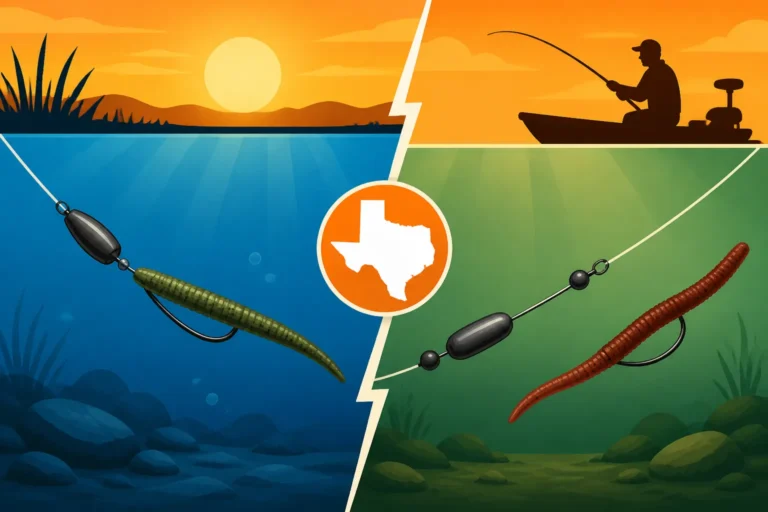
Scent: Think of scent as leaving a breadcrumb trail for fish to follow. Use strong, commercially available scents or incorporate them into your soft plastics. Catfish anglers have known this secret for ages, relying on strong-smelling punch baits, cut bait, or stink baits to attract fish. For bass and crappie, a liberal application of garlic, crawfish, or shad-scented gel or spray can make your artificial lure much more appealing. Don't forget to reapply frequently, as the scent washes off. When fishing with a Texas rig or a Carolina rig, soaking your soft plastic in scent can create a long-lasting attractant. For a deeper dive into effective Texas rig techniques, consider our How to fish a Texas Carolina rig guide.
Best Fish Species to Target in Muddy Water
While many fish will adapt to muddy water, some species are simply better equipped to thrive and feed in low-visibility conditions. Knowing which ones to target can significantly increase your chances of success.
Catfish – The Ultimate Muddy Water Warrior
If there's one species that absolutely loves muddy water, it's the catfish. Whether you're after big blue catfish, common channel catfish, or the elusive flathead, they are built for these conditions. Catfish have an incredible sense of smell and taste, with barbels ("whiskers") that are highly sensitive chemoreceptors, allowing them to detect food even in zero-visibility environments. They don't rely on sight to feed, so a sudden influx of mud barely registers as a challenge to them.
In muddy water, catfish often become even more active, taking advantage of the reduced light to roam freely and hunt for easy meals. They'll readily take strong-smelling baits like cut shad, chicken liver, punch bait, or even nightcrawlers. Fish the edges of incoming creeks or anywhere runoff is bringing food particles into the main body of water. Deeper holes in rivers and channels are also prime targets, as fish will congregate there. You can learn a lot more about these fascinating fish in our Texas Catfish Species Guide and practical tips on How to Catch Catfish in Texas.
When targeting catfish, using heavy-duty tackle and line is crucial, as they can grow quite large, and you'll likely be fishing in areas with snags. A simple bottom rig with a heavy sinker and a Kahle or circle hook loaded with pungent bait is often all it takes.
Largemouth Bass in Turbid Environments
While bass are predominantly sight feeders, they are highly adaptable predators, and you can absolutely catch them in muddy water. The key is to understand their behavioral shifts. Instead of actively chasing down prey, they'll become more opportunistic and rely on ambushing tactics.
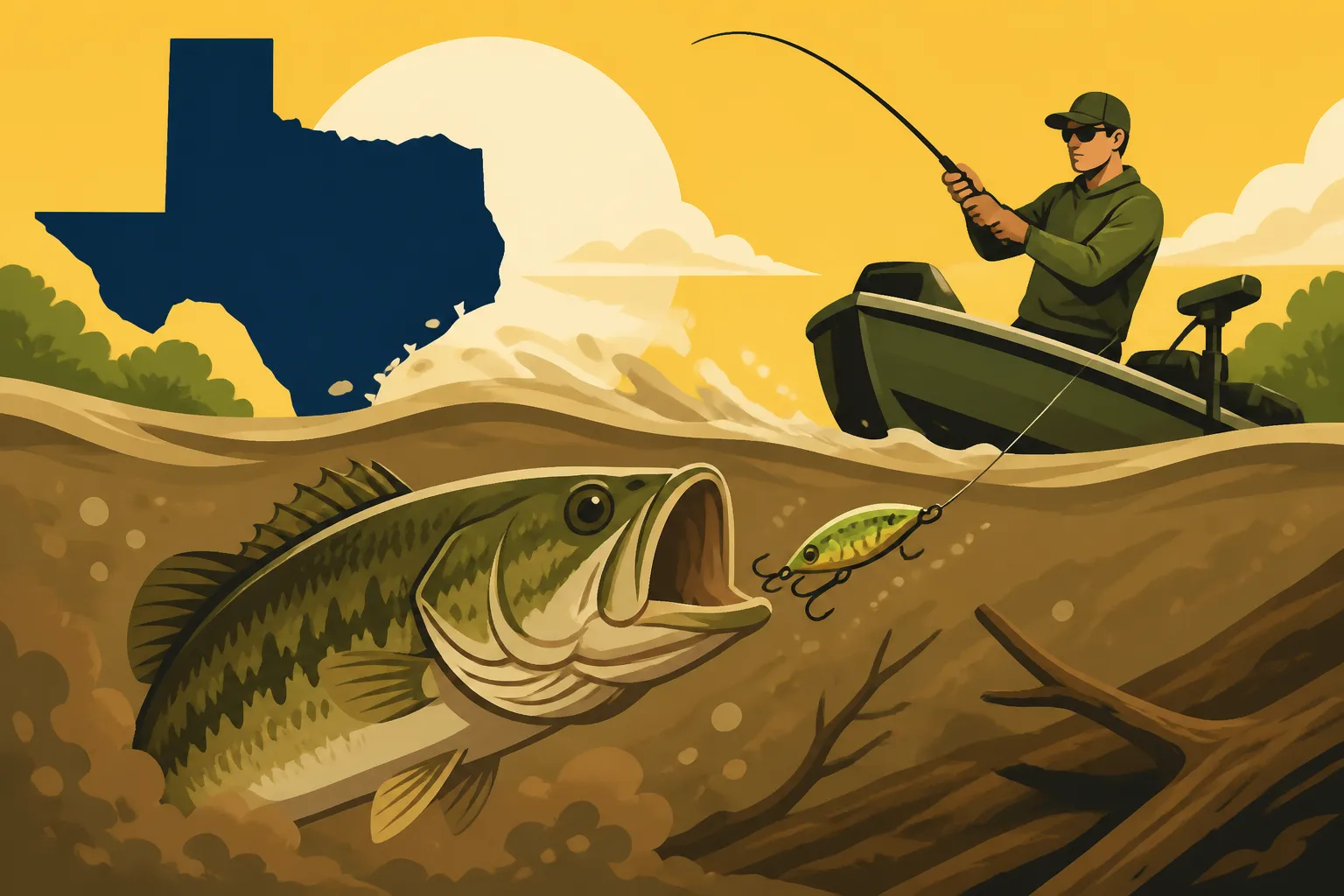
In muddy conditions, largemouth bass will often move shallower, particularly to areas with dense cover like submerged brush, laydowns, docks, and riprap. They'll also orient themselves to current breaks, especially near inflows, waiting for disoriented baitfish or other food items to be swept past. Your lure choices should reflect this: noisy, vibrating lures that create a strong presence. Spinnerbaits, chatterbaits, and squarebill crankbaits in dark or bright colors are stellar choices. Heavy-scented jigs with bulky trailers or Texas-rigged soft plastics worked slowly and deliberately through cover can also trigger strikes. For a comprehensive overview of how to tackle these iconic fish, refer to our Texas Largemouth Bass Fishing Guide.
The bites in muddy water can sometimes feel different – less of a sharp "thump" and more of a heavy "thunk" or just dead weight as the fish simply inhales the bait without much fuss. Pay close attention to any change in line tension or feel.
Crappie and Other Panfish
Crappie, while often associated with clear, calm water, can still be caught in muddy conditions, though they tend to hold even tighter to cover than usual. They'll seek out the densest brush piles, submerged trees, and bridge pilings where they feel safe and can ambush passing baitfish.
The trick with crappie in muddy water is to get your lure or bait right on top of them. Vertical jigging or slow-trolling very slowly with small jigs (1/32 to 1/8 oz) or live minnows is often the most effective approach. Use bright colored jigs, especially chartreuse, pink, or white, as these stand out best. Scent can also be a game-changer for crappie in these conditions. Fish your baits with extreme patience, allowing them to hang in the strike zone for extended periods. Focus on areas that might offer slightly better clarity, such as the back of coves or the leeward side of structures, but don't shy away from the mud if you know there's good cover there. Our Texas Crappie Fishing Guide offers more detailed strategies for various conditions. Other panfish like bluegill and sunfish will also retreat to cover and can be caught on worms or small jigs, especially in areas with vegetation.
Adjusting Your Approach to Different Muddy Water Scenarios
Muddy water isn't a monolithic condition; it can vary dramatically based on its cause, severity, and duration. Understanding these variations allows you to fine-tune your strategy even further.
Fishing Immediately After a Heavy Rain
The period right after a significant rain event can be either feast or famine, but often leans towards feast if you play it right. When heavy rains hit, a few things happen:
- Inflows become magnets: Creeks, ditches, and culverts that are now gushing fresh, muddy water into the main lake or river create distinct current breaks and bring in a buffet of food washed from the land. Baitfish will often congregate at these inflows, and predators will stack up nearby, waiting to ambush. Focus your efforts where the incoming muddy water meets the main body of water, looking for the clearer edges.
- Water temperature changes: If the rain was cold, the water temperature might drop, causing fish to seek warmer, shallower areas or deeper, more stable thermal zones. If the rain was warm, it could actually activate fish.
- Disorientation: The sudden influx of mud and debris can disorient baitfish and even larger game fish, making them more vulnerable.
This is a prime time for reaction baits. Throwing a noisy spinnerbait or a chatterbait into the turbulent water around inflows can trigger aggressive strikes. Catfish will often move up into these same areas to feed on the washed-in nutrients. For more specific tactics on handling these situations, our detailed guide on How to fish muddy water after heavy rain can provide valuable insights. Look for current breaks – any point, log, or weed line that creates a seam where the current slows down – as these are classic ambush points.
Consistently Muddy Lakes and Rivers
Some Texas waterways, by their very nature, are almost always muddy or heavily stained. Think of parts of the Trinity River or many agricultural lakes that naturally have low clarity. In these systems, the fish are accustomed to the conditions; it's their normal. They haven't been "shocked" by sudden changes; rather, they've evolved to thrive in low visibility.
Fishing these consistently murky systems requires a slightly different mindset. Instead of looking for fish to move to "clearer" water (which might not exist), you focus on understanding the inherent structure and flow patterns. Fish in these waters will still relate to cover and structure, but they might not be as tightly pinned to it as fish in a suddenly muddied clear lake. They'll often be more active throughout the day, as the low light penetration allows them to feed comfortably even at midday.
Your lure selection should still lean towards vibration and scent, but you might find that subtle variations in color, like a dark-colored lure with a touch of flash, can still be effective. The biggest advantage here is that the fish are consistently wired for these conditions, making their reactions more predictable once you crack the code.
Dealing with Varying Levels of Turbidity
Rarely is an entire lake or river uniformly muddy. You'll often find gradients of clarity, from chocolate milk in one cove to lightly stained in another, or even a noticeable "mud line" where clear water meets murky water. These transition zones are goldmines.
Mud Lines: These are particularly exciting. A mud line is where the muddy water from runoff or wind-churned areas meets clearer water. Fish will often position themselves right on the edge of this line, using the murky water for cover and the clearer side to ambush unsuspecting baitfish that venture too close. Cast your lure from the muddy side into the clearer water, bringing it back through the line. This can provoke aggressive strikes.
Lightly Stained vs. Chocolate Milk:
- Lightly Stained: In water with a foot or two of visibility, you can sometimes get away with slightly more natural colors or incorporate some flash. Spinnerbaits with both Colorado and willow leaf blades (a "tandem" configuration) can be great. The fish are less disoriented, so a broader range of techniques might apply.
- Chocolate Milk: This is when you need to pull out all the stops: darkest colors, brightest chartreuse, maximum vibration, and heavy scent. Slow down even more, and really focus on getting your lure right into the fish's personal space.
Understanding How water clarity changes lure choice is a critical skill for any Texas angler, allowing you to adapt on the fly and make the most of whatever conditions Mother Nature throws at you.
Safety Considerations and Best Practices
Fishing in muddy water isn't just about catching fish; it's also about staying safe and being a responsible angler. Reduced visibility can pose real hazards, and environmental changes can impact water quality.
Navigation Challenges in Murky Water
When the water is muddy, everything below the surface becomes invisible. This means submerged hazards like stumps, rocks, logs, and sandbars, which you might easily see in clear water, suddenly become hidden dangers. This poses a significant risk to boaters and even wade fishermen.
For Boaters:
- Slow Down: This is the most crucial rule. Reduce your speed significantly, especially in unfamiliar areas or shallow coves. Take your time.
- Use Your Electronics: Rely on your GPS and depth finder. Mark known hazards if you haven't already. Your charts might show channel markers or hazards, but new debris can appear after heavy rains.
- Observe Other Boaters: Watch how locals navigate. If they're going slow, you should too.
- Know Your Lake: If you're on a new lake, be extra cautious. Stick to main channels or areas you know are clear.
- Check Propeller and Lower Unit: After any suspected impact, gently check your propeller and lower unit for damage.
For Wade Fishermen:
- Shuffle Your Feet: Don't lift your feet; shuffle them along the bottom to detect drop-offs, holes, and submerged obstacles before you step on them.
- Use a Wading Staff: A wading staff provides an extra point of contact and helps you probe the bottom ahead of you.
- Know the Bottom: Understand if the bottom is rocky, silty, or has significant vegetation. Silt can create unstable footing.
Always ensure you have all the necessary Texas Boat Safety Equipment Requirements onboard, including life jackets, especially since a fall into unknown murky water can be disorienting.
Water Quality Concerns
Heavy rainfall and subsequent runoff can bring more than just mud into our waterways. It can also introduce pollutants from urban, agricultural, and industrial areas. This includes pesticides, herbicides, fertilizers, animal waste, and even raw sewage overflow in some areas.
- Avoid Direct Contact: Try to avoid getting muddy water in your mouth or open cuts. Wash your hands thoroughly with soap and water after handling fish, bait, or your tackle.
- Fish Consumption Advisories: Always check for any local fish consumption advisories issued by the Texas Parks and Wildlife Department (TPWD) or local health authorities. While acute contamination might not be immediately dangerous, repeated consumption of fish from polluted waters can pose risks.
- Clean Your Catch Promptly: If you keep your fish, clean them promptly and thoroughly, removing guts and skin as these can sometimes concentrate contaminants.
While the vast majority of Texas waterways are safe for fishing, being aware of potential issues is part of responsible angling.
Preparing for Success
Fishing muddy water isn't about luck; it's about preparation and adaptation.
- Check Reports: Before heading out, check recent fishing reports, especially from local bait shops or online forums. Local anglers often have the best insights into current water clarity and fish behavior.
- Pack Smart: Bring extra scent, a variety of dark and bright lures, and perhaps some rattles to add to your baits. A good pair of polarized sunglasses, even if visibility is poor, can still help cut glare on the surface and reveal subtle changes in water color.
- Stay Flexible: Don't get stuck on one technique or one spot. If what you're doing isn't working, be willing to change lures, colors, retrieve speeds, and locations. Move from muddy areas to clearer edges, or vice-versa.
- Observe and Learn: Pay attention to where you get bites. Was it near an inflow? On the edge of a mud line? Tight to a dock? This information will help you pattern the fish and replicate your success.
Muddy water fishing can be incredibly rewarding. It forces you to hone your senses, trust your instincts, and truly understand fish behavior beyond just sight. With the right approach, those frustrating brown waters can turn into some of your most memorable Texas fishing adventures.
Disclaimer
Fishing conditions and regulations in Texas can change frequently. Always consult the latest rules and advisories from the Texas Parks and Wildlife Department (TPWD) before heading out. This guide provides general information and recommendations and should not replace official sources. Stay safe and fish responsibly.