How to Catch Gar in Texas
There's something incredibly primal and exciting about targeting gar in Texas waters. Many anglers shy away from these prehistoric-looking fish, thinking they're just "trash fish" or too difficult to catch, but that couldn't be further from the truth. If you've ever felt the sheer power of a gar on the end of your line, or been fascinated by their unique appearance, you know they offer an unparalleled fishing experience. This guide is dedicated to helping you demystify gar fishing, covering everything from understanding the different species to the specialized gear and techniques needed to successfully land these incredible Texas natives.
Understanding Texas Gar Species
Before you even think about casting a line, it's really helpful to know what kind of gar you're actually looking for. Texas is home to several species, each with its own characteristics, preferred habitats, and even different regulations. Knowing your target will make your trip much more focused and successful.
Alligator Gar: The River Monster
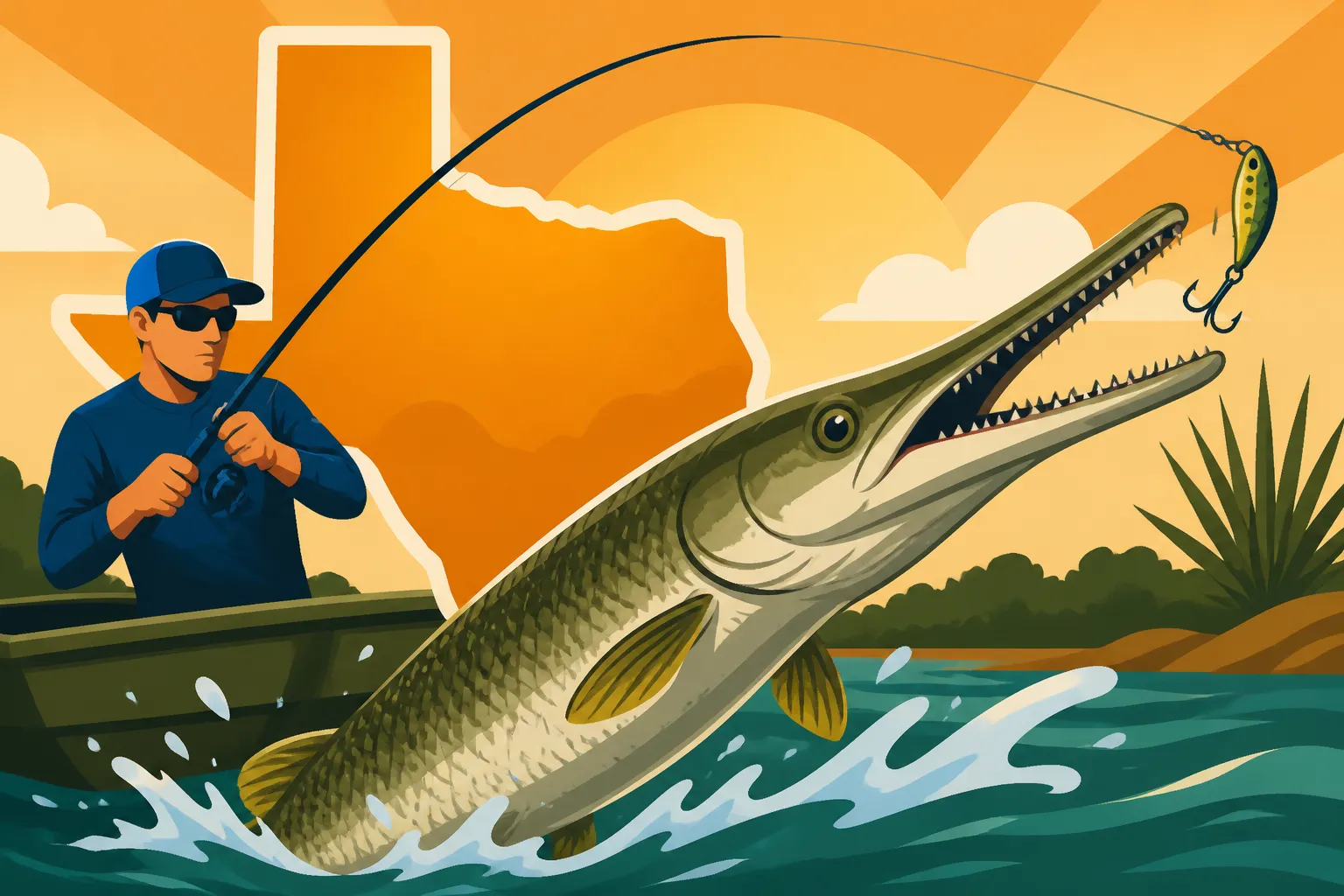
When most people think of "gar," the image that often comes to mind is the mighty alligator gar. These truly are the giants of the gar family, and frankly, some of the most impressive freshwater fish you'll ever encounter. They get their name from their broad, alligator-like snout and double row of formidable teeth. These fish can grow to astounding sizes, easily exceeding six feet in length and weighing well over 100 pounds. Imagine reeling in a fish that's longer than you are tall! The Texas state record alligator gar was an absolute behemoth, pushing 302 pounds. Catching one is a bucket-list achievement for many anglers, but it requires serious dedication, heavy-duty gear, and often, a lot of patience. They prefer slow-moving rivers, large lakes, and brackish coastal bays, often lurking in deeper holes or near submerged structure. If you're looking for information specifically on these giants, our guide on a deeper dive into the Texas Alligator Gar Fishing Guide can give you even more specialized tips.
Their size isn't just for show; it dictates their predatory behavior. Alligator gar are apex predators, feeding on a wide variety of fish, waterfowl, and even small mammals. They lie in wait, ambushing their prey with a powerful burst of speed. Because of their potential size and the sheer strength they possess, targeting alligator gar is not for the faint of heart or the light tackle enthusiast. It's an intense, rewarding experience, but one that demands respect for the fish and proper preparation.
Longnose, Spotted, and Shortnose Gar: More Common Catches
While the alligator gar gets all the headlines, Texas waters are teeming with other, more commonly encountered gar species: the longnose, spotted, and shortnose gar. These are excellent sport fish in their own right and offer a fantastic introduction to gar fishing without the need for quite as specialized (or heavy-duty) gear as their larger cousin.
The longnose gar is arguably the most widespread gar species in Texas. You can identify them by their incredibly long, slender snout, which is typically more than twice the length of the rest of their head. They usually range from 2 to 5 feet in length and weigh between 5 and 20 pounds, though bigger ones are definitely out there. They're common in rivers, lakes, and even some brackish estuaries throughout the state. Don't let their slender appearance fool you; they're strong fighters and can put up a thrilling battle on appropriate tackle. You might be interested in understanding the nuances by reading our comparison of the Texas Longnose Gar vs Alligator Gar.
Spotted gar are smaller, usually topping out around 3 feet and weighing 3-8 pounds. As their name suggests, they're covered in distinct dark spots on their head, body, and fins, which helps differentiate them from the other species. They prefer clearer, vegetated waters, often found in shallow areas of lakes and slow-moving streams. Their smaller size makes them a great target for lighter tackle, providing an accessible entry point for those new to gar fishing.
The shortnose gar is the least common of the three in many parts of Texas, generally found in the eastern part of the state. They have a shorter, broader snout than the longnose, but still much more elongated than the alligator gar. They're similar in size to spotted gar, usually under 3 feet. Identifying them often comes down to snout length and tooth patterns, which can be tricky without a close look. They're often found in turbid waters, backwaters, and oxbow lakes. All three of these species, while smaller than alligator gar, are incredibly aggressive and offer fantastic sport, hitting baits hard and often putting on acrobatic displays once hooked.
Essential Gear for Gar Fishing
Gar fishing isn't like bass fishing; you can't just grab your everyday spinning rod and expect to land a monster. Their bony mouths and incredible strength demand specific gear. You'll need tackle that can stand up to powerful runs and the unique challenge of their anatomy.
Rods, Reels, and Line Built for Battle
When it comes to rods, you'll want something stout and durable, especially if you're targeting alligator gar. For the smaller longnose, spotted, or shortnose gar, a heavy-action baitcasting or spinning rod, typically 7 to 8 feet long, will serve you well. Look for rods with a strong backbone that can handle 20-50 pound test line. Brands like Ugly Stik or Penn offer excellent heavy-action rods that can take a beating. If you're chasing those true river monsters, the alligator gar, you'll need to step up to truly heavy-duty equipment. Think saltwater boat rods or catfish rods designed for large specimens, with ratings for 50-100 pound line or more. These rods have incredible lifting power and won't buckle under the strain of a huge gar. For more general advice on selecting the right tools, check out our guide on the Best Fishing Rods for Texas Anglers.
As for reels, durability and line capacity are key. For smaller gar, a robust baitcasting reel with a good drag system and plenty of spool capacity for at least 80-100 yards of heavy line is ideal. Spinning reels can work too, but ensure it's a large, strong model (e.g., 5000-8000 series) with a high-quality drag. If you're going after alligator gar, you'll need a conventional "boat" reel or a large saltwater-grade baitcaster. These reels are designed for battling big, powerful fish and holding hundreds of yards of heavy line. A smooth, consistent drag is paramount, as gar can make blistering runs. You'll find many suitable options from reputable brands on platforms like Amazon, offering excellent value for the performance. For more detailed reel selection, our article on Best Fishing Reels for Texas Anglers has great recommendations.
Line choice is critical. Gar have incredibly sharp teeth and bony mouths, which can easily fray or snap lighter mono or fluoro lines. Braided line is almost universally recommended for gar. For the smaller species, 30-50 pound braided line is a good starting point. For alligator gar, don't hesitate to go 80-150 pound test braid. The no-stretch property of braid helps with hook sets through their bony jaws, and its abrasion resistance is superior. Because of their teeth, a heavy leader is essential. Many anglers use heavy monofilament (80-100 lb test), fluorocarbon, or even steel leader for alligator gar, especially if using traditional hooks. However, some innovative gar anglers forgo traditional hooks altogether, using frayed rope lures to entangle the gar's teeth without piercing its mouth, which is often easier for release.
Specialized Tackle and Baits
Beyond the basic rod, reel, and line, gar fishing calls for some specific terminal tackle. Regular hooks often struggle to penetrate a gar's bony mouth. When using traditional hooks, choose strong, sharp, large treble hooks (4/0-7/0) or heavy-duty J-hooks. Some anglers prefer circle hooks, as they tend to hook in the corner of the mouth, which can be easier for removal and less damaging to the fish if you plan to release it. Another popular method, especially for those who want to practice catch-and-release with minimal harm, is the aforementioned rope lure. This involves taking a section of frayed nylon rope (often cut from a mop head or a similar material), tying it to your line, and presenting it like bait. When a gar bites, its teeth get entangled in the fibers, allowing you to reel it in. This method is incredibly effective and makes hook removal a non-issue. You can find pre-made rope lures or materials to craft your own on sites like Amazon.
As for baits, gar are primarily piscivorous, meaning they eat other fish. Fresh cut bait is usually king. Shad, carp, sunfish, or even chunks of larger rough fish like buffalo are excellent choices. Use fresh bait; gar have a keen sense of smell. Whole small fish or large strips work best, presented on a stout hook or trailed behind a rope lure. Live bait can also be effective, especially for alligator gar, using live carp, mullet, or large perch. The key is to use bait substantial enough to attract a large predator but also sized appropriately for your chosen hook or rope lure. For more general advice on what to put on your hook, our guide on the Best Bait and Lures for Texas Fishing offers a broad overview that can be adapted for gar.
Float fishing is a common setup, using a large bobber or cork to suspend your bait at various depths. This keeps your bait visible and allows the gar to take the bait without immediate resistance. A heavy-duty steel leader is crucial to prevent bite-offs, especially for alligator gar. Some anglers also bottom fish for gar in deeper holes, using a slip-sinker rig to allow the fish to take the bait freely.
Prime Locations and Best Times to Target Gar
Knowing where and when to find gar dramatically increases your chances of success. These fish are widely distributed across Texas, but their habits can vary by species and season.
Finding Gar in Texas Lakes and Rivers
Texas is absolutely blessed with fantastic gar habitat, from the expansive reservoirs to the winding rivers and even brackish coastal areas.
For alligator gar, you'll want to focus on the major river systems like the Trinity River (especially the lower stretches), Brazos River, Colorado River, and the Sabine River. These slow-moving, often murky rivers provide ideal conditions with plenty of ambush points and large prey. Look for them in deep holes, near submerged log jams, in oxbow lakes, or along the edges of channels. Larger reservoirs that connect to these river systems, such as Lake Livingston or Sam Rayburn, can also hold significant populations. Our guide on the Best Texas Rivers for Fishing provides a great starting point for exploring these habitats.
For longnose, spotted, and shortnose gar, your options are even broader. They are found in most major lakes and rivers throughout the state.
- Lakes: Many Texas lakes, including Lake Fork, Lake Ray Roberts, or even urban lakes like those in the Neighborhood Fishin' Program, will have good populations of these smaller gar species. Look for them in shallow coves with submerged vegetation, around standing timber, or cruising the shorelines, especially in the mornings or evenings.
- Rivers and Creeks: Smaller rivers and creeks that feed into larger bodies of water are excellent spots. Gar will often congregate in slower sections, eddies, and pools. The Guadalupe River, San Marcos River, and even smaller tributaries can be productive.
When you're out scouting, keep an eye out for tell-tale signs. Gar frequently "roll" on the surface, gulping air, especially during warmer months or in low-oxygen conditions. Spotting these rolls can tell you exactly where they are. Also, pay attention to areas where baitfish are abundant, as gar will often be close behind.
Seasonal and Daily Patterns for Success
Gar are generally warm-water fish, meaning their activity tends to peak during the warmer months, but you can catch them year-round with the right approach.
Spring: As water temperatures rise, gar become more active, moving into shallower waters to feed and eventually spawn. This is an excellent time to target them, especially longnose and spotted gar, in coves and backwater areas. Post-spawn, they'll be hungry and aggressive, making them more willing to strike.
Summer: This is prime time for gar fishing. The long, hot days often concentrate gar in deeper, cooler holes during the day, but they will actively feed in shallower areas during low-light hours. You'll see more gar rolling on the surface in the mornings and evenings as they take gulps of air. Night fishing can also be incredibly productive for gar in the summer, as they become more active when temperatures drop slightly. For tips on navigating the heat, our guide on How to Fish in Hot Texas Summers can provide some survival strategies.
Fall: As temperatures begin to cool, gar will often engage in a feeding frenzy, bulking up for the winter. This can be a fantastic time to catch larger specimens. They might move into slightly deeper areas than in summer but will still be accessible.
Winter: Gar activity slows down significantly in winter as water temperatures drop. They will often congregate in deeper, stable areas, becoming more sluggish. While challenging, they can still be caught, often by presenting baits slowly and patiently in these deeper haunts.
Daily Patterns: Like many predators, gar are often most active during low-light periods. Early mornings and late evenings, as the sun rises or sets, are often the best times to target them. Overcast days can also provide extended feeding windows. In the bright midday sun, especially in summer, they may retreat to deeper water or shaded areas, becoming less active. However, alligator gar, in particular, are opportunistic and will strike whenever an easy meal presents itself, regardless of the time of day. Tides can also influence saltwater gar, with moving tides often triggering feeding activity.
Effective Techniques for Hooking Texas Gar
Gar are unique fish, and their bony mouths can make traditional hook sets frustrating. Anglers have developed several specialized techniques to successfully hook and land them.
Traditional Bait Fishing Strategies
When using traditional hooks, a patient approach is key. Gar often "mouth" or carry bait for a while before fully swallowing it, especially large baits.
- Float Fishing (Suspended Bait): This is perhaps the most common and effective method for all gar species.
- Setup: Use a large, high-visibility bobber or cork to suspend a whole baitfish or chunk of cut bait. Adjust the depth so your bait is presented just above potential gar holding areas or at the depth where you've seen them rolling. A stout swivel and a heavy leader (steel or heavy mono/fluoro) between your main line and hook are essential.
- Presentation: Cast your rig out to areas where you suspect gar are present. Watch your bobber closely. When a gar takes the bait, it might move slowly at first. Resist the urge to set the hook immediately. Let the gar swim off with the bait, allowing it time to fully ingest it. Count to 10-20 seconds, or wait until the bobber starts to move steadily away, indicating the fish has turned and is swimming.
- Hook Set: Once you're confident the gar has swallowed the bait, reel down to remove slack and set the hook with a strong, sweeping motion. Because of their bony mouths, it might take a few tries to get a solid connection.
- Bottom Fishing: For gar holding in deeper holes or channels, particularly during colder months or in large rivers, bottom fishing can be productive.
- Setup: Use a slip-sinker rig with a heavy weight (1-3 oz, depending on current) to keep your bait on the bottom. Again, a strong leader and sharp, large hook are crucial.
- Presentation: Cast into known deep spots or along channel edges. The slip-sinker allows the gar to pick up the bait and swim off without feeling immediate resistance from the weight.
- Hook Set: Similar to float fishing, allow the gar plenty of time to take the bait. Wait for a steady, strong pull before setting the hook firmly.
Remember, gar have a reputation for being hard to hook due to their bony jaws. Patience is your best friend. Don't get discouraged if you miss a few strikes; it's part of the gar fishing experience!
Alternative Methods: Bowfishing and Noodling
Beyond traditional rod and reel, gar are popular targets for more specialized and active fishing methods, particularly bowfishing and noodling.
Bowfishing for Gar:
Bowfishing is an incredibly exciting and visually engaging way to catch gar, particularly in shallower waters. It's a method that requires precision, stealth, and a good eye.
- Equipment: You'll need a specialized bowfishing bow (often a compound or recurve bow rigged for bowfishing), a reel (either a traditional fishing reel adapted for bowfishing or a specialized bowfishing reel that spools line off quickly), and specialized arrows with barbed points designed to penetrate fish and remain attached. The arrow is tethered to the line, which is spooled on the reel. Many bowfishing kits are available on Amazon for beginners.
- Technique: Bowfishing is typically done from a boat, often at night with powerful lights, or during the day in clear, shallow waters. You scan the water for gar, often cruising slowly through shallow flats or along riverbanks. Once a gar is spotted, you aim, considering the refraction of light in water (the fish will appear to be shallower than it actually is), and shoot. The arrow then tethers the fish to your line, allowing you to retrieve it.
- Why it's popular: Bowfishing offers a high-adrenaline hunt and is very effective for gar, especially the larger alligator gar, as it bypasses the challenge of hook penetration. It's also a great way to remove invasive species or target fish for consumption or removal as part of management efforts. Just be sure to check Texas Bowfishing License Requirements and local regulations, as rules can vary.
Noodling/Hand Fishing for Gar:
Noodling, or hand fishing, is an ancient and extremely physical method of fishing, typically associated with catfish, but some adventurous anglers also use it for gar.
- Technique: This involves wading or diving into the water and using your hands to locate fish hiding in submerged holes, crevices, or under log jams. Once a fish is found, you literally grab it with your hands.
- Gar Noodling Nuances: Noodling for gar is particularly challenging and dangerous due to their sharp teeth. It's not commonly practiced for gar due to the significant risk of injury. While noodling for catfish is regulated in Texas (see Is Noodling Legal in Texas?), specifically targeting gar this way is less common and extremely risky. This method is generally not recommended for beginners and should only be attempted by highly experienced individuals with extreme caution and proper safety gear, if at all. For most anglers, rod and reel or bowfishing are much safer and more practical methods for targeting these toothy creatures.
Handling and Regulations for Texas Gar
Gar are unique fish, and handling them correctly is important for both your safety and the fish's well-being. Furthermore, Texas has specific rules you absolutely need to follow.
Safe Handling Practices for Gar
Once you've landed a gar, the real challenge sometimes begins: how to safely handle it. Their armor-plated bodies, sharp teeth, and often large size make them a handful.
- Protect Yourself First: Always wear heavy-duty gloves when handling gar. Their scales are incredibly tough, and their teeth can cause serious lacerations. Eye protection isn't a bad idea either, especially if the fish is thrashing.
- Control the Head: The gar's head, with its powerful jaws and teeth, is the most dangerous part. If you're planning to release the fish, it's best to keep it in the water as much as possible. For smaller gar, a fish gripper can be invaluable for securing the lower jaw, allowing you to control the head safely. For larger alligator gar, this can be more challenging. Some experienced anglers use a noose or a tail rope to control the fish's body, but always prioritize safety.
- Removing Hooks (Traditional Methods): If you've used traditional hooks, removing them can be difficult.
- Smaller Gar: Long-nosed pliers or de-hooking tools are essential. Work carefully to unhook the fish, avoiding its teeth.
- Larger Gar: If the hook is deeply set in a large gar, and you intend to release it, sometimes cutting the line as close to the hook as possible is the least harmful option. The hook will eventually rust out. Trying to forcibly remove a deeply set hook from a thrashing, large gar can cause more damage to the fish and increase your risk of injury.
- Rope Lure Release: This is where rope lures truly shine for catch-and-release. Since there's no hook to remove, you simply untangle the rope from the gar's teeth. This is much faster, causes no damage to the fish, and is significantly safer for the angler.
- Releasing Gar: If releasing, support the fish horizontally and allow it to recover before letting it go. Don't drop it or throw it back into the water. Ensure it swims away strongly.
Remember, gar are powerful fish. They can thrash violently, even when seemingly subdued. Approach with caution and respect their strength and formidable defenses.
Texas Gar Fishing Regulations You Must Know
Texas Parks and Wildlife Department (TPWD) has specific regulations for gar, especially for alligator gar, due to their unique conservation status. Ignorance of the law is never an excuse, so always check the latest regulations before heading out. Our general guide on Texas Freshwater Fishing Regulations and Texas Fish Bag and Length Limits are good starting points, but let's dive into specifics for gar.
- Alligator Gar: The regulations for alligator gar are the most stringent and can change.
- Bag Limit: Generally, the daily bag limit for alligator gar is one fish per person per day. This is a statewide regulation, but some specific waters may have additional restrictions or special seasons, so always verify for your chosen fishing spot.
- Length Limit: There is no minimum length limit on alligator gar statewide, but again, certain waters might have specific rules.
- Reporting: If you catch and retain an alligator gar, TPWD often requires you to report your harvest. This helps them monitor populations and manage the species effectively. Always check the current Outdoor Annual for reporting requirements. These might involve online reporting or even physically presenting the fish to a TPWD biologist.
- Longnose, Spotted, and Shortnose Gar: For these species, the regulations are typically more relaxed.
- Bag Limit: In most waters, the daily bag limit for these gar species is 25 fish per person per day in any combination.
- Length Limit: There are usually no length limits for these species.
- Special Regulations: Always double-check the Outdoor Annual for any water-body-specific exceptions. Some smaller rivers or local parks might have different rules.
General Licensing: Don't forget, to fish for any gar species in Texas public waters, you generally need a valid Texas Fishing License Requirements Explained with the appropriate endorsements. There are very few exemptions, such as for minors under 17. Make sure your license is current to avoid penalties.
Regulations exist to protect fish populations and ensure sustainable fishing for everyone. Always check the current TPWD Outdoor Annual or their website for the most up-to-date and specific rules for the waters you plan to fish. Conservation is a shared responsibility, and understanding and following these regulations is vital for preserving the incredible gar fishing opportunities in Texas for future generations.
Disclaimer
Fishing inherently carries risks, including but not limited to injury from hooks, sharp fish parts, slippery surfaces, and environmental hazards. Always exercise caution, follow safety guidelines, and comply with all local, state, and federal regulations. This guide provides general information and should not replace professional advice or official regulatory documents.