How to fish a drop shot for bass
Let's be real: sometimes bass fishing in Texas feels like you're talking to a brick wall. You throw everything but the kitchen sink at them – crankbaits, spinnerbaits, even topwater in the heat – and they just look at you, unimpressed. It's frustrating when those big, finicky bass decide they're not biting, especially in clear water or after a cold front. This guide is all about one of the most effective, subtle presentations out there: the drop shot rig. We'll break down exactly how to fish a drop shot for bass, ensuring you have the know-how to coax those stubborn fish into striking, even on the toughest days.
What Exactly is a Drop Shot Rig and Why Should You Care in Texas?
The drop shot rig is a finesse technique that has absolutely revolutionized bass fishing, especially for anglers targeting wary fish in clear water or those that are just plain shut down. If you've ever felt like your traditional Texas rig or Carolina rig was just too aggressive, too bulky, or moving too fast for the mood of the fish, the drop shot is your secret weapon. It presents a soft plastic bait in a completely natural, horizontal orientation, right in the strike zone, with minimal movement from the weight on the bottom. It's like offering a delicate hors d'oeuvre instead of a full meal – sometimes that's exactly what a Texas bass needs to trigger a bite.
The Anatomy of a Drop Shot: More Than Just a Hook and Weight
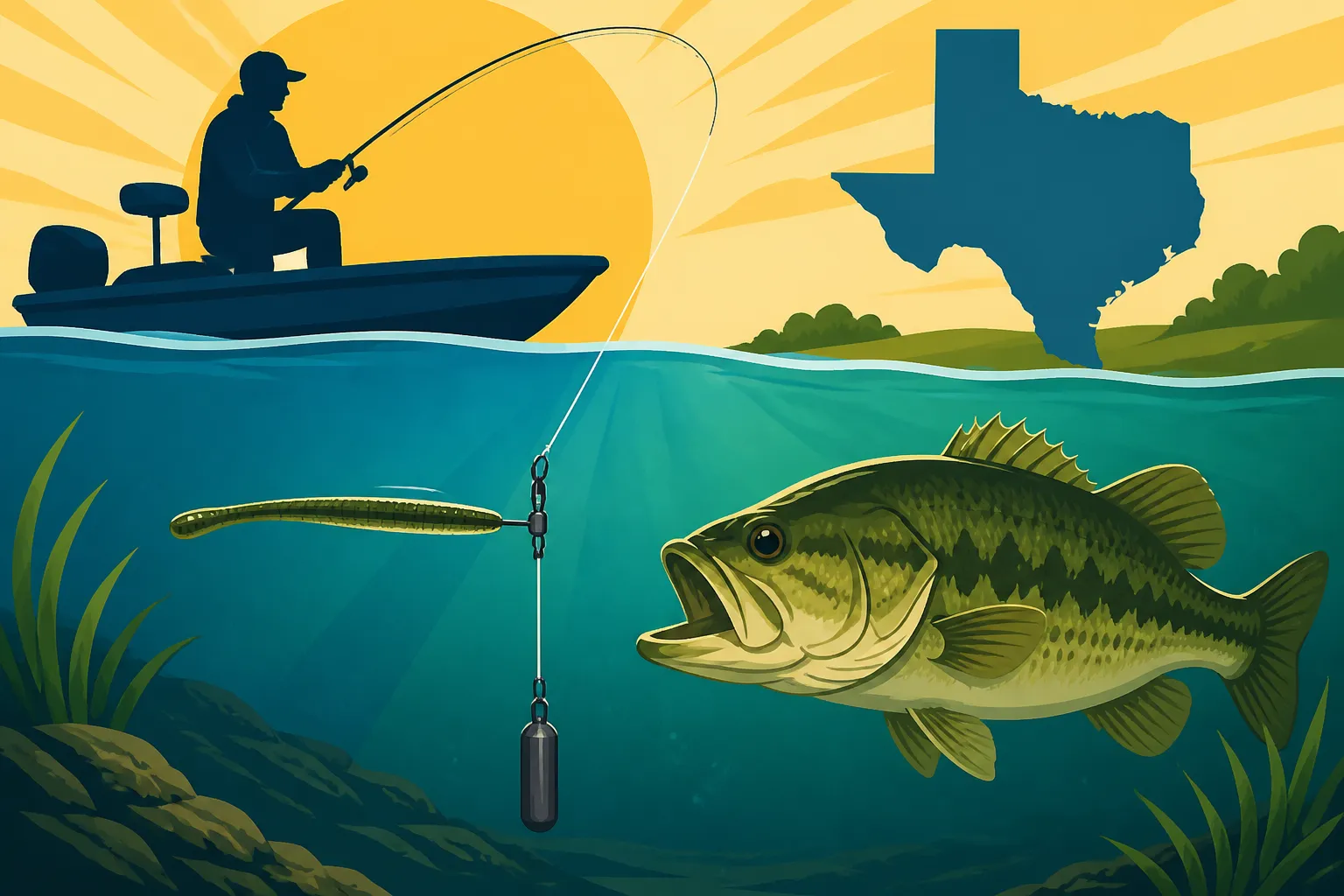
At its core, a drop shot rig is simple, but its effectiveness comes from its unique configuration. Imagine your mainline, typically a fluorocarbon or braided line with a fluorocarbon leader, tied to a hook with a palomar knot. But here's the kicker: the hook is tied above the tag end of the line, which then continues down to a specialized drop shot weight. This means your hook stands out horizontally from the line, allowing your soft plastic bait to hover at a specific depth above the bottom, completely independent of the weight. This setup allows for incredibly subtle manipulation of the bait with just tiny twitches of the rod tip, making it dance enticingly in place. You can keep it there, wiggling, for as long as it takes to annoy a bass into biting.
When the Drop Shot Shines: Why Texas Bass Anglers Love It
Here in Texas, we deal with all sorts of conditions, from scorching summer heat on reservoirs like Lake Fork or Sam Rayburn to surprising cold fronts that can shock fish into inactivity. The drop shot truly shines in several key scenarios:
- Clear Water Lakes: Lakes like Canyon Lake or the clearer parts of Lake Amistad often have bass that are very visual hunters. A subtle, naturally presented bait on a drop shot is far less likely to spook them than a heavier, more intrusive presentation. The bait just hangs there, almost weightless, looking like an easy meal.
- Highly Pressured Lakes: When everyone else is throwing the same few baits, a finesse technique like the drop shot can make all the difference. Bass in popular spots see a lot of lures; offering something different, especially something that stays in their face longer, often gets results.
- Post-Frontal Conditions: After a cold front rolls through, bass can become lethargic and suspend in the water column. They're not actively chasing prey. The drop shot allows you to put a bait directly at their eye level and leave it there, giving them plenty of time to decide to strike without expending much energy.
- Deep Water Structure: When bass are holding tight to deep ledges, brush piles, or humps (think 20-40 feet down on a big reservoir), a drop shot is unparalleled. You can maintain constant bottom contact with your weight while your bait hovers perfectly above the cover, where those bigger bass often position themselves. This is crucial for success when you're targeting those deeper holding fish you might spot on your fish finder.
- Vertical Presentations: Fishing directly under the boat, whether you're idling over a brush pile or sitting atop a deep rock pile, is where the drop shot excels. You can effortlessly work your bait with minimal effort, feeling every little nuance of the bottom and every subtle tap from a bass. This technique is especially potent if you're marking fish on your electronics.
The ability to keep your bait stationary in the strike zone for extended periods is the drop shot's superpower. It's not about making a big splash; it's about being persistent and irritating those bass into biting.
Assembling Your Texas Drop Shot: Getting the Gear Right
Successfully fishing a drop shot isn't just about the technique; it starts with having the right tools for the job. You wouldn't use a sledgehammer to tap in a nail, and you shouldn't use heavy flipping gear for this finesse presentation. The goal is sensitivity and delicate presentation, so let's dial in the gear. When it comes to finding the specific items you need, many anglers turn to retailers like Amazon for a wide selection of specialized drop shot components.
Rod, Reel, and Line: The Foundation of Your Setup
This is where the sensitivity really comes into play.
- Rod: You'll want a spinning rod, typically in the 6'8" to 7'4" range, with a medium-light to medium power and a fast or extra-fast action. The fast action tip is critical for detecting those super subtle bites that are common with a drop shot, while the medium-light power ensures you can cast those lighter weights and absorb the shock of a fish on light line. A good quality graphite rod is your best friend here. You can find excellent options for Best Fishing Rods for Texas Anglers that would be perfect for this technique.
- Reel: Pair your sensitive rod with a high-quality spinning reel in the 2000-3000 size range. Smooth drag is non-negotiable because you'll be fighting fish on lighter line. Look for a reel that balances well with your rod, as comfort during long days of fishing can make a big difference. Many anglers start their search for Best Fishing Reels for Texas Anglers with models known for their smooth retrieve and dependable drag systems.
- Line: This is often a critical debate among drop shotters.
- Mainline (Braid): Many anglers prefer 8-15 lb braided line for their mainline. Braid has no stretch, offering maximum sensitivity to feel those light bites and detect what your weight is doing on the bottom. It also helps with casting distance for lighter rigs.
- Leader (Fluorocarbon): Because braid is visible, you'll want to tie a 6-10 lb fluorocarbon leader to your braided mainline. Fluorocarbon is nearly invisible underwater, providing the stealth needed for clear Texas waters, and it offers a bit of abrasion resistance if you're fishing around cover. The length of your leader can vary, but generally 6-15 feet is a good starting point. This gives you enough invisible line to fool wary bass.
Hooks and Weights: Small Details, Big Impact
Don't underestimate the importance of these seemingly small components.
- Hooks: For drop shotting, you're usually looking at smaller, specialized hooks designed to keep your soft plastic bait perfectly horizontal. Common choices include:
- Drop Shot Hooks: These are typically straight shank, wide gap hooks with a slight bend in the shank that helps the bait sit correctly. Sizes usually range from #1 to 2/0, depending on the size of your bait.
- Treble Hooks (for nose-hooking): If you're nose-hooking a small worm, a specialized drop shot hook works great.
- Worm Hooks (for Texas-rigging): For fishing around heavy cover like dense brush piles or thick hydrilla, you can even Texas-rig your soft plastic on a small, light-wire EWG (extra wide gap) worm hook (sizes #1 to 1/0) and then tie it into your drop shot rig. This makes it weedless and reduces snags.
- Palomar Knot: This is the go-to knot for tying your hook onto the drop shot rig. After tying it, thread the tag end back through the eye of the hook from the top, which helps the hook stand out horizontally.
- Weights: Drop shot weights are designed to slip through cover easily and provide good bottom feel. They typically have a swivel at the top for tying directly to your tag end.
- Cylinder/Pencil Weights: These are long and slender, making them excellent for navigating rocks and weeds without getting hung up.
- Round/Teardrop Weights: These are more compact and offer excellent bottom contact feedback, though they can sometimes wedge into rocks more easily.
- Weight Selection: The weight you choose depends on depth, current, and wind. For shallow water (under 15 feet) or calm conditions, 1/8 oz to 1/4 oz is common. For deeper water or windy conditions, you might go up to 3/8 oz or even 1/2 oz. The key is to use the lightest weight possible that still allows you to maintain bottom contact and feel your bait.
Choosing Your Soft Plastics: Texas Bass Have Preferences
The beauty of the drop shot is that it can make almost any soft plastic look irresistible. However, some excel more than others. The main goal is a bait that has subtle, natural action with minimal movement from the angler. When shopping for these, especially if you're looking for specific colors or brands, it's often convenient to browse options on Amazon.
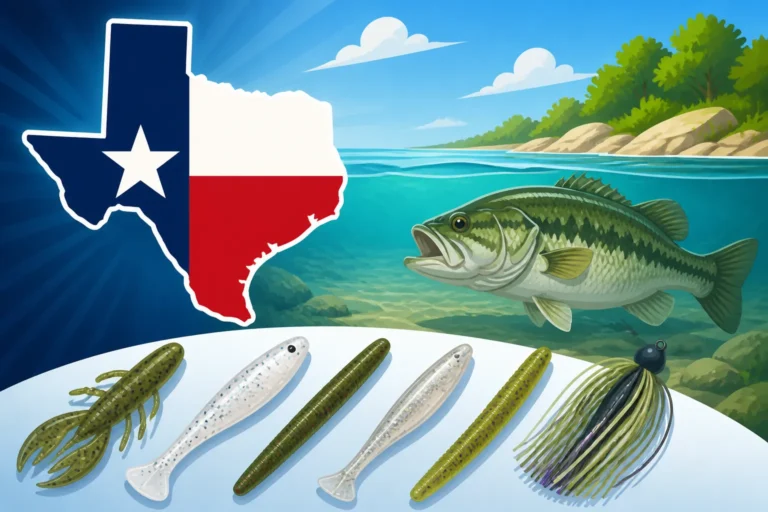
- Worms: Small, straight-tail worms (4-6 inches) are perhaps the most popular choice. Brands like RoboWorm, Yamamoto Senkos (cut down), or Zoom Finesse Worms are perennial favorites. Their slender profile allows for maximum wiggle with minimal effort. Best Soft Plastics for Texas Bass Fishing will often feature several types perfect for a drop shot.
- Creature Baits/Lizards: Smaller creature baits can imitate crawfish or other invertebrates, especially if nose-hooked.
- Minnow/Fry Imitations: For suspending bass or when bass are feeding on baitfish, small flukes or shad-profile baits (2-4 inches) can be deadly when nose-hooked.
- Color Selection: This is often dictated by water clarity and forage.
- Clear Water: Natural greens (like watermelon, green pumpkin, natural shad, clear lake hitch) are excellent.
- Stained Water: Go for brighter colors like junebug, blue fleck, or even bubblegum in certain situations.
- Mimicking Forage: Pay attention to what the bass are eating. If it's crawfish, a brown or green pumpkin creature bait. If it's shad, a silver or pearl minnow imitation.
Mastering the Presentation: How to Fish a Drop Shot Like a Pro
Now that your gear is dialed in, it's time to learn how to present this subtle rig to those Texas bass. This isn't a power technique; it's all about finesse, patience, and attention to detail.
Casting and Positioning: Getting Your Bait Where It Needs to Be
The first step is getting your drop shot into the right zone.
- Accuracy is Key: Because the drop shot is often used to target specific pieces of cover or fish you've seen on your electronics, accurate casting is paramount. Try to cast just beyond your target, allowing the weight to sink through the water column and settle precisely where you want it.
- Vertical Presentations: Often, the most effective way to fish a drop shot is directly under the boat. If you're marking fish on your sonar, gently drop your rig straight down to their depth. This is called "video game fishing," and it's incredibly effective when bass are schooled up or holding tight to structure. This technique is especially useful if you are trying to understand How to use a fish finder for bass fishing in deep water.
- Maintaining Bottom Contact: Once your weight hits the bottom, pay attention to your line. You want just enough slack to let the bait move naturally, but not so much that you can't feel a bite or the bottom composition. The goal is to keep that weight barely touching or dragging on the bottom, with your bait hovering above it.
The Subtle Art of the Retrieve: Enticing Finicky Bass
This is where the magic happens. The drop shot is all about subtle movements.
- The "Dead Stick" Approach: Often, the most effective retrieve is simply letting your bait sit perfectly still. Bass are curious creatures, and a motionless bait wiggling ever so slightly with the water's natural current can be enough to draw them in. Sometimes, just shaking your rod tip gently without moving the weight is all it takes to make the bait quiver and entice a strike.
- Slow Drags and Hops: When you do move the rig, do it slowly. Gently drag the weight a few inches, pause, and then repeat. You can also give the rod tip a small, upward twitch to "hop" the weight a foot or so, letting it settle again. The key is to keep these movements minimal. Remember, your bait is still hovering even when the weight moves.
- Feeling the Bite: Drop shot bites can be incredibly subtle – sometimes just a slight "mushy" feeling, a sudden slack in the line, or a tiny tick. Because of the slack you might have in your line, it's crucial to be constantly watching your line for any unnatural movement or twitch. When you feel or see a bite, don't set the hook like you would with a jig. Instead, reel down quickly until you feel the weight of the fish, and then pull up with a smooth, firm sweep of the rod. This prevents pulling the small hook out of the fish's mouth.
- Focus on the Feel: A drop shot is a tactile presentation. You should be able to feel every rock, every twig, and every subtle change in the bottom composition. This constant feedback helps you understand where the bass might be holding and how to best present your bait. If you're fishing areas with How to fish deep structure in Texas reservoirs, this sensitivity is absolutely vital.
Common Texas Scenarios for Drop Shot Success
Let's put this into a Texas context.
- Ledges and Drop-offs: On lakes like Toledo Bend or Lake O.H. Ivie, bass will often stack up on deep ledges, especially those with hydrilla or timber. Cast your drop shot to the shallower side of the ledge, let it fall, and then slowly drag it down the face of the drop-off. Your bait will stay in the strike zone the entire time.
- Brush Piles: Finding those submerged brush piles on your fish finder is key. Position your boat directly over or slightly upwind of the brush, and vertically drop your bait into the center of the brush. Work it slowly, shaking it gently within the cover. If you feel a snag, lift your rod tip to pull the weight free without dislodging the bait. Many of the Best Bass Lakes in Texas are loaded with these kinds of structures.
- Isolated Cover: A single stump, a rock pile, or a small patch of grass can hold a big bass. Make an accurate cast past the cover, slowly retrieve until your weight is near it, and then meticulously work your bait around and over the cover. The ability to keep your bait hovering allows you to thoroughly dissect these small targets.
- Fishing Clear Water Pockets: In the incredibly clear sections of some lakes, bass can be easily spooked. Use a long cast to keep your distance and let your drop shot fall naturally. The subtle nature of the bait in How to fish clear water lakes in Texas is essential.
Troubleshooting and Advanced Tips for Texas Drop Shotting
Even with the best gear and technique, there are always those days where the fish just aren't cooperating. Here are some advanced tips and troubleshooting strategies to keep in mind when drop shotting in Texas.
When to Switch It Up: Knowing When to Abandon the Drop Shot
While the drop shot is incredibly effective, it's not a magical cure-all.
- Aggressive Fish: If bass are actively chasing bait, busting on the surface, or hitting power baits with enthusiasm, the drop shot might be too slow. Switch to a crankbait, a spinnerbait, or a topwater lure to capitalize on their aggressive mood. There's no sense finesse fishing when they want to eat a whole buffet.
- Extremely Heavy Cover: While you can Texas-rig a drop shot, if you're in truly impenetrable hydrilla mats or thick timber that requires brute force to extract a fish, a heavier jig or a dedicated punching rig might be more appropriate. You risk losing too many rigs and frustrating yourself unnecessarily.
- Fast Current: In rivers or areas with strong current, it can be difficult to maintain proper bottom contact and feel with a drop shot, even with heavier weights. The current might make your bait move too unnaturally or pull your line into areas you don't want it.
- Lack of Structure/Fish: If you're in open water with no discernible structure or signs of fish on your electronics, a drop shot might not be the most efficient search tool. It's best used when you have a good idea of where the fish are located. You might need to consult a recent How to Read a Texas Lake Fishing Report to get a better idea of fish locations.
Dealing with Snags and Other Frustrations
Snags are an inevitable part of fishing, especially when you're working the bottom.
- Gentle Pressure: When you feel a snag, don't yank hard immediately. Give your line some slack, then gently pull from a different angle. The swivel on the drop shot weight often allows it to pivot and free itself.
- Weight Release: Some drop shot weights are designed with a line clip that allows the weight to detach if it gets truly hung up. This saves your hook and bait, letting you re-tie just a new weight. These are fantastic for reducing frustration and saving money, and you can usually find a good selection when browsing for fishing accessories on Amazon.
- Texas-Rigging: As mentioned before, if you're consistently getting snagged in moderate cover, try Texas-rigging your soft plastic on a small EWG hook directly onto your drop shot line. This makes the rig more weedless and allows you to fish through cover with fewer hang-ups.
- Broken Line: Sometimes, despite your best efforts, you'll break off. This is part of finesse fishing. Always check your knot and leader for any abrasion after fighting a fish or getting hung up, and re-tie if necessary.
Experimenting for Better Results on Texas Lakes
The drop shot is a versatile technique, and a little experimentation can go a long way.
- Leader Length: The length of your fluorocarbon leader can be adjusted based on water clarity and how high you want your bait off the bottom. In very clear water, a longer leader (10-15 feet) can be more stealthy. If fish are hugging the bottom, a shorter leader (1-2 feet) might be more effective, putting the bait right in their face. Don't be afraid to change your hook placement from a few inches off the bottom to several feet.
- Bait Selection: Always have a variety of soft plastics in different sizes and colors ready. If one isn't working, switch to a smaller or larger profile, or a different color. Sometimes a subtle change is all it takes to trigger a strike.
- Rod Action/Shake: Experiment with different shaking motions. Sometimes a continuous, subtle quiver is best; other times, a hard twitch followed by a long pause is the ticket. Let the fish tell you what they prefer on any given day. Remember, the goal is often to imitate a dying or injured baitfish or crawfish.
- Location, Location, Location: Even the best technique won't catch fish if they're not there. Use your electronics to find fish and structure. The drop shot is fantastic for precise presentations once you've located them. Combine your drop shot knowledge with a good understanding of Texas Largemouth Bass Fishing Guide principles and you'll be unstoppable.
- Seasonal Adjustments: While often thought of as a cold water or clear water technique, the drop shot is also incredibly effective in summer when bass go deep to escape the heat. They might be lethargic, making the subtle presentation perfect. Conversely, during a spring How to fish before a cold front moves through when fish are moving up, a drop shot can be deadly for targeting isolated cover on points or shallow humps.
The drop shot is a powerful tool in any Texas angler's arsenal. It demands patience and a keen sense of feel, but the rewards are often big bass on tough days. So, next time those big largemouth are giving you the cold shoulder, tie on a drop shot, slow down, and let the finesse do the talking. You'll be surprised at how many fish you can pull out of spots you might have otherwise written off.
Disclaimer
This article is for general informational purposes only and does not constitute professional advice. Laws, prices and regulations vary by location and change over time. Consult a qualified professional for guidance on your specific situation.