Texas Catfish Species Guide
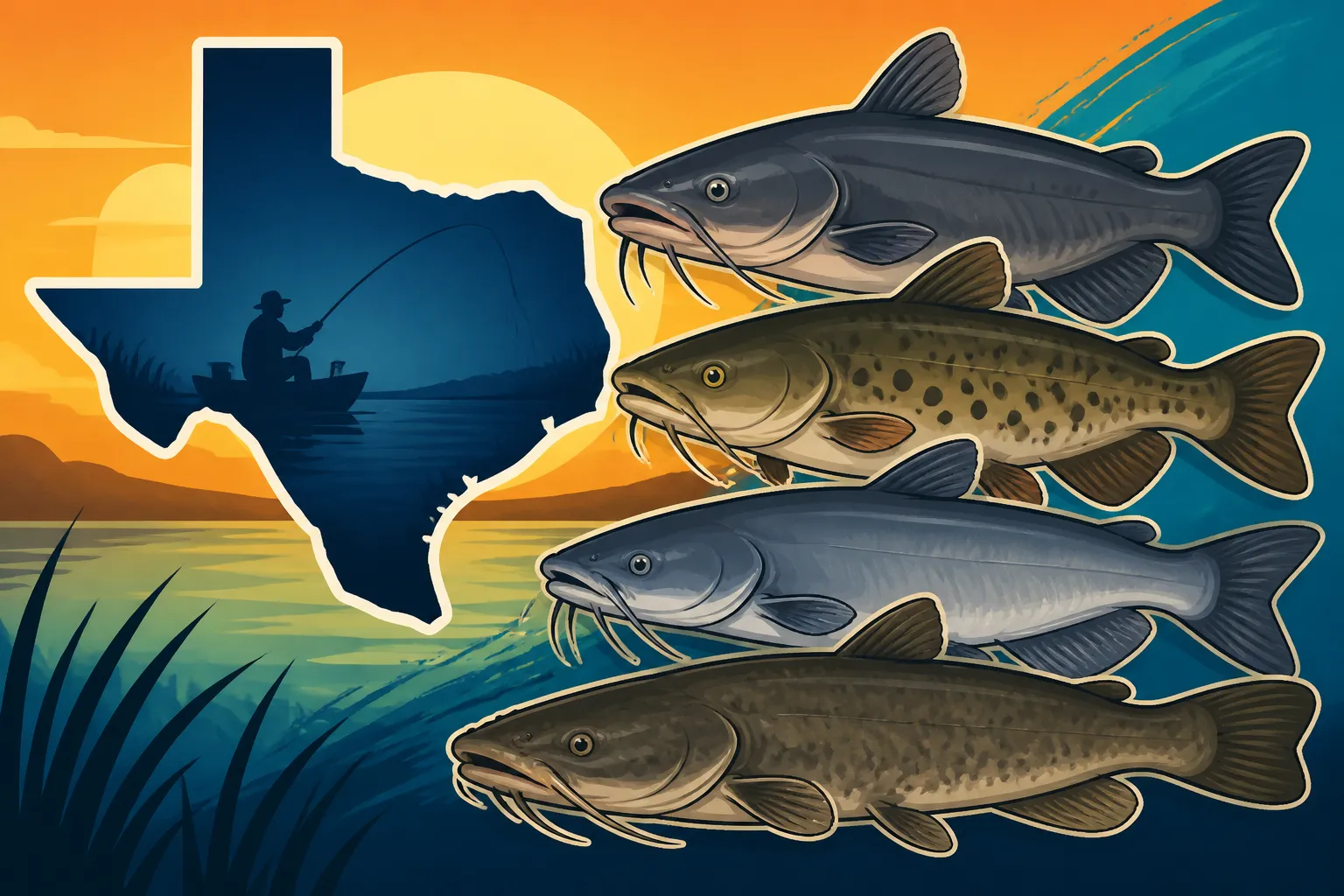
For many Texas anglers, nothing quite hits the spot like the distinct tug of a catfish on the line, whether it's a feisty channel cat in a local pond or a monstrous blue cat battling in a major reservoir. If you've ever felt overwhelmed by the sheer variety of catfish species swimming in our waters or confused about the best way to target them, this comprehensive guide is here to untangle the lines and help you understand the most prominent catfish species found throughout the Lone Star State, ensuring your next fishing trip is both informed and successful.
Understanding the Catfish Family in Texas Waters
Texas is blessed with an abundance of freshwater fishing opportunities, and catfish are often at the heart of it. These whiskered wonders are not only numerous but also incredibly diverse, ranging from small, pan-sized fish perfect for a family fry-up to massive, record-breaking giants that test the strength of your tackle and your resolve. They’re adaptable, found in nearly every type of freshwater body, and provide exciting angling experiences year-round.
Why Catfish Are So Popular Among Anglers
The appeal of catfish is multi-faceted, drawing in anglers of all skill levels. For starters, they're incredibly accessible. You don't always need specialized gear or a fancy boat to catch them; a simple rod, reel, and some bait can get you in the action from almost any bank or pier. This makes them an excellent target for beginners and families, creating lasting memories by the water. Furthermore, catfish are prolific, meaning there's a good chance you'll hook up, which adds to the excitement, especially for kids. They're also known for their fighting spirit, particularly the larger specimens, offering a thrilling challenge for seasoned anglers. And let's be honest, nothing beats a fresh catfish dinner, fried golden brown, after a successful day on the water. Their delicious white, flaky meat is a staple of Texas cuisine, making them a highly sought-after food fish.
General Characteristics of Texas Catfish
While each species has its unique traits, all catfish share some common characteristics that set them apart. The most obvious, of course, are their prominent barbels, often referred to as "whiskers." These aren't just for show; they're highly sensitive organs that catfish use to locate food in murky waters or at night. Catfish also lack scales, possessing smooth, often tough skin, which contributes to their distinctive feel and appearance. Most species have a dorsal fin and pectoral fins that are equipped with sharp, bony spines that can deliver a painful poke if you're not careful – a lesson many anglers learn the hard way! These spines can lock into place, making them a formidable defense against predators and unwary hands. Their robust body shapes, ranging from slender to stout, are built for power and navigating various aquatic environments.
Channel Catfish: The Everyday Angler's Friend
If you've ever cast a line into a Texas lake or river, chances are you've encountered a channel catfish. These are arguably the most widespread and commonly caught catfish in the state, beloved for their abundance, willingness to bite, and excellent table fare. They are truly the workhorse of Texas freshwater fishing.
Identification and Appearance
Channel catfish are often recognized by their slender body, deeply forked tail, and scattered dark spots along their sides. The intensity of these spots can vary greatly depending on their age and the water clarity of their habitat. Younger channel cats tend to have more pronounced spots, which may fade as they mature. Their coloration typically ranges from olive-brown to bluish-gray on their back, fading to white on their belly. They have relatively small heads compared to their body size, and their eight barbels are prominent around their mouth, helping them to forage for food. Differentiating them from blue catfish can sometimes be tricky for beginners, but the channel cat's distinct spots and more deeply forked tail are usually good indicators.
Typical Habitats and Behaviors
Channel catfish are incredibly adaptable, thriving in a vast array of Texas freshwater environments. You'll find them in lakes, ponds, reservoirs, rivers, and even larger creeks. They show a preference for deeper pools, creek channels, and areas with some current in rivers, but they're also quite happy cruising shallower flats, especially during feeding periods. During the day, they often seek refuge in cover like submerged timber, brush piles, rock formations, or undercut banks, emerging during dusk and dawn, and often throughout the night, to actively feed. They are opportunistic feeders, meaning they'll eat just about anything they can get their mouths on, from insects and crustaceans to small fish, aquatic plants, and even decaying organic matter. This omnivorous diet makes them relatively easy to catch, as they respond to a wide variety of baits.
Fishing Tips for Channel Catfish
Targeting channel catfish doesn't require overly complicated techniques. For many, a simple bottom rig with a weight and hook is all you need. Popular baits include prepared stink baits, cut bait (like shad or carp), shrimp, chicken livers, and even hot dogs or corn. Fishing near cover, drop-offs, or the edges of channels where food might be washed in are always good bets. Don't be afraid to experiment with depth; sometimes they're shallow, other times they're deep. Many anglers enjoy setting up for a relaxing evening of bank fishing, casting out multiple lines and waiting for the tell-tale tap of a hungry channel cat. For those just starting out, a ready-to-go catfish rod and reel combo can often be found on platforms like Amazon, making it easy to get started without a huge upfront investment. How to Catch Catfish in Texas offers even more detailed advice on techniques.
Blue Catfish: The Big Water Brute
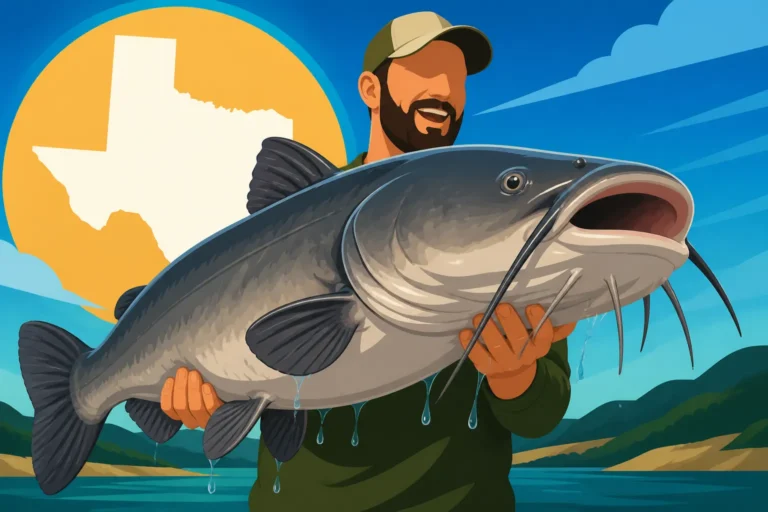
If you're dreaming of a truly monumental catch, the blue catfish is your target. These magnificent fish are the largest catfish species in North America, with Texas holding some incredible trophy specimens. They are powerful fighters that can challenge even the most experienced angler.
Identification and Appearance
Blue catfish are characterized by their sleek, silver-blue body, which can sometimes appear grayish. Unlike channel catfish, they typically lack any distinct spots, giving them a more uniform color. Their heads are proportionally larger than a channel cat's, and their tail is typically less forked, often appearing straighter or only slightly concave. They also have eight barbels, similar to other catfish. A key differentiator from channel catfish is the anal fin: blue catfish have a long, straight-edged anal fin with 30-35 rays, whereas channel catfish have a rounded anal fin with 24-29 rays. Knowing these subtle differences is crucial when trying to identify your catch, especially if you're aiming for a new personal best or simply want to adhere to specific Texas Catfish Bag Limits.
Goliath Growth and Habitat Preferences
Blue catfish are known for their impressive size and rapid growth, which is why they are often stocked in large reservoirs across Texas. They prefer larger rivers, reservoirs, and deep lakes, particularly those with strong currents or abundant baitfish populations. You'll often find them congregating in river channels, submerged creek beds, near dam outflows, and around significant underwater structure like old roadbeds or sunken bridges. They are highly schooling fish, and if you find one, there's a good chance more are nearby. Their diet consists primarily of other fish, such as shad, carp, and even smaller catfish, making them formidable predators. They also scavenge on dead fish and other organic matter. This predatory nature, combined with their sheer size, makes for an exhilarating fight once hooked.
Targeting Trophy Blue Catfish
Catching trophy blue catfish requires specialized gear and patience. Heavy-duty rods and reels capable of handling immense strain are a must. Most successful blue cat anglers use large chunks of fresh cut bait, such as shad, carp, or even perch, fished on stout circle hooks near the bottom. Drifting with the current over known blue cat haunts is a popular and effective technique, as is anchoring up on a promising spot and soaking baits. Fishing during cooler months, especially late fall and winter, can be incredibly productive for larger blues, as they tend to feed heavily to build up fat reserves. Night fishing can also be particularly effective for these giants, as they become more active hunters under the cover of darkness. How to Catch Blue Catfish in Texas lakes provides excellent insights for those looking to land a leviathan.
Flathead Catfish: The Ambush Predator
The flathead catfish is a distinct and formidable species, known for its unique appearance and its preference for live bait. Unlike its scavenger cousins, the flathead is a true predator, making it a challenging and rewarding catch for many anglers.
Identification and Appearance
The flathead catfish truly lives up to its name, sporting a noticeably broad, flattened head with a protruding lower jaw. Their eyes are relatively small and located on top of their head. Their coloration is usually mottled, a mix of yellow, brown, and olive, often giving them a camouflaged appearance that helps them blend into their surroundings. This mottled pattern can be quite striking, with distinct dark spots and blotches. They have a more robust, cylindrical body compared to channel cats, and their tail is distinctively rounded, not forked like the channel cat's or slightly concave like the blue cat's. Their eight barbels are also present, aiding their nocturnal hunting. This unique combination of features makes them relatively easy to distinguish from other Texas catfish species.
Stealthy Hunters and Preferred Lairs
Flathead catfish are solitary and highly territorial ambush predators. They primarily feed on live fish, though they will occasionally take crustaceans and other aquatic organisms. You'll find them in larger rivers and reservoirs throughout Texas, often preferring areas with heavy cover and slow-moving currents. Think deep holes, log jams, rock piles, undercut banks, and around large fallen trees. They spend most of their daylight hours hidden in these secure lairs, waiting to ambush unsuspecting prey. As the sun sets, they emerge to hunt, often patrolling the edges of their chosen cover or moving into shallower areas to chase baitfish. This reclusive and predatory nature means finding them often requires precise presentation of bait.
Techniques for Catching Flathead Catfish
Because flatheads prefer live bait, your approach needs to be different. Live sunfish (perch), small carp, or shad are excellent choices. Rigging them on a sturdy hook with a heavy sinker to keep the bait near the bottom, often directly next to or even slightly inside heavy cover, is a common strategy. Many anglers target flatheads at night, when these fish are most active. Positioning your live bait near known flathead haunts, like dense timber or deep rock crevices, increases your chances significantly. Patience is key, as flatheads are not as aggressive biters as channel cats; they tend to take the bait deliberately. A heavy-action rod and a reel with a strong drag are essential, as these fish put up a tremendous fight, often trying to bury themselves back into the cover. How to Catch Flathead Catfish at Night delves deeper into these specific methods.
Other Notable Catfish Species in Texas
While channel, blue, and flathead catfish dominate the sportfishing scene in Texas, our waters are also home to several smaller, but equally interesting, catfish species. These often overlooked fish contribute to the rich biodiversity of Texas aquatic ecosystems and can sometimes offer a surprising catch for anglers.
Bullhead Catfish: The Pond Dweller
Texas is home to several species of bullheads, including the black bullhead, yellow bullhead, and brown bullhead. These are smaller, stout-bodied catfish, rarely exceeding a couple of pounds, though they can sometimes reach larger sizes. They are easily identified by their square or slightly rounded tail, which is never forked. Bullheads also have relatively flat heads and often a mottled, dark coloration. Their barbels can be dark or pale depending on the species.
Bullheads are incredibly hardy and tolerant of poor water quality, which is why they are frequently found in murky ponds, slow-moving creeks, and stagnant backwaters where other fish might struggle. They are opportunistic bottom feeders, consuming insects, worms, small fish, and decaying vegetation. They are often caught by accident when targeting other species, but they can provide excellent action for kids or those looking for a simple fishing experience. Worms, corn, or small pieces of cut bait fished on the bottom are usually effective. While not as large or glamorous as their cousins, bullheads are quite tasty when cleaned properly and make for a good meal.
Madtom Catfish: The Tiny Toxins
Madtoms are a fascinating group of small catfish, numerous in species, that inhabit Texas waters. They are generally quite small, rarely exceeding a few inches in length. Their most distinctive feature, and one to be aware of, is the presence of a venom gland at the base of their pectoral and dorsal fin spines. A prick from a madtom can be surprisingly painful, similar to a bee sting, although not dangerous to most people.
They have small, chunky bodies, and their adipose fin (the small, fleshy fin between the dorsal and tail fin) is typically fused with the caudal (tail) fin, forming a continuous fin. Their coloration is usually mottled brown or olive, providing camouflage against the stream bottom. Madtoms prefer clean, flowing water in streams and rivers, often hiding under rocks or in dense vegetation. Anglers rarely target them intentionally, but they are often encountered when seining for baitfish or when fishing with small hooks and natural baits in shallow stream environments. Despite their small size, they play an important role in the food chain, serving as a food source for larger fish.
Where to Find Texas Catfish
Texas is a vast state with an incredibly diverse range of water bodies, and catfish have managed to make a home in almost every single one. Understanding their preferred habitats is key to improving your catch rates, no matter which species you're after. From sprawling reservoirs to winding rivers and serene ponds, there's a catfish waiting for you.
Catfish in Texas Lakes and Reservoirs
Large lakes and reservoirs are prime territory for all three major catfish species. For channel catfish, look for areas with submerged timber, brush piles, and gradual slopes that lead to deeper water. Points and creek channels can be especially productive, as these areas concentrate baitfish and provide travel corridors. Best Places to Fish in Texas often highlights lakes known for their catfish populations.
Blue catfish in reservoirs typically inhabit the main lake basins, especially around river channels, deep humps, and structural features like old roadbeds or sunken bridges. They often follow schools of baitfish, so keeping an eye on your fishfinder for large congregations of bait and predators is a good strategy. Areas below dams are also excellent blue cat spots due to the current and oxygenated water.
Flathead catfish in reservoirs will be found in areas with plenty of heavy cover – think vast fields of standing timber, large rock slides, or areas where significant amounts of brush have accumulated. They often prefer to be near these structures in deeper water, venturing out to feed during low light conditions.
Catfish in Texas Rivers and Streams
Rivers and large streams are the original homes of many catfish species, offering dynamic environments that suit their predatory and scavenging natures. In rivers, channel catfish will congregate in deeper pools, behind log jams, and in slower sections with good current breaks. The mouths of tributaries are also hot spots, as they bring in fresh food.
Blue catfish in rivers thrive in the main river channels, especially in deep bends, below rapids, and in areas with strong current. They often hold just outside the strongest current, waiting for food to be washed downstream. Large rock formations and deep scour holes are classic blue cat territory. The Sabine River and Brazos River, for example, are known for their strong catfish fisheries.
For flathead catfish, rivers are their preferred domain. They will seek out the heaviest cover imaginable: massive log jams, deep root systems along undercut banks, and large rock crevices. These solitary hunters will typically hold in these areas during the day, emerging at night to hunt the shallows or the edges of the main channel. Targeting flatheads in rivers often means getting your bait right into these snags.
Catfish in Smaller Ponds and Community Lakes
Even smaller bodies of water like community ponds, farm ponds, and smaller municipal lakes can hold fantastic catfish populations. These are often stocked with channel catfish by various programs, making them highly accessible for anglers, especially families and beginners. In these environments, catfish will often relate to any available structure, such as docks, weed lines, deeper holes, or areas where runoff enters the water. Fishing close to the bank, particularly around dawn and dusk, can be incredibly productive. These smaller venues are perfect for a casual outing and a great way to introduce someone to the joys of fishing. Many Texas Parks and Wildlife Department's Neighborhood Fishin' program lakes are great options for easily accessible catfish.
Best Techniques and Baits for Texas Catfish
Catfishing is often thought of as a simple endeavor, and while it can be, there's also a wealth of specialized techniques and baits that can dramatically increase your success, especially when targeting specific species or larger fish. From traditional rod-and-reel setups to more advanced methods, understanding your options is key.
Rod and Reel Techniques
The most common way to catch catfish is with a rod and reel, and the techniques can range from very basic to quite refined.
- Bottom Fishing (Stationary): This is the quintessential catfish method. A weight is used to keep your bait on the bottom, where catfish typically feed. A slip-sinker rig, where the line runs freely through the weight, is popular, allowing the fish to take the bait without feeling immediate resistance. This is effective for all three major species, particularly channel cats. You can use multiple rods from the bank or an anchored boat.
- Drifting: Especially effective for blue catfish in large reservoirs, drifting involves allowing your boat to be carried by the wind or current, dragging your baited lines across potential catfish haunts. This covers a lot of water and allows you to present your bait to active fish. Heavy-duty planer boards or balloons can also be used to spread out lines.
- Casting and Retrieving (Less Common but Effective): While not traditional, some anglers successfully cast jigs or lures tipped with bait for active catfish, particularly channel cats. This can be a more active approach, especially when fish are shallower or chasing baitfish.
For equipment, you'll want sturdy gear. For channel cats, a medium-heavy spinning or baitcasting rod with 10-20 lb test line is usually sufficient. For blue and flathead catfish, especially trophy hunters, step up to heavy-action rods, robust baitcasting reels, and 30-80 lb monofilament or braided line. You can find a wide range of reliable catfish gear, from entry-level combos to specialized setups, on Amazon. Best Rods for Texas Catfish Fishing and Best Line for Texas Catfish Rigs offer excellent guidance here.
Trotlines and Juglines
For those looking to catch multiple catfish, or target specific areas overnight, trotlines and juglines are traditional and effective methods in Texas, though they come with strict regulations.
- Trotlines: A trotline is a long main line stretched across a water body, anchored at both ends, with multiple baited hooks suspended at intervals. They are often set in creek channels, river bends, or along the edges of timber in reservoirs. They allow you to cover a significant area and can be incredibly productive, especially for blue and channel catfish.
- Juglines: Juglines consist of individual buoyant devices (like plastic jugs or foam floats) with a single baited line suspended beneath them. These are free-floating and drift with the current or wind, allowing you to cover water and track where the fish are active. They are particularly popular for targeting blue catfish in open water.
Both methods require careful setup, proper anchoring, and adherence to specific Texas Trotline and Jugline Rules regarding the number of hooks, length, and identification tags. Retrieving a trotline with several large catfish can be quite a workout, adding another layer of excitement to the experience. How to Rig a Trotline in Texas provides a step-by-step guide for setting these up correctly and legally.
Baits for Each Species
The old saying "catfish eat anything" holds some truth, but certain baits are definitely more effective for specific species.
-
Channel Catfish Baits: These are the least finicky.
- Prepared "Stink Baits": These commercially available baits come in various forms (dips, pastes, punch baits) and are infused with strong odors that channel cats can't resist.
- Cut Bait: Small pieces of fresh shad, carp, or even panfish work well. The scent trail attracts them.
- Worms: Nightcrawlers or red wigglers are classic and effective.
- Chicken Livers: A time-honored favorite, though they can be messy to keep on the hook.
- Shrimp: Raw, peeled shrimp from the grocery store can be deadly.
- Hot Dogs/Corn: Yes, sometimes these household items are surprisingly effective, especially in smaller, heavily fished ponds.
-
Blue Catfish Baits: These prefer a meatier, scent-laden offering.
- Fresh Cut Bait: This is king for blue cats. Shad (gizzard or threadfin), carp, drum, or even small panfish cut into chunks or strips are ideal. The fresher, the better.
- Whole Live Bait (smaller fish): While cut bait is primary, sometimes a whole, lively sunfish or shad can entice a larger blue.
-
Flathead Catfish Baits: This is where things get specific – live bait is paramount.
- Live Perch/Sunfish: Green sunfish, bluegill, or other small panfish are their preferred meal. The livelier the bait, the better.
- Live Shad: Gizzard shad or threadfin shad, if kept alive and frisky, are also excellent.
- Live Small Carp/Goldfish: In some areas, these can also be effective.
Remember to match your hook size to your bait and target species. Best Catfish Bait for Texas Lakes provides an exhaustive list of effective baits and how to present them.
Regulations and Conservation for Texas Catfish
Fishing in Texas comes with the responsibility of adhering to regulations designed to protect our natural resources and ensure healthy fish populations for future generations. Catfish are no exception, and understanding the rules is crucial before you cast a line.
General Catfish Regulations in Texas
The Texas Parks and Wildlife Department (TPWD) sets specific regulations for catfish, which can vary by species, water body, and sometimes even by specific zones within a lake or river. These regulations cover bag limits (how many fish you can keep per day) and length limits (minimum or maximum sizes).
For instance, channel catfish typically have a daily bag limit of 25 fish, with a minimum length limit of 12 inches in most public waters. However, some specific lakes might have different rules, such as an 11-inch minimum or no length limit at all.
Blue catfish usually have a daily bag limit of 25, with a 12-inch minimum length. However, many major reservoirs known for trophy blue catfish, like Lake Tawakoni or Lake Texoma, have a "5-fish-over-30-inches" rule or other slot limits to protect larger breeding fish. This means you might be allowed to keep a certain number of smaller fish and only one or two fish above a certain trophy size.
Flathead catfish generally have a more conservative bag limit, often 5 fish per day, with a minimum length limit of 18 inches. This reflects their slower growth and more solitary nature.
It is absolutely essential to check the current TPWD Outdoor Annual for the most up-to-date and site-specific regulations for the body of water you intend to fish. Regulations can and do change, and ignorance is not a valid excuse for violations. This is also covered in detail in our Texas Catfish Bag Limits guide.
License Requirements and Gear Restrictions
Before you even think about fishing for catfish in Texas, you'll need a valid Texas fishing license. There are various types of licenses available for residents and non-residents, and certain exemptions apply to children or specific demographics. Texas Fishing License Requirements Explained details who needs one and how to obtain it.
Beyond general fishing licenses, specific gear used for catfishing also has regulations:
- Trotlines and Juglines: As mentioned earlier, these methods have strict rules regarding the number of hooks (often 50 for a trotline, 5 per jugline), mandatory owner identification tags, and often specific regulations about when and where they can be deployed. They must be checked regularly, typically every 24-36 hours.
- Poles and Lines: For traditional rod and reel fishing, there are limits on the number of poles you can use simultaneously, usually two per angler unless specified otherwise.
- Cast Nets: While primarily used for catching baitfish, cast nets have size restrictions and are generally allowed for non-game fish (like shad or carp) which are then used as bait for catfish.
- Noodling/Hand Fishing: This unique, hands-on method of catching catfish is legal in Texas but is subject to specific licensing and seasonal restrictions. You cannot use any artificial aid to take the fish with your hands.
Violating fishing regulations can lead to significant penalties, including fines and confiscation of gear. It's always better to be safe than sorry and ensure you're fully compliant.
The Importance of Catfish Conservation
Catfish are a vital part of Texas's aquatic ecosystems, both as predators and prey. Practicing good conservation habits ensures these robust fish continue to thrive.
- Respect Bag and Length Limits: These are not arbitrary numbers; they are scientifically determined to allow fish to reproduce and grow, maintaining a healthy population structure. Taking more than your limit or fish outside the legal size range directly harms the fishery.
- Proper Catch and Release: If you're not keeping a fish, handle it with care to ensure its survival. Minimize air exposure, use wet hands, and release it gently. For larger fish, a quick photo and immediate release are best. Circle hooks are excellent for catfish as they tend to hook in the corner of the mouth, reducing gut hooking and increasing survival rates.
- Don't Waste Fish: If you harvest a fish, commit to utilizing its meat. Catfish are excellent table fare, and wasting a catch is both disrespectful to the resource and often illegal.
- Report Violations: If you witness poaching or other illegal fishing activities, reporting it to the TPWD game wardens helps protect our fisheries.
By understanding and respecting the regulations and practicing responsible angling, we can all contribute to the continued health and abundance of Texas's incredible catfish populations.
Key Catfish Species Comparison Table
To help you quickly differentiate between the most common and sought-after catfish species in Texas, here's a handy comparison table. This can be particularly useful when you're trying to identify your catch quickly on the water.
| Feature | Channel Catfish | Blue Catfish | Flathead Catfish |
|---|---|---|---|
| Typical Size | 1-10 lbs (up to 40+ lbs) | 10-100+ lbs (Texas record over 120 lbs) | 5-50 lbs (Texas record over 100 lbs) |
| Body Shape | Slender, torpedo-shaped | Sleek, uniform, heavy-bodied | Broad, flattened head, robust body |
| Tail Shape | Deeply forked | Slightly forked to straight-edged | Rounded or square |
| Coloration | Olive-brown to bluish-gray, scattered dark spots (fades with age) | Silver-blue to slate-gray, no spots | Mottled yellow, brown, olive; dark blotches |
| Head Shape | Relatively small | Large, often with a slight hump | Broad, distinctly flat, protruding lower jaw |
| Anal Fin | Rounded, 24-29 rays | Long, straight-edged, 30-35 rays | Rounded, 14-17 rays |
| Primary Diet | Omnivorous: insects, crustaceans, small fish, prepared baits | Primarily piscivorous (fish), also scavenges | Strictly piscivorous (live fish) |
| Preferred Habitat | Lakes, rivers, ponds; diverse cover | Large rivers, reservoirs; deep channels, currents | Rivers, reservoirs; heavy timber, log jams, deep holes |
| Texas Daily Bag Limit | 25 fish (12-inch minimum in most waters) | 25 fish (12-inch minimum, specific trophy limits in some waters) | 5 fish (18-inch minimum) |
This article is for general informational purposes only and does not constitute professional advice. Laws, prices and regulations vary by location and change over time. Consult a qualified professional for guidance on your specific situation.