Texas Bluegill Fishing Guide
There’s a special kind of joy that comes from reeling in a feisty bluegill, but for many anglers, especially those new to Texas waters, knowing where to start or what gear to use can feel overwhelming. You might have heard they’re easy to catch, but if you’re not finding them, it’s certainly frustrating! This guide is here to cut through the confusion and help you discover the simple, satisfying pleasure of bluegill fishing across our diverse Texas landscapes, from your local pond to sprawling reservoirs.
The Allure of Texas Bluegill: Why They're So Popular
Bluegill, often affectionately called "bream" or "panfish," are a true gem of Texas freshwater fishing. They might not be the giants of the angling world like a trophy largemouth bass, but what they lack in size, they more than make up for in sheer numbers, availability, and an eagerness to bite that makes them perfect for anglers of all ages and skill levels. They're a fantastic species to introduce kids to fishing, and seasoned anglers often turn to them for pure, unadulterated fun.
Bluegill Identification and Characteristics
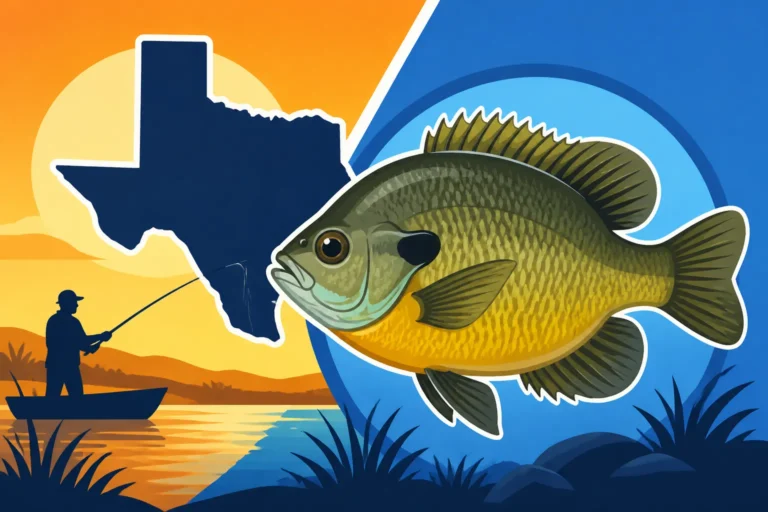
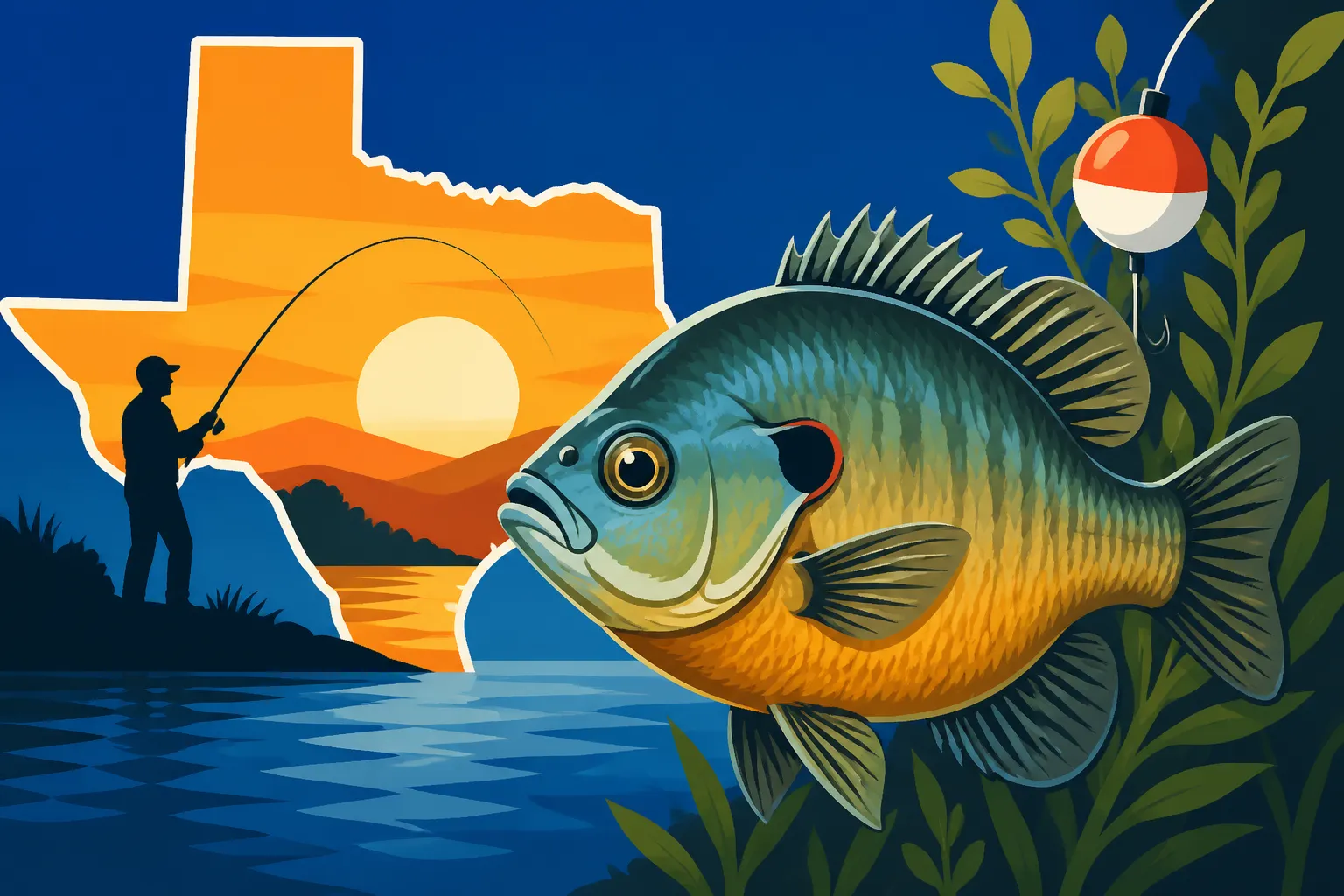
Identifying a bluegill is usually pretty straightforward once you know what to look for, but in Texas, where we have a variety of sunfish, it can sometimes be a little tricky. The classic bluegill (scientific name Lepomis macrochirus) typically has a deep, slab-sided body that's kind of disc-shaped. Their coloration can vary quite a bit depending on the water clarity, diet, and even the time of year, but they often sport olive-green to dark blue backs, fading to lighter green or yellowish sides, with a vibrant orange or yellow belly. One of their most distinctive features is a prominent black spot on the posterior part of their dorsal fin (the one on their back) and a black ear flap on their gill cover. They also usually have 6-8 dark vertical bars along their sides, though these can sometimes be faint.
They have small mouths, which is important to remember when selecting your hooks, and can grow to respectable sizes, though most you’ll catch will be in the 6- to 8-inch range. A bluegill over 10 inches is truly a trophy, and while they might not pull like a redfish, they put up an admirable fight on light tackle. Understanding these characteristics helps you distinguish them from their sunfish cousins, like redear sunfish or green sunfish, which often inhabit the same waters. You can learn more about similar species in our Texas Sunfish and Bream Species Guide.
Understanding Bluegill Behavior and Habitat
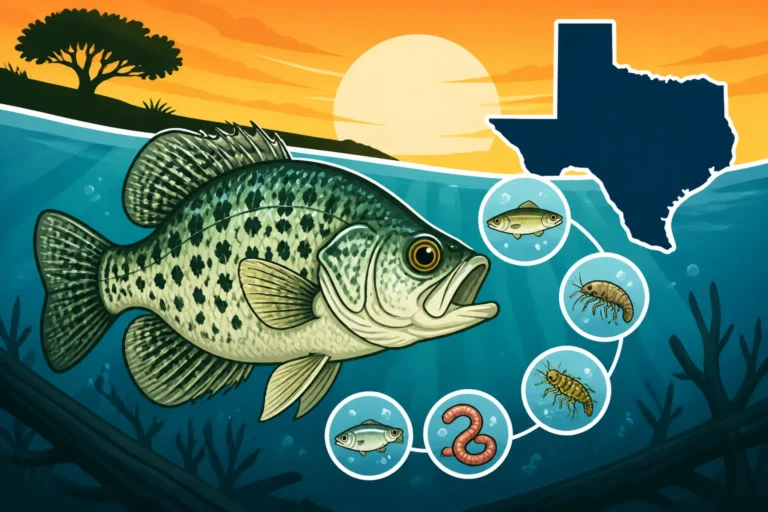
Bluegill are creatures of comfort, preferring warm, shallow waters with plenty of cover. Think aquatic vegetation – lily pads, hydrilla, submerged weeds – or submerged timber like fallen trees, brush piles, and even old dock pilings. These areas provide them with shelter from predators and a ready supply of insects and small aquatic invertebrates, which make up the bulk of their diet. They are schooling fish, meaning where you find one, you'll often find many more. This is fantastic news for anglers because once you dial in a spot, you can often catch several in quick succession.
They are also incredibly adaptable, thriving in a wide range of freshwater environments across Texas. From the smallest farm ponds and neighborhood lakes to the expansive coves of our major reservoirs and the calmer backwaters of our rivers, bluegill are almost everywhere. Their ability to reproduce prolifically and tolerate various water conditions is why they are such a prevalent and reliable target species for anglers throughout the state. During spawning season, they become even more concentrated and aggressive, making them an even easier target, but more on that later!
Gearing Up for Bluegill Success in the Lone Star State
One of the beautiful things about bluegill fishing is that you don't need a boatload of expensive, high-tech gear to have a fantastic day on the water. In fact, keeping it simple is often the best approach. The key is light tackle, which not only makes landing even a small bluegill feel exciting but also increases your chances of a bite from their sensitive mouths. Don't let anyone tell you that you need the latest and greatest, because often, the oldest tricks in the book are the most effective for these guys.
Rods, Reels, and Line: Keeping it Light
When it comes to bluegill, think "ultralight." A small, sensitive rod will allow you to feel even the most subtle nibbles, which is crucial when they're being finicky.
- Rods: A good ultralight spinning rod, typically 5 to 6 feet long, with a fast action tip, is ideal. This allows for accurate casts of light baits and provides plenty of bend for an exciting fight. You don't need anything fancy; a basic fiberglass or graphite composite rod will do the trick. For youngsters, a simple spincast combo is perfect for ease of use. If you're looking for good beginner setups, you can find many affordable and reliable options on Amazon. Check out our Best Fishing Rods for Texas Anglers guide for more general rod recommendations.
- Reels: Pair your ultralight rod with a small spinning reel (size 500 to 1000). These reels are designed for light line and provide smooth casting and retrieval. Again, no need for top-of-the-line models; a decent entry-level reel will perform beautifully. Smooth drag is more important than sheer cranking power here. For more options, take a look at our article on Best Fishing Reels for Texas Anglers.
- Line: This is where you really need to go light. Monofilament line in 2-pound to 4-pound test is perfect. It's nearly invisible in the water, has a good amount of stretch (which helps prevent hooks from tearing out of their soft mouths), and is strong enough to handle bluegill, even the bigger ones. Anything heavier, and you might spook these cautious eaters. Some anglers even go down to 1-pound test for a real challenge!
Essential Terminal Tackle and Floats
Once you have your rod, reel, and line, you’ll need a few small, but crucial, pieces of terminal tackle to complete your setup. The goal is to present your bait naturally without scaring off these sharp-eyed fish.
- Hooks: Small hooks are paramount. Bluegill have tiny mouths, and anything larger than a size 8 hook will likely result in missed bites. Sizes 8, 10, or even 12 are perfect. Aberdeen hooks are a popular choice because their thin wire makes them less noticeable and easier to remove from a fish's mouth, and they tend to straighten out before breaking if you get snagged, saving your line.
- Sinkers: You'll only need small split-shot sinkers, if any at all. Often, just the weight of your hook and bait is enough. If you need to cast further or get your bait down a bit, a single small split-shot placed 6-12 inches above your hook is usually sufficient. Avoid heavy sinkers, as they'll drag your tiny bait down unnaturally and can be easily felt by a nibbling bluegill, causing them to drop the bait.
- Floats (Bobbers): A small, sensitive float is your best friend for bluegill fishing. Both traditional round bobbers and slip bobbers work well. The key is "small." A float that's too large creates too much resistance, allowing the bluegill to feel it and drop the bait. A tiny float, just large enough to keep your bait suspended and show a bite, will increase your hook-up ratio significantly. Many great options for these can be found easily online, including through Amazon's fishing section.
Tempting Treats: Best Baits for Bluegill
Bluegill aren't particularly picky, which is great news for anglers. They are opportunistic feeders, and a wide variety of natural and artificial baits will entice them. The most important thing is often presentation.
- Live Baits: These are hands-down the most effective for bluegill.
- Worms: Red wigglers, mealworms, and pieces of nightcrawlers are bluegill magnets. Thread a small piece onto your hook, leaving the hook point exposed.
- Crickets: A classic bluegill bait, especially effective in warmer months. Hook them gently through the collar or behind the head.
- Grubs/Larvae: Wax worms, grubs, and even small caterpillars can be incredibly effective.
- Artificial Baits: For those who prefer lures, tiny artificial options can be a blast.
- Micro Jigs: Small, 1/32 or 1/64 ounce jigs with a feather, chenille, or tiny plastic grub tail are fantastic. Work them slowly under a bobber or with a slow retrieve.
- Small Spinners: Tiny inline spinners (like a #0 or #1 Mepps or Rooster Tail) can also draw strikes, especially from larger bluegill.
- Flies: If you're into fly fishing, small poppers, wet flies, or nymphs can be incredibly productive. You can find many of these specialized items through online retailers like Amazon.
For a broader look at bait options, check out our Best Bait and Lures for Texas Fishing guide.
Mastering Techniques for Texas Bluegill
Once you've got your gear sorted, it's time to talk about how to actually put that bait in front of a bluegill and entice a bite. While they're generally eager, a little finesse goes a long way. These techniques are fairly simple and can be easily picked up by even the most novice angler.
Classic Bobber Fishing Techniques
The most iconic and often the most effective way to catch bluegill is with a bobber. This method is incredibly visual and makes it easy to detect those subtle bluegill bites.
- Setting Your Depth: This is crucial. Bluegill often suspend at certain depths, or they might be holding close to the bottom, or just under the surface near cover. A good starting point is to set your bobber so your bait is about 1 to 3 feet deep. If you're not getting bites, adjust the depth by moving your bobber up or down your line. If you're fishing near visible cover like lily pads, try to keep your bait suspended just above or slightly into the cover. For deeper water, a slip bobber rig allows you to fish effectively at almost any depth. You slide a small bobber stop onto your main line, then the slip bobber, and finally tie on your hook. The bobber stop determines your fishing depth, letting your bait sink freely.
- Casting and Presentation: Cast your rig gently, aiming for areas with cover like weed lines, brush piles, or dock pilings. Let the bait settle naturally. Bluegill are curious, but easily spooked, so a splashy cast might send them scurrying. Once your bobber settles, watch it closely. Bluegill bites are often quick and subtle – a little twitch, a slight dip, or a slow movement sideways before the bobber fully submerges. Resist the urge to set the hook at the first tiny movement. Wait until the bobber goes completely under or starts moving purposefully. A gentle, upward sweep of the rod tip is usually all it takes to set the hook on a bluegill's small mouth. This slow, patient approach is perfect for beginners and a hallmark of Beginner Fishing Techniques for Texas Anglers.
Beyond the Bobber: Advanced Tactics
While bobber fishing is king, there are other methods that can be incredibly effective, especially when bluegill are deeper or you want a more active approach. These methods require a bit more feel but can be very rewarding.
- Bottom Fishing: If bluegill aren't biting near the surface, they might be holding closer to the bottom, especially in cooler water or deeper areas of a lake. To bottom fish, use a very light sinker (or even none, if your bait has enough weight) and let your bait sink to the bottom. Keep your line relatively tight to feel for bites. You might detect a series of light taps before the line starts to move. This can be particularly effective when fishing with worms or other natural baits that bluegill might forage for on the lakebed. This technique also works well in rivers where current can be a factor.
- Micro Jigging: This active technique involves using tiny jigs, often 1/32 or 1/64 ounce, without a bobber. Cast your jig near cover and let it sink. As it sinks, watch your line for any twitch or pause – that's a bite! Once it hits bottom, slowly retrieve it with small twitches and pauses, mimicking a dying insect or a struggling minnow. The ultralight setup is critical here because it allows you to feel these subtle takes. Some anglers even use a technique called "tightlining," where they fish without a bobber, relying solely on the feel of the line and rod tip to detect bites. This method often tempts larger bluegill who are less likely to come to the surface.
- Fly Fishing: For the ultimate challenge and satisfaction, fly fishing for bluegill is an incredible experience. Small poppers, dry flies, wet flies, and nymphs on a 2 or 3-weight fly rod can provide endless entertainment. The visual aspect of watching a bluegill sip a tiny popper off the surface is something every angler should experience. Fly fishing is particularly good in shallow, clear water where you can sight-fish for individual bluegill or schools.
Where to Find Bluegill in Texas: From Ponds to Reservoirs
Texas offers an incredible variety of fishing environments, and thankfully, bluegill are remarkably adaptable. Whether you're in a big city or out in the country, there's a good chance you're not far from a productive bluegill spot. Knowing what to look for is the key to consistent success.
Identifying Productive Bluegill Habitats
Bluegill are creatures of cover and structure. They need places to hide from bigger predators (like bass and catfish) and ambush their own small prey. When you're scouting a new fishing spot, keep an eye out for these key indicators:
- Aquatic Vegetation: Lily pads, cattails, hydrilla, submerged grasses, and brush are prime bluegill real estate. These areas offer shelter, shade, and a buffet of insects. Cast your bait along the edges of these weed lines or into pockets within them. Just be prepared for potential snags!
- Submerged Timber and Brush Piles: Fallen trees, submerged logs, stumps, and artificial brush piles are fantastic fish attractors. Bluegill will often school up around these structures. If you're fishing from a boat, a basic fish finder can help you locate these hidden gems. If bank fishing, look for trees overhanging the water or areas where erosion might have created submerged root systems.
- Docks, Piers, and Bridges: Man-made structures provide shade and cover, attracting bluegill (and many other species). Fish around and under boat docks, along the pilings of piers, and near bridge supports. The shade provided by these structures can be particularly important during hot Texas summers.
- Creek Beds and Inlets: Where smaller creeks flow into a larger lake or pond, the slightly cooler, oxygenated water and influx of nutrients can create feeding hotspots for bluegill.
- Shallow Coves and Backwaters: Especially during the spring spawning season, bluegill will move into shallow, protected coves to build their nests. These areas often have soft bottoms suitable for bedding.
Remember that bluegill often school, so if you catch one in a particular spot, don't be shy about casting there again. There's a good chance its buddies are nearby. For a comprehensive list of places to wet a line, check out our Best Places to Fish in Texas guide.
Locating Bluegill Hotspots by Season
Bluegill behavior, and thus their location, can shift with the seasons. Understanding these patterns will help you find them more consistently throughout the year.
- Spring (March-May): This is prime time! As water temperatures warm, bluegill move into shallower waters, often 1-5 feet deep, to spawn. They create circular "beds" in groups, sometimes so close together they look like honeycomb. Look for these beds in protected coves, along sandy or gravelly points, and in areas with sparse vegetation. They are incredibly aggressive and protective during this time, making them easy to catch.
- Summer (June-August): When the Texas heat really kicks in, bluegill will seek out cooler, deeper water and denser shade during the day. This means fishing deeper brush piles, submerged timber, or under thick mats of lily pads. Early mornings and late evenings, when temperatures are cooler, can also be productive in shallower areas. Don't be afraid to try fishing in 8-15 feet of water.
- Fall (September-November): As water temperatures start to cool, bluegill will become more active and start feeding heavily to prepare for winter. They often spread out more, but can still be found around submerged structure, weed lines, and creek channels. They might move back into shallower water during warmer parts of the day.
- Winter (December-February): Bluegill activity slows down significantly in winter. They'll typically move to deeper, more stable water, often suspending over deep humps, creek channels, or in deep brush piles. Bites will be very subtle, and a slow presentation is key. They might still be caught in shallower, sunny areas on warmer days, but deep water generally holds more consistent numbers. For more detailed seasonal breakdowns, consider reading Texas Fishing Seasons Month by Month.
| Season | Typical Bluegill Location | Preferred Depth (approx.) | Best Time of Day |
|---|---|---|---|
| Spring | Shallow coves, spawning beds (gravel/sandy bottom), weed lines | 1-5 feet | All day, especially midday |
| Summer | Deep brush piles, thick vegetation, docks (shade), deeper humps | 5-15 feet | Early morning, late evening |
| Fall | Submerged structure, weed edges, creek channels, main lake points | 3-10 feet | All day |
| Winter | Deep channels, brush piles, humps, warmer coves | 10-25 feet | Midday (warmest) |
Seasonal Strategies for Consistent Bluegill Catches
Understanding how bluegill behave throughout the year is your secret weapon for consistent success. Texas weather can be a bit unpredictable, but these general guidelines will help you adapt your approach no matter the conditions. Getting in tune with the rhythm of the seasons means you'll spend less time guessing and more time catching!
Spring and Summer Bluegill Action
These are arguably the easiest times to target bluegill, but each season presents its own nuances. If you’re just getting started, spring is your best bet for a high-volume day.
- Spring Spawning Frenzy: There's nothing quite like spring bluegill fishing. As mentioned, the warming water triggers their spawning instincts, sending them into shallow, protected areas to create their nests. This is when they are most concentrated and aggressive. Look for visible "beds" – circular depressions in the bottom – in 1 to 5 feet of water, often clustered together. You might even smell them before you see them; they have a distinct, almost cucumber-like odor when spawning heavily.
- Strategy: During the spawn, you can literally cast a small worm or cricket onto a bed, and it's almost guaranteed to get inhaled. Use a small bobber to keep your bait hovering just above the beds. They're not just biting out of hunger; they're defending their territory! They'll readily hit small jigs or even tiny poppers on a fly rod. This is a perfect opportunity to introduce kids to fishing, as the action can be non-stop. Once you find a bedding area, you can often stay in one spot and catch fish after fish.
- Summer Strategies for Hot Weather: The Texas summer sun can make fishing a bit tougher, but bluegill are still very catchable if you adjust your tactics. As the water heats up, bluegill will retreat from the intense midday sun and seek cooler, oxygenated water.
- Strategy: Focus on early mornings, late evenings, or even night fishing. During the day, target shaded areas like under boat docks, overhanging trees, or bridges. Bluegill will also move deeper, so don't be afraid to fish brush piles or submerged timber in 8-15 feet of water. Use a slip bobber to present your bait at precise depths. A slow, subtle presentation with live bait like worms or crickets is usually more effective than fast-moving lures. They might be less aggressive but will still eat if the meal is presented right in front of them in their comfort zone.
Fall and Winter Fishing Opportunities
Don't hang up your ultralight rod just because the temperatures drop. While the pace might slow down, fall and winter can still offer rewarding bluegill fishing in Texas. The key is patience and adapting to their slower metabolism.
- Fall Feeding Frenzy: As autumn arrives and water temperatures begin to cool, bluegill sense the approaching winter and start to feed heavily. This can lead to another surge in activity, though often less concentrated than the spring spawn.
- Strategy: Bluegill will be found patrolling weed lines, creek channels, and submerged structure. They might move into shallower water during warmer parts of the day and then retreat deeper as the day cools. Use slightly more active presentations like slow-retrieved micro jigs or even small inline spinners. Live bait remains a consistent producer. This is a great time to cover more water, as they might be more scattered than during the spring.
- Winter Bluegill Behavior: This is typically the slowest time for bluegill, but they can still be caught. Their metabolism slows, and they become less active, preferring to hold in stable, deeper water.
- Strategy: Look for bluegill in the deepest parts of the lake or pond, such as creek channels, deep brush piles, or over humps. They will often suspend at specific depths. A fish finder can be invaluable here to locate schools. Use very small baits, like a single mealworm or wax worm, on a tiny hook, presented extremely slowly. A drop shot rig with a tiny plastic or live bait can be very effective for detecting those almost imperceptible winter bites. Patience is key, as bites can be very light "taps." On particularly warm, sunny winter days, bluegill might briefly move to shallower, sun-warmed areas, offering a brief window of opportunity.
Texas Bluegill Regulations and Conservation
Even though bluegill are plentiful, it's crucial for every angler to understand and adhere to the regulations set forth by the Texas Parks and Wildlife Department (TPWD). These rules are in place not to hinder your fun, but to ensure healthy fish populations for generations of anglers to come. Responsible angling is a core tenet of our fishing community, and it's something we all need to uphold.
Understanding Limits and Responsible Angling
Unlike some larger game fish that have strict length limits, bluegill and other sunfish often have more generous regulations due to their prolific breeding. However, limits still exist, and it's your responsibility to know them.
- Statewide Regulations: Generally, for sunfish like bluegill, there is a daily bag limit that includes all species of sunfish (bluegill, redear, green sunfish, etc.) in combination. There typically isn't a length limit, meaning you can keep any legal-sized fish within the bag limit. However, always double-check the current TPWD Outdoor Annual or their website, as regulations can change. Pay close attention, as some specific lakes or bodies of water might have special regulations (known as "exceptions to the statewide daily bag and length limits") that differ. For instance, a small community fishing pond might have a different limit to manage its smaller population. You can find comprehensive details in our articles like Texas Freshwater Fishing Regulations and Texas Fish Bag and Length Limits.
- Catch and Release: While bluegill are delicious panfish and keeping a mess for dinner is a fantastic reward, practicing catch and release for some of your catch is always a good idea. This helps maintain a healthy population balance, especially if you're pulling a lot of fish from a smaller pond. When practicing catch and release:
- Handle the fish gently with wet hands to protect its protective slime coat.
- Minimize its time out of the water.
- Use needle-nose pliers or a hook remover to quickly and carefully remove the hook. Barbless hooks can also aid in easy release.
- If a fish is deeply hooked, it’s often best to cut the line as close to the hook as possible rather than tearing its gills or throat.
Supporting Bluegill Populations
Anglers play a vital role in conservation. By following regulations and being mindful of our impact, we contribute to the health of Texas's aquatic ecosystems.
- Cleanliness: Always pack out everything you pack in. Leaving trash, especially fishing line, can harm wildlife.
- Respecting Property: If fishing on private property (with permission) or in public parks, be respectful of the environment and other users.
- Reporting Violations: If you witness someone violating fishing regulations, report it to the Texas Parks and Wildlife Department. This helps protect our shared resources.
- Youth Involvement: Getting younger generations involved in bluegill fishing is a fantastic way to instill a love for the outdoors and respect for conservation. The accessibility of bluegill makes them an ideal species for teaching kids about fishing ethics and the importance of healthy ecosystems. You can learn more about rules for young anglers in Texas Youth Fishing License Rules.
- Licensing: Remember, almost everyone over the age of 17 needs a valid Texas fishing license to fish in public waters. This fee goes directly to supporting wildlife management and conservation efforts in our state. Ensure you understand the Texas Fishing License Requirements Explained before heading out.
Bluegill fishing is a quintessential Texas outdoor experience – accessible, fun, and often delicious. By understanding their habits, using the right light tackle, and practicing responsible angling, you're not just catching fish; you're connecting with nature and ensuring this simple pleasure can be enjoyed for years to come. So grab your ultralight, a handful of worms, and go find yourself a Texas bluegill honey hole!
Disclaimer
This article is for general informational purposes only and does not constitute professional advice. Laws, prices and regulations vary by location and change over time. Consult a qualified professional for guidance on your specific situation.