What is the Texas record alligator gar
The sheer size and prehistoric appearance of the alligator gar have always captivated anglers in Texas, leading to whispers and legends about the giants lurking in our deep waters. For many, the ultimate challenge is not just catching one, but landing a true monster, a fish that will forever etch their name into the state’s angling history books. This guide will dive deep into the incredible world of Texas alligator gar, uncovering the current state record and offering insights into how you might pursue your own once-in-a-lifetime catch.
The Alligator Gar: A True Texas Leviathan
There's something undeniably primal about the alligator gar. With its toothy maw, armored scales, and torpedo-like body, it looks like it swam straight out of the dinosaur age. And in many ways, it did, having evolved little over millions of years. These incredible creatures are not just fascinating; they are formidable, growing to astonishing sizes and dominating their aquatic environments.
Understanding the Alligator Gar
The alligator gar is the largest species of gar and one of the largest freshwater fish in North America. They thrive in the slow-moving rivers, oxbow lakes, and coastal bays of Texas, particularly in the eastern and southeastern parts of the state. What makes them truly stand out is their ability to breathe air using a primitive lung-like swim bladder, allowing them to survive in oxygen-depleted waters where other fish might perish. This adaptation is just one of many reasons they've endured for so long. They are apex predators, feeding on smaller fish, turtles, and even waterfowl, exhibiting incredible power and resilience. Learning about their life cycle and growth patterns can truly enhance your appreciation for these living fossils. If you're curious to know more about how these incredible fish develop, you might want to check out Texas Alligator Gar Size and Growth.
Their sheer bulk and strength are legendary among anglers. Imagine hooking into something that can weigh more than a grown man, a fish that can strip line off your reel with alarming speed and put a serious bend in even the heaviest rod. It's an experience that few other freshwater fish can offer, making the pursuit of a record-breaking gar a quest for many dedicated Texas anglers.
Why the Alligator Gar Record Matters
For anglers, a state record isn't just a number; it's a testament to skill, patience, and perhaps a little bit of luck. It represents the pinnacle of a species, a truly exceptional specimen that defied the odds to reach such monumental proportions. The Texas state record for alligator gar, in particular, carries an almost mythical weight because these fish have the potential to grow so large, pushing the limits of what's considered a "fishable" creature.
The pursuit of such a record isn't just about personal glory; it also contributes to our understanding of the species. Each record-breaking catch provides valuable data, reminding us of the incredible biodiversity in Texas waters and the importance of conservation efforts. It inspires awe and fosters a deeper respect for these ancient predators. Many anglers spend years dreaming of the day they might connect with such a behemoth, meticulously planning trips and refining their techniques, all hoping to land a fish that will live on in local lore.
Unveiling the Texas State Record Alligator Gar
When you talk about record fish in Texas, the alligator gar frequently comes up in conversation due to its awe-inspiring size. This is not a species where the record changes every year; these are once-in-a-lifetime catches that demand incredible effort and the right circumstances.
The Current Texas Alligator Gar Record
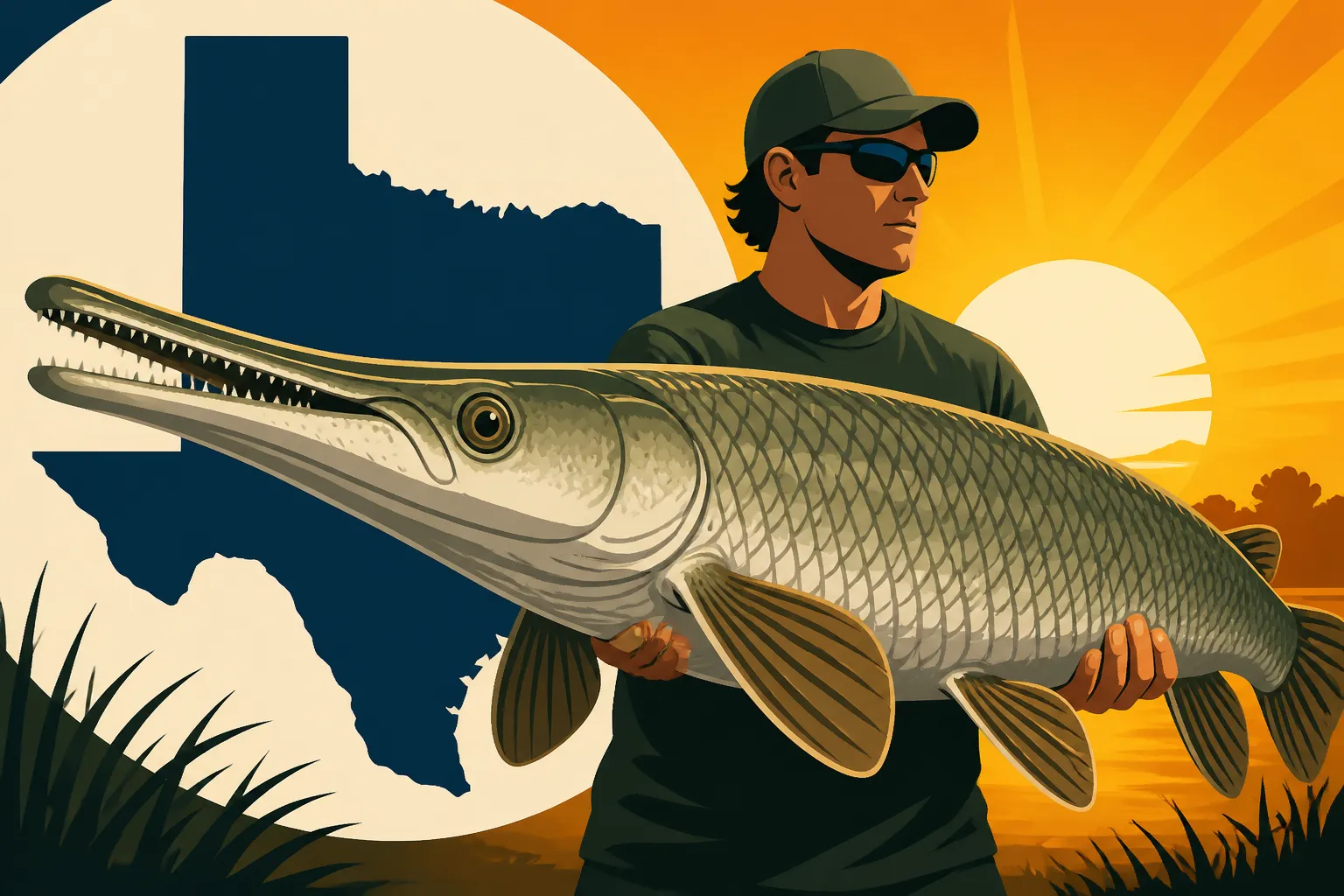
As of my knowledge cutoff, the undisputed Texas state record for alligator gar is a colossal specimen weighing 283 pounds. This magnificent fish was caught by angler Bill Valverde on the Rio Grande near Eagle Pass back in 1951. It measured an astounding 93 inches in length, which is nearly eight feet long! To put that into perspective, imagine trying to pull a refrigerator-sized, thrashing monster out of the water. This record has stood the test of time, a testament to the immense size these fish can achieve and the challenges involved in landing such a beast.
It's important to understand that while this record has held for decades, there are always rumors and whispers of larger gar being seen or even hooked. However, for a fish to officially qualify as a state record, it must be caught by legal means, weighed on a certified scale, and properly identified, a process that can be incredibly difficult with such a massive, powerful, and often uncooperative creature.
Historical Context and Notable Catches
While Bill Valverde's 283-pound gar holds the official state record, it's worth noting that alligator gar capable of rivaling or even surpassing this size have historically been documented. Accounts from the late 19th and early 20th centuries speak of gar well over 300 pounds, though these catches often lacked the official documentation required by modern record-keeping bodies. These historical giants were often taken during commercial fishing operations or by methods no longer permitted.
For instance, there are photographs and stories of alligator gar caught on the lower Trinity River and other major Texas river systems that show fish of truly epic proportions. While not official records, these anecdotal catches underscore the potential of Texas waters to produce truly massive gar. It highlights the fact that the next record-breaker could be out there, lurking in a deep bend of a river, waiting for the right angler and the right moment. The pursuit of such a fish isn't just about breaking a record; it's about connecting with a piece of living history, an animal that embodies the wild spirit of Texas. For a broader look at some of the biggest fish ever pulled from Texas waters, you might find What is the largest fish ever caught in a Texas lake fascinating.
Pursuing Your Own Trophy Alligator Gar
Catching an alligator gar, especially a truly massive one, is not for the faint of heart. It requires specialized gear, considerable patience, and an understanding of where these ancient fish lurk. It’s an adventure that promises immense challenge and an unforgettable experience.
Best Places to Find Monster Gar in Texas
If you're dreaming of tangling with a true monster alligator gar, your best bet is to focus on the major river systems and associated backwaters of East and Southeast Texas. These are the historical strongholds for the species, offering the expansive, slow-moving, and often murky waters that gar prefer.
- Trinity River: Often hailed as the "Alligator Gar Capital of the World," the lower Trinity River, especially below Lake Livingston, is legendary for its dense population of large gar. The river's oxbows, sloughs, and deep holes provide ideal ambush points for these predators. Anglers from all over travel here specifically to target these giants. You can learn more about fishing this fantastic waterway by reading our Trinity River Fishing Guide.
- Brazos River: Another fantastic option, particularly its lower stretches and coastal plain areas, the Brazos offers similar habitat to the Trinity.
- Other River Systems: The lower reaches of the Sabine River, Neches River, and Colorado River also hold significant populations of large gar. In fact, most of the larger Best Texas Rivers for Fishing are worth exploring.
- Coastal Bays: While often associated with freshwater, alligator gar are also quite at home in brackish coastal bays and estuaries, particularly during periods of lower salinity. Their adaptability allows them to thrive in various environments.
Always consult current local conditions and regulations for any specific area you plan to fish, as water levels and environmental factors can influence where gar are concentrated. For more detailed information on specific locations known for producing big gar, check out Where to catch alligator gar in Texas.
Essential Gear for Alligator Gar Fishing
Successfully landing a large alligator gar demands heavy-duty equipment. This isn't your average bass fishing setup; you need robust gear designed to withstand incredible stress.
| Gear Category | Recommended Specifications | Why It's Needed |
|---|---|---|
| Rod | Heavy to extra-heavy action, 7-9 feet, conventional or spinning | Provides leverage and backbone to handle powerful runs and the sheer weight of a large gar. |
| Reel | Conventional (baitcasting) or heavy-duty spinning reel | Must have a strong drag system and high line capacity to withstand long, powerful runs. |
| Line | 80-150 lb braided line, often with a heavy leader (cable/wire) | Braided line offers superior strength-to-diameter ratio and sensitivity. Cable/wire prevents cut-offs from gar teeth. |
| Hooks | Large, strong treble hooks (8/0 – 12/0) or circle hooks | Essential for penetrating tough mouth plates and holding strong. |
| Bait | Large cut bait (carp, buffalo, shad) or live bait | Gar are scent-oriented; large, bloody baits are irresistible. |
| Tools | Heavy-duty pliers, bolt cutters, measuring tape, scale | For hook removal, cutting line, measuring, and weighing a potential record. |
| Safety | Heavy gloves, life vest, partner, first aid kit | Gar can be dangerous; protection for yourself and a buddy are crucial. |
When it comes to selecting your gear, don't skimp on quality. A reel with a smooth, powerful drag system is paramount, as is a rod with enough backbone to control a fish that could easily outweigh you. Many dedicated gar anglers find that reputable brands offer a fantastic selection of robust rods and reels. For instance, you can often find great deals on heavy-duty conventional reels on platforms like Amazon, which are ideal for handling the demands of a giant gar. Speaking of rods, if you're looking for something that can truly stand up to these monsters, our guide on Best Fishing Rods for Texas Anglers offers some excellent recommendations. Similarly, for the power and reliability you'll need in a reel, check out Best Fishing Reels for Texas Anglers. Remember, this is a specialized type of fishing, and your equipment needs to reflect that. Always consider the scale of the fish you're targeting.
Techniques for Catching Trophy Gar
Targeting trophy alligator gar often involves different tactics than those used for typical game fish. Patience is a virtue, and your strategy needs to account for their size, strength, and predatory nature.
- Bottom Fishing with Cut Bait: This is perhaps the most common and effective method for large gar. Use a heavy lead weight to keep your large cut bait (carp, buffalo, or even large shad) on the bottom in known gar haunts. Allow the gar to take the bait and swim with it for a good minute or two before setting the hook firmly. Gar have incredibly bony mouths, and a strong, delayed hookset is often necessary.
- Trotlines and Juglines: For some, trotlines and juglines are preferred methods, especially for covering larger areas or when targeting multiple fish. These methods require specific legal rigging and tagging, so always check the latest Texas Trotline and Jugline Rules. While effective, the ethics and effort involved in running these lines can be considerable.
- Live Bait: Large live baits, such as carp or buffalo, presented under a bobber or free-lined near structure, can also entice big gar. The movement of live bait can sometimes trigger a more aggressive strike.
- Bowfishing: While not a rod-and-reel method, bowfishing is a popular technique for harvesting alligator gar, especially in shallower waters. It requires different gear and skills but can be an exciting way to target these giants. Texas bowfishing license requirements apply, so be sure to check those out.
Regardless of the method, safety must be your top priority. These fish are powerful and have sharp teeth. Always fish with a partner, and make sure you have the right tools for handling and potentially releasing a large gar. For a comprehensive look at successful methods, our How to catch alligator gar in Texas guide has more details.
Conservation and Responsible Gar Fishing
With their immense size and unique biology, alligator gar hold a special place in Texas's aquatic ecosystem. Responsible angling practices are crucial to ensure these ancient fish continue to thrive for generations to come.
Regulations and Limits for Alligator Gar
Texas Parks and Wildlife Department (TPWD) has specific regulations in place to manage alligator gar populations. It’s absolutely critical to understand these rules before you ever cast a line, as penalties for violations can be steep.
The most significant regulation for alligator gar generally allows for a one-per-day bag limit statewide, and this one gar must be less than 48 inches in length in most public waters. However, there's a special provision for trophy-sized fish: you are allowed to harvest one alligator gar greater than 48 inches per day. This means if you catch a true giant, you can keep it, but it counts as your single fish for the day.
Crucially, the Trinity River has its own unique set of rules due to its exceptional gar population. On the Trinity River, from the I-30 bridge in Dallas downstream to its mouth at Galveston Bay, there is a one-per-day bag limit on alligator gar regardless of size. This means you can keep only one alligator gar per day, whether it's 30 inches or 100 inches. This special regulation aims to protect the river's unique trophy potential while still allowing anglers to experience the thrill of the catch.
Always verify the most current regulations directly from the TPWD website or their Outdoor Annual, as rules can change. You'll also need a valid Texas fishing license, which you can read all about in our Texas Fishing License Requirements Explained guide. Knowing these rules is paramount, not just for legal compliance, but for ensuring the sustainable future of this incredible species. It's also worth checking out Is it legal to keep an alligator gar in Texas? for more detailed information on possession.
Catch and Release Best Practices
For many anglers, the goal isn't necessarily to harvest every large gar caught, but rather to experience the fight and then release these magnificent creatures to grow even larger. Catch and release, when done correctly, is vital for the long-term health of the alligator gar population.
If you plan to release a large gar:
- Minimize Fight Time: While exciting, prolonged fights exhaust the fish. Use appropriate heavy tackle to bring the gar to hand as quickly and safely as possible.
- Stay in the Water: If possible, keep the gar in the water during handling, especially if it's a very large specimen. This reduces stress on its internal organs.
- Use Proper Tools: Have heavy-duty bolt cutters readily available. If a hook is deeply embedded or difficult to remove, cut the shank of the hook. This allows the hook to rust out over time, causing less damage than trying to forcefully extract it. Do not attempt to de-hook a gar with your bare hands; those teeth are no joke!
- Support the Fish: If you must lift the fish for a quick photograph or measurement, ensure its body is fully supported horizontally to prevent internal injury. Avoid hanging a large gar vertically by its jaw or gill plates.
- Revive Gently: If the gar appears lethargic, hold it gently by the tail and jaw in the water, facing into the current (or move it back and forth if there's no current) until it regains strength and swims away on its own.
Responsible catch and release ensures that these prehistoric giants can continue to swim in Texas waters, offering thrilling challenges to future generations of anglers. It's about respecting the fish and preserving the incredible legacy of the Texas alligator gar.
Disclaimer
This article is for general informational purposes only and does not constitute professional advice. Laws, prices and regulations vary by location and change over time. Consult a qualified professional for guidance on your specific situation.