What do alligator gar eat
If you've ever spent time on Texas lakes and rivers, you've probably heard the legends of the alligator gar – those ancient, toothy giants that look like they swam straight out of the Jurassic period. There's a lot of mystery and sometimes fear surrounding these incredible fish, especially when it comes to what exactly they eat. Many anglers worry they're devouring all the game fish, but the truth is far more nuanced and fascinating. This guide is going to peel back the layers of misconception and dive deep into the actual diet of the alligator gar, exploring their preferred meals, how environmental factors influence their foraging, and how understanding their eating habits can help you appreciate their vital role in our Texas waterways.
The Apex Predator's Plate: A Diverse Diet
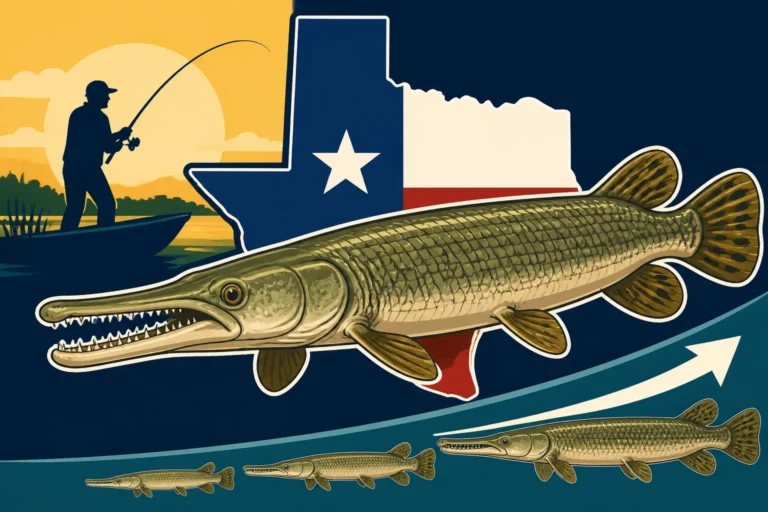
The alligator gar is a true apex predator in its freshwater ecosystem, built for power and stealth. They're not picky eaters in the strictest sense, but they certainly have preferences, and their diet is far more varied than many folks give them credit for. They are masters of ambush, often lying still and camouflaged, waiting for an unsuspecting meal to swim by.
Primary Prey: Fish, Fish, and More Fish
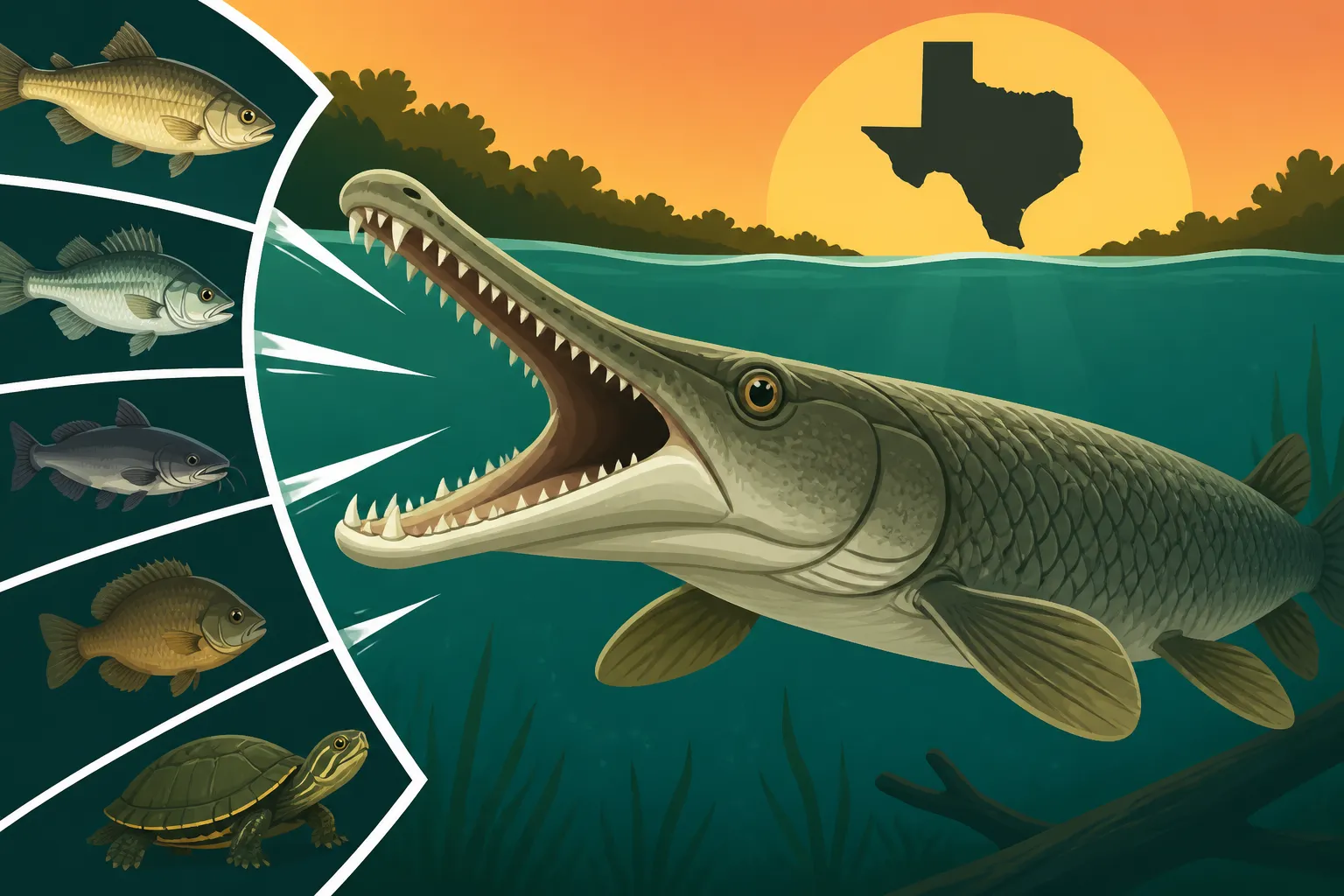
It's no surprise that fish make up the bulk of an alligator gar's diet. Their long, toothy snouts are perfectly designed for grasping and holding onto slippery prey. However, the common misconception is that they exclusively target prized game fish like bass or crappie. While a gar certainly won't turn down an easy meal, their primary targets are often what we call "rough fish" or "forage fish." These are typically slower-moving, more abundant species that are easier to ambush and consume.
Think about common fish like shad, carp, drum, and buffalo. These species are often prolific in Texas waters and form a significant part of the gar's diet. A large gar can consume a surprising amount of food, and these larger, slower-moving fish provide excellent sustenance. They act as a natural population control, helping to keep these species from overpopulating and outcompeting game fish for resources. When a gar is hunting, it's not usually chasing down a speedy largemouth bass; it's waiting patiently for a schools of gizzard shad or a bottom-feeding common carp to wander too close. Understanding this distinction is key to appreciating their role in the ecosystem. To learn more about targeting these incredible fish, check out our Texas Alligator Gar Fishing Guide.
Opportunistic Hunters: Beyond Just Fish
While fish are undoubtedly their staple, alligator gar are highly opportunistic predators. If it moves and they can swallow it, it's potentially on the menu. This means their diet can extend to a surprising array of creatures, especially when prey is abundant or easily accessible. We're talking about things like ducks, turtles, small mammals (like rodents or muskrats that might fall into the water), and even other reptiles like snakes.
Imagine a gar lying motionless in a patch of lily pads. A young duckling paddling by on the surface might be seen as an easy target. Or perhaps a small turtle basking on a log slips into the water at the wrong moment. These are not everyday occurrences, but they highlight the gar's adaptability and sheer predatory power. They are not shy about cannibalism either; smaller gar can sometimes fall prey to larger, hungrier individuals. This broad diet demonstrates their robust survival strategy in diverse aquatic environments. Their incredible jaw strength and rows of needle-sharp teeth are capable of dispatching a wide range of prey, making them truly formidable hunters in their watery world.
Seasonal and Environmental Influences on Their Menu
Just like any other predator, an alligator gar's diet isn't static. It shifts and changes throughout the year, heavily influenced by environmental conditions and the availability of food. Texas's dynamic weather patterns, from scorching summers to occasional freezes and heavy rains, play a huge role in what's on the menu.
Water Levels and Habitat Changes
Water levels are a massive factor in gar feeding behavior. During periods of high water, such as after heavy rains or during spring floods, new areas of vegetation might become submerged. This creates new hunting grounds for gar, as it often attracts schools of smaller fish that move into these flooded areas to spawn or feed on detritus. The gar will follow, taking advantage of the increased cover and abundance of prey. Conversely, when water levels drop significantly, especially during drought conditions, fish can become concentrated in smaller pools or channels. This can create a feeding frenzy for gar, as prey becomes easier to corner and catch. However, prolonged low water can also reduce overall prey populations, making hunting more challenging for the gar.
Consider a scenario where a river floods its banks, creating new shallow, vegetated areas. This becomes a nursery for baitfish, which in turn attracts gar looking for an easy meal. If you're out fishing in these conditions, understanding that gar might be spread out in these newly accessible zones can inform your strategy. On the flip side, during a hot Texas summer with dropping lake levels, baitfish will retreat to deeper, cooler waters or concentrate near structure, and the gar will follow suit. Changes in water levels don't just affect gar; they impact the entire food web, as we discuss in How low water levels change bass fishing patterns for other species.
Temperature and Metabolism
Water temperature has a direct impact on an alligator gar's metabolism and, by extension, its feeding frequency. Being cold-blooded, their body temperature mirrors that of their environment. In warmer months, particularly during the brutal Texas summer, their metabolism is high, and they are generally more active and require more food. This is often when you'll see them basking near the surface or actively hunting in shallow areas. They need to consume more calories to maintain their energy levels in the heat.
However, as temperatures drop in the fall and winter, a gar's metabolism slows down considerably. They become much less active, their digestion slows, and they don't need to eat as frequently. During these colder periods, they might move to deeper, more stable water to conserve energy. While they will still eat if an easy opportunity arises, they are not as aggressively hunting as they would be in warmer water. This seasonal change is why understanding Best time of year to catch alligator gar is crucial for anglers; you're more likely to have success in the warmer months when they are actively feeding. Their feeding behavior is tied directly to these cycles, making them a fascinating subject for study.
How Their Diet Shapes Fishing Strategies
If you want to successfully target alligator gar, understanding what they eat is paramount. It dictates the types of bait you should use, the lures that might tempt them, and even where you should be looking for them in the water. Mimicking their natural food sources is often the most effective approach.
Baits That Mimic Natural Prey
Given their primary diet of rough fish, using cut bait or whole dead bait that resembles these species is incredibly effective. Fresh is always best when it comes to gar bait. Anglers often swear by fresh-cut pieces of carp, buffalo, drum, or gizzard shad. These baits are oily, bloody, and emit strong scent trails in the water, which gar can detect from a distance. The size of the bait is also important; you're not using tiny crappie minnows. Think about larger chunks, or even whole small fish, for these big predators.
To prepare effective bait, consider catching some local rough fish with a cast net or by fishing with corn or bread in designated areas. Cut these fish into steaks or use whole smaller individuals. Rig them on strong, large hooks – often treble hooks or large J-hooks – with heavy leader material to withstand their sharp teeth and powerful jaws. You can find robust hooks and leaders on Amazon that are specifically designed for big game fishing, ensuring your rig can stand up to the challenge. For a more general overview of bait options, check out our guide on Best Bait and Lures for Texas Fishing.
Lures and Artificials for Aggressive Gar
While cut bait is a go-to, alligator gar can absolutely be caught on artificial lures, especially when they are actively feeding and aggressive. The key is using large, durable lures that can withstand their teeth and mimic the movement of their prey. Large swimbaits, especially those with a paddle tail that creates a lot of vibration, can be very effective. Heavy-duty jerkbaits or even large topwater plugs can entice a strike. Some dedicated gar anglers even use specialized fly fishing setups, employing large, sturdy flies that imitate small fish or even rodents.
When choosing lures, think about durability. Gar have incredibly strong jaws and teeth, and they can easily destroy flimsy plastic baits or bend weak hooks. Look for lures made with tough plastics, strong through-wire construction, and heavy-duty split rings and hooks. Some anglers even prefer to use frayed nylon ropes tied to a lure, which gets tangled in their teeth without getting swallowed, making for a safe catch and release. You can explore a wide variety of heavy-duty fishing lures and tackle on Amazon to find options built to last against a gar's bite. If you're interested in pursuing this exciting challenge, our article How to catch alligator gar on rod and reel offers excellent insights into techniques.
Prime Hunting Grounds: Where to Find Their Food
Understanding where alligator gar find their food is crucial for locating them. Since they primarily feed on rough fish, you'll often find gar in the same areas where these bait species congregate. This includes shallow, sluggish backwaters, along weed lines, near submerged timber, or at the mouths of creeks and rivers. They love areas with plenty of cover where they can lie in ambush, waiting for an unsuspecting meal.
During warmer months, they might be seen basking near the surface in shallow coves or flats, especially early in the morning or late in the evening. When the water gets muddier, perhaps after a rain, they can still hunt effectively due to their keen sense of smell, making areas like creek mouths even more productive. Our guide Where to catch alligator gar in Texas goes into more detail about specific locations, but generally, if you find abundant forage fish and good ambush cover, you're likely in gar territory. Furthermore, understanding How to fish muddy water in Texas can give you an edge, as gar are well-adapted to these conditions.
Misconceptions and the Gar's Role in the Ecosystem
Unfortunately, alligator gar have long suffered from a negative reputation, often labeled as "trash fish" or perceived as threats to desirable game fish. However, this perspective largely stems from a misunderstanding of their biology and their invaluable role in the complex freshwater ecosystems of Texas.
Dispelling the "Trash Fish" Myth
The idea that alligator gar are "trash fish" or detrimental to game fish populations is perhaps the biggest misconception surrounding them. As we've discussed, their diet primarily consists of rough fish like shad, carp, and buffalo, which often outcompete game fish for resources. By preying on these abundant species, gar act as essential natural population controllers. They thin out the weaker, slower individuals, contributing to healthier and more robust populations of both game fish and their preferred prey. Without predators like the alligator gar, many Texas waterways could become overpopulated with rough fish, leading to stunted growth for all species due to limited food and habitat.
Think of them as the clean-up crew of the aquatic world, ensuring that the ecosystem remains balanced. They are a sign of a healthy and diverse fishery, not a detriment to it. It’s a perspective shift that’s vital for conservation. To dive deeper into this topic and challenge preconceived notions, consider reading Is a gar considered a trash fish or a game fish. These ancient fish are a testament to evolutionary success and deserve our respect and protection.
Ecosystem Engineers
Beyond just population control, alligator gar play a broader role as "ecosystem engineers." Their very presence contributes to the health and biodiversity of their habitats. By culling weak or diseased fish, they help prevent the spread of illness within fish populations. Their predatory pressure can also influence the behavior and distribution of other fish species, indirectly shaping the structure of the aquatic community.
Furthermore, these large, long-lived fish represent a unique and ancient lineage that has survived for millions of years. They are an integral part of Texas's natural heritage and a key indicator of ecological health. Efforts to conserve alligator gar are not just about protecting one species; they're about preserving the intricate balance and rich biodiversity of our rivers, lakes, and bayous. They are truly magnificent creatures that deserve our admiration and a place at the top of the food chain in Texas waters. For those interested in their impressive growth and life span, Texas Alligator Gar Size and Growth provides a fascinating read.
Disclaimer
This article is for general informational purposes only and does not constitute professional advice. Laws, prices and regulations vary by location and change over time. Consult a qualified professional for guidance on your specific situation.