What is a black drum
You’ve probably seen them, or at least heard tales of them: those big, burly, dark-finned fish that often get mistaken for their more famous red-spotted cousins. Black drum are a staple of the Texas Gulf Coast, often lurking in murky waters, making their presence known with a distinct drumming sound. But what exactly is a black drum, and why are they such a fascinating target for anglers? This guide is here to unravel the mystery of this robust Texas fish, helping you understand its unique characteristics, where to find it, and how to successfully bring one to the boat or bank.
Unpacking the Black Drum: Identification and Key Characteristics
Let's get right into it: what makes a black drum, well, a black drum? For many folks new to saltwater fishing, or even those who’ve spent years on the bays, these fish can sometimes be confused with red drum, also known as redfish. While they share the "drum" family name and some general similarities, they are distinct species with their own fascinating traits. Understanding these differences is key to not only identifying your catch but also knowing how to target them effectively.
Physical Appearance: More Than Just a Darker Cousin
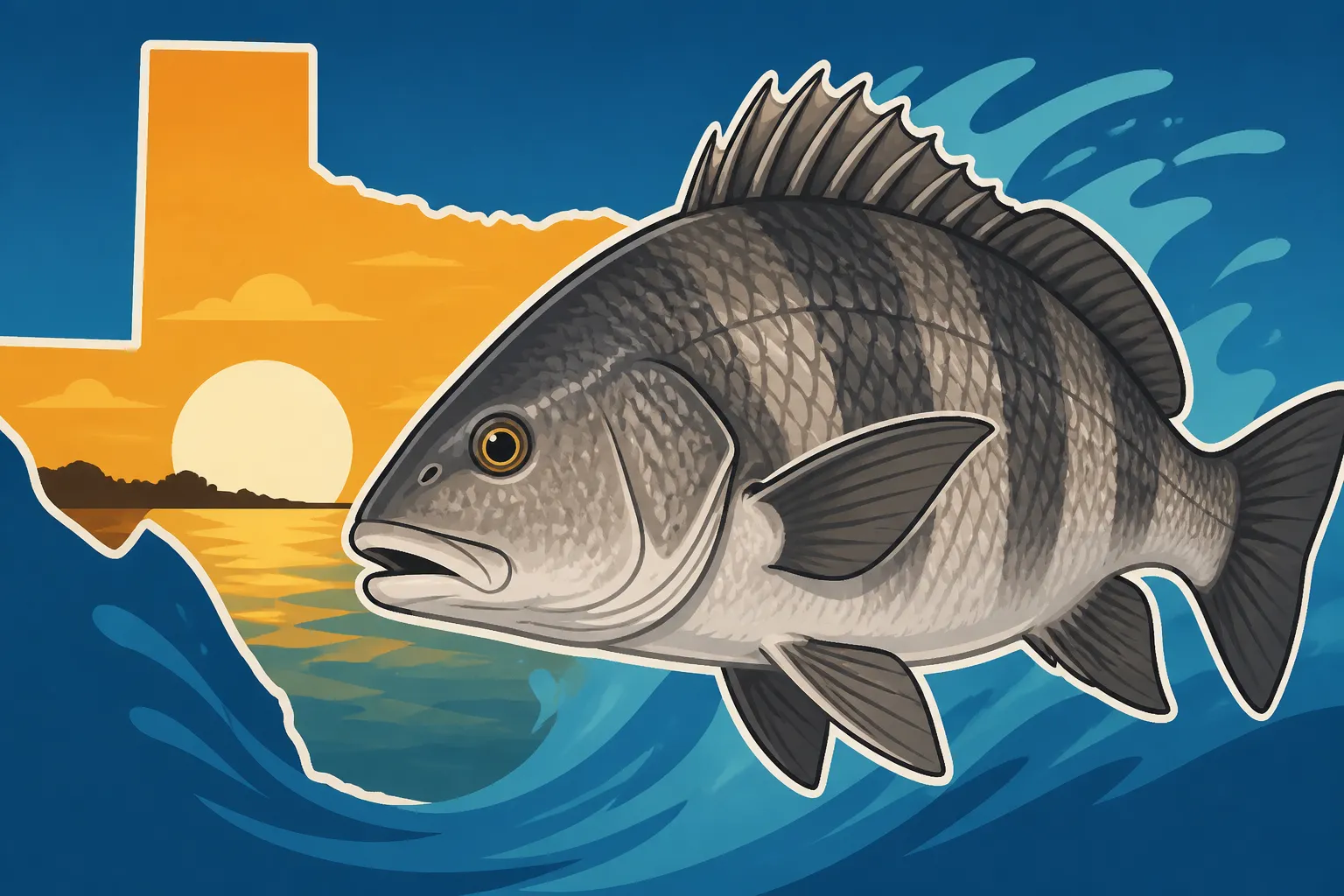
The most immediate thing you'll notice about a black drum is its color. Unlike the coppery-bronze of a redfish, the black drum typically ranges from a silvery-gray to a dark, almost charcoal gray, with younger fish sometimes showing distinct vertical black bars that fade as they mature. Their fins are often darker, too, sometimes nearly black. Another dead giveaway is their body shape: black drum have a high, arched back, giving them a much more robust, almost hunched appearance compared to the more streamlined redfish.
Perhaps the most iconic feature, and one that gives them their name, are the small, whiskery barbels on their chin. These sensitive appendages are packed with taste buds and are crucial for the black drum, acting like tiny feelers to sift through mud and sand on the seabed, searching for food. Redfish, on the other hand, do not have these barbels. Their powerful mouths, capable of crushing shells, are set slightly downturned, further aiding their bottom-feeding lifestyle. You won't see the famous "eyespots" on the tail of a black drum either; that’s a redfish signature.
The Drumming Sound: A Unique Communication
Ever heard a fish "talk"? Black drum certainly do! They get their name from the distinctive drumming or croaking sound they produce, especially during spawning season or when stressed. This sound is made by vibrating specialized muscles against their swim bladder, which acts like a natural amplifier. While you might not often hear it above water, divers and even anglers in quiet boats can sometimes detect this low-frequency hum. It's their way of communicating, signaling to each other in the often murky underwater world of the bays and estuaries. It's truly one of those unique natural wonders that sets them apart from most other fish species you'll encounter in Texas waters.
Distinguishing Black Drum from Redfish
The confusion between black drum and redfish is understandable, especially for novice anglers or when viewing smaller specimens. However, knowing the key differences is crucial, not just for bragging rights, but also for adhering to Texas Saltwater Fishing Regulations which often have different limits for each species.
| Feature | Black Drum | Red Drum (Redfish) |
|---|---|---|
| Color | Silvery-gray to dark gray/charcoal, darker fins. Juveniles often have vertical bars. | Coppery-bronze to reddish-brown, often lighter belly. |
| Body Shape | High, arched back; deep body; robust appearance. | More elongated, streamlined body. |
| Chin Barbels | Present (multiple small whiskers). | Absent. |
| Tail Spot | Absent. | Typically one prominent black spot at the base of the tail (can have multiple). |
| Mouth | Downturned, suited for bottom feeding. Strong crushing plates. | More horizontal mouth, designed for feeding on crabs and smaller fish. |
| Size | Can grow very large (50+ lbs, bull drum). | Also grows large, but typically less massive than bull black drum. |
This table should give you a clear visual and descriptive guide to telling these two popular Texas saltwater species apart. For an even deeper dive into their spotted cousins, check out our Texas Redfish Fishing Guide and learn How to Tell a Redfish from a Black Drum.
Where Texas Black Drum Call Home and What's on Their Menu
Now that you know what a black drum looks like, let's talk about where you can find them in Texas and what keeps these powerful bottom-feeders well-fed. Their habits are largely dictated by their diet and their need for specific types of habitat.
Preferred Habitats Along the Texas Coast
Black drum are primarily estuarine and coastal fish, meaning they thrive in the brackish waters where rivers meet the sea, as well as in the shallower parts of the open Gulf. Along the vast Best Texas Gulf Coast Fishing Spots, you'll find them in a variety of environments:
- Bays and Estuaries: This is their prime real estate. They love the relatively shallow, nutrient-rich waters of Texas bays like Galveston Bay, Matagorda Bay, Aransas Bay, and Corpus Christi Bay. They’ll congregate in deeper channels, around oyster reefs, mud flats, and areas with plentiful submerged structure.
- Nearshore Gulf: While not typically found in deep offshore waters, larger "bull drum" can often be caught just off the beach, especially around passes, jetties, and nearshore oil rigs. These are often the biggest, most powerful black drum you'll encounter.
- Piers and Jetties: Public fishing piers and rock jetties provide excellent opportunities to target black drum from shore. The structure attracts baitfish, crabs, and oysters, which in turn attract the drum. Just remember that fishing from these spots often requires a sturdy setup to handle their pulling power!
They are quite tolerant of varying salinity levels and can be found in everything from nearly fresh tidal rivers to salty Gulf waters. However, they generally prefer areas with soft, muddy, or sandy bottoms where they can easily root around for their next meal.
A Bottom-Feeder's Delight: Their Diverse Diet
Black drum are quintessential bottom-feeders, often described as the "vacuum cleaners" of the bay floor. Their diet consists almost exclusively of benthic invertebrates – creatures that live on or in the seabed. Their incredibly strong, crushing throat plates are perfectly adapted for cracking open hard shells, a trait that makes them formidable predators for many shellfish.
Their favorite meals include:
- Mollusks: Oysters, clams, mussels, and various snails are high on their list. They'll use their powerful jaws to crush the shells, then swallow the meat. This is why you often find them near oyster reefs.
- Crustaceans: Shrimp, small crabs (like blue crabs and fiddler crabs), and even mud crabs are all fair game. They'll root them out of the mud or ambush them as they scuttle by.
- Worms: Polychaete worms and other marine worms are also a significant part of their diet.
- Small Fish: While not their primary food source, black drum will occasionally opportunistically munch on small, slow-moving fish if they come across them.
Understanding their diet is crucial for successful black drum fishing. If you know what they naturally forage for, you can present a bait that's irresistible to them, leading to more hookups.
Navigating Texas Black Drum Regulations
Fishing in Texas is a privilege, and with that comes the responsibility of understanding and adhering to the regulations set forth by the Texas Parks and Wildlife Department (TPWD). These rules are in place to ensure healthy fish populations for future generations of anglers. When it comes to black drum, there are specific size and bag limits that every angler needs to know. Ignoring them isn't just irresponsible; it can lead to hefty fines and even loss of fishing privileges. Remember, ignorance of the law is not an excuse.
Why Regulations Exist for Black Drum
You might wonder why we have these rules. It's simple: conservation. Black drum are a slow-growing, long-lived species, and overfishing could easily deplete their numbers. Regulations, like bag and length limits, are designed to:
- Protect Spawning Stocks: By allowing fish to grow to maturity and reproduce, we ensure there are enough fish to replenish the population.
- Manage Population Health: Limiting the number of fish an angler can keep helps maintain a balanced ecosystem.
- Distribute Harvest: Ensures that the fish resource is shared fairly among all anglers.
Always make sure you have your Texas Fishing License Requirements Explained handled before you even think about dropping a line.
Size and Bag Limits for Black Drum
The specifics of black drum regulations in Texas often involve a "slot limit" and a daily bag limit. A slot limit means you can only keep fish within a certain size range, measured from the tip of the snout to the end of the tail (total length). The logic behind slot limits is to protect both the small, immature fish so they can grow, and the large, mature "breeder" fish that are essential for reproduction.
While exact numbers can change, generally, Texas has:
- Daily Bag Limit: This is the maximum number of black drum you can keep in a single day.
- Length Limit (Slot Limit): Fish must fall within a specific minimum and maximum length. For example, a common slot might be 14 to 30 inches.
- Oversized Fish: Often, one fish within the daily bag limit is allowed to be larger than the maximum slot limit. This is often referred to as a "trophy" fish or an "oversized" fish.
It's absolutely critical to consult the most current TPWD Outdoor Annual for the exact numbers. You can usually find a printed copy at most tackle shops or sporting goods stores like those found on Amazon, or access the digital version through the TPWD website. These regulations are periodically reviewed and updated, so always double-check, especially if you haven't fished in a while. Texas Saltwater Bag Limits by Species can give you an overview of many species.
Measuring Your Catch Accurately
Measuring your black drum correctly is paramount. Lay the fish flat on a measuring device, with its mouth closed and touching the zero mark. The total length is measured to the tip of the tail, even if it's forked. If your fish is just barely outside the slot, it needs to go back. No stretching, no guessing. It’s better to err on the side of caution and release a borderline fish than risk a citation.
Special Considerations: Black Drum and Redfish
Because of their similar appearance, it's easy to confuse black drum and redfish. Always remember that their regulations are different. Don't assume that if a black drum fits the redfish slot, it's legal. Double-check your fish ID using the characteristics we discussed earlier, especially the barbels and tail spots. Understanding Texas Redfish Size and Bag Limits separately from black drum is a critical part of being a responsible angler on the Texas coast.
Tried-and-True Techniques for Catching Black Drum in Texas
Alright, you know what a black drum looks like and where they hang out, and you're up to speed on the rules. Now for the fun part: how do you actually catch these powerful, often overlooked, brawlers of the bay? Black drum fishing is less about finesse and more about presentation, patience, and having the right gear to handle a stubborn fight.
The Art of Bottom Fishing: Presentation is Key
Since black drum are notorious bottom-feeders, your strategy should always involve getting your bait right down to where they're foraging. This isn't a species you'll typically catch on a topwater lure (though stranger things have happened!). The most effective techniques revolve around presenting a tempting meal directly on the seabed.
The most common and effective rigs for black drum are:
- Carolina Rig: This is a classic for a reason. It consists of a leader (often fluorocarbon) tied to a swivel, with a weight (egg sinker or bullet weight) threaded onto the main line above the swivel. This setup allows your bait to move naturally on the bottom, separate from the weight, making it appear more lifelike. The length of the leader can vary, but 18-36 inches is a good starting point.
- Fish-Finder Rig: Similar to a Carolina rig, but often with a sliding sinker that allows the fish to pick up the bait and move away without feeling the full resistance of the weight. This can be particularly effective for shy biters, though black drum are rarely described as shy!
Bait That Black Drum Can't Resist
Remember their diet? Think mollusks and crustaceans. Natural bait is almost always the king for black drum. Here are the top choices:
- Shrimp: Fresh dead shrimp, especially peeled or cut, is a consistent winner. The scent trail it puts out is hard for a drum to ignore. You can find quality frozen shrimp at most bait and tackle shops, and sometimes even at grocery stores.
- Crab: Small blue crabs (whole or cut), fiddler crabs, or pieces of larger crabs are absolute dynamite. Their hard shells are no match for a drum's crushing plates. Many anglers will "quarter" a blue crab to expose more scent and make it easier for the drum to grab.
- Cut Bait: Chunks of fresh mullet, croaker, or other oily baitfish can also entice a bite, especially from larger drum. The strong scent travels well in murky water.
- Oysters and Clams: If you can get fresh oysters or clams, shuck them and present the meat. It's a natural food source for them and incredibly effective.
When it comes to lures, black drum aren't typically known for striking artificial baits, but it's not impossible. Soft plastic scented baits, particularly those mimicking shrimp or crabs, fished slowly along the bottom might draw a strike. However, for consistent action, stick to natural baits. For more on what works, check out our Best Bait and Lures for Texas Fishing.
Gear Up for a Heavyweight Bout
Black drum, especially the bigger "bull drum," are powerful fish. They don't make screaming runs like a redfish or speckled trout, but they are incredibly strong and will pull hard, trying to stay on the bottom. You need gear that can withstand this kind of brute force.
- Rod: A medium-heavy to heavy action rod, typically 7-8 feet long, is ideal. You want something with enough backbone to set a hook into their tough mouths and to muscle them away from structure. Many anglers use a general-purpose saltwater rod, sometimes even one meant for moderate surf fishing, which you can find readily on Amazon or at local tackle shops.
- Reel: A robust spinning reel (4000-6000 series) or a conventional baitcasting reel capable of holding at least 200 yards of 20-30 lb test line is recommended. Make sure it has a smooth, reliable drag system.
- Line: Monofilament or braided line in the 20-40 lb test range is appropriate. Braided line offers excellent sensitivity, which can be helpful for detecting the subtle bites of drum, but its lack of stretch means you'll feel every head shake. A fluorocarbon leader (30-50 lb test) is often a good idea for abrasion resistance, especially when fishing around oyster reefs or jetties.
- Hooks: Strong, sharp circle hooks are generally preferred. Sizes like 3/0 to 7/0 are common, depending on your bait size. Circle hooks are excellent for preventing gut hooks, making release easier if the fish is undersized or oversized.
For those considering fishing from a kayak, an Best entry-level kayak for Texas fishing can certainly get you to some great drum spots in the bays, just be prepared for a strong tug! If you’re fishing from a boat, having a quality cooler, like those reviewed in Best Coolers for Texas Summer Fishing Trips, is essential for keeping your keepers fresh.
Fishing Locations and Strategies
Targeting black drum often means focusing on deeper areas within the bays and near structure.
- Jetties and Piers: Cast your baited rig to the deeper cuts and channels parallel to the structure. Drum will cruise these areas.
- Oyster Reefs: Find the edges of oyster reefs, particularly where they drop off into deeper channels. These are feeding zones.
- Deep Channels and Passes: Larger bull drum are often found in the deeper water of passes connecting bays to the Gulf, or in dredged channels within larger bays.
- Bridges and Docks: Structure like bridge pilings and dock supports can hold drum, as they offer shelter and attract bait.
Patience is a virtue when fishing for black drum. Their bites can sometimes be very subtle, a slight tap or just a feeling of added weight, especially when they're mouthing the bait. Don't be too quick to set the hook, especially with circle hooks; just reel down until the line tightens, and the hook will usually find its mark.
Black drum fishing in Texas can be incredibly rewarding. They're powerful fighters, offer excellent table fare (especially the smaller slot-sized fish), and provide a challenge that's distinct from other popular species. With the right knowledge and gear, you'll be well on your way to experiencing the thrill of reeling in one of these magnificent fish from the Texas coast. For more on saltwater techniques, dive into our Texas Saltwater Fishing Techniques.
Disclaimer
This article is for general informational purposes only and does not constitute professional advice. Laws, prices and regulations vary by location and change over time. Consult a qualified professional for guidance on your specific situation.