Best Boats for Texas Saltwater Fishing
There's nothing quite like the allure of the Texas coast, but the unique challenges of saltwater fishing—from navigating shallow bays to braving offshore swells—can make choosing the right boat feel like an impossible puzzle. This comprehensive guide is designed to help you cut through the confusion, exploring the diverse types of boats best suited for the Lone Star State's vast saltwater fishing opportunities and highlighting the crucial features that will make your time on the water both successful and safe.
The Unique Challenges of Texas Saltwater Fishing
Fishing the Texas coast isn't a one-size-fits-all endeavor. Our expansive coastline presents a remarkable variety of environments, each demanding specific boat characteristics to truly excel. From the marshy backlakes teeming with redfish to the deep blue waters of the Gulf, your choice of vessel can make or break your fishing experience. It's not just about getting to the fish, but getting there comfortably, safely, and efficiently.
From Flats to Offshore: Diverse Environments
The Texas coast stretches for hundreds of miles, encompassing a vast array of fishing grounds. Inshore, you have sprawling shallow bays like Galveston, Matagorda, and Aransas, often characterized by vast, productive flats and intricate marsh systems. These areas are incredibly fertile, home to abundant redfish, speckled trout, and flounder. However, they also present challenges like extremely shallow water, oyster reefs, and unpredictable mud bottoms. Further out, you encounter nearshore waters, which can range from jetties and surf zones to artificial reefs and oil rigs a few miles offshore. These areas bridge the gap between inshore and true offshore, offering opportunities for kingfish, snapper, and ling. Then there's the deep blue Gulf of Mexico, where the true offshore giants like tuna, marlin, and wahoo roam, requiring completely different boats designed for long runs and rough seas.
Navigating these distinct environments requires different capabilities from your boat. A vessel perfectly suited for stalking redfish in two feet of water might be completely inadequate for running twenty miles offshore in choppy conditions, and vice-versa. Many anglers dream of a "do-it-all" boat, but the reality is that compromise is often necessary, or you might find yourself needing more than one type of craft if your fishing ambitions span the entire coastal spectrum. Understanding these environments is the first step in narrowing down your options and finding the boat that truly matches your primary fishing pursuits.
Weathering the Texas Coast: Wind, Waves, and Heat
Beyond the varied terrain, the Texas coast throws a range of meteorological challenges at anglers. Wind is perhaps the most constant companion. It can pick up unexpectedly, transforming calm bay waters into choppy washing machines in a matter of minutes. Southeast winds, often prevalent, can make specific areas difficult to navigate or fish. Stronger fronts, especially during cooler months, can bring significant wave action, even in relatively protected bays. This constant threat of chop means that hull design and stability are paramount for comfort and safety.
Then there's the infamous Texas heat. Summers are long and brutal, with high temperatures and humidity baking down on the open water. This isn't just a comfort issue; it's a safety concern. Your boat needs to offer adequate shade, plenty of cooler space for hydration, and reliable performance in demanding conditions. Engines need proper cooling, and fuel systems need to handle the stress of prolonged use in high temperatures. Moreover, the saltwater environment itself is corrosive. Metals degrade, electrical connections fray, and surfaces can chalk from sun exposure. Choosing materials and designs that can withstand this relentless assault from salt, sun, and heat is critical for longevity and minimizing maintenance headaches. A robust build and thoughtful design can save you countless hours and dollars in repairs down the line.
Understanding Different Saltwater Boat Types
When you start looking at boats for Texas saltwater fishing, you'll quickly realize there isn't just one type. Each design has its strengths and weaknesses, tailor-made for specific fishing styles and environments. Getting familiar with these categories is crucial to picking the right partner for your coastal adventures. It's like choosing a specialized tool for a particular job – you wouldn't use a wrench to hammer a nail, and you wouldn't take a flats boat on a far offshore tuna trip.
Bay Boats: The Inshore Workhorses
Bay boats are arguably the most popular choice for Texas saltwater anglers, and for good reason. These versatile vessels strike an excellent balance between shallow-water capability and the ability to handle the chop often found in our larger bays. Typically ranging from 18 to 25 feet, they feature a modified V-hull design that allows them to run relatively shallow, often drafting in 10-14 inches of water, while still providing a decent ride when the wind kicks up. Their open deck layouts usually include a casting deck forward and sometimes aft, ample rod storage, and often multiple livewells to keep bait and catch fresh.
They are the true workhorses for chasing redfish, speckled trout, and flounder across our vast bay systems. You can use them to run across open water, drift expansive flats, or anchor up near oyster reefs. Many modern bay boats are also equipped with trolling motors, power poles, and advanced electronics, transforming them into highly efficient fishing platforms. While they can venture into nearshore waters on calm days, they are primarily designed for the bay environment. Brands like Blue Wave, Pathfinder, and Dargel are well-known in this category and can often be found at dealers, and even on platforms like Bass Pro Shops.
Center Consoles: Versatility for Bays and Nearshore
Stepping up in size and capability, center console boats offer a greater degree of versatility for anglers looking to explore beyond the immediate bay system. These boats typically range from 20 to over 40 feet, characterized by a console located in the center of the boat, providing walk-around access from bow to stern. Their deeper V-hulls are designed to slice through choppier water, offering a much drier and more comfortable ride when heading out into the Gulf or across large, wind-swept bays.
While many smaller center consoles can still navigate relatively shallow bay waters (though with a deeper draft than a dedicated bay boat), their true strength lies in their ability to handle nearshore and even light offshore conditions. They are ideal for fishing jetties, offshore rigs, and artificial reefs where snapper, kingfish, and ling reside. Larger models come equipped with multiple large livewells, expansive fish boxes, often a head compartment within the console, and robust rigging for multiple powerful outboard engines. This makes them suitable for longer runs and more aggressive offshore pursuits. If your fishing plan includes both substantial bay time and regular trips into the Gulf, a center console offers a robust and adaptable solution.
Flats Boats: Stealth in Skinny Water
For the hardcore shallow-water angler who lives for sight-casting to tailing redfish in mere inches of water, a flats boat is the ultimate specialized tool. These boats, typically ranging from 16 to 20 feet, are designed with an incredibly shallow draft, often less than 6-8 inches. They achieve this with a flat or nearly flat bottom hull design, which allows them to float in extremely skinny water. Their minimalist design emphasizes open, uncluttered decks for unobstructed casting, and they are usually equipped with a poling platform at the stern. This platform allows an angler to quietly pole the boat through shallow water, eliminating engine noise that might spook wary fish.
Flats boats prioritize stealth and maneuverability in ultra-shallow environments. They often run smaller, lighter outboards and are almost universally equipped with advanced trolling motors and shallow-water anchors like Power-Poles. While unparalleled in their niche, their flat bottom design means they offer a rougher, wetter ride in anything beyond a mild chop. They are not designed for open bay crossings in windy conditions, and certainly not for offshore use. If your passion is stalking elusive game fish in the absolute shallowest reaches of the Texas bays, and you prioritize stealth and pinpoint positioning above all else, a flats boat is an excellent choice. Check out some specialized brands if this is your passion; you might even find Best Kayaks for Texas Saltwater Flats helpful for ultra-skinny water.
Offshore Boats: Conquering the Deep Blue
When the goal is big game fishing far out in the Gulf of Mexico, you need a boat built for serious blue water conditions. Offshore boats are the giants of the saltwater fishing fleet, designed for long-range runs, handling heavy seas, and providing the capability to tackle large pelagic species. This category encompasses a range of vessels, from large center consoles (often 30+ feet) with their deep V-hulls and multiple outboards, to dedicated sportfishing yachts that can stretch to 60 feet or more, featuring enclosed cabins, towers, and powerful inboard engines.
These boats are characterized by their robust construction, substantial fuel capacity for extended trips, and advanced navigation and safety systems. They feature deep V-hulls that cut through large waves, often with a flared bow to keep the deck dry. Expect extensive electronics, heavy-duty outriggers for trolling, massive fish boxes with chilling capabilities, and often multiple redundant systems for safety. Offshore boats are investments built for specific, demanding purposes. They are not meant for shallow bay fishing and their size and draft make them impractical for most inshore areas. If your dream involves chasing tuna, marlin, or swordfish miles off the Texas coast, an offshore boat is the only true answer. Their cost, maintenance, and storage requirements are significantly higher than other types, but they open up an entirely different world of angling adventure.
| Boat Type | Primary Environment | Draft (Approx.) | Ride in Chop | Primary Targets | Key Feature |
|---|---|---|---|---|---|
| Flats Boat | Ultra-Shallow Flats | 6-10 inches | Rough/Wet | Redfish, Speckled Trout | Poling Platform |
| Bay Boat | Shallow-to-Mid Bays | 10-18 inches | Moderate | Redfish, Trout, Flounder | Casting Decks, Livewells |
| Center Console | Bays, Nearshore, Offshore | 16-30+ inches | Good to Excellent | Redfish, Snapper, Kingfish | Walk-around access |
| Offshore Boat | Offshore Gulf | 24-48+ inches | Excellent | Tuna, Marlin, Snapper | Deep V, Range, Capacity |
Key Features to Look for in a Texas Saltwater Fishing Boat
Beyond the broad categories, drilling down into specific features is where you'll really find the right boat for your needs. The devil is in the details, and understanding how hull design, deck layout, power, and storage impact your fishing experience on the Texas coast is paramount. These elements dictate not only your comfort and efficiency but also your safety.
Hull Design: Stability vs. Speed
The hull is the foundation of any boat, and its design fundamentally dictates how the vessel performs on the water. For Texas saltwater fishing, you're usually looking at a trade-off between stability, speed, and shallow water access.
A deep V-hull, common on center consoles and offshore boats, is designed to cut through waves, providing a smoother, drier ride in choppy conditions. The sharper deadrise (the angle of the hull bottom to the horizontal) at the transom allows it to slice through swells rather than slapping them. However, a deep V-hull typically has a deeper draft, making it less suitable for skinny water flats, and it can be less stable at rest, especially in beam seas (waves hitting the side of the boat). This can be a factor when drifting or anchoring in open water, or when multiple anglers are moving around the boat.
Conversely, a flatter hull, like those found on flats boats and some bay boats, offers superior stability at rest and an incredibly shallow draft. This is fantastic for sight-casting on the flats or navigating marsh channels where every inch of water depth counts. The downside is that these boats tend to pound and ride much rougher when encountering chop or waves, leading to a less comfortable and often wetter experience when running across open bays or into modest swells.
Many bay boats employ a modified V-hull, attempting to find a sweet spot. They have enough V forward to cut through some chop, transitioning to a flatter stern for shallow draft and better stability. This is why they are so popular as inshore workhorses. When considering a boat, think about where you'll spend most of your time. Are you prioritizing comfortable runs offshore or stealthy approaches in inches of water? Your answer will guide your hull choice.
Deck Layout and Storage: Maximizing Space
A fishing boat's deck layout and storage capacity are critical for a functional and enjoyable day on the water. Texas saltwater fishing often means bringing a variety of rods, tackle, safety gear, and plenty of provisions for a long day under the sun. An efficient layout can make all the difference between a cluttered, frustrating experience and a smooth, productive one.
Look for ample, uncluttered deck space, especially for casting. If you're a fly angler or enjoy throwing artificials, you'll appreciate a clean casting platform. Rod storage is another huge consideration. Many boats offer horizontal rod racks under the gunwales, vertical rod holders on the console or leaning post, and often lockable storage for valuable rods and reels. You'll want enough space to accommodate your Best Rods for Texas Redfish or other specialized setups. Don't forget storage for tackle boxes, cast nets, fenders, dock lines, and safety equipment like life jackets and throw cushions. Integrated cooler space or dedicated areas for coolers are also a plus, especially in the Texas heat. Many modern boats feature insulated fish boxes that can double as extra storage when not being used for fish.
Think about the flow of the boat. Can you easily move from the bow to the stern? Is there room for multiple anglers to fish comfortably without constantly bumping into each other? Are hatches well-sealed and easy to access? A thoughtful deck layout minimizes tripping hazards and maximizes usable space, allowing you to focus on the fishing rather than navigating a maze of gear.
Power and Performance: Engines and Fuel Efficiency
The engine is the heart of your saltwater fishing boat, and choosing the right one (or ones) is crucial for performance, reliability, and fuel efficiency. Outboard engines are the standard for most Texas saltwater fishing boats due to their power-to-weight ratio, ease of maintenance, and ability to operate in shallower water (by tilting up).
Consider the horsepower. A boat that is underpowered will struggle to get on plane, burn more fuel, and handle poorly in rough conditions. Conversely, over-powering a boat can be dangerous and is usually against manufacturer specifications. Most boat manufacturers provide a maximum horsepower rating; aim for the upper end of that range if you anticipate carrying heavy loads, running long distances, or frequently encountering choppy seas. A good rule of thumb is to look for a power-to-weight ratio that allows the boat to perform optimally.
Fuel efficiency is another significant factor, especially with the long runs often associated with offshore or even large bay fishing. Modern four-stroke outboards from brands like Yamaha, Mercury, and Suzuki are renowned for their efficiency and reliability. Consider the fuel tank capacity; you'll want enough range for a full day of fishing, plus a comfortable reserve for unexpected conditions or longer-than-planned trips. It's never fun to be nursing the throttle on the way back to the ramp, worried about running dry. Lastly, consider maintenance. Easy access to fuel filters, oil changes, and other routine service points can save you time and money over the lifespan of your engine.
Livewells and Fishboxes: Keeping Your Catch Fresh
For serious Texas saltwater anglers, especially those targeting species like speckled trout and redfish, having well-designed livewells and insulated fishboxes is non-negotiable. Keeping bait alive and frisky, and your catch fresh for the dinner table, directly impacts your success and the quality of your harvest.
Livewells should be adequately sized for the amount of bait you typically carry. Look for rounded or oval shapes to prevent baitfish from swimming into corners and damaging themselves. A good livewell system will have strong aeration or circulation, often with a powerful pump to ensure fresh, oxygenated water. Many boats feature multiple livewells, allowing you to separate different types of bait or keep a few keeper fish alive until you're ready to head back to the ramp. For instance, if you're targeting Texas Speckled Trout Bag Limits or aiming for your Texas Redfish Size and Bag Limits, you'll appreciate a spacious livewell that keeps fish healthy.
Insulated fishboxes are equally important. These are typically large, insulated compartments in the deck or under seating, designed to hold your catch on ice. The better the insulation, the longer your ice will last, which is vital during those scorching Texas summer days. Look for fishboxes that are easy to clean, with drains that lead overboard rather than into the bilge. Some larger offshore boats even feature macerator pumps in their fish boxes to grind up ice and fish guts for easy disposal. Ensuring your boat has sufficient capacity and effective cooling for both live bait and harvested fish is key to a productive and rewarding trip. You can supplement boat-integrated options with quality portable coolers, which are often discussed in guides like Best Coolers for Texas Summer Fishing Trips.
Specialized Considerations for Texas Saltwater Anglers
The Texas coast presents unique demands that go beyond general boating features. Specific considerations like draft, electronics, and shallow-water anchoring systems can dramatically enhance your fishing capabilities and tailor your vessel perfectly to the local environment. Ignoring these could mean missing out on prime fishing spots or struggling with positioning.
Draft: Navigating Shallow Bays and Flats
The importance of a boat's draft cannot be overstated for Texas saltwater fishing, particularly in our vast and often shallow bay systems. Draft refers to the minimum depth of water required for the boat to float without touching the bottom. As mentioned, many of our most productive inshore fishing grounds, like the legendary Laguna Madre or the back lakes of Galveston Bay, can be incredibly shallow, sometimes just inches deep.
A boat with an excessively deep draft will severely limit your access to these prime areas. You'll be forced to stay in deeper channels, potentially missing out on schooling redfish on the flats or flounder tucked into shallow guts. This is why bay boats and flats boats are so popular; their shallow draft allows anglers to get into areas where other boats simply cannot go. When evaluating a boat, pay close attention to the manufacturer's stated draft. Keep in mind that this is usually for a static boat, and it can increase when the boat is loaded with gear, fuel, and anglers.
Even if you primarily fish deeper bay channels or nearshore, a shallower draft can still be beneficial for launching and retrieving your boat at certain ramps, especially during low tide events. Understanding the nuances of Texas Saltwater Fishing Regulations and how different tides affect access is crucial. When shopping, consider how often you plan to fish truly skinny water versus open bay or nearshore areas, and let that guide your ideal draft.
Electronics and Navigation: Essential Tools
In today's fishing world, electronics are no longer luxuries but essential tools that dramatically increase your success and safety on the water. For Texas saltwater fishing, a robust suite of electronics is paramount for navigation, finding fish, and monitoring conditions.
A reliable GPS unit with detailed charting is a must-have. Texas bays can be complex, with numerous channels, reefs, and obstacles. A good chartplotter will show you water depths, navigation markers, and your exact position, helping you avoid running aground and safely navigate back to port, especially in fog or at night. Many units come pre-loaded with comprehensive maps, and you can often add detailed bathymetric charts that show underwater contours, which are invaluable for finding structure where fish hold.
Fish finders, often integrated with the chartplotter, are crucial for locating bait and target species. Side-scan and down-scan imaging technologies have revolutionized how anglers find fish, allowing you to see structure and fish off to the sides or directly beneath your boat with incredible clarity. A good transducer and a powerful unit can make a huge difference, particularly when targeting schools of Texas Speckled Trout Bag Limits or locating offshore wrecks. Radar is another critical piece of equipment, especially for offshore boats, providing navigation in low visibility and helping avoid collisions. Don't underestimate the value of a VHF radio for communication with other boats and shore, and essential safety items like a distress beacon. You can delve deeper into options with a guide like Best Fishing Electronics for Texas Anglers.
Trolling Motors and Power Poles: Mastering Stealth and Positioning
For inshore Texas saltwater fishing, especially in the bays and flats, a high-quality electric trolling motor and shallow-water anchoring system like a Power-Pole or Talon are game-changers. These tools enhance stealth, precision, and fishing efficiency in ways that traditional anchoring simply cannot.
A bow-mounted electric trolling motor allows you to silently maneuver your boat without relying on the main outboard. This is invaluable when stalking wary redfish on a flat or quietly positioning yourself along a shoreline. Modern GPS-enabled trolling motors, such as those made by Minn Kota or MotorGuide (brands often stocked by Bass Pro Shops), offer features like "spot-lock" (virtual anchoring), which holds your boat in place regardless of wind or current. This is incredibly useful for working a productive area hands-free. They also have autopilot functions, allowing you to follow contours or cast in a straight line while focusing solely on fishing.
Shallow-water anchors, like Power-Pole or Minn Kota Talon, further revolutionize shallow-water positioning. These hydraulic or electric systems rapidly deploy a strong spike into the bottom, instantly holding your boat in place in shallow depths (typically up to 12-15 feet, depending on the model). This eliminates the noise and hassle of traditional anchors, allowing for quick, silent stops to cast at a busting school of fish or to hold steady while sight-fishing. For precise control and silent approaches in our skinny waters, these additions are almost essential for serious inshore anglers. They are an investment, but many anglers consider them indispensable for maximizing their time on the water.
Safety Equipment: Always Be Prepared
No matter how experienced you are or how calm the weather forecast, safety on the water is paramount, especially when navigating the unpredictable Texas coast. Having the right safety equipment on board isn't just a recommendation; it's a legal requirement and can be the difference between a minor inconvenience and a life-threatening situation.
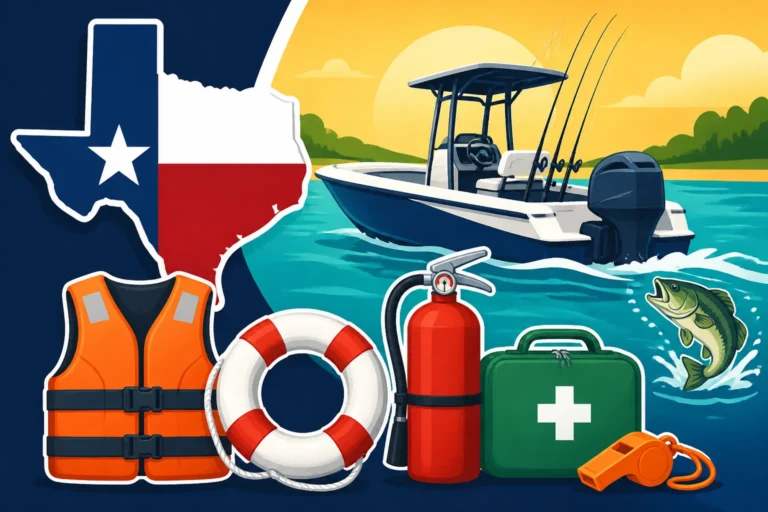
The first and most critical item is personal flotation devices (PFDs), or life jackets. Texas Boat Safety Equipment Requirements mandates that you have a Coast Guard-approved PFD for every person on board, and children under a certain age must wear one at all times while underway. Ensure they are easily accessible and in good condition. Beyond PFDs, a sound-producing device (like a horn or whistle), visual distress signals (flares or a signal mirror), and a fire extinguisher are also typically required. A first-aid kit, well-stocked for cuts, stings, and other common boating ailments, is also a wise addition.
For longer trips, especially into nearshore or offshore waters, consider an emergency position-indicating radio beacon (EPIRB) or a personal locator beacon (PLB). These devices transmit your location to rescue authorities in an emergency. Always file a float plan with someone on shore, letting them know where you're going and when you expect to return. Regular maintenance of your boat and engine also falls under safety, ensuring mechanical reliability. A good practice is to carry spare parts like spark plugs, a prop wrench, and basic tools. Don't forget ample fresh water and sun protection in the relentless Texas sun. A thorough Texas Boat Safety Inspection Checklist can help you ensure you're always prepared.
Budgeting for Your Texas Saltwater Fishing Boat
Acquiring a boat, especially one capable of handling the Texas saltwater environment, is a significant financial investment. Beyond the initial purchase price, there are ongoing costs that many first-time buyers might overlook. A realistic understanding of these financial aspects is crucial for making a smart decision and ensuring your dream boat doesn't become a financial nightmare.
New vs. Used: Pros and Cons
The choice between a new and a used boat is one of the biggest decisions you'll make when budgeting.
New Boats:
Pros:
- Warranty: New boats come with manufacturer warranties on the hull, engine, and often other components, providing peace of mind and protection against unexpected repairs.
- Latest Technology: You get the most current designs, engine technology, and integrated electronics.
- Customization: You can often choose colors, options, and layouts to perfectly match your preferences.
- Reliability: Typically fewer immediate mechanical issues, assuming proper break-in and maintenance.
- Financing: Often easier to secure financing for a new boat with better terms.
Cons:
- Depreciation: Like cars, boats depreciate significantly in the first few years.
- Higher Cost: The initial purchase price is considerably higher than a comparable used model.
- Break-in Period: New engines require a specific break-in period, which can limit immediate full use.
Used Boats:
Pros:
- Lower Cost: Significantly lower purchase price, allowing you to get more boat for your money or save on the initial investment.
- Slower Depreciation: The steepest depreciation has already occurred, meaning your investment holds value better over time.
- Proven Performance: You can often find reviews or talk to previous owners about real-world performance.
- Immediate Availability: No waiting for manufacturing or delivery.
Cons:
- No Warranty (or limited): Most used boats are sold "as-is," meaning you're responsible for any issues that arise.
- Potential for Hidden Problems: Requires thorough inspection, including a professional marine survey and engine check, to uncover potential mechanical issues or structural damage.
- Outdated Technology: May have older engines, electronics, or hull designs.
- Cosmetic Wear: Expect some scratches, fading, or wear and tear.
For many anglers, a well-maintained used boat offers excellent value. It's essential to perform due diligence, however. Don't skip the marine survey and engine compression check. These can save you from buying someone else's problems.
Hidden Costs: Maintenance, Insurance, and Storage
The purchase price of a boat is just the beginning. There are several significant ongoing expenses that every boat owner in Texas should factor into their budget.
Maintenance: Saltwater is incredibly corrosive, and engines, electrical systems, and the hull itself require regular attention. This includes routine engine servicing (oil changes, filter replacements, spark plugs), washing and flushing the boat after every use, waxing the hull, and addressing any small repairs promptly before they escalate. Expect to budget for annual or bi-annual professional maintenance, especially for the engine. If you're using it frequently, factor in more frequent service. Replacing worn parts like impellers, bilge pumps, or navigation lights are all part of the game.
Insurance: Boat insurance is highly recommended, and often required by marinas or lenders. It protects your investment against theft, damage, and liability. The cost will vary based on the boat's value, type, age, your boating experience, and where you live. Get multiple quotes to compare coverage and pricing.
Storage: Where will you keep your boat? This is a major cost factor. Options include:
- Trailer Storage: If you have space at home, this is often the cheapest option, but requires a good trailer and a vehicle capable of towing. You'll also need to consider Texas Boat Trailer Registration Rules.
- Dry Storage (Rack Storage): Popular on the coast, your boat is stored indoors or under cover and launched/retrieved by a forklift. Convenient but can be expensive.
- Wet Slip (Marina): Your boat stays in the water at a marina. Offers immediate access but is typically the most expensive, and exposes your boat to constant saltwater immersion, requiring more frequent bottom cleaning and antifouling paint.
- Self-Storage Units: Some larger units can accommodate smaller boats on trailers, but accessibility might be an issue.
Fuel: This can be a significant variable cost. Offshore trips can burn dozens, if not hundreds, of gallons of fuel. Even bay fishing adds up. Factor in the cost of fuel for your typical outings.
Registration and Licensing: Don't forget Texas Boat Registration Requirements and the associated fees, which are typically annual or biennial. If you're fishing, you'll also need to factor in your Texas Fishing License Requirements Explained and potentially a Texas Saltwater Endorsement Explained.
Financing Options and Resale Value
Most boat buyers will consider financing their purchase. Boat loans are available from banks, credit unions, and specialized marine lenders. Loan terms can vary, often ranging from 10 to 20 years, similar to RVs or second homes. Interest rates depend on your credit score, the loan term, and market conditions. Be prepared for a down payment, typically 10-20% of the purchase price. Before you start seriously shopping, it's a good idea to get pre-approved for a loan so you know your budget.
When thinking about resale value, consider popular brands and models that have a good reputation for quality and hold their value well on the used market. Well-maintained boats, especially those with desirable features and upgrades, tend to sell faster and for a higher price. Brands like Pathfinder, Yellowfin, and Contender often retain strong resale values. The condition of the engine, hull, and electronics will be the biggest determinants of resale. Keeping good service records and addressing any issues promptly will pay dividends when it's time to sell or upgrade. While your initial focus is on getting out on the water, having an eye on future resale can be a smart financial move.
Top Boat Brands and Where to Find Them
Choosing a boat brand can feel overwhelming with so many options out there. However, some brands have built solid reputations specifically for their quality, durability, and suitability for the challenging saltwater environments, including the Texas coast. Knowing where to start your search can save you a lot of time and potential headaches.
Popular Brands Known for Quality and Durability
When it comes to Texas saltwater fishing, certain brands consistently rise to the top, known for their robust construction, thoughtful design, and ability to withstand the rigors of our coastal waters. While personal preference and specific needs will always play a role, these manufacturers generally offer a strong reputation:
- Bay Boats: For dedicated inshore fishing, brands like Pathfinder, Blue Wave, Dargel, Tran Sport, and Majek are highly regarded. These companies often specialize in shallow-draft designs, stable casting platforms, and efficient layouts tailored for bay anglers. They understand the need for skinny water access combined with enough hull to handle bay chop.
- Center Consoles: In the versatile center console category, you'll find names like Contender, Yellowfin, Everglades, Sea Hunt, Robalo, and Sportsman. These brands are known for their deep V-hulls, excellent ride in rough water, and robust construction suitable for both serious bay and offshore excursions. They often offer a wide range of sizes and customization options. Many anglers seeking Best Bay Boats for the Texas Coast might start their search here for more robust options.
- Flats Boats: For the ultimate shallow water experience, brands like Maverick, Hell's Bay Boatworks, and Action Craft are leaders in the flats boat segment, offering ultra-shallow draft and stealthy performance.
These brands are typically built to a high standard, using quality materials and construction techniques that help them endure the harsh saltwater environment and maintain their value over time. They also often have strong dealer networks, which is important for service and warranty support.
Buying from Dealers vs. Private Sellers
Once you've identified a few brands or models you're interested in, the next step is deciding where to buy. Both new and used boats are available from authorized dealerships and private sellers, each with distinct advantages and disadvantages.
Authorized Dealers:
Pros:
- New Boats: This is where you'll find new boats with full factory warranties, the latest models, and options for customization.
- Financing Options: Dealers often have relationships with marine lenders, making it easier to arrange financing.
- Service & Support: You typically get after-sales service, warranty support, and access to certified technicians.
- Trade-ins: Many dealers accept trade-ins, simplifying the selling of your old boat.
- Professionalism: A more structured buying process with paperwork handled for you.
Cons:
- Higher Prices: New boats from dealers come with a premium price tag.
- Sales Pressure: You might experience sales pressure.
Private Sellers:
Pros:
- Lower Prices: Used boats from private sellers are often priced lower than comparable models at dealerships because there's no overhead for the seller.
- Negotiation Room: More flexibility for negotiation on price.
- Direct Information: You can speak directly with the owner about the boat's history, maintenance, and usage.
Cons:
- No Warranty: Typically sold "as-is," with no recourse if issues arise after purchase.
- Risk: Requires more due diligence on your part, including arranging for a marine survey and mechanical inspection.
- Paperwork: You'll be responsible for handling title transfers, Texas Boat Registration Requirements, and other legal documents.
- Financing: May be more challenging to secure a loan for a private sale.
For first-time buyers, buying from a reputable dealer can provide a smoother experience and added peace of mind, especially with a new boat. Experienced buyers comfortable with inspections and paperwork might find better deals through private sales.
Online Resources and Marketplaces
The internet has opened up a world of possibilities for boat shopping, regardless of whether you're looking for new or used. These platforms can be invaluable for research, comparing prices, and finding specific models, though it's always crucial to verify information in person.
Large online marketplaces like Boats.com, YachtWorld.com, and BoatTrader.com are excellent starting points for used boats. You can filter by brand, length, price, location, and features, getting a broad overview of what's available across Texas and beyond. These sites often feature listings from both private sellers and dealerships, giving you a comprehensive view of the market. You can often find a good selection of Best Boats for Texas Saltwater Fishing here.
For new boats, visiting manufacturers' websites is key. They'll have specifications, photos, and dealer locators. Larger outdoor retailers, such as Bass Pro Shops, also have extensive boat centers that sell new boats from various manufacturers and often have a selection of used boats as well. Their websites can be a good resource for exploring models and pricing. Online classifieds, like Craigslist or Facebook Marketplace, can sometimes yield local gems, but they require extra caution due to the less formal nature of the listings. Always be wary of deals that seem too good to be true and prioritize in-person inspection before any commitment. Amazon is generally not a place where you'd buy a full boat, but it's certainly a resource for accessories, gear, and Best Tackle for Texas Saltwater Wade Fishing. These online resources are fantastic for research, but remember that a boat needs to be seen, touched, and ideally sea-trialed before purchase.
Essential Accessories and Upgrades for Your Saltwater Rig
Once you've chosen your dream boat for Texas saltwater fishing, the journey isn't over! Outfitting it with the right accessories and making smart upgrades can significantly enhance your fishing experience, improve convenience, and ensure your investment is protected. Think of these as adding the finishing touches that truly make the boat yours and optimize it for the specific challenges of the Texas coast.
Rod Holders and Storage Solutions
You can never have too many rod holders on a fishing boat, especially when fishing the Texas saltwater. Different fishing techniques—trolling, drifting, bottom fishing, or just running from spot to spot—require various rod placements.
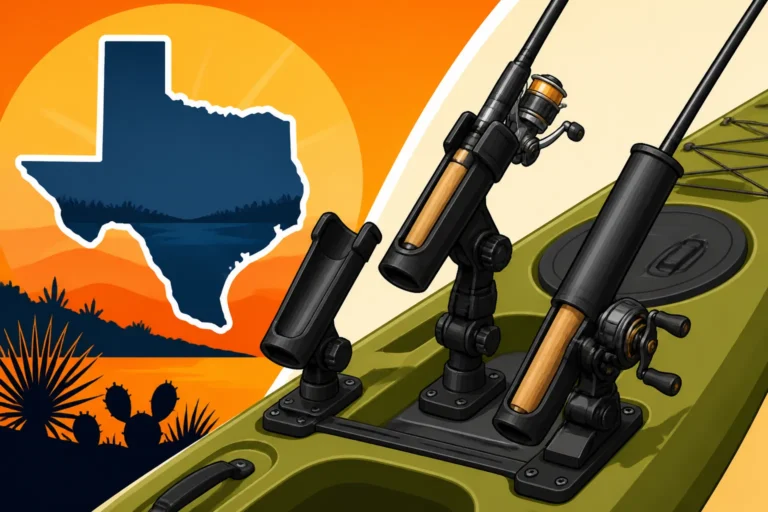
- Flush Mount Rod Holders: These are typically installed directly into the gunwales and are great for trolling or holding rods securely while underway. Make sure they are angled correctly for your preferred fishing style.
- Vertical Rod Holders: Often found on the console, leaning post, or T-top, these are perfect for storing rods vertically, keeping them out of the way but easily accessible. They're excellent for holding multiple rigs when running.
- Rocket Launchers: These are a bank of vertical rod holders usually mounted on the back of a leaning post or a separate aluminum frame. They offer efficient storage for numerous rods and can be crucial for offshore trips where many rods are brought.
- Horizontal Rod Storage: Many bay boats and center consoles feature horizontal rod racks under the gunwales, offering safe, secure storage for rods while running or when not in use. Some even have lockable compartments for added security, especially important for safeguarding your Best Rods for Texas Redfish or other valuable gear.
Beyond just holding rods, think about storage solutions for tackle, cast nets, and safety gear. Tackle centers, storage trays, and dedicated compartments keep your gear organized and prevent it from sliding around in choppy conditions. Waterproof dry bags are also a must for electronics, phones, and anything you want to keep absolutely dry.
Lighting and Electronics Upgrades
Even if your boat came with basic lighting and electronics, there are often smart upgrades that can significantly improve safety and functionality, especially if you plan on fishing before dawn, after dusk, or even through the night.
- LED Lighting: Upgrading to LED navigation lights, courtesy lights, and deck lights offers several advantages. LEDs are brighter, draw less power from your battery, and have a much longer lifespan than traditional incandescent bulbs. Good deck lighting is crucial for safety when moving around the boat in the dark, baiting hooks, or cleaning fish.
- Underwater Lights: While not strictly necessary, underwater lights can be a fantastic addition for night fishing, attracting baitfish to the boat, which in turn can draw in game fish. They also look pretty cool!
- Advanced Fish Finders/Chartplotters: Even if your boat has a basic unit, upgrading to a larger screen, more powerful transducer, or a unit with features like side-scan, down-scan, or 3D mapping can revolutionize your ability to find structure and fish. A guide like Best Fish Finders for Texas Lakes can offer valuable insights, even though it's focused on freshwater. Consider adding a dedicated marine radar for offshore trips for collision avoidance and navigation in fog.
- High-Quality VHF Radio: If your boat has an older or basic VHF, upgrading to a more powerful unit with Digital Selective Calling (DSC) can improve your communication range and provide an automatic distress signal with your boat's GPS coordinates in an emergency.
- Battery System Upgrade: Running multiple electronics and accessories can drain batteries quickly. Consider upgrading to a larger capacity battery bank or adding a separate house battery for electronics, isolated from your starting battery. A reliable onboard charger is also a smart investment. Best Battery upgrade for a trolling motor in Texas summer heat applies the same logic to the challenges of coastal conditions.
Trailer Requirements and Maintenance
For most Texas saltwater anglers, a trailer is just as important as the boat itself, as it provides the means to get your vessel to and from the water. Proper trailer selection and ongoing maintenance are critical for safety and protecting your boat.
- Correct Sizing: Your trailer must be correctly sized for your boat's length and weight. An undersized trailer is dangerous and illegal. The trailer's Gross Vehicle Weight Rating (GVWR) must exceed the combined weight of your boat, engine, fuel, and gear. Tandem axles are generally preferred for heavier boats, providing better stability and safety in case of a flat tire.
- Saltwater Ready: Since you'll be launching in saltwater, look for a trailer designed for the marine environment. This typically means galvanized steel or aluminum construction (aluminum is lighter and more corrosion-resistant), stainless steel hardware, and sealed LED lights.
- Brakes: Depending on your boat's weight, trailer brakes may be legally required and are always a good safety feature. Ensure they are well-maintained, especially after saltwater immersion.
- Tires and Bearings: Tires need to be properly inflated and in good condition, as blowouts can be extremely dangerous. Wheel bearings are particularly vulnerable to saltwater corrosion. Use bearing protectors and regularly inspect and grease them. Many anglers carry a spare tire and a hub assembly kit for emergencies.
- Maintenance: After every saltwater launch, it is vital to thoroughly flush your trailer's brakes and axle assemblies with fresh water. Regularly check all electrical connections for corrosion, and inspect the winch strap and safety chains for wear. Investing in high-quality trailer guides and bunks can also make launching and retrieving easier and safer, especially solo. This ensures that your boat is not only ready for the water but also for the journey to and from your favorite fishing spots along the coast.
Disclaimer
This article is for general informational purposes only and does not constitute professional advice. Laws, prices and regulations vary by location and change over time. Consult a qualified professional for guidance on your specific situation.