Where to Buy a Texas Fishing License In Person
Trying to figure out exactly where to go in person to get your Texas fishing license can sometimes feel like a treasure hunt, especially if you're new to an area or just haven't bought one in a while. You know you need it to stay legal and enjoy the incredible fishing opportunities here in the Lone Star State, but navigating the options can be a little daunting. This comprehensive guide will walk you through all the reliable places you can purchase your Texas fishing license face-to-face, ensuring you're ready for the water without any last-minute stress.
The Enduring Appeal of In-Person License Purchases
In our increasingly digital world, where you can buy almost anything with a few clicks, it might seem old-fashioned to head out to a physical store for something like a fishing license. But for many Texas anglers, there's a real comfort and convenience in the traditional, in-person purchase. It's not just about getting the piece of paper; it's often about the overall experience and the peace of mind that comes with it.
Why Anglers Still Prefer Brick-and-Mortar Options
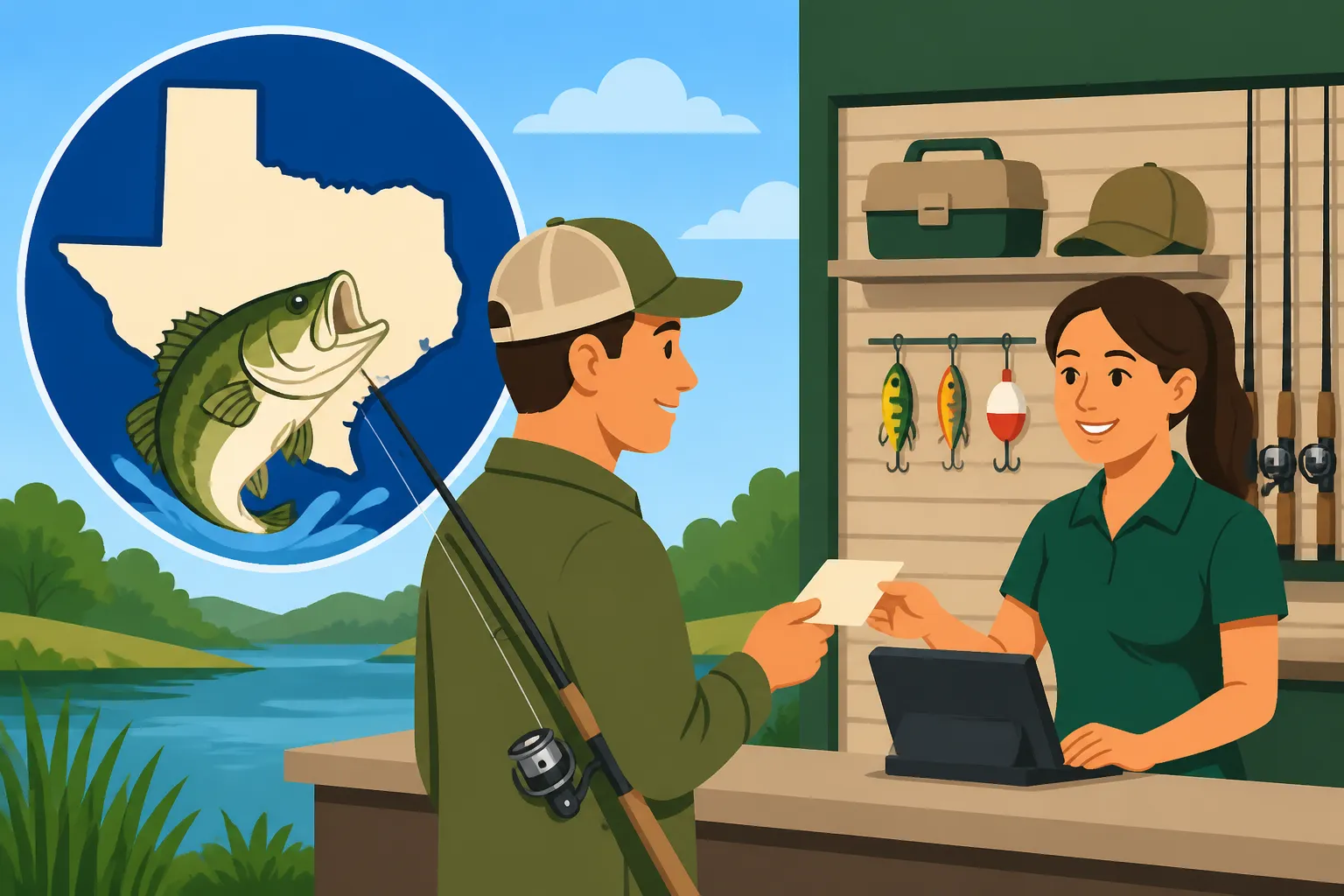
There's something inherently satisfying about walking into a store, talking to a real person, and walking out with your license in hand. For starters, it offers immediate gratification. There's no waiting for an email confirmation or worrying if your online transaction went through correctly. You hand over your money, get your license, and you're good to go. This can be especially reassuring if you're planning a spontaneous trip and need that license right now.
Beyond the immediacy, buying in person often provides a valuable opportunity to ask questions. Maybe you're not sure about the difference between a Texas Freshwater Fishing Regulations and a Texas Saltwater Fishing Regulations, or perhaps you need clarification on Texas Fish Bag and Length Limits for a specific species. The folks at your local sporting goods store or bait shop often have a wealth of knowledge about local conditions, license requirements, and even what baits are working best. This human interaction can turn a simple transaction into a mini-information session, giving you more confidence for your upcoming fishing adventure. Plus, it's a great way to support local businesses and connect with fellow anglers in your community.
Essential Items to Bring for Your In-Person Purchase
To make sure your in-person license purchase goes as smoothly as a glassy lake surface, it’s always a good idea to come prepared with the right documentation and payment. While the process is generally straightforward, having everything ready can save you a trip back home or an unnecessary delay.
First and foremost, you'll need a valid form of identification. For Texas residents, this typically means a Texas driver's license or a state-issued ID card. This is crucial for verifying your residency status, which directly impacts the cost of your license. For example, a Texas Resident Fishing License Cost is significantly different from a Texas Nonresident Fishing License Cost. If you're an out-of-state visitor looking for a Texas One-Day Fishing License for Visitors, your home state ID will suffice. Make sure your ID is current and not expired.
Secondly, you'll need a method of payment. Most retailers accept cash, debit cards, and major credit cards. While some smaller bait shops might prefer cash or have minimums for card transactions, larger stores like Walmart or Academy Sports + Outdoors will have no issues with standard card payments. It's always wise to have a backup payment method, just in case. Finally, while not always strictly required for a basic purchase, if you're eligible for any specific discounts, such as a Texas Senior Fishing License Discount or a Texas Disabled Veteran Fishing License Rules, it's best to bring any supporting documentation that might be requested.
Official Texas Parks and Wildlife Department Locations
When you're looking for the absolute most authoritative source for your Texas fishing license, going directly to the Texas Parks and Wildlife Department (TPWD) is a sure bet. While their offices might not be as numerous or conveniently located as a retail store, they offer direct service and expertise regarding all things outdoors in Texas.
TPWD Law Enforcement Offices and Regional Headquarters
Across the state, TPWD operates various regional offices and law enforcement field offices. These are essentially the hubs for all things related to wildlife management, conservation, and, you guessed it, licenses. While their primary function might be more administrative or enforcement-focused, many of these locations are equipped to issue fishing licenses directly.
Visiting a TPWD office ensures you're getting your license straight from the source. The staff there are intimately familiar with all the intricacies of Texas Fishing License Requirements Explained, including special endorsements, exemptions, and regulations. If you have a particularly complex situation or need specific guidance, this can be an invaluable resource. To find a TPWD office near you, the best course of action is to check the official TPWD website. They typically have an "Outdoor Annual" or "Where to Buy" section that lists all authorized vendors, including their own offices. It's always a good idea to call ahead to confirm their operating hours and that they are indeed issuing licenses on the day you plan to visit, as services can sometimes vary by location or staffing.
TPWD State Parks and Natural Areas
Many of Texas's beautiful state parks and natural areas aren't just incredible places to fish; they're also convenient locations to purchase your fishing license. When you arrive at a state park, the park headquarters or main entrance station often serves as a point of sale for various licenses and permits.
This option is particularly appealing if you're already planning a day trip or vacation to one of Texas's stunning parks. Imagine pulling up to Inks Lake State Park or Mustang Island State Park, getting your entry pass, and then picking up your fishing license all in one go. It streamlines your preparation and gets you on the water faster. Plus, the staff at state parks are usually very knowledgeable about the local fishing conditions, what species you can expect to catch, and any park-specific regulations you might need to know, such as whether Free Shoreline Fishing at Texas State Parks applies or if there are specific zones for fishing. This local insight can be incredibly helpful, especially for those venturing into a new fishing spot for the first time. Just like with regional offices, a quick call to the specific park ahead of your visit is recommended to confirm license sales availability and hours.
Retailers That Offer Texas Fishing Licenses
Beyond the official TPWD locations, a vast network of retail stores throughout Texas is authorized to sell fishing licenses. These outlets are often the most convenient and accessible options for the majority of anglers, whether you live in a bustling city or a quiet rural town.
Major Sporting Goods Chains
When you think about fishing, sporting goods stores naturally come to mind, and for good reason. Major chains like Academy Sports + Outdoors, Bass Pro Shops, and Cabela's are staples for Texas anglers, offering not just licenses but also a staggering array of gear.
These stores are incredibly reliable places to pick up your license. They have dedicated customer service desks or sporting goods departments where trained staff can process your license quickly and efficiently. The benefit here is often the sheer convenience; you can grab your license and, at the same time, pick up any bait, lures, or new gear you might need. Heading into an Academy store in Houston or a Bass Pro Shop in Grapevine, for instance, allows you to get your Texas All-Water Fishing License Explained while also browsing the latest rods and reels, perhaps even finding a new crankbait for those stubborn bass. They're typically open during standard retail hours, making it easy to stop by after work or on a weekend. The staff often share a passion for fishing, so don't hesitate to strike up a conversation for some local tips!
General Merchandise Stores and Supermarkets
You might be surprised to learn that some of the most common places you visit for groceries or household items are also authorized to sell Texas fishing licenses. This category primarily includes big-box retailers and supermarket chains that have expanded their services to include outdoor licenses.
Walmart is probably the most widely recognized example in this category. With locations practically everywhere, Walmart's sporting goods department is a go-to for many anglers needing to renew their license or purchase a new one. It's a prime example of convenience – you can pick up your fishing license, get your groceries, and maybe even find some new fishing line or hooks all in one stop. Similarly, Texas-based chains like H-E-B also offer license sales in many of their larger stores, often at the customer service counter. This widespread availability means that no matter where you are in Texas, there's likely a store within a short drive where you can get your license. This accessibility is particularly helpful for those living in smaller communities where dedicated sporting goods stores might be scarce. Just look for the sporting goods or customer service counter upon entry.
Local Bait and Tackle Shops
For many seasoned anglers, the local bait and tackle shop isn't just a place to buy gear; it's a cornerstone of the fishing community. These smaller, often family-owned establishments are fantastic places to purchase your Texas fishing license in person, and they offer an experience that's truly unique.
When you walk into a local bait shop, you're not just a customer; you're often part of the family. The proprietors and staff live and breathe fishing, and their knowledge of local waters, current conditions, and what fish are biting is often unparalleled. They can tell you exactly which part of Lake Conroe is hot for crappie or what lures are best for Texas Redfish Size and Bag Limits in Galveston Bay. While their hours might be a bit more varied than the big chains, the personalized advice and community feel are priceless. Places like Roy's Bait & Tackle in Corpus Christi or dozens of small shops lining popular fishing lakes exemplify this. Buying your license here supports a local business that genuinely invests in the fishing culture, and you'll often leave with not just a license but also a hot tip or a new perspective on your next trip. It's a fantastic way to connect with the pulse of the local fishing scene.
Understanding the Purchase Process and What to Expect
While buying a Texas fishing license in person is generally a smooth process, knowing what to expect can eliminate any potential hiccups. It’s not much different from any other retail transaction, but there are a few specifics to keep in mind, especially when it comes to the information you’ll need to provide.
Step-by-Step Walkthrough at a Retailer
Let's imagine you're walking into your local Academy Sports + Outdoors or bait shop to get your license. Here's typically how it goes:
- Approach the Counter: Head to the sporting goods counter, customer service desk, or the main counter at a bait shop. Let the associate know you're there to purchase a fishing license.
- Provide Identification: They'll ask for your valid photo ID. As discussed earlier, this is usually a driver's license or state ID. This allows them to verify your residency and input your information into the TPWD system. This step is critical for ensuring you receive the correct license type, whether it's a Texas Freshwater-Only License Cost or a comprehensive Texas All-Water Fishing License Explained.
- Specify License Type: You'll need to tell them which type of license you want. Do you need a yearly resident license, a non-resident annual, a temporary license, or perhaps a combo hunting and fishing license? If you're unsure, they can usually guide you through the options, but it helps to have a general idea. Don't forget to mention if you need a Texas Saltwater Endorsement Explained if you plan on fishing bays or the Gulf.
- Confirm Information: The associate will input your details into the TPWD point-of-sale system. They might confirm your address, date of birth, and other information to ensure accuracy. This is a good time to double-check everything.
- Payment: Once all the details are confirmed and the system generates the license, you'll pay the fee. Remember that the price you see advertised usually includes a small administrative fee, which is important to consider when comparing against online prices (e.g., How much is the online fee for a Texas fishing license).
- Receive Your License: You'll be handed a printed license. Make sure to review it right there for any errors before you leave the counter. It's a small piece of paper, often printed on thermal paper, so handle it with care.
Common Issues and How to Resolve Them
While the process is usually smooth, sometimes minor issues can arise. Knowing how to handle them can save you frustration.
One common issue is system downtime or connectivity problems. Since retailers connect to the TPWD system, occasional technical glitches can occur. If the system is down, the associate might suggest waiting a bit or trying again later. In such cases, having a backup plan, like knowing the location of another authorized retailer nearby, can be helpful.
Another point of confusion can be missing or expired identification. Always check your ID before you head out. An expired ID might not be accepted, and without proper identification, they won't be able to issue your license correctly. If you've just moved to Texas, make sure you have proof of residency that meets the TPWD criteria for a resident license.
Sometimes, anglers might purchase the wrong type of license by mistake. For instance, getting a freshwater-only license when you intended to fish for redfish in the bay. This is why confirming your intentions with the associate and carefully reviewing the license before you leave is crucial. If you realize an error immediately, some retailers might be able to correct it or initiate a refund, but it's not always guaranteed, and a Texas fishing license refund policy can be quite strict. Prevention is always better than trying to fix it later. Always clarify if you plan on fishing inland reservoirs like Lake Fork or if your sights are set on the Gulf Coast.
Key Information to Confirm Before You Go
Before you hop in your truck and head to your chosen retail spot, a little bit of preliminary checking can save you time and ensure a successful trip. Just like scouting a new fishing spot, a little recon goes a long way!
Operating Hours and Department Availability
It sounds simple, but confirming operating hours is often overlooked. While large retailers might be open late, the specific department that handles fishing licenses might not be staffed during all those hours. For example, the sporting goods counter at a Walmart might close an hour or two before the rest of the store. The same applies to smaller bait shops, which might have earlier closing times or be closed on certain days of the week.
It's highly recommended to call the specific store you plan to visit ahead of time. Ask not just about their general opening hours, but specifically confirm if their license-issuing department or person will be available when you plan to be there. This is particularly important around holidays or on Sundays, when staffing levels might be reduced. Imagine driving all the way to a Bass Pro Shops, only to find the sporting goods desk is unstaffed, leaving you unable to get your How to Get a Texas Fishing License. A quick phone call can prevent this frustration and ensure your trip is productive.
Verifying Location Services for License Sales
Not every single location of a large chain store might offer fishing license sales. While it's common for most Academy Sports + Outdoors or larger Walmarts to provide this service, it's not universally true for every single store, especially smaller formats or express versions.
The best way to verify this is to use the store's online locator tool or website. Most major retailers have a "store finder" feature that allows you to search by zip code or city. Once you find your specific store, check their services list. Many will explicitly state if they sell fishing and hunting licenses. Alternatively, and perhaps more reliably, a direct phone call to that specific location is the most foolproof method. Just ask, "Do you sell Texas fishing licenses here?" This simple question can confirm everything you need to know, saving you from a wasted trip and getting you closer to enjoying the Best Places to Fish in Texas.
After Your In-Person Purchase
So, you've successfully navigated the process, paid your fee, and you're holding that precious piece of paper – your Texas fishing license. Now what? The steps you take immediately after your purchase, and in preparation for your fishing trip, are just as important as the purchase itself.
What to Do with Your New License
Once you have your license, the very first thing you need to do is sign it. Look for the designated signature line, usually on the front. An unsigned license isn't valid, and if a game warden checks it, you could face a fine for essentially fishing without a license. It’s a small step, but a critical one.
Next, you absolutely must carry your license with you whenever you are fishing. This isn't just a suggestion; it's a legal requirement. Game wardens can and do conduct checks on the water and at popular fishing access points. Being able to readily present your physical license (or a digital image, as some wardens accept) is crucial. Don't just stuff it in your tackle box where it might get damaged or lost. Consider laminating it or keeping it in a waterproof holder or wallet sleeve. For more details, you can read our guide on Do you have to carry your Texas fishing license while fishing?. Remember, your license is valid from September 1st to August 31st of the following year, so be mindful of When does a Texas fishing license expire and the Texas fishing license year explained: why it ends August 31. This is also a good time to double-check if Can kids under 17 fish without a license in Texas? applies to any younger anglers in your group.
Planning Your Next Texas Fishing Adventure
With your license secured, the real fun begins: planning your next outing! This is where all your preparations come together. You've got the legal side covered, now it's time to think about where you'll cast your line.
Consider what type of fishing you want to do. Are you dreaming of big largemouth bass on Lake Fork, or perhaps chasing Texas Speckled Trout Bag Limits along the coast? Your choice of fishing spot will dictate the gear you need, the best time to go, and even the techniques you'll employ. If you're heading to a lake known for trophy bass, you might want to review our guide on the Texas Largemouth Bass Fishing Guide. For those who love the thrill of the coast, perhaps our Texas Redfish Fishing Guide would be helpful. This is also a great opportunity to explore the wealth of fishing accessories and supplies available. While you picked up your license in person, you might look online for specific gear like new lures, a specialized fishing hat, or a tackle box. Websites like Amazon offer a huge selection of fishing equipment, from specialty rods to waterproof gear bags, that can be delivered right to your door, complementing your in-person license purchase.
Think about the time of year and weather conditions. Texas fishing can vary wildly from season to season, and adapting your strategy is key. A summer day on the lake will require different preparations than a winter trip to the Guadalupe River for trout. Make sure your boat registration is current if you're taking a vessel out, and always have your Texas Boat Safety Equipment Requirements in order. Ultimately, having your license in hand means you're officially ready to enjoy all the incredible fishing that Texas has to offer, safely and legally.
Disclaimer
The information provided in this guide is for general informational purposes only and does not constitute legal advice. While we strive to keep the information up-to-date and correct, fishing regulations and license requirements can change. Always verify the latest rules and regulations with the official Texas Parks and Wildlife Department (TPWD) before engaging in any fishing activities.