Which Texas state parks allow free shoreline fishing
There’s nothing quite like the urge to cast a line into a shimmering lake or a slow-moving river, only to be stopped dead in your tracks by the nagging question: "Do I need a fishing license for this?" It's a common frustration, especially when you’re looking to enjoy a casual day out at a Texas State Park. You just want to relax, maybe catch a few fish, and not worry about breaking any rules. Well, I’m here to tell you that many Texas State Parks offer a fantastic solution, allowing you to enjoy free shoreline fishing without a state license. This guide will walk you through which parks offer this incredible perk and what you need to know before you go.
Understanding the Free Shoreline Fishing Exemption
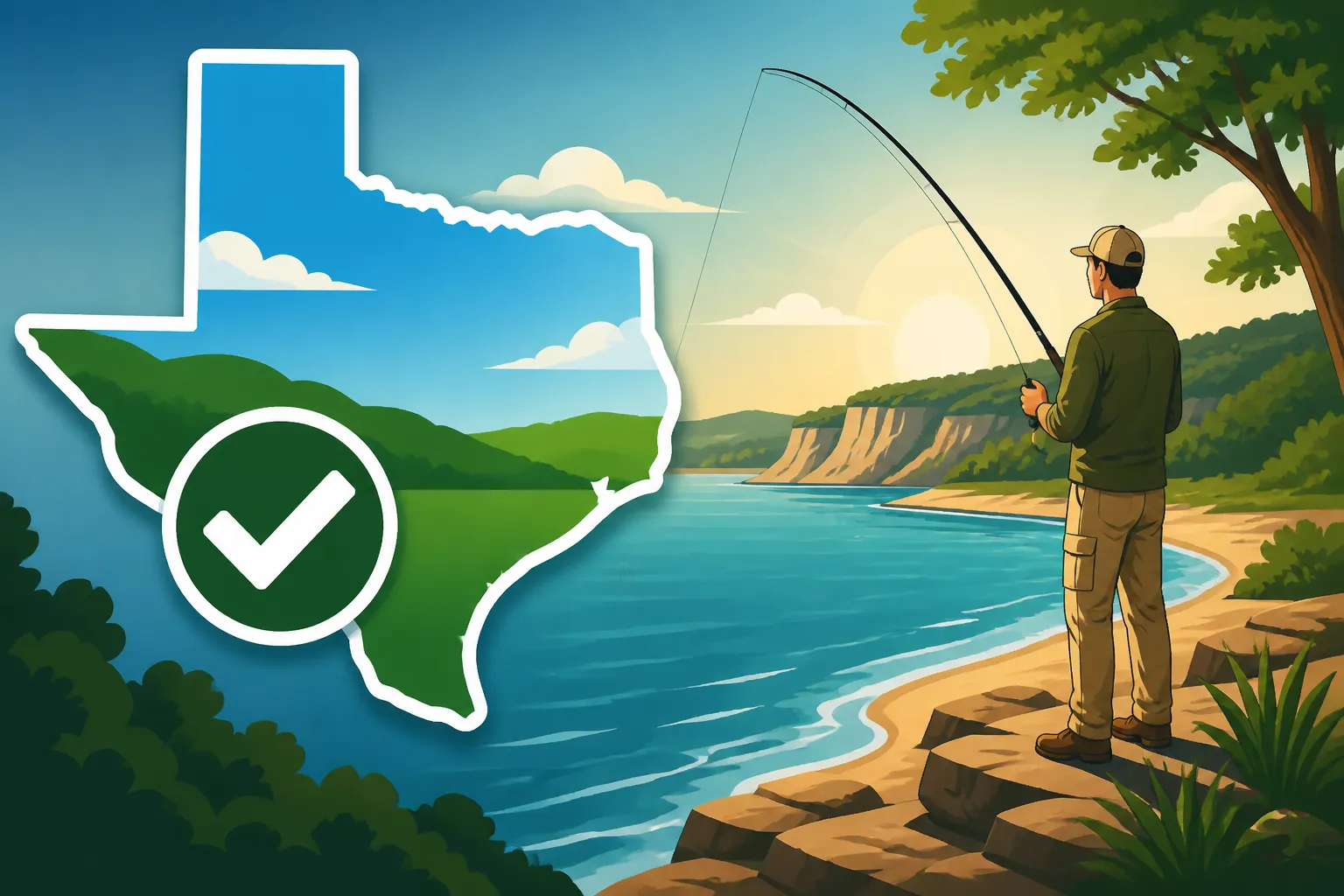
Let’s get straight to the heart of the matter: the Texas Parks and Wildlife Department (TPWD) has a fantastic program that allows visitors to fish from the bank or a pier within the boundaries of a Texas State Park without needing a state fishing license. This is a game-changer for families, beginners, or anyone looking for a low-barrier way to get into fishing.
This exemption is a wonderful initiative aimed at encouraging more people to connect with nature and experience the joy of fishing. It removes one of the initial hurdles for many folks – the cost and process of obtaining a license. Think about it: you pack a picnic, grab some basic gear (maybe a simple rod and reel combo you picked up on Amazon), and head out for a day of outdoor fun, all without having to worry about an extra permit. It truly helps make fishing more accessible, especially for those spur-of-the-moment trips. It’s important to understand that this is a specific exemption. While it’s true that there are certain scenarios outlined in Who Doesn't Need a Texas Fishing License, the state park exemption is one of the most widely appreciated because it applies to everyone within the designated fishing areas of the park.
What "Shoreline Fishing" Really Means
When we talk about "shoreline fishing" in the context of this exemption, we're specifically referring to fishing from the bank, from a designated fishing pier, or from a dock within the state park boundaries. This means you can't bring your own boat, kayak, or canoe and expect the license exemption to apply. The moment you push off into the water in a personal vessel, even if it's within the state park, the standard Texas Fishing License Requirements Explained kick in, and you'll need to have a valid license.
It’s crucial to make this distinction because it’s a common misconception. Many people assume if they're at a state park, the exemption covers all forms of fishing there. Not so! The spirit of the rule is to make fishing from easily accessible, land-based spots free and easy. So, leave the boat trailer at home if you're solely relying on this exemption. However, if you're up for a little adventure on the water, getting your How to Get a Texas Fishing License is a straightforward process, and then you can explore even more of the state's amazing waterways.
Other Regulations Still Apply
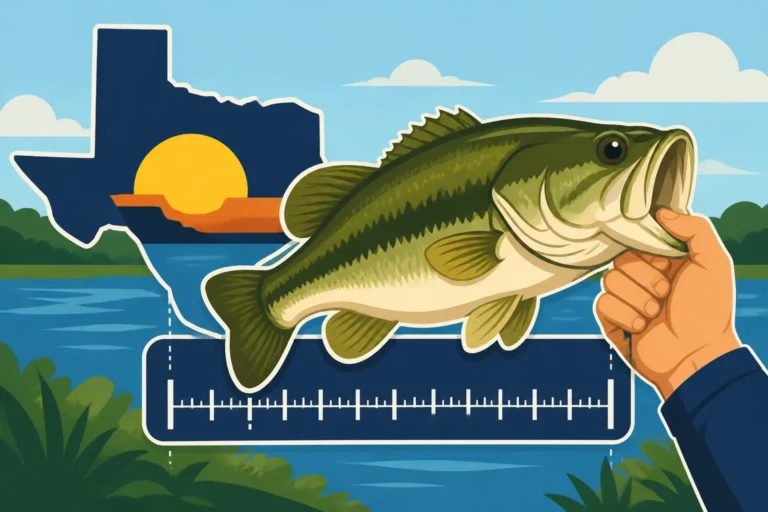
While the license itself is waived, it's absolutely vital to remember that all other statewide fishing regulations still apply. This is not a "free-for-all" fishing zone. You still need to abide by bag limits, length limits, and legal gear restrictions for any fish you catch. For instance, if you're pulling in some largemouth bass, you must know the Texas Largemouth Bass Length Limits. The same goes for crappie, catfish, or any other species you might encounter.
Before you head out, I always recommend checking the current Texas Freshwater Fishing Regulations or Texas Saltwater Fishing Regulations, depending on whether you're visiting an inland lake park or one on the coast. The TPWD website is an excellent resource, often providing specific regulations for the body of water within the park. Getting caught with an undersized fish or over your daily bag limit can still result in fines, even if you didn't need a license to cast your line. So, be informed and fish responsibly!
Texas State Parks Offering Free Shoreline Fishing
Now for the exciting part! While the general rule is that all Texas State Parks allow license-free fishing from the bank or pier within their boundaries, it’s worth highlighting some of the fan favorites and what makes them special for anglers. This information is a general guideline; always check with the specific park you plan to visit for any localized rules or current conditions.
Let’s explore some fantastic options across the state, from the piney woods to the Hill Country, where you can enjoy this benefit.
Popular Inland State Parks for Bank and Pier Fishing
Texas is dotted with incredible inland state parks, many featuring lakes, rivers, or ponds perfect for a relaxing day of fishing. These parks often provide amenities like fishing piers, cleaning stations, and sometimes even loaner tackle, making them ideal for beginners and families.
- Brazos Bend State Park (Needville): This park is famous for its alligators, but don't let that deter you! Multiple lakes within the park, like Elm Lake and 40 Acre Lake, offer excellent opportunities for catching sunfish, catfish, and sometimes even bass. There are plenty of piers and bank access points. It's a great spot to introduce kids to fishing, with plenty of other wildlife viewing opportunities. Just remember to give the gators their space!
- Cedar Hill State Park (Cedar Hill): Located on Joe Pool Lake near Dallas, this park boasts fantastic fishing for largemouth bass, crappie, and catfish. They have several long fishing piers, including one that is lighted for night fishing, which can be an absolute blast, especially during the warmer months when catfish are more active. The access is super easy, and the views are gorgeous.
- Cleburne State Park (Cleburne): The spring-fed lake here is a clear, beautiful place to fish. You'll find good populations of crappie, bass, and catfish. The park has a fishing pier and ample bank access. It's a bit of a hidden gem and less crowded than some other options, perfect for a peaceful fishing day.
- Inks Lake State Park (Burnet): Nestled in the stunning Texas Hill Country, Inks Lake is known for its clear, constant-level water. Anglers can target Guadalupe bass (the Texas state fish!), largemouth bass, catfish, and various sunfish. There are several fishing piers and rocky shoreline access points. It’s also just a beautiful park for camping and hiking, making it a perfect multi-day getaway.
- Lake Tawakoni State Park (Wills Point): This park provides access to Lake Tawakoni, often called the "Catfish Capital of Texas." While known for its massive blue catfish, you can also catch largemouth bass and crappie from the park's pier and extensive shoreline. It's a great place to try your luck at catching a big one, perhaps with some sturdy gear found on Amazon.
Coastal State Parks for License-Free Saltwater Action
Believe it or not, the exemption extends to coastal state parks too! This means you can fish from piers or the surf within a state park without a saltwater fishing license, though a Texas Saltwater Endorsement Explained would normally be required for saltwater fishing outside of this specific exemption. This is a huge bonus for anyone wanting to experience the thrill of saltwater fishing without the full commitment of a license.
- Galveston Island State Park (Galveston): This park offers both bay-side and gulf-side fishing. On the bay side, you can wade fish or cast from the shore for speckled trout, redfish, and flounder. On the gulf side, surf fishing is popular for pompano, whiting, and redfish. It’s an incredible opportunity to get a taste of coastal angling, and the park often has rangers who can offer advice on current conditions.
- Mustang Island State Park (Corpus Christi): Another fantastic coastal option, Mustang Island provides miles of pristine beach for surf fishing. You can cast for a variety of species, including redfish, speckled trout, and drum. It’s a bit more rustic, offering a true "get away from it all" vibe. This is a prime spot for Texas Redfish Size and Bag Limits or Texas Speckled Trout Bag Limits.
- Port Lavaca State Park (Port Lavaca): While smaller, this park offers excellent pier fishing opportunities on Lavaca Bay. It's a quieter spot, ideal for catching speckled trout, redfish, drum, and croaker. The pier is usually well-maintained and easily accessible, making it a good choice for those who prefer pier fishing over surf fishing.
- Goose Island State Park (Rockport): Home to "Big Tree," Goose Island is also a prime fishing destination. The park has a long fishing pier extending into Aransas Bay, where you can catch redfish, speckled trout, black drum, and sheepshead. It’s a beautiful area with a very active fishing community, and it's particularly known for its wade fishing opportunities nearby, though remember the license exemption only applies from the pier or bank within the park.
To help you visualize, here's a quick overview of some top picks and what they're good for:
| State Park Name | Location | Primary Water Body | Common Fish Species | Key Features for Anglers |
|---|---|---|---|---|
| Brazos Bend State Park | Needville (near Houston) | Elm Lake, 40 Acre Lake | Catfish, Sunfish, Bass | Piers, bank access, wildlife viewing |
| Cedar Hill State Park | Cedar Hill (near Dallas) | Joe Pool Lake | Largemouth Bass, Crappie, Catfish | Multiple lighted fishing piers |
| Cleburne State Park | Cleburne | Cleburne State Park Lake | Crappie, Bass, Catfish | Spring-fed lake, fishing pier |
| Inks Lake State Park | Burnet (Hill Country) | Inks Lake | Guadalupe Bass, Largemouth Bass, Catfish | Clear water, piers, rocky shoreline |
| Lake Tawakoni State Park | Wills Point | Lake Tawakoni | Catfish (Blue, Channel, Flathead), Bass, Crappie | Long fishing pier, "Catfish Capital" fame |
| Galveston Island State Park | Galveston | Gulf of Mexico, Galveston Bay | Redfish, Speckled Trout, Flounder, Whiting, Pompano | Surf fishing, bay-side access, piers |
| Mustang Island State Park | Corpus Christi | Gulf of Mexico | Redfish, Speckled Trout, Drum | Miles of pristine surf fishing beach |
| Goose Island State Park | Rockport | Aransas Bay | Redfish, Speckled Trout, Black Drum, Sheepshead | Long fishing pier, wade fishing access nearby |
Remember, this is not an exhaustive list. The best approach is to identify a state park near you or one you plan to visit and then check their specific webpage on the TPWD site for detailed information. Many parks are part of the "Neighborhood Fishin' Program" which regularly stocks fish, making them even more attractive for a casual fishing trip!
Preparing for Your License-Free Fishing Adventure
So, you’ve picked your park, you know you don't need a license, but what else do you need to make this a successful and enjoyable outing? A little preparation goes a long way, especially when you're introducing friends or family to the sport.
Essential Gear and Supplies
Since you don't need to spend money on a license, you can put that cash towards some quality, basic gear. You don't need anything fancy for shoreline fishing at a state park. A simple spinning rod and reel combo, a small tackle box with hooks, sinkers, bobbers, and a few basic lures or bait (like worms, corn, or hot dogs for catfish) will do the trick. Many anglers find great deals on starter kits or individual components from retailers like Amazon, making it easy to get equipped without breaking the bank.
Here’s a quick checklist of what I usually bring for a relaxed day of bank fishing:
- Rod & Reel: A medium-light to medium action spinning combo, about 6-7 feet long.
- Tackle Box: Stocked with various hooks (size 6-1/0), sinkers (split shot, egg sinkers), bobbers, and maybe a few soft plastics or inline spinners.
- Bait: Live worms, crickets, corn, or prepared baits for catfish are usually very effective.
- Pliers/Forceps: Essential for removing hooks safely.
- Cooler: To keep drinks and snacks cold, and if you plan to keep any fish, to store them on ice.
- Chair/Bucket: For comfortable seating while you wait for a bite.
- Sun Protection: Hat, sunglasses (polarized ones are great for seeing into the water), and sunscreen. The Texas sun is no joke, even in cooler months! You can find excellent, highly-rated options for all these items on Amazon.
- Water: Stay hydrated!
- Small First-Aid Kit: Just in case of minor cuts or scrapes.
- Trash Bag: Always pack out what you pack in. Let's keep our parks beautiful!
If you're looking for more guidance on what to pack, you might find our Beginner Fishing Gear Checklist for Texas article particularly helpful. It covers all the essentials to ensure you're well-prepared for any fishing trip in the state.
Best Practices for Park Fishing
Even without a license, being a responsible and ethical angler is paramount. These parks are shared spaces, and we want to ensure they remain enjoyable for everyone.
- Respect Wildlife: Texas State Parks are home to diverse ecosystems. Observe wildlife from a distance and avoid disturbing them. This is especially true at places like Brazos Bend where alligators are present.
- Mind Your Manners: Share fishing spots, keep noise levels down, and be considerate of other park visitors.
- Leave No Trace: Carry out all your trash, including fishing line, bait containers, and any other litter. Monofilament fishing line can be particularly harmful to wildlife if left behind. Dispose of unused bait properly.
- Know Your Fish: Be able to identify the fish you catch. This is important for complying with Texas Fish Bag and Length Limits. If you're unsure about a fish's identity or legality, it's always best to release it unharmed.
- Check Park-Specific Information: Before heading out, quickly check the official TPWD webpage for the specific state park you plan to visit. They often have real-time alerts about park conditions, lake levels, temporary closures, or specific fishing advisories. This is also where you can find information on potential loaner tackle programs, which some parks offer.
For families, these parks are fantastic for introducing kids to fishing. The easy access and relaxed atmosphere, combined with the license exemption, make it stress-free. Teach them about conservation, patience, and the joy of catching their first fish. Even if they don't catch anything, the experience of being outdoors together is invaluable. You might also want to read up on Texas Youth Fishing License Rules if your younger anglers eventually want to branch out beyond state park shoreline fishing.
Expanding Your Fishing Horizons Beyond State Parks
While free shoreline fishing at state parks is a fantastic benefit, you might eventually find yourself wanting to explore more of what Texas has to offer. This is where getting a full Texas fishing license comes into play. A license opens up a world of possibilities, from fishing the deeper waters of reservoirs like Lake Fork or Sam Rayburn, to casting a line in the mighty Brazos River, or even heading offshore into the Gulf.
The annual Texas All-Water Fishing License Explained covers both freshwater and saltwater fishing and runs from September 1st to August 31st each year, regardless of when you purchase it. So, if you're thinking about getting serious, it's a great investment. Remember, even on Texas Free Fishing Day, while the license is waived statewide, all other regulations still apply, making state parks a consistent, year-round option for hassle-free fishing.
Whether you stick to the serene banks of a state park or eventually venture out with a full license, the most important thing is to enjoy your time on the water. Texas offers an incredible variety of fishing experiences, and its state parks are truly a treasure for anglers of all skill levels.
Disclaimer
The information provided in this guide is for general informational purposes only and is subject to change. Always consult the official Texas Parks and Wildlife Department (TPWD) website or contact the specific state park directly for the most current and accurate regulations, conditions, and information before planning your fishing trip. While this guide aims to be comprehensive, local conditions and regulations can vary.