Best Texas Lakes for Family Fishing
Finding the perfect spot to cast a line with your little ones can feel like a daunting task in a state as vast as Texas. You want calm waters, easy access, and, let's be honest, a good chance of catching something to keep everyone engaged, but sifting through countless lakes and regulations takes time you just don't have. This comprehensive guide is designed to take the guesswork out of planning your next family fishing adventure, revealing the best Texas lakes that truly deliver memorable, kid-friendly experiences.
Why Family Fishing in Texas is a Must-Do Adventure
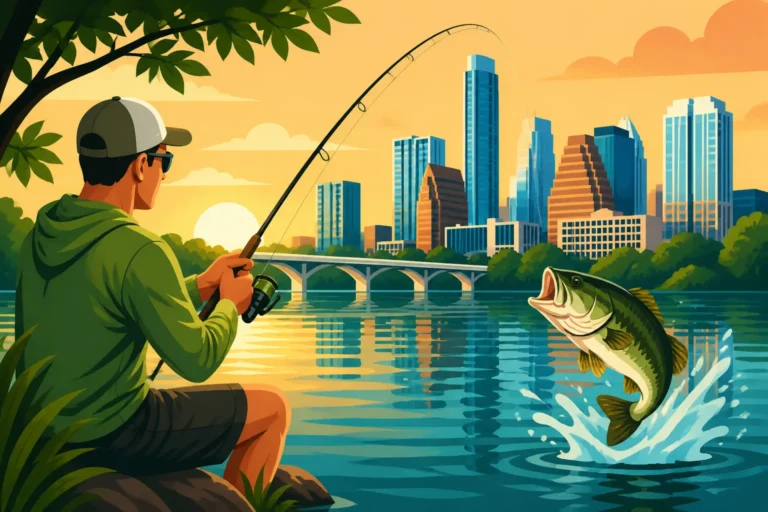
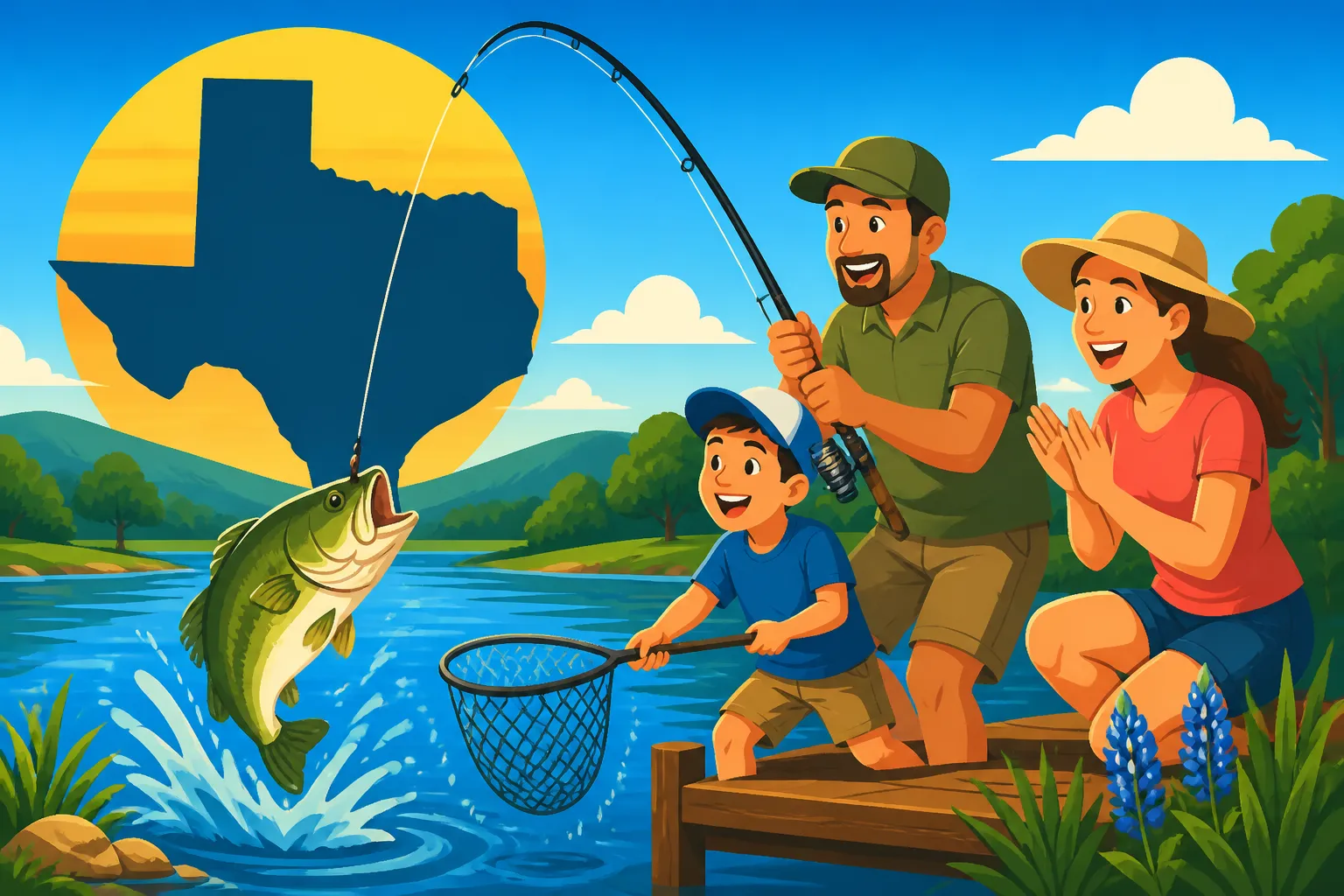
There's something uniquely magical about watching a child's eyes light up as they reel in their first fish, or even just feel a tug on the line. Texas, with its incredible diversity of waterways, offers unparalleled opportunities for families to create these cherished moments. It's more than just catching fish; it's about connecting, learning, and making memories that will last a lifetime.
Building Lasting Memories Together
In today's fast-paced, screen-dominated world, finding genuine, unplugged family time can be a challenge. A fishing trip offers a natural escape, pulling everyone away from devices and into the shared experience of the great outdoors. Imagine the laughter as someone excitedly shouts "Fish on!" or the quiet satisfaction of sitting side-by-side, patiently waiting for a bite. These aren't just moments; they're the building blocks of family lore, stories that will be retold around dinner tables for years to come. Think about those long car rides home, the kids chattering excitedly about the "one that got away" or the funny way a sunfish nibbled at their bait – those are the moments that truly stick.
For many, fishing is a multi-generational tradition, passed down from grandparents to parents to children. It’s a chance to share wisdom, tell old stories, and start new ones. Granddad might show his secret knot-tying trick, or Mom might recall her own childhood fishing escapades. These shared activities strengthen bonds and create a sense of continuity, teaching kids about their own family history and the simple joys that can be found outdoors. It’s an investment in togetherness that pays dividends far beyond the day itself.
Teaching Valuable Life Skills
Fishing is a masterclass in patience. Kids, who are often accustomed to instant gratification, quickly learn the value of waiting, observing, and understanding natural rhythms. It teaches them that not every attempt yields immediate results, and that perseverance often leads to success. Beyond patience, they develop a keen eye for detail, noticing subtle movements in the water or changes in weather patterns that might indicate a fish is near.
Furthermore, fishing instills a strong sense of responsibility and respect for nature. From learning how to properly bait a hook and cast a line to understanding catch-and-release practices and the importance of not littering, children become stewards of the environment. They learn about different fish species, their habitats, and the delicate balance of aquatic ecosystems. This hands-on education is far more impactful than anything they might read in a textbook, fostering a lifelong appreciation for conservation and the natural world.
Connecting with Nature and the Outdoors
Texas boasts an incredible array of natural beauty, from the piney woods of East Texas to the arid landscapes of the west, and the coastal plains along the Gulf. A family fishing trip is an invitation to explore these diverse environments firsthand. Away from city lights and noise, children (and adults!) have the chance to breathe fresh air, listen to birdsong, and observe local wildlife. They might spot a majestic heron stalking its prey, a turtle sunning itself on a log, or even a deer coming down to the water's edge for a drink.
This immersion in nature can be incredibly calming and invigorating. It provides a much-needed mental break from daily routines, reducing stress and encouraging a sense of wonder. For kids, it sparks curiosity about the world around them, inspiring questions about plants, animals, and the interconnectedness of life. It’s an opportunity to experience Texas's unique ecosystems up close, fostering a deeper connection to the land and water that define our great state.
Key Considerations for Choosing a Family-Friendly Fishing Lake
Not all fishing spots are created equal, especially when you've got kids in tow. What might be perfect for an experienced angler seeking a trophy bass might be a recipe for frustration with a fidgety youngster. When planning a family fishing trip, several factors become paramount to ensure everyone has a safe, enjoyable, and successful outing. It's all about balancing the potential for a catch with comfort and convenience.
Accessibility and Amenities
One of the biggest hurdles for family fishing can be simply getting to and around the fishing spot. Lakes with easily accessible banks, paved pathways, or well-maintained fishing piers are ideal. Hauling gear, snacks, and little ones over rough terrain or through dense brush is no fun for anyone. Look for locations that offer convenient parking close to the water's edge, minimizing the trek.
Beyond just access, the availability of amenities makes a huge difference. Clean restrooms are practically non-negotiable when children are involved, as are picnic areas where you can enjoy a packed lunch or snacks. Some of the best family-friendly lakes even boast playgrounds nearby, offering a welcome break for restless kids if the fishing slows down. Boat rentals (kayaks, paddleboats, or small motorboats) can also add another layer of fun, allowing you to explore different parts of the lake or simply enjoy some time on the water. Many state parks, for instance, are meticulously designed with these conveniences in mind, making them excellent choices.
Fish Species and Stocking Programs
For kids, success isn't always about landing a monster fish; it's about getting bites and feeling that excitement. Therefore, choosing a lake known for abundant, easy-to-catch species is key. Panfish like bluegill and sunfish are perfect for beginners – they're plentiful, eager to bite small baits, and don't require fancy tackle. Catfish, especially channel catfish, are also a fantastic option, as they are widespread and often respond well to simple baits like worms or prepared stink bait.
The Texas Parks and Wildlife Department (TPWD) runs fantastic programs, like the "Neighborhood Fishin' Program," that actively stock community ponds and lakes with ready-to-catch fish, often including rainbow trout in the cooler months. These programs are specifically designed to introduce families and new anglers to fishing, making them prime targets for a successful outing. Checking TPWD's stocking reports before you go can give you a huge advantage and boost your chances of getting a bite, which, as any parent knows, is crucial for keeping spirits high! When planning your trip, consider lakes that are actively managed for sustained fish populations and those that offer diverse species to increase your chances of a catch.
Safety and Water Conditions
Safety should always be the top priority for any family outing, and fishing is no exception. Lakes with calm, clear waters are generally preferred, as they reduce risks associated with strong currents or murky conditions. Designated swimming areas, if available, can also offer a safe place for kids to cool off under supervision, even if you're not planning a swimming excursion. Checking the weather forecast for strong winds or storms is always a good idea, as conditions on large lakes can change quickly.
Beyond the water itself, consider the overall environment. Well-maintained parks often have rangers or staff on duty, adding an extra layer of security. Look for banks that are clear of dense vegetation or steep drop-offs, making it safer for children to cast and move around. If fishing from a boat, always ensure you have enough properly fitted life jackets for everyone on board – Texas Boat Safety Equipment Requirements are non-negotiable. Furthermore, teaching kids about basic water safety, like staying away from slippery edges and never running near the water, can prevent accidents and ensure a fun day for all.
Top Texas Lakes for Freshwater Family Fun
Texas is blessed with an incredible network of freshwater lakes, each offering its own unique charm and fishing opportunities. When it comes to family fishing, certain lakes stand out for their accessibility, amenities, and, most importantly, their propensity to deliver bites that keep young anglers hooked. These spots combine natural beauty with family-friendly facilities, ensuring a memorable day out.
Lake Conroe: Near the Buzz of Houston
Just a short drive north of Houston, Lake Conroe offers a fantastic escape for families seeking freshwater fun without venturing too far from urban conveniences. This large reservoir is a popular destination, but its sheer size means there are plenty of spots to spread out. For families, the numerous parks dotting the shoreline are a huge draw. Parks like Scott's Ridge Park and Lake Conroe Park offer excellent bank fishing access, picnic tables, playgrounds, and clean restrooms, making them perfect base camps for a day of fishing.
The fishing itself is incredibly diverse, appealing to various skill levels. Lake Conroe is renowned for its largemouth bass, and while landing a trophy might require some skill, there are plenty of smaller bass to keep things interesting for beginners. It's also an excellent lake for catfish, crappie, and even hybrid striped bass, which can offer a thrilling fight for older kids. Many resorts and marinas around the lake offer boat rentals, from pontoon boats perfect for a family cruise to smaller fishing boats, giving you options if you want to explore beyond the shoreline. You can often find a local guide through platforms like FishingBooker who specializes in family trips, ensuring a higher chance of success and less stress for parents.
Inks Lake State Park: Hill Country Beauty and Calm
Nestled in the picturesque Texas Hill Country, Inks Lake State Park is a true gem for family fishing. What sets it apart is its unique geology and relatively constant water level, making it reliable even during dry spells. The park itself is a haven of family-friendly activities, with designated swimming areas, hiking trails, and abundant camping options for those who want to extend their stay. For fishing, the lake's clear, calm waters are ideal for beginners.
The park offers fantastic fishing piers that are easily accessible, allowing everyone to cast a line comfortably. You'll find a good population of sunfish and bluegill, which are almost guaranteed to bite on small hooks with a bit of worm, providing instant gratification for young anglers. During the cooler months, TPWD often stocks rainbow trout, adding another exciting species to target. The "no-wake" zones in certain areas of the lake also contribute to a peaceful atmosphere, perfect for a relaxing day with the kids. It’s a wonderful place to teach kids about Texas Freshwater Fishing Regulations in a practical, hands-on way.
Lake Grapevine: DFW's Outdoor Oasis
For families living in or visiting the Dallas-Fort Worth Metroplex, Lake Grapevine provides a convenient and rewarding fishing experience. This reservoir boasts multiple well-maintained parks, many with excellent public access points and amenities. Oak Grove Park, for instance, offers extensive shoreline access, fishing piers, playgrounds, and even sand volleyball courts, making it a comprehensive family destination. The lake is vast enough to provide plenty of elbow room, even on busy weekends.
Lake Grapevine is known for its healthy populations of largemouth bass, white bass, and various catfish species. The white bass can provide incredibly exciting action, especially during their spring runs up feeder creeks, making for a fast-paced and memorable outing. For younger children, targeting bluegill and other panfish near the piers or sheltered coves is a reliable bet. The City of Grapevine goes to great lengths to make the lake accessible and enjoyable, with paved trails and plenty of green space. It's a fantastic place to practice Beginner Fishing Techniques for Texas Anglers in a supportive environment.
Canyon Lake: Scenic Views and Clear Waters
Often called the "Jewel of the Texas Hill Country," Canyon Lake offers breathtaking scenery along with excellent fishing opportunities. Its clear, deep waters are a stark contrast to some of the muddier reservoirs, and its limestone banks provide unique fishing structures. While it can get busy with recreational boaters, there are many quiet coves and shoreline parks suitable for families. Potters Creek Park and Comal Park are good examples, offering amenities and access.
Canyon Lake is a fantastic spot for diverse fishing. Anglers can target largemouth bass, striped bass, white bass, and catfish. The clear water makes sight fishing a possibility on calmer days, which can be thrilling for older kids learning to spot fish. Downstream from the dam, the Guadalupe River is famously stocked with rainbow trout in winter, offering a completely different, but equally family-friendly, fly fishing or light tackle experience for those who want to explore. Teaching kids about Texas Fish Bag and Length Limits is essential here, especially with the variety of species available.
Lake Livingston: Catfish and White Bass Haven
Located in East Texas, Lake Livingston is one of the largest lakes in the state, often referred to as a "catfish factory." If your family loves the idea of reeling in plenty of whiskered fighters, this is your spot. The lake's vast expanses and abundant forage mean healthy populations of channel, blue, and flathead catfish. Simple bottom rigs with worms or cut bait are often all it takes to get bites, which is fantastic for maintaining a child's interest.
Beyond catfish, Lake Livingston is famous for its incredible white bass runs, particularly in the spring. During this time, the white bass school up and move into the feeder rivers, offering non-stop action that can exhaust even the most energetic kids (in a good way!). Many family-friendly resorts and fish camps are situated around the lake, offering cabins, RV hookups, and direct access to fishing piers and boat ramps. This makes it an ideal destination for a multi-day family fishing vacation where you can really delve into How to Catch Catfish in Texas techniques.
Tyler State Park Lake: East Texas Tranquility
For a quieter, more intimate family fishing experience, head to Tyler State Park Lake in East Texas. This smaller, spring-fed lake is nestled within the beautiful state park, offering a serene environment far removed from crowded urban areas. The park itself is immaculate, with towering pine trees, clear water, and plenty of well-maintained trails and picnic areas. It’s perfect for a day trip or a relaxing camping weekend.
The fishing here is excellent for panfish like bluegill and redear sunfish, which are abundant and eager to bite. These smaller fish provide consistent action for young anglers, building confidence and keeping them engaged. There are also good populations of largemouth bass and crappie for those looking for a bit more of a challenge. The park features a fishing pier and easily accessible banks, making it simple to get lines in the water. Plus, the tranquil setting means you’ll likely spot more wildlife and enjoy a more peaceful atmosphere. It's a prime example of a great location for Best Texas Lakes for Family Fishing.
Coastal Gems for Family Saltwater Fishing
While freshwater lakes offer their own charm, the Texas coast presents a completely different, exciting world of fishing opportunities for families. The unique environment of bays, jetties, and piers provides diverse fishing experiences, often with the added bonus of sea breezes and the sound of crashing waves. Saltwater fishing can introduce kids to a whole new array of species and a different kind of adventure.
Galveston Island State Park: Bay and Beach Access
Galveston Island State Park is a fantastic all-in-one coastal destination for families. Uniquely, it offers access to both the Gulf of Mexico (beachside) and Galveston Bay (bayside), giving you dual fishing options. On the bayside, you can wade fish in calm, shallow waters, which is often easier for young children and doesn't require casting far. You can catch speckled trout, redfish, and flounder here. The park also features several fishing piers and platforms on the bay, making it very accessible.
On the Gulf side, families can try their hand at surf fishing directly from the beach, targeting species like pompano, whiting, and redfish. The park provides excellent amenities, including restrooms, picnic areas, and even interpretive nature trails, allowing for breaks from fishing and a chance to explore the coastal ecosystem. Educational programs often run throughout the year, teaching kids about marine life and conservation. Remember that a Texas Saltwater Fishing Regulations endorsement is typically needed for saltwater fishing, even in state parks.
Port Aransas Jetties and Piers: Coastal Adventures
Port Aransas, a vibrant coastal town on Mustang Island, is a mecca for family saltwater fishing. The long, granite jetties on either side of the Port Aransas Ship Channel provide some of the best fishing access on the coast without needing a boat. These jetties offer a chance to catch a wide variety of species, from speckled trout and redfish to drum, sheepshead, and even kingfish or Spanish mackerel further out. While walking on the jetty requires caution, especially with younger children, the excitement of reeling in a bigger saltwater fish can be unparalleled.
For an even easier experience, the town boasts several public fishing piers, like Roberts Point Park or the Horace Caldwell Pier. These piers extend out into the bay or Gulf, putting you over deeper water where more fish congregate. Many piers have bait shops right on site, renting rods and selling bait, making it incredibly convenient for families who might not have all their own gear. The festive atmosphere of Port Aransas itself, with its sandy beaches and abundant seafood restaurants, adds to the overall family vacation appeal. You can often find fishing charters specifically geared towards families, offering a guided experience on the bays or nearshore waters. A quick search on FishingBooker can help you locate reputable, family-friendly captains in the area.
Copano Bay: Wading and Pier Fishing
If you're looking for a slightly less crowded coastal experience than the main Port Aransas strip, Copano Bay offers excellent opportunities for family fishing, particularly for those who enjoy wade fishing or pier fishing. Located near Rockport and Fulton, Copano Bay is a vast, relatively shallow bay system known for its healthy populations of speckled trout, redfish, and flounder. Its calmer waters make it safer and more manageable for families.
The Copano Bay State Fishing Pier is a standout feature here. This historic pier is one of the longest in Texas, stretching far into the bay. It's well-lit for night fishing (which can be a fun adventure for older kids!) and provides ample space. You'll find many anglers targeting popular species, and the pier often has a friendly, community feel. For families with appropriate gear, the shallow grass flats of Copano Bay are fantastic for wade fishing, offering an intimate experience with the coastal environment. It's a beautiful spot to introduce kids to the nuances of Texas Speckled Trout Bag Limits and other coastal regulations.
Tips for Making Your Family Fishing Trip a Success
Taking kids fishing is an amazing experience, but it's not always sunshine and trophy catches. A little planning and a realistic mindset can transform potential frustrations into unforgettable family fun. The key is to remember that the goal isn't just about catching fish; it's about the entire experience.
Keep It Simple and Fun
The biggest mistake parents make is overcomplicating the fishing trip. Forget about specialized techniques, fancy lures, or trying to land a record-breaker. For kids, especially younger ones, simplicity is key. Start with basic spincast reels that are easy to operate, a simple bobber and hook, and reliable bait like worms, corn, or hot dogs. The aim is to get bites, even if they're small bluegill. Consistent action, no matter the size of the fish, is what keeps kids engaged and excited.
Keep trips short, especially for younger children with limited attention spans. An hour or two of focused fishing is often more productive and enjoyable than a full day that ends in boredom and meltdating. If the bites slow down, be prepared to shift gears. Pack a frisbee, a ball, or let them explore the shoreline. The goal is enjoyment, not necessarily a full cooler. Remember, you're building a foundation for a lifelong love of fishing, and that starts with positive, fun memories. Don't be afraid to take a break or call it a day early if enthusiasm wanes.
Pack Smart: Essentials for Comfort and Fun
A well-packed bag is your secret weapon against discomfort and boredom. Texas weather can be unpredictable, so be prepared. Sunscreen and hats are non-negotiable, especially during the long summer months. Bug spray is another must, particularly if you're fishing near wooded areas or at dusk. A small first-aid kit for minor scrapes or hook pokes is always a good idea.
Beyond safety, think about comfort and entertainment. Pack plenty of water and snacks – hungry kids are cranky kids! Bring a cooler with drinks and easy-to-eat treats. A towel or two can be useful for messy hands or wet feet. Consider bringing a small chair or blanket for sitting, as standing for long periods can be tiring. For those inevitable lulls in action, a small deck of cards, a book, or a nature scavenger hunt list can provide alternative entertainment and prevent boredom from setting in. This allows you to embrace the slower moments rather than dread them.
Engage and Educate
Use the fishing trip as a fantastic learning opportunity. Before you even cast a line, involve the kids in the preparation. Let them help pick out bait or choose a bobber. Once you're at the water, explain what you're doing. Teach them how to tie a simple knot (even if you just pre-tie their lines), show them how to bait a hook, and demonstrate a basic cast. Even if they don't get it right away, the act of teaching and trying is valuable.
When you catch a fish, take the time to identify it. Talk about its features, where it lives, and what it eats. Explain Texas Largemouth Bass Fishing Guide differences versus Texas Catfish Species Guide. If it's a catch-and-release, show them how to handle the fish gently and release it safely. Discuss the importance of local regulations, such as Texas Fish Bag and Length Limits, and why we have them. This hands-on education makes the experience richer and helps children develop a deeper appreciation for the sport and the natural world around them.
Essential Gear and Safety for Family Anglers
Gearing up for a family fishing trip doesn't have to be complicated or expensive. The goal is to equip everyone with functional, safe gear that enhances their experience without overwhelming them. Focusing on kid-friendly equipment and prioritizing safety measures will ensure a smooth and enjoyable day on the water.
Kid-Friendly Rods and Reels
For young anglers, simplicity and durability are paramount. Spincast combos are by far the best choice for beginners. These reels feature a push-button release for casting and a closed face that prevents tangles, making them incredibly easy for small hands to operate. Look for combos that include a shorter rod (around 4 to 5 feet) with a flexible tip, which makes casting easier and more forgiving. Brands like Zebco or Shakespeare often offer affordable, colorful combos specifically designed for kids.
Avoid baitcasting reels or complex spinning reels for absolute beginners, as they require more finesse and can quickly lead to frustration. The lighter weight of kid-specific gear also makes it easier to handle for extended periods, reducing fatigue and increasing overall enjoyment. As kids grow and gain confidence, you can gradually introduce them to more advanced setups, perhaps moving to a light spinning reel for targeting Texas Crappie Fishing Guide or Texas White Bass Fishing Guide.
Basic Tackle Box Necessities
You don't need a massive tackle box overflowing with hundreds of lures. For family fishing, a small, organized tackle box with the essentials will suffice. Start with a variety of small hooks (sizes 6-10 are versatile for panfish and smaller catfish). A selection of sinkers – split shots or small egg sinkers – will help get your bait to the bottom. Bobbers, both clip-on and slip bobbers, are crucial for indicating bites and adding visual excitement for kids.
For bait, keep it simple and effective: live worms (nightcrawlers or red wigglers) are almost always a hit. Other easy baits include corn, hot dogs, or small pieces of bread for sunfish, and chicken livers or pre-made stink bait for catfish. A pair of small pliers or a hook remover tool is essential for safely extracting hooks, and a small stringer or bucket to hold any keepers is a good idea. A small pair of scissors for cutting line, extra fishing line, and a few small, brightly colored jigs or spinners can round out your basic kit, offering options as skills develop.
Water Safety and Sun Protection
Safety on and around the water is non-negotiable. Always ensure that every person, especially children, wears a properly fitted life jacket when on a boat, kayak, or near any potentially deep or fast-moving water. Even if kids are strong swimmers, accidents happen, and a life jacket provides vital buoyancy and visibility. Remember that Texas Life Jacket Requirements for Boats dictate specific rules based on age and vessel type.
Sun protection is equally important, especially under the intense Texas sun. Hats with wide brims, sunglasses (polarized ones can even help spot fish!), and long-sleeved, lightweight clothing are highly recommended. Apply sunscreen liberally and frequently, even on cloudy days, paying close attention to exposed areas like the face, neck, and ears. Hydration is also key; pack plenty of water and encourage frequent sips to prevent heat exhaustion. Teach kids about the dangers of slippery surfaces near the water and always have an adult supervising closely.
Planning Your Trip: Logistics and Resources
A successful family fishing trip often boils down to good planning. Understanding the local rules, knowing where to find help, and leveraging available resources can make all the difference between a frustrating outing and a perfectly smooth one. Texas has robust systems in place to support anglers, and knowing how to navigate them is key.
Understanding Texas Fishing License Requirements
This is perhaps the most critical piece of planning: ensuring everyone who needs one has a valid Texas fishing license. The general rule in Texas is that anyone 17 years of age or older needs a valid fishing license to fish in public waters. However, there are some wonderful exceptions, especially for younger anglers and certain demographics. For example, kids under 17 do not need a license. There are also exemptions for disabled veterans and people born before a certain date.
It's crucial to check the most current regulations from the Texas Parks and Wildlife Department (TPWD) before you go. You can purchase a license online, over the phone, or in person at various retailers like sporting goods stores and many Walmart locations. Getting a license is straightforward, but make sure to understand what endorsements, like a freshwater or saltwater endorsement, you might need based on where you plan to fish. You can find all the details you need in our guide on Texas Fishing License Requirements Explained and specifically Who Doesn't Need a Texas Fishing License.
Checking Regulations for Specific Lakes
While a general state fishing license covers most public waters, specific lakes or waterways can have their own unique regulations, especially regarding bag and length limits for certain species. These localized rules are often put in place to manage fish populations and ensure healthy fisheries. For example, a particular lake might have a slot limit for largemouth bass, meaning you can only keep fish within a certain size range, or a reduced daily bag limit for crappie.
Before heading out, always consult the current TPWD Outdoor Annual or use their online resources to check the specific regulations for your chosen lake or bay. This information is vital for ethical fishing and avoiding costly penalties. Knowing the Texas Freshwater Fishing Regulations or Texas Saltwater Fishing Regulations that apply to your destination will prevent accidental violations and teach your children responsible angling practices. You'll often find special rules for exotic species too, so a quick check is always a good idea.
Booking a Family-Friendly Fishing Guide
For families new to fishing, unfamiliar with Texas waters, or simply wanting to maximize their chances of success and minimize stress, booking a family-friendly fishing guide can be an absolute game-changer. A good guide knows the local waters intimately – where the fish are biting, what bait they prefer, and how to best target them. More importantly, a guide specializing in family trips understands how to work with children, keep them engaged, and make the experience fun and educational.
Platforms like FishingBooker make it incredibly easy to find and book reputable guides in various Texas locations. You can filter by boat type, target species, and even specifically look for guides who advertise "kid-friendly" trips. Many guides provide all the necessary gear, bait, and even clean your catch, allowing you to simply show up and enjoy the experience. This takes all the logistical guesswork out of your hands, letting you focus on making memories with your family. It's an investment that often pays off in increased catches and a more relaxed, enjoyable day for everyone.
Beyond the Rod: Other Family Activities at Texas Lakes
While fishing is undoubtedly the main event, the best family-friendly Texas lakes often offer a wealth of other activities. Integrating these into your trip can provide welcome breaks from casting, cater to different interests, and ensure that everyone in the family has a fantastic time, even if they aren't completely obsessed with fishing.
Swimming, Boating, and Kayaking
Many of Texas's premier fishing lakes are also fantastic recreational hubs. After a morning of fishing, a refreshing swim can be just what the doctor ordered, especially during the warmer months. Look for lakes with designated swimming areas or sandy beaches where kids can safely splash and play. Lake Conroe, Inks Lake State Park, and Canyon Lake are excellent examples that offer these kinds of amenities.
If you have access to a boat, taking a leisurely cruise around the lake offers a different perspective and a chance to explore coves and scenic areas. Many lakes offer boat rentals, from pontoon boats for a relaxed family outing to smaller motorboats for those who want to cover more water. Kayaking and paddleboarding are also increasingly popular and provide a peaceful way to get out on the water. Many state parks and private marinas offer kayak rentals, and learning more about Best Kayaks for Texas Fishing can help you find the right fit for your family. These activities can break up the fishing day and provide diverse enjoyment.
Hiking and Nature Trails
Most state parks and many lake parks in Texas boast well-maintained hiking and nature trails suitable for various skill levels. Taking a break from fishing to explore these trails can be a wonderful way to stretch your legs, get some exercise, and appreciate the natural surroundings from a different vantage point. Kids love discovering new plants, looking for animal tracks, or trying to spot local wildlife like birds, deer, or even armadillos.
Many trails are interpretive, meaning they have signs that explain the local flora, fauna, and geology, turning a simple walk into an educational adventure. This can be especially engaging for curious minds and provides an excellent opportunity to teach children about local ecosystems and the importance of conservation. It’s a great way to connect with nature beyond the water’s edge and round out the outdoor experience.
Camping and Picnicking
For families who truly want to immerse themselves in the outdoor experience, camping at one of Texas's many lake parks is an ideal option. Waking up to the sounds of nature, cooking breakfast over a campfire, and having direct access to fishing spots makes for an unforgettable adventure. Most state parks and many county parks offer a range of camping options, from primitive tent sites to full RV hookups, catering to different comfort levels.
Even if camping isn't on your agenda, almost every family-friendly lake will have picnic areas, often with tables, grills, and scenic views. Packing a delicious lunch and enjoying it outdoors is a simple pleasure that enhances any day trip. It's a chance to refuel, relax, and share stories about the morning's catches (or near misses!) before heading back to the water or trying another activity. These opportunities for shared meals and extended stays foster deeper connections and more relaxed enjoyment of your time together.
| Lake Name | Location (Proximity to Major City) | Primary Fish Species for Families | Key Amenities for Families | Best For |
|---|---|---|---|---|
| Lake Conroe | North of Houston | Largemouth Bass, Catfish, Crappie | Numerous parks, boat rentals, playgrounds, restrooms | Diverse fishing, easy city access, boaters |
| Inks Lake State Park | Central Texas (Hill Country) | Sunfish, Bluegill, Stocked Trout | Fishing piers, swimming, hiking, camping, calm waters | Scenic beauty, serene atmosphere, easy panfish |
| Lake Grapevine | Near Dallas/Fort Worth | White Bass, Largemouth Bass, Catfish | Multiple parks, piers, playgrounds, extensive shoreline | DFW residents, consistent white bass action |
| Canyon Lake | Hill Country (near San Antonio) | Largemouth Bass, Striped Bass, Catfish | Clear water, scenic views, nearby Guadalupe River trout | Beautiful scenery, diverse species, water sports |
| Lake Livingston | East Texas | Catfish, White Bass | Family resorts, extensive fishing, big lake experience | Catfish abundance, spring white bass runs |
| Tyler State Park Lake | East Texas | Panfish, Largemouth Bass, Crappie | Tranquil setting, well-maintained park, camping | Quiet outings, panfish for beginners, nature immersion |
| Galveston Island State Park | Galveston Island | Speckled Trout, Redfish, Flounder | Beach & bay access, fishing piers, nature trails, restrooms | Coastal experience, dual fishing, educational programs |
| Port Aransas Jetties & Piers | Port Aransas | Redfish, Speckled Trout, Drum | Long jetties, public piers, bait shops, vibrant town | Exciting saltwater action, convenient access, town amenities |
| Copano Bay | Near Rockport | Speckled Trout, Redfish, Flounder | Long fishing pier, wade fishing access, calmer waters | Quieter bay fishing, wade fishing, pier fishing |
Disclaimer
The information provided in this guide is for general informational purposes only and is subject to change. Fishing regulations, license requirements, and park amenities can vary and are often updated by the Texas Parks and Wildlife Department. Always consult the most current TPWD Outdoor Annual or official park websites before planning your trip to ensure compliance with all rules and for the most up-to-date information. Fishing involves inherent risks, and adherence to safety guidelines is paramount.