Closest good fishing lake to downtown Dallas
It can be incredibly frustrating when you're itching to cast a line after a long week but the thought of a two-hour drive to a decent fishing spot just drains all your enthusiasm. Living in a bustling metropolis like Dallas, it often feels like you have to escape the city entirely to find good fishing. But what if I told you there’s a genuinely great fishing lake right on Dallas’s doorstep, perfect for a quick morning trip or an afternoon escape? This guide is all about helping you discover the closest, good fishing lake to downtown Dallas, along with other accessible options and tips to make your urban angling dreams a reality.
Lake Ray Hubbard: Dallas's Nearby Angling Oasis
When you're looking for a quick getaway to wet a line without spending half your day in traffic, Lake Ray Hubbard is almost certainly the first name that pops up for Dallas anglers. It’s remarkably close to downtown Dallas, sprawling across parts of Dallas, Rockwall, and Kaufman counties, offering a huge body of water with diverse fishing opportunities.
Why Lake Ray Hubbard is a Prime Pick
Lake Ray Hubbard isn't just "close;" it's genuinely a prime fishing destination in its own right, making it a fantastic blend of convenience and quality. This massive 22,000-acre reservoir, created by damming the East Fork of the Trinity River, offers plenty of room to roam whether you're in a boat or fishing from the bank. Its sheer size means a variety of habitats, from shallow coves to deeper main lake channels, timber, and rip-rap along the bridges and dam. This diversity keeps the fish populations healthy and active, providing consistent action for different species throughout the year. For folks living in the heart of Dallas, it’s often a mere 20-30 minute drive, making it unbeatable for impromptu fishing sessions. It’s also home to multiple marinas and public access points, meaning you don't have to navigate tricky private property to find a spot.
Key Species and What You'll Catch
Lake Ray Hubbard is well-known for being a fantastic multi-species fishery, offering something for every angler. It's particularly famous for its populations of largemouth bass, hybrid striped bass, white bass, channel catfish, and crappie.
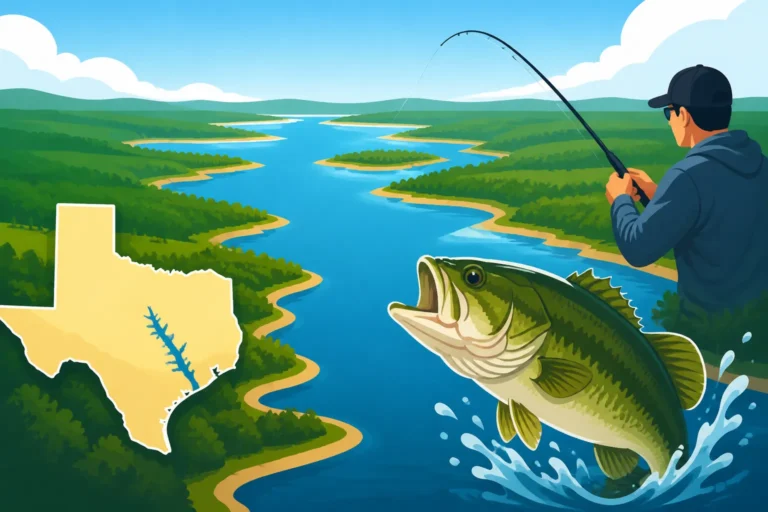
- Largemouth Bass: If you're a bass angler, Lake Ray Hubbard provides excellent opportunities. Anglers often target largemouths around its abundant submerged timber, docks, rock structures, and the edges of creek channels. Early mornings and late evenings around visible cover, especially near the I-30 bridge, can be quite productive. To really up your game, check out our Texas Largemouth Bass Fishing Guide for advanced techniques.
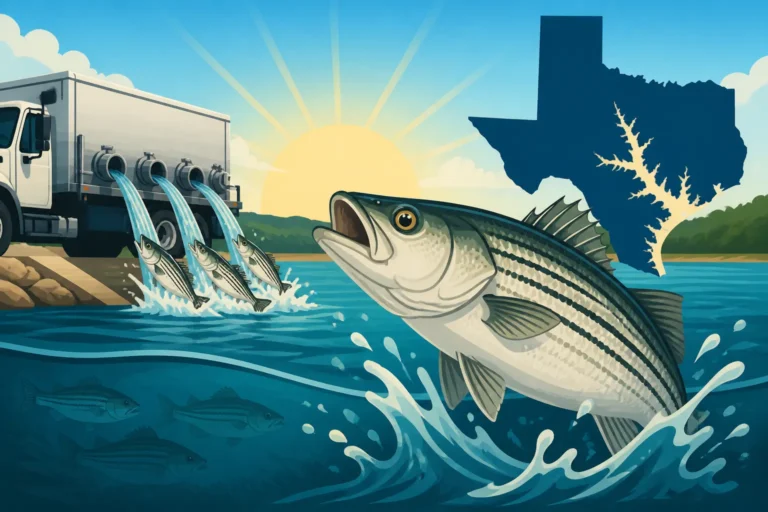
- Hybrid Striped Bass and White Bass: These are a huge draw on Lake Ray Hubbard. Known for their hard fights, hybrid stripers (a cross between striped bass and white bass) and pure white bass provide thrilling action, particularly when they’re schooling. You’ll often find them chasing shad in open water, identifiable by diving birds overhead. Topwater lures, spoons, and live bait are deadly when these fish are active. Learning about Texas White Bass Fishing Guide strategies can give you an edge during their seasonal runs.
- Catfish: The lake boasts a robust population of channel catfish and some impressive blue catfish. These bottom dwellers are plentiful and can be caught from both boats and the bank using stink baits, cut bait, or shrimp. For a relaxed afternoon of fishing with the family, targeting catfish near public piers and parks can be incredibly rewarding. Our Texas Catfish Species Guide provides deeper insights into these fascinating fish.
- Crappie: Crappie fishing on Lake Ray Hubbard can be phenomenal, especially during the cooler months. Anglers often find them congregated around submerged brush piles, bridge pilings, and boat docks. Small jigs and minnows are the go-to baits, and once you locate a school, the action can be non-stop. If you want to refine your technique, our Texas Crappie Fishing Guide has all the tips you need.
Best Fishing Spots and Access Points
Lake Ray Hubbard offers numerous spots for both boat and bank anglers. Knowing where to go makes all the difference, especially when you're pressed for time.
- Chandler's Landing Marina & Yacht Club Area: While the marina itself is private, the surrounding areas, especially the causeway leading up to it, offer decent bank access and fishing opportunities. You'll find good structure and drop-offs here that attract various species.
- Dallas Parks Department Access Points: Several parks around the lake offer public access, including Lakeside Park in Garland and Harry Myers Park in Rockwall. These parks often have piers, boat ramps, and plenty of shoreline for bank fishing, making them ideal for families or those without a boat.
- I-30 Bridge Area: The pilings and rip-rap around the Interstate 30 bridge are perennial hotspots. The structure here attracts baitfish, which in turn attract bass, crappie, and hybrid stripers. Fishing around the bridge requires a bit more caution due to boat traffic, but the rewards can be significant.
- Lake Ray Hubbard Dam: The area around the dam is another popular spot, offering deep water access and often holding schooling fish. Bank access can be limited but productive.
- Boat Ramps: For those with boats, multiple public boat ramps are available, such as John Paul Jones Park and Terry Park. These offer easy access to the main lake for targeting schooling fish or exploring hidden coves.
Remember, always check local conditions and specific regulations for any area you plan to fish. Understanding the Texas Fish Bag and Length Limits is crucial before you head out.
Other Accessible Dallas Area Lakes Worth Considering
While Lake Ray Hubbard stands out for its combination of proximity and quality, Dallas is surrounded by other fantastic lakes that are just a short drive away. Each offers its unique charm and fishing opportunities, making them excellent alternatives or additions to your regular fishing rotation.
Joe Pool Lake: A Southern Dallas Gem
Located southwest of downtown Dallas, Joe Pool Lake is another excellent option, usually within a 30-45 minute drive, depending on traffic. This 7,740-acre reservoir is known for its clear water and excellent facilities, including Cedar Hill State Park.
- Prime Species: Joe Pool Lake is highly regarded for its largemouth bass fishing, with healthy populations and plenty of structure like standing timber and submerged brush. It's also a strong contender for crappie, particularly around its many boat docks and brush piles. Catfish are abundant, offering consistent action for bank anglers. You might also encounter white bass during their seasonal runs.
- Fishing Characteristics: The lake features diverse habitats, from rocky shorelines to deep channels and vast expanses of timber. Cedar Hill State Park provides excellent bank fishing access, two lighted fishing piers, and multiple boat ramps. Loyd Park on the opposite shore also offers good access. The clear water here means that finesse techniques often pay off for bass, and careful presentation is key.
- Why Visit: Beyond the fishing, Joe Pool Lake offers a beautiful, family-friendly environment with plenty of recreational activities. It's a great choice if you're looking to combine fishing with camping, hiking, or simply enjoying nature.
Grapevine Lake: Northwest Charm with Great Fishing
Heading northwest from downtown Dallas, about a 30-45 minute drive, you'll find Grapevine Lake. This Corps of Engineers lake spans over 8,000 acres and is nestled within the bustling Grapevine area, offering a scenic escape with productive fishing.
- Prime Species: Grapevine Lake is a fantastic spot for largemouth bass, with a good mix of shallow cover and deeper structure. It’s also known for its strong populations of white bass and hybrid striped bass, which provide exciting open-water action. Crappie fishing can be excellent, especially around the many marinas and brush piles, and catfish are prevalent throughout the lake.
- Fishing Characteristics: The lake's shoreline varies from rocky banks to sandy beaches and densely wooded areas. It has numerous parks and public access points, including Meadowmere Park and Murrell Park, which offer boat ramps and ample bank fishing opportunities. The lake's clear to moderately clear water often demands a diverse tackle box, ready for both power fishing and more subtle approaches.
- Why Visit: Grapevine Lake combines excellent fishing with the charm of the city of Grapevine, which offers dining, shopping, and entertainment. It’s a popular spot for both anglers and recreational boaters, making for a lively atmosphere, especially on weekends. It's also a great lake to consider for Best Places to Fish in Texas due to its consistent quality.
White Rock Lake: Urban Fishing Challenge and Opportunity
For those who prioritize absolute proximity, White Rock Lake is technically the closest significant body of water to downtown Dallas. Located just 5 miles east, it’s practically in your backyard. However, it comes with a few caveats.
- Prime Species: White Rock Lake is primarily known for largemouth bass, catfish (channel and blue), and crappie. It also has a good population of sunfish, making it an excellent spot for kids or beginners to catch something.
- Fishing Characteristics: This 1,000-acre lake is an urban oasis with a picturesque skyline view. Fishing here is often a bank-fishing affair, with no gas-powered boats allowed (kayaks, canoes, and electric trolling motors are fine). This creates a quieter, more intimate fishing experience. While it's heavily pressured due to its location, determined anglers can find success, especially in lesser-known coves and around submerged structure.
- Why Visit: If you need to wet a line now and have limited time, White Rock Lake is your spot. It's incredibly convenient, and the serene environment, despite being in the city, is a huge draw. Just manage your expectations regarding trophy fish, though some impressive catches are certainly made here. Remember to always be aware of local park rules and regulations for fishing on urban lakes.
Planning Your Dallas Area Fishing Trip
A successful fishing trip, even a short one to a local lake, requires a bit of planning. From having the right gear to understanding local rules, a little preparation goes a long way.
Essential Gear and Bait for Local Waters
You don't need a boatload of specialized gear to enjoy fishing in the Dallas area, but having the essentials for the most common species will make your trip much more enjoyable.
- Rods and Reels: A medium-action spinning rod and reel combo (6'6" to 7' long) is incredibly versatile for most freshwater species you'll encounter, like bass, crappie, and catfish. Pair it with 8-12 lb monofilament or fluorocarbon line. For heavier catfish or hybrid stripers, a medium-heavy rod might be beneficial. If you're new to fishing, our Beginner Fishing Gear Checklist for Texas is a great place to start.
- Lures for Bass: For largemouths, pack some soft plastics (like Texas-rigged worms or Senkos), crankbaits (medium-diving for versatility), and a spinnerbait or two. Topwater lures can be thrilling during low-light conditions.
- Bait for Catfish: The classics work best: punch bait, cut shad, chicken liver, or shrimp. A simple bottom rig with a sinker and a circle hook will do the trick.
- Tackle for Crappie: Small jigs (1/16 to 1/8 oz) in various colors (chartreuse, white, black/chartreuse) and small live minnows under a bobber are deadly.
- General Tackle: Don't forget an assortment of hooks (sizes 1/0 to 4/0 for bass/catfish), sinkers (bullet weights, egg sinkers), swivels, and bobbers. A pair of pliers for hook removal and a small tackle box to keep things organized are also crucial. For more general advice, check out Best Fishing Rods for Texas Anglers.
Navigating Licenses and Regulations
This is probably the most critical part of planning any fishing trip in Texas. Failing to adhere to the rules can lead to hefty fines, so it's always worth taking a few minutes to get informed.
- Texas Fishing License: Almost everyone needs a valid Texas fishing license to fish in public waters. There are some exceptions, such as kids under 17 or fishing on Free Fishing Day, but for most adults, it's a must. You can purchase one online through the Texas Parks and Wildlife Department (TPWD) website, by phone, or in person at most sporting goods stores like Academy Sports + Outdoors or Walmart. For a full breakdown, see our guide on How to Get a Texas Fishing License.
- Endorsements: If you plan to fish in saltwater, you'll also need a saltwater endorsement. However, for the freshwater lakes around Dallas, this isn't necessary.
- Bag and Length Limits: Each species has specific bag (how many you can keep) and length (minimum and/or maximum size) limits. These regulations are designed to protect fish populations and ensure healthy fisheries for the future. Always consult the current Texas Outdoor Annual, available online or at license vendors, before you go. For example, largemouth bass often have a 14-inch minimum length and a 5-fish daily bag limit, but these can vary by lake. Ignorance of the law is not an excuse.
- Special Regulations: Some lakes might have specific regulations that differ from statewide rules. For instance, White Rock Lake has restrictions on boat types. Always look for signage at public access points or check the TPWD website for lake-specific rules.
Hiring a Local Fishing Guide
For many anglers, especially those new to a lake or seeking to maximize their limited time, hiring a local fishing guide can be an invaluable investment.
- Local Knowledge: Guides spend countless hours on the water, tracking fish patterns, knowing the hotspots, and understanding how conditions affect fishing. They can quickly put you on fish, teaching you techniques and showing you productive areas you might never find on your own.
- Gear and Experience: Most guides provide all the necessary gear, from rods and reels to bait and tackle, taking the guesswork out of what to bring. They also have boats perfectly equipped for the local waters.
- Efficiency: If you only have a few hours to fish, a guide ensures that those hours are spent productively, rather than searching for fish or fumbling with unfamiliar equipment.
- Booking a Guide: Services like FishingBooker make it incredibly easy to find and book experienced fishing guides in the Dallas area. You can browse local captains, read reviews, and compare prices to find the perfect fit for your budget and target species. They offer a convenient platform to connect with professionals who can lead you to the best fishing spots on Lake Ray Hubbard, Joe Pool Lake, or Grapevine Lake.
Maximizing Your Urban Fishing Experience
Fishing near a major city like Dallas comes with its own set of challenges and unique rewards. Knowing how to navigate these can significantly enhance your experience.
Best Times to Fish Near Dallas
Understanding the rhythms of nature and how they interact with urban environments is key to successful fishing.
- Seasonal Patterns:
- Spring (March-May): This is prime time for largemouth bass as they move shallow for the spawn. Crappie fishing also heats up. White bass begin their upstream runs in tributaries feeding the lakes. Our Texas Bass Spawning Season Guide gives you the full scoop.
- Summer (June-August): Early mornings and late evenings are crucial for bass and hybrid stripers, which often school in open water. Catfish can be caught throughout the day, especially deeper. The intense Texas heat means fish often retreat to deeper, cooler waters during midday.
- Fall (September-November): Many species enter a feeding frenzy as water temperatures cool. Bass become highly aggressive, and white bass and hybrid stripers continue to school. This can be one of the most productive times of the year.
- Winter (December-February): While slower, winter can offer excellent opportunities for crappie concentrated in deep brush piles and for trophy largemouth bass in slightly deeper, warmer pockets. Check our Texas Fishing Seasons Month by Month for a more detailed breakdown.
- Daily Patterns:
- Sunrise and Sunset: These low-light periods are almost always the most productive for predatory fish like bass and hybrid stripers. Baitfish are more active, and predators feel safer moving into shallower water to feed.
- Midday: Often slower, but can be productive for catfish (especially deep), crappie (in heavy cover), or when schooling fish erupt in open water.
- Night Fishing: Many Dallas-area lakes offer fantastic night fishing, particularly for catfish and sometimes bass. The cooler temperatures and reduced boat traffic make for a peaceful and often very productive experience.
Local Tips for Success
Beyond the general fishing knowledge, a few local insights can truly make a difference when fishing the lakes near Dallas.
- Watch the Weather Closely: Texas weather can be unpredictable. Cold fronts can shut down a bite, while stable weather often means better fishing. Always check the forecast and adjust your plans accordingly. High winds can make boating difficult on large lakes like Ray Hubbard.
- Target Structure: Dallas lakes are full of man-made and natural structures. Bridge pilings, submerged roadbeds, old foundations, standing timber, and boat docks are all fish magnets. Use your electronics (if boating) or focus on visible structure when bank fishing.
- Embrace Live Bait: While artificial lures are fun and effective, live bait (minnows for crappie, shad for hybrids, worms or cut bait for catfish) is often the most consistent producer, especially for beginners or when the bite is tough.
- Consider a Guide for First-Timers: If you're really serious about learning a specific lake or species, don't hesitate to book a trip with a local guide. As mentioned, platforms like FishingBooker can help you find experienced guides who know Lake Ray Hubbard, Joe Pool Lake, or Grapevine Lake like the back of their hand. They can shave years off your learning curve and teach you nuances of fishing these specific waters.
- Practice Catch and Release: While keeping some fish for dinner is part of the fun, practicing selective catch and release, especially for larger bass and older catfish, helps maintain healthy populations for future generations of anglers.
Here's a quick comparison of the closest major fishing lakes to downtown Dallas:
| Lake Name | Distance from Downtown Dallas | Primary Species | Key Features & Notes |
|---|---|---|---|
| Lake Ray Hubbard | ~20-30 miles (East) | Largemouth Bass, Hybrid Stripers, Catfish, Crappie, White Bass | Large reservoir, diverse habitat, multiple ramps, I-30 bridge hotspot. Best combination of proximity and quality. |
| Joe Pool Lake | ~25-35 miles (Southwest) | Largemouth Bass, Crappie, Catfish | Clear water, Cedar Hill State Park access, good facilities, standing timber. |
| Grapevine Lake | ~25-35 miles (Northwest) | Largemouth Bass, White Bass, Hybrid Stripers, Crappie, Catfish | Scenic, many parks & ramps, close to Grapevine city amenities, good multi-species. |
| White Rock Lake | ~5 miles (East) | Largemouth Bass, Catfish, Crappie | Urban lake, no gas motors, bank fishing friendly, very close but heavily pressured. |
Remember, the best lake is often the one you can get to and fish most often! Enjoy exploring the fantastic angling opportunities right here in the Dallas area.
Disclaimer
The information provided in this guide is for general informational purposes only. Fishing regulations, conditions, and fish populations can change. Always consult the most current Texas Parks and Wildlife Department (TPWD) Outdoor Annual or website for the latest rules and safety guidelines before engaging in any fishing activities. Local conditions, such as weather and water levels, can significantly impact fishing success and safety.