How to Catch Bass in Winter in Texas
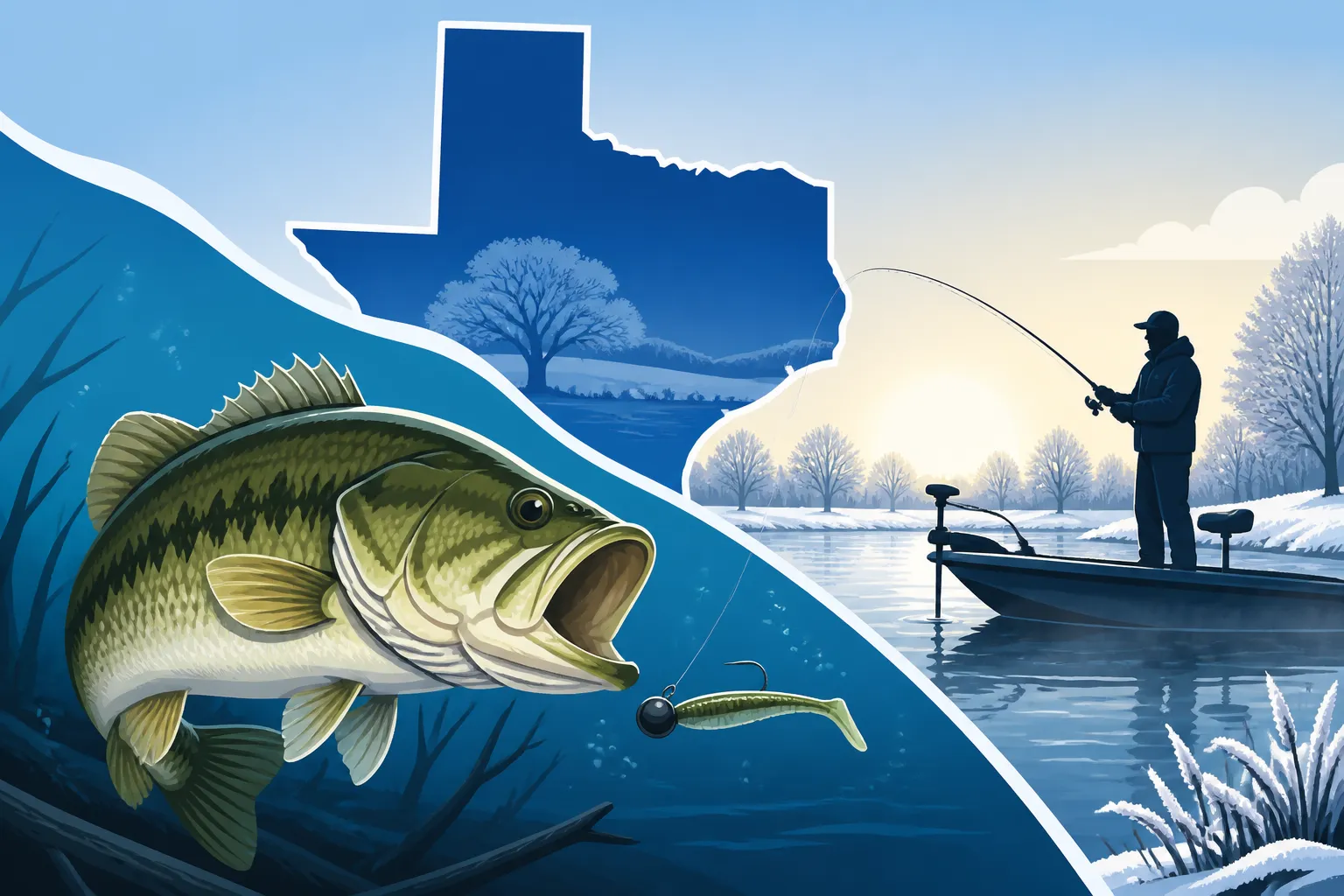
It's easy to feel defeated when the Texas winter rolls in and the temperatures drop. Many anglers just pack it in, thinking the bass fishing season is over until spring. The truth is, bass are still there, they just change their behavior, making them harder to find and entice. This guide is all about equipping you with the knowledge and tactics to consistently catch bass in Texas during the colder months, turning a challenging season into an opportunity for some surprisingly productive fishing.
Understanding Winter Bass Behavior in Texas
Winter fishing often feels like you're trying to crack a secret code, and for good reason! Bass don't just disappear; they adapt to the colder water, and understanding these changes is the first step to putting fish in the boat. It's a different game than the aggressive feeding frenzies of spring or fall, requiring a more nuanced approach.
The Impact of Cold Water on Bass Metabolism
Think of it like us humans in winter. When it's cold, we bundle up, move a little slower, and probably don't crave a huge, heavy meal as often. Bass are much the same. As water temperatures dip below 50-55 degrees Fahrenheit, their metabolism slows significantly. This means they digest food much more slowly and, consequently, don't need to eat as often or as much. They become lethargic, conserving energy, which is why those fast-moving, high-energy retrieves that crush fish in warmer months simply won't cut it. They're not going to expend precious energy chasing down a lightning-fast retrieve when they can just wait for an easy meal to pass by.
This metabolic slowdown also dictates where they'll be. Bass are cold-blooded creatures, meaning their body temperature matches their environment. They'll seek out the most stable and often warmest water available. Even a degree or two can make a huge difference to a bass. Understanding this drive to conserve energy and find thermal refuge is crucial for pinpointing their location.
Where Bass Go in Winter: Deep vs. Shallow
During the coldest parts of winter, bass generally gravitate towards deeper water. This isn't because it's "warmer" in an absolute sense, but because deep water provides a more stable temperature environment. The surface water might fluctuate wildly with cold fronts and sunny days, but deeper sections of the lake tend to hold a more consistent temperature, offering a comfort zone for lethargic bass. They'll often gang up in specific, key areas, rather than being spread out across the lake.
You'll find them congregating around pronounced deep structure like creek channels, especially where those channels bend or intersect other features. Submerged roadbeds, humps, deep ledges, and even isolated stands of timber or brush piles in deeper water can become major bass magnets. These spots offer cover and an ambush point without requiring the bass to move much. Don't completely rule out shallow water, though. On intensely sunny, calm days, especially late in the afternoon, bass might temporarily move into shallower, dark-bottomed pockets or rock piles that absorb heat, but this is usually a short-lived opportunity.
Baitfish Movement and Bass Location
Just like in warmer months, baitfish are the primary food source for bass, and where the bait goes, the bass will follow. In winter, baitfish like shad will also seek out those more stable, deeper waters. They tend to school up much tighter than they do during other seasons, forming dense balls that show up clearly on your fish finder. When you find these tight schools of baitfish, you're often just a stone's throw away from bass. The bass will position themselves strategically around these bait balls, often just below or to the sides, waiting for an opportune moment to ambush.
It's not just about finding the bait, but understanding how the bass relate to it. They're not actively chasing; they're conserving energy. So, you might find them sitting right underneath a school, or slightly off to the side, ready to dart in for a quick meal. Sometimes, a single, isolated big bass will be lurking near a smaller group of bait, waiting for one to stray. Pay close attention to your electronics to identify both the bait and any larger arcs or lines that signify predatory fish.
Essential Gear Adjustments for Winter Bass Fishing
You wouldn't bring a butter knife to a steak fight, right? The same goes for winter bass fishing. The tackle you rely on in the spring and summer often needs a serious overhaul to effectively present baits to cold-water bass. It's all about sensitivity, subtlety, and making those crucial connections with light-biting fish.
Rod and Reel Setups for Finesse Techniques
Winter bass fishing is largely a game of finesse. You're trying to trick sluggish fish into biting, which often means using smaller baits, lighter lines, and extremely subtle presentations. For this, you absolutely need the right rod and reel combination. I typically lean heavily on spinning setups for many of my winter techniques. A good 6'8" to 7'2" medium-light to medium power spinning rod with a fast or extra-fast action is ideal. This rod taper allows you to cast light baits a good distance and provides the sensitivity needed to detect those incredibly faint winter bites, which often feel like nothing more than a slight tick or just "weight" on the line.
Pair this with a smooth, high-quality spinning reel in the 2500-3000 size range. The smooth drag is critical for fighting fish on lighter lines. While spinning gear excels, there are still times for baitcasting setups, especially when throwing slightly heavier jigs or small crankbaits. For those applications, a 7' medium-heavy baitcasting rod with a fast action, paired with a high-quality reel, can work well. The key across the board is sensitivity. If you're looking for a good starting point, check out options like the Daiwa Tatula or Shimano Curado reels on Amazon, they offer excellent sensitivity and smooth performance for the price. You can also explore options from brands like Ugly Stik or St. Croix when looking for Best Fishing Rods for Texas Anglers or Best Fishing Reels for Texas Anglers to get started.
Line Selection and Sensitivity
This might be the single most important gear adjustment for winter bass fishing. Forget about heavy braid or thick monofilament for most presentations. Your go-to line in winter should almost always be fluorocarbon. Fluorocarbon offers several distinct advantages:
- Invisibility: It has a refractive index very similar to water, making it nearly invisible underwater. This is huge when bass are finicky and sitting in clear, deep water.
- Sensitivity: While not as sensitive as braid, it has less stretch than monofilament, transmitting subtle bites much more effectively to your rod tip. This allows you to feel those faint "thumps" or spongy feelings that signify a bass has picked up your bait.
- Abrasion Resistance: It holds up well against sharp rocks and timber, which are often where bass are holding.
For spinning setups, I'm typically using 6 to 10 lb test fluorocarbon main line, sometimes with a slightly lighter leader if I'm fishing extremely clear water with tiny baits. For baitcasting setups, 10 to 14 lb test fluorocarbon is a common choice. Understanding the Braided line vs fluorocarbon for Texas lakes debate, fluorocarbon definitely wins for most winter bass applications due to its invisibility and sensitivity, which are paramount when fish aren't aggressive.
Cold Weather Apparel and Comfort
Let's be real: nobody wants to be miserable on the water. Winter fishing in Texas can be beautiful, but it can also be brutally cold, especially on windy days or early mornings. Staying warm and comfortable is essential, not just for enjoyment, but for maintaining focus and dexterity, which directly impacts your fishing success. Layering is your best friend. Start with a moisture-wicking base layer (merino wool or synthetic), add an insulating mid-layer (fleece or puffer jacket), and top it off with a waterproof and windproof outer shell. Brands like Simms, Bass Pro Shops, or even budget-friendly options found on Amazon offer great cold-weather gear.
Don't forget your extremities! A warm, insulated hat is crucial for retaining body heat. Insulated, waterproof gloves are a must, ideally with flip-back finger tips or touch-screen compatibility so you can still tie knots and use your electronics without fully exposing your hands. And good, waterproof, insulated boots will keep your feet from freezing. Trust me, cold hands and feet will end your trip early and make every cast feel like a chore. Being comfortable means you can stay out longer and focus on the fishing, not on shivering.
Top Lures and Baits for Winter Bass in Texas
When bass are lethargic and hunkered down in the cold, they're not looking for a chase. They want an easy meal that doesn't require much effort. This means our lure selection needs to reflect that, favoring slower, more subtle presentations that tempt them into biting rather than provoking a reaction strike.
Finesse Jigs and Soft Plastics
These are absolute workhorses in the winter months. Finesse jigs, typically in lighter weights (1/4 to 1/2 oz), are fantastic for slowly crawling along the bottom. Pair them with small, compact trailers like a Chigger Craw or a small chunk. Black and blue, green pumpkin, and brown/orange are classic winter colors that mimic crawfish or dormant baitfish. The key is to fish them painstakingly slowly, feeling for every subtle change in bottom composition or a slight tap. A slight drag, a pause, and then another drag – letting the skirt and trailer do the work.
Soft plastics rigged on techniques like a How to fish a Ned rig for bass or a How to fish a drop shot for bass are also incredibly effective. Ned rigs, with their mushroom-shaped heads and small, buoyant plastic worms, stand up off the bottom, presenting an irresistible, easy target. Drop shots allow you to suspend a small plastic bait (like a worm, minnow imitation, or small creature bait) right in the strike zone, above the weight. Both require a slow, subtle shake or dead-sticking approach. Shaky heads with small straight-tail worms are another excellent choice, allowing you to fish vertically or drag slowly. Many anglers find great deals on these specialized lures, especially from brands like Z-Man and Roboworm, on Amazon.
Slow-Moving Crankbaits and Jerkbaits
While finesse rules, there are times when a reaction bite can still be triggered, especially on slightly warmer winter days or when bass are a bit more active. Deep-diving crankbaits are perfect for slow-rolling along deep ledges, creek channels, or humps where bass are holding. Lures like the Strike King 6XD or the Norman DD22 are popular choices. The idea is to make contact with the bottom or structure, then slow your retrieve, allowing the bait to "grind" its way through. Shad patterns (chrome/blue, ghost minnow) and crawfish patterns (red, brown) are highly effective.
Jerkbaits are another winter staple, particularly those that suspend perfectly in the water column when paused. Brands like Megabass Vision 110 or Lucky Craft Pointer are famous for their winter effectiveness. The retrieve is crucial here: a few sharp jerks, followed by a long pause (5-15 seconds, sometimes even longer!), then repeat. The suspending action allows the bait to hang tantalizingly in the strike zone, mimicking a stunned or dying baitfish, which is often too tempting for a lethargic bass to resist. Focus on clear, shad-imitating colors.
Live Bait Considerations
While many bass anglers prefer artificial lures, live bait can be an absolute game-changer in tough winter conditions, especially if you're struggling to get bites on anything else. Live shiners, shad, or even smaller sunfish can be rigged on a simple Carolina rig or suspended under a bobber near deep structure. The natural movement and scent of live bait are often irresistible to even the most sluggish winter bass.
The downside, of course, is the added hassle of keeping live bait, which requires a good livewell or bait bucket, and potentially more specialized rigs. However, if the bite is truly tough, a well-presented live bait can often salvage a slow day. It's important to remember that Texas Freshwater Fishing Regulations apply to the use of live bait, including legal sizes and collection methods, so always double-check the rules before you head out.
Mastering Winter Bass Fishing Techniques
Winter bass fishing isn't just about throwing the right lure; it's fundamentally about how you present it. The techniques are often counter-intuitive to what works in other seasons, demanding patience, precision, and a deep understanding of bass behavior.
Slow, Deliberate Presentations
This cannot be stressed enough: slow down! Whatever lure you choose, from a jig to a jerkbait, your retrieve speed needs to be significantly slower than what you'd typically use. A "slow-roll" on a crankbait means barely turning the handle. A jig should be dragged, nudged, or hopped with the absolute minimum amount of movement. For soft plastics, the "dead-stick" method, where you let the bait sit motionless on the bottom for extended periods, is often incredibly effective.
Imagine a bass in cold water: it's conserving energy, its reaction time is slow, and it's not going to chase anything fast. A bait that barely moves, or pauses for long durations, appears as an easy, non-threatening meal. The strike will often be incredibly subtle—not a violent thump, but a slight pressure, a spongy feeling, or just the line moving sideways. This requires extreme focus and discipline to resist the urge to work your bait faster.
Locating Key Structures and Depths
Finding winter bass is often more challenging than catching them once found. They congregate in specific areas, and if you're not fishing those areas, you're not going to catch them. This is where your electronics become your most valuable tool. Learn How to use a fish finder for bass fishing effectively. Start by idling over potential deep structures like creek channels, main lake points that drop off sharply into deep water, humps, and ledges. Look for schools of baitfish, which often appear as dense clouds on your sonar. Once you find bait, look for larger, distinct arcs or lines underneath or around them – those are often the bass.
Side imaging and down imaging are also incredibly useful for identifying hidden brush piles, standing timber, or rock formations in deeper water that bass will relate to. These are the equivalent of apartment complexes for winter bass. Once you've located a promising area, mark waypoints and fan cast or make vertical presentations to dissect the structure. Don't be afraid to How to read lake contour maps for bass fishing before you even launch, marking potential deep-water sanctuaries.
Targeting Specific Winter Haunts
While deep water is the general rule, the specific "hot spots" within that deep water vary.
- Creek Channels: These act as highways and holding areas. Bass will often position themselves on the bends of the channel, especially where the channel comes close to a main lake point or a flat.
- Deep Ledges and Humps: Bass will sit on top of or along the sides of these features, ambushing bait that moves past. Pay attention to changes in bottom composition – rock, shell, or gravel can hold heat better and attract bait.
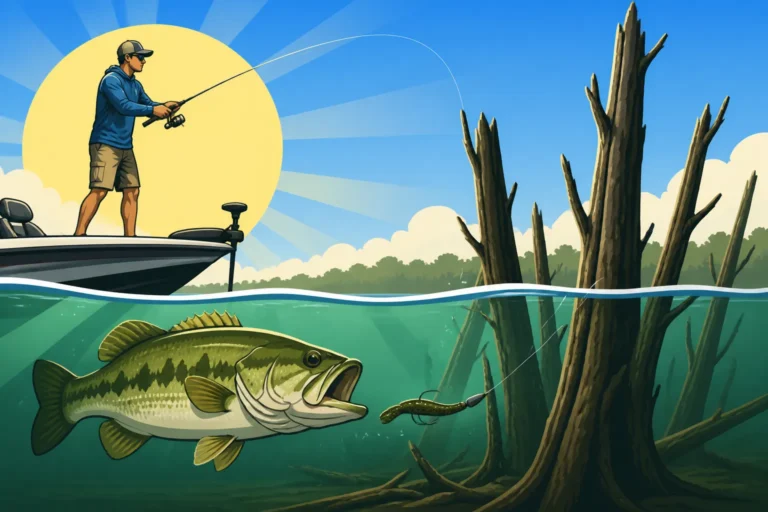
- Standing Timber and Brush Piles: These provide crucial cover and ambush points in deeper water. If you find deep timber, fish it vertically with jigs or spoons.
- Deep Docks: Marinas and deep private docks can hold heat and bait, offering bass a place to hide. Skipping jigs or drop-shotting under these can be very effective.
- North-Facing Banks: Counter-intuitively, on a sunny winter day with a stiff north wind, the north-facing banks (which are actually the south side of the lake) can be a temporary warm-up zone. These banks receive direct sunlight all day and are sheltered from the prevailing cold winds, leading to slightly warmer surface temperatures that can pull bass shallower for a brief feeding window.
Texas Winter Bass Fishing by Lake Type
Texas is a huge state with an incredible diversity of lakes, and while general winter patterns hold true, specific tactics might need to be fine-tuned based on the type of water body you're fishing. What works on a deep, clear reservoir in the Hill Country might not be as effective on a shallow, stained lake in East Texas.
Deep Clear Reservoirs
Lakes like Canyon Lake, Lake Travis, Lake Whitney, and Amistad Reservoir are prime examples of deep, clear impoundments that can be challenging but incredibly rewarding in winter. The clear water means bass rely heavily on sight, and they can be very line-shy. In these lakes, bass will almost exclusively relate to deep structure. You'll find them congregating tightly on main lake points, steep ledges, deep humps, and the edges of creek channels, often in 20-50 feet of water or even deeper.
Vertical presentations are key here. Drop shots rigged with small, translucent worms or minnow imitations are deadly. Spoons, like a 3/4 to 1 oz slab spoon, jigged vertically over a school of bass or baitfish can trigger aggressive reaction bites. Football jigs crawled slowly along rocky bottoms, or even small, heavy blade baits worked with a lift-and-drop motion, are excellent choices. The clarity also means you'll want to use lighter fluorocarbon line, like 6-8 lb test, to avoid spooking the fish.
Stained to Murky Reservoirs
East Texas lakes like Lake Fork, Sam Rayburn Reservoir, and Toledo Bend often have more stained or murky water compared to their Hill Country counterparts. While bass still go deep, the reduced visibility can sometimes mean they won't go as deep, or they might be slightly less finicky. In these lakes, you'll still focus on deep creek channels, submerged timber, and brush piles. The difference might be that bass hold slightly shallower on these deep structures, perhaps 15-30 feet instead of 40-50 feet.
Darker colored jigs (black and blue, junebug) with bulkier trailers can be effective here, as their profile stands out better in stained water. Lipless crankbaits, like a Rat-L-Trap or Bill Lewis Rat-L-Trap, burned and paused over grass beds that might still have some green, can elicit strikes. Spinnerbaits with larger thumping blades (Colorado or Indiana) retrieved slowly over deep timber or along channel edges can also work. Remember, How water clarity changes lure choice dramatically, so darker or more vibrant colors often perform better in stained conditions than natural or translucent ones, especially when considering Best lure colors for stained water.
Rivers and Small Ponds
Don't overlook rivers and smaller ponds for winter bass action. While they might freeze over further north, many Texas rivers and ponds remain fishable throughout winter. In rivers, bass will typically seek out the deepest, slowest-moving holes, often associated with current breaks like fallen trees, rock piles, or sharp bends. Present jigs, shaky heads, or even slowly worked crankbaits into these deep pockets. The fish will be huddled close to the bottom, conserving energy.
Small ponds, especially those with some depth, can also be surprisingly good. Bass will move to the deepest part of the pond and relate to any available structure, be it a brush pile, a submerged pond dam, or even simply the deepest hole. Since these ponds are smaller, they often warm up faster on sunny days, so a late afternoon bite can sometimes materialize. Work smaller finesse baits slowly through the deepest sections. It's important to know that while many small ponds are private, some Texas state parks for fishing offer excellent pond and river access for bank anglers.
Safety and Comfort on the Winter Water
Fishing in winter offers solitude and often less competition, but it also comes with increased risks. Safety on the water, especially when dealing with cold temperatures, should always be your absolute top priority. A successful fishing trip is, first and foremost, a safe fishing trip.
Preparing for Cold Weather Conditions
Before you even think about heading out, check the weather forecast meticulously. Pay attention not just to the air temperature, but also to wind chill and potential for precipitation. A calm, 40-degree day feels much different than a windy 40-degree day with a chance of sleet. Dress in layers, as discussed earlier, and always bring more warm clothing than you think you'll need. It's better to have it and not need it than to need it and not have it. Pack extra hats, gloves, and dry socks in a waterproof bag.
Beyond personal gear, ensure your boat is ready for colder weather. Check your battery terminals, make sure your fuel is treated for cold weather, and ensure all your navigation lights are working perfectly – winter days are shorter, and you might find yourself launching or returning in the dark. Bring hot beverages in a thermos, and high-energy snacks. A survival blanket and a small first-aid kit are also smart additions to your emergency gear.
Hypothermia and Cold Water Safety
Cold water is incredibly dangerous, and even if the air temperature isn't freezing, the water temperature in Texas lakes can easily be in the 40s or low 50s. Falling into water this cold can lead to hypothermia rapidly. Always wear a U.S. Coast Guard-approved personal flotation device (PFD), even if you're an experienced swimmer. Modern PFDs are comfortable and not nearly as bulky as older models, making them easy to wear all day. You can find excellent options, including inflatable PFDs, on Amazon that won't hinder your casting. The Texas Life Jacket Requirements for Boats specify who must wear a PFD, but it's always wise for everyone to wear one in cold water.
Fish with a buddy if possible. If you're alone, always let someone know where you're going and when you expect to return. Be aware of the signs of hypothermia: shivering, clumsiness, confusion, slurred speech. If you or your fishing partner experience these symptoms, get to warmth immediately and seek medical attention. Having a dry change of clothes readily accessible in a waterproof bag can be a lifesaver. Never take cold water conditions lightly.
Disclaimer
Fishing conditions and regulations in Texas can change. Always consult the latest Texas Parks and Wildlife Department (TPWD) Outdoor Annual for the most up-to-date information on licenses, bag limits, and fishing regulations before heading out on the water. This guide is for informational purposes only.