How to Wade Fish for Redfish in Texas
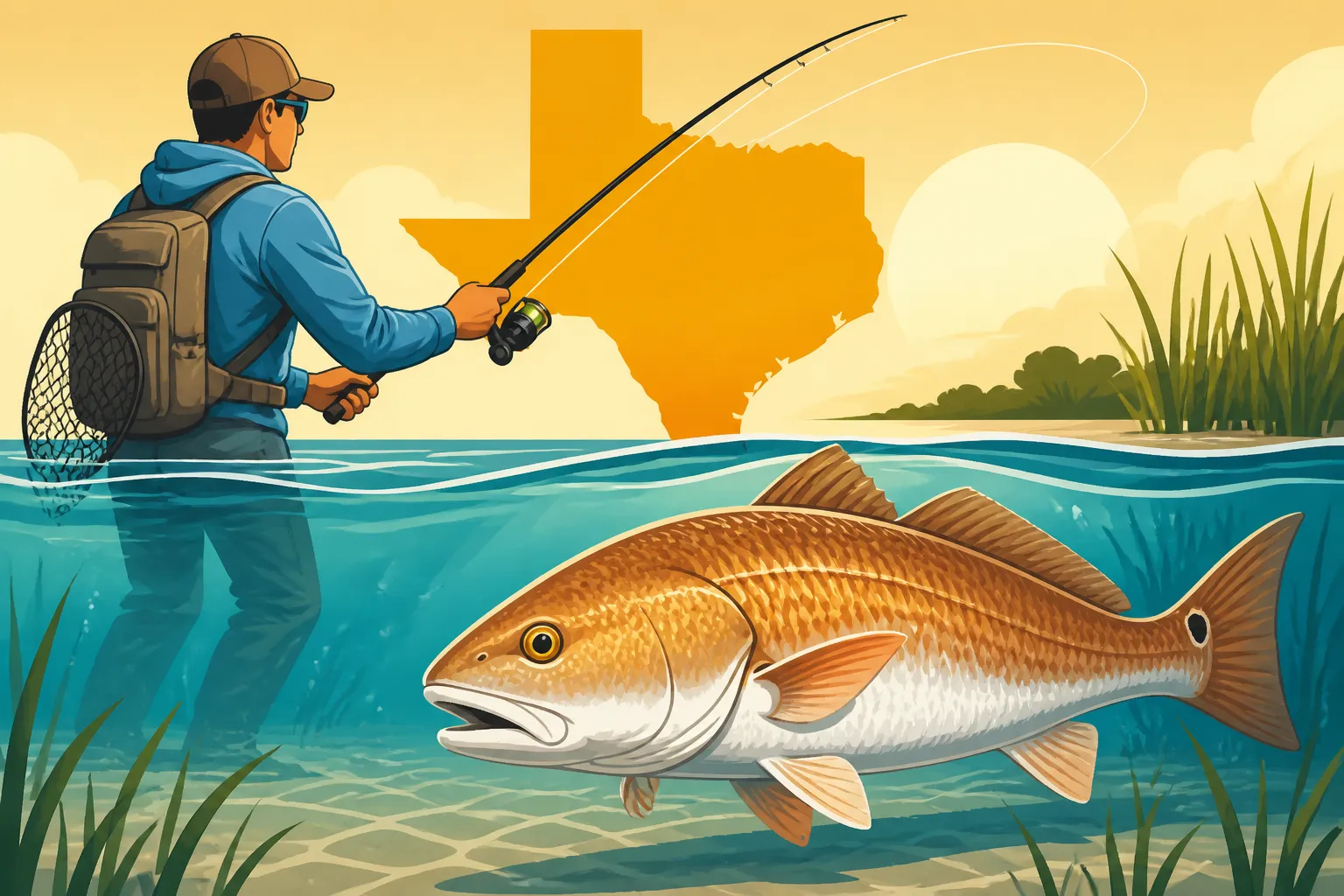
If you've ever dreamt of battling a powerful Texas redfish, but the idea of owning a boat or paying for a charter feels out of reach, you're not alone. Many anglers feel a pang of frustration watching boats motor off to prime spots, believing those trophy reds are just for the deep-pocketed. But what if I told you that some of the most thrilling and effective redfish action happens in water shallow enough to walk in? Wade fishing for redfish in Texas bays is an incredibly rewarding experience that puts you directly into their habitat, offering a unique stealth advantage and an intimate connection with the coastal environment. This guide will walk you through everything you need to know to get started, from gear to finding fish and staying safe.
Why Wade Fishing is a Game Changer for Texas Redfish
Wade fishing isn't just a budget-friendly alternative to boat fishing; it's a superior strategy in many scenarios, particularly when targeting redfish on the vast, shallow flats of the Texas coast. There's a certain magic that happens when you step out of a boat or off the bank and into the water, becoming one with the environment. This method strips away many of the barriers between you and the fish, giving you an edge that even the fanciest bay boat can't always provide.
The Undeniable Advantage of Stealth
Think about it: a boat, even a quiet one, creates a noticeable presence on the water. The hum of a trolling motor, the splash of an anchor, the shadow it casts—all these can alert wary redfish to your approach. When you're wade fishing, you become incredibly stealthy. You can move slowly, deliberately, and silently through the shallows, minimizing disturbance. This quiet approach allows you to get much closer to feeding redfish without spooking them. Imagine seeing a redfish tailing in a foot of water, completely unaware of your presence as you quietly position yourself for the perfect cast. This is the essence of wade fishing.
This stealth isn't just about silence; it's also about vibration. Boats, even kayaks, transmit vibrations through the water, which fish can detect with their lateral lines. When you're wading, your movements are muffled by the water itself and spread out over a larger contact area, making you far less detectable. This is especially critical in clear, calm conditions when redfish are most skittish. You're essentially blending into their world, becoming less of a threat and more a part of the natural landscape, which dramatically increases your chances of a strike.
Accessing Untouched Prime Habitat
Texas bays are riddled with incredibly shallow flats, marsh drains, and hidden back lakes that are simply inaccessible to traditional bay boats. Even many kayaks struggle with the super skinny water where redfish love to feed, especially on a low tide. This is where wade fishing truly shines. You can literally walk into areas that have seen minimal fishing pressure, where redfish are less educated and more aggressive. These are often places brimming with crabs, shrimp, and mullet – the redfish's favorite snacks.
Consider the vast grass flats of places like Mesquite Bay or the intricate marsh systems near the Galveston Bay. These sprawling, nutrient-rich environments are nurseries for baitfish and crustaceans, making them prime feeding grounds for redfish. A boat might get you to the edge of these areas, but only on foot can you truly explore the winding guts, the subtle depressions, and the oyster-laden potholes that hold hungry fish. By accessing these untouched zones, you're putting yourself in a position to encounter more active fish and potentially larger ones that have had less interaction with hooks and lines. It’s like discovering a secret garden where the fish are just waiting for a meal.
Essential Gear for Your Texas Redfish Wade Trip
Before you even think about stepping into the salty embrace of a Texas bay, you need to make sure you've got the right tools for the job. Wade fishing is different from pier fishing or even fishing from a boat. Your gear needs to be robust, reliable, and tailored to the unique challenges of being in the water. Skimping on essentials here can lead to a miserable, or even dangerous, experience.
The Right Rod and Reel Setup
When you're wade fishing for redfish, you're going to be making a lot of casts and often fighting strong fish in shallow water with obstacles. Your rod and reel need to be up to the task. For redfish, I generally recommend a medium to medium-heavy spinning rod, typically in the 7-foot to 7-foot 6-inch range. This length provides excellent casting distance, which is key for staying stealthy, and gives you enough leverage to control a hard-fighting redfish. A fast action tip is preferred as it offers sensitivity to detect subtle bites and quick hook sets.
Pair that rod with a high-quality, corrosion-resistant spinning reel in the 3000 to 4000 series size. Brands like Shimano, Daiwa, or Penn make excellent saltwater-specific reels that can withstand the harsh conditions. A good reel will have a smooth drag system, which is crucial for fighting big reds that want to run. Spool your reel with 15-20 lb braided line, known for its incredible strength and sensitivity. For a leader, I use 20-30 lb fluorocarbon; it's virtually invisible underwater and offers excellent abrasion resistance against rough oyster shells and redfish teeth. Getting your line and leader right is part of mastering effective Texas Saltwater Fishing Techniques. Don't forget to practice tying strong knots!
Footwear, Waders, and Sun Protection
This is arguably the most critical section for wade fishing comfort and safety. You cannot, under any circumstances, wade fish the Texas coast barefoot or in flip-flops. Oyster shells are razor sharp, and stingrays are prevalent, especially in warmer months. You need sturdy, puncture-resistant wade fishing boots or shoes with good ankle support. Neoprene boots, often found on Amazon, are a popular choice because they protect your feet and provide good grip on muddy or shell-laden bottoms. Some anglers prefer old tennis shoes, but they offer less protection.
Depending on the time of year, you'll either be wearing waders or just shorts and sun protection. In cooler months (late fall through early spring), breathable chest waders are essential. They keep you dry and warm, allowing you to fish comfortably even when the water temperature drops. In the scorching Texas summer, breathable lightweight shorts or quick-dry pants are the way to go, but sun protection becomes paramount. This means a wide-brimmed hat, sunglasses (polarized are a must for spotting fish – look for "Best sunglasses for spotting redfish in shallow water" to see some great options), and long-sleeve, UPF-rated fishing shirts. Many anglers even wear neck gaiters or buffs to protect their face and neck from the relentless Texas sun. Staying hydrated is also incredibly important, so bring plenty of water.
Tackle, Leaders, and Line Choices
Your tackle selection for redfish should be streamlined for wade fishing. You won't have the luxury of a huge tackle box, so bring only what you need. Soft plastics are king for redfish. Popular choices include paddle tail baits, jerk shads, and Gulp! Shrimp, often rigged on a 1/8 to 1/4 ounce jig head. These mimic the baitfish and shrimp that redfish feast on. Gold spoons are also incredibly effective, especially when redfish are chasing bait. Topwater lures can be explosive in low light conditions or when reds are particularly aggressive. You can find many of these versatile lures and baits on Amazon.
As mentioned, braided main line (15-20 lb) connected to a fluorocarbon leader (20-30 lb) is the standard setup. The leader provides abrasion resistance and makes your presentation less visible to the fish. I recommend carrying pre-tied leaders or a small spool of fluorocarbon to tie new ones as needed. Hooks should be stout enough to handle strong fish, and a variety of jig head weights (1/8 oz to 3/8 oz) will allow you to adapt to different depths and currents. For more ideas on what to throw, check out a guide on the Best Bait and Lures for Texas Fishing. Don't forget a small pair of pliers or forceps for hook removal.
Reading the Water: Where to Find Redfish While Wading
Finding redfish when you're wading isn't about GPS coordinates or dropping anchor in a known spot; it's about observation, understanding, and intuition. You become a hunter, actively seeking out signs of life and prime feeding grounds. This takes practice, but once you learn to "read" the water, you'll consistently find fish.
Understanding Tides and Current
Tides are the lifeblood of any bay system, and understanding their influence is paramount for wade fishing success. Redfish are highly opportunistic feeders, and their movements are largely dictated by the ebb and flow of the tide, which pushes bait in and out of prime feeding areas. A rising tide will often push redfish onto shallow flats, into marsh guts, and around oyster reefs as they follow the incoming water and newly accessible food sources. They’ll spread out and patrol these areas, looking for crabs, shrimp, and small baitfish.
Conversely, a falling tide can concentrate redfish, pulling them out of the super shallow areas and into slightly deeper guts, channels, or the edges of flats where they lie in wait for bait being washed out. Strong currents can also create ambush points, so look for areas where moving water is constricted or creates eddies, such as around points, islands, or deeper cuts. Knowing how to interpret the tide charts for your specific fishing location, like when to expect the peak incoming or outgoing flow, will dramatically increase your chances of being in the right place at the right time. This is a critical aspect of How to catch redfish in shallow water.
Key Structures and Forage Indicators
Redfish, like many predators, are drawn to structure and areas where food is abundant. When you're wading, keep an eye out for these key indicators:
- Grass Beds: Healthy seagrass beds are nurseries and feeding grounds. Redfish will patrol the edges of these beds, or even push through sparse areas within them, ambushing prey. Potholes (sand patches within the grass) are particularly good ambush points.
- Oyster Reefs: These jagged structures are absolute redfish magnets. They hold bait, provide ambush points, and offer cover. Be extremely careful wading near them, as oysters are incredibly sharp. Focus on the edges or pockets around the reefs.
- Slight Depressions and Channels: Even a few inches of extra depth can be a significant attractant, especially on low tides or hot days when reds seek cooler water.
- Shoreline Features: Points, coves, and drains along the mainland or island shorelines can hold fish.
- Baitfish Schools: The most obvious indicator! Look for schools of mullet, pilchards, or other baitfish. If they're nervous, jumping, or being busted on the surface, reds are likely nearby. Birds diving or feeding can also point to active bait.
These are the features you’ll find in some of the Best Places to Fish in Texas when targeting redfish. Always be observant, looking for any deviation from the norm that might indicate a prime feeding zone.
Spotting Redfish: The Art of the Hunt
This is where wade fishing becomes truly exciting and challenging: sight fishing. The ability to spot a redfish before it sees you is a skill that takes time to develop, but it's incredibly rewarding. You're looking for subtle clues on the water's surface.
- Tails: The classic "tailing redfish." When redfish are rooting in the mud or grass for crabs and shrimp in very shallow water, their tails will break the surface. This is a dead giveaway.
- Wakes: As a redfish moves through shallow water, it pushes a "wake" or "push." This is often a V-shaped ripple on the surface that moves without any visible cause. Learn to differentiate it from boat wakes or wind chop.
- Nervous Water: This is a general term for any unnatural disturbance on the surface—small splashes, subtle ripples, or a sudden change in the water's texture—that might indicate fish activity below.
- Color Changes: Redfish themselves can be surprisingly camouflaged against the bottom, but sometimes you'll catch a glimpse of their distinctive bronze-gold flash as they turn, or a darker shadow moving against a light bottom.
To effectively spot redfish, you need to move slowly, deliberately, and always scan the water ahead. Polarized sunglasses are absolutely non-negotiable for this. They cut the glare off the water, allowing you to see into the depths. Early morning or late afternoon with a low sun angle can sometimes help, but direct overhead sun (assuming clear skies) can also be excellent for visibility. For specific locations, you might want to look into Galveston Bay Fishing Spots, which are popular for wade fishing and offer excellent sight-casting opportunities. Remember, patience and a keen eye are your best friends when learning How to sight cast for redfish.
Mastering Redfish Wade Fishing Techniques
So you’ve got your gear, you know where to look, and you've spotted a redfish. Now comes the crucial part: getting that fish to bite. Wade fishing techniques require a blend of stealth, precision, and the right presentation. It's an art form, really, and each cast is an opportunity to learn.
Stealthy Approach and Casting Strategies
The moment you spot a redfish, your heart rate will undoubtedly quicken – it happens to us all! But this is precisely when you need to slow down and be deliberate. Your approach is critical. Avoid splashing or making sudden movements. If you're walking, shuffle your feet to minimize noise and avoid startling stingrays (more on that later). Work to stay downwind of the fish if possible, as wind can carry sound and scent. Always keep a low profile; the closer you are to the water, the less visible you are to the fish.
When it comes to casting, accuracy is key. You generally want to cast well past and beyond the fish, then retrieve your lure through its strike zone. This avoids spooking the fish with a direct overhead cast and presents the lure as something approaching naturally. A long cast is often better than a short one, as it helps maintain that crucial distance. A common strategy is "fan casting," where you cast in a fan-like pattern, covering different angles and distances around your position before moving. This allows you to thoroughly work an area where you suspect fish might be, even if you haven't directly spotted them. Practice your casting at home; being able to consistently hit a target at 30-40 yards will make a huge difference. For insights into timing, consider reading up on the Best time of day to catch redfish.
Lure Selection and Presentation
Matching the hatch is often touted, but with redfish, they're not always picky. However, knowing what's generally effective is a good start.
- Soft Plastics: These are your bread and butter. Paddle tails in natural colors (chartreuse, pink, white, root beer, or clear with glitter) on a 1/8 to 1/4 ounce jig head are incredibly versatile. Work them with a slow, steady retrieve or short hops off the bottom, mimicking a fleeing shrimp or baitfish. A good retrieve mimics the erratic movement of natural prey.
- Spoons: Gold spoons, like those from Johnson Silver Minnow, are timeless redfish producers. Their flash and wobble imitate fleeing baitfish. A steady retrieve or a "spoon jig" (lift-fall) technique works wonders.
- Topwater Lures: Think MirrOlure, Skitter Walk, or Super Spook. These are exhilarating to use, especially in low light. "Walking the dog" with a topwater lure, making it zig-zag across the surface, can trigger explosive strikes.
- Live Bait: While many wade anglers prefer artificials, a live shrimp or a finger mullet under a popping cork can be deadly, especially if the fish are finicky. Just make sure you're keeping it lively and fresh.
Experiment with your retrieve speed and action until you find what the fish want. Sometimes a slow, methodical retrieve is best; other times, an aggressive, erratic presentation will trigger a strike. Always try to present your lure naturally, making it look like an easy meal.
Fighting and Landing Redfish in Shallow Water
So, you got a bite! Now the real fun begins. Redfish are powerful fighters, especially in shallow water where they can really dig in and run. Keep your rod tip up, maintaining constant pressure to prevent slack line, which can lead to pulled hooks or tangles in the grass. A smooth drag is essential here; let the fish run when it wants to, but regain line whenever possible.
In shallow water, redfish tend to make strong, short runs. Be mindful of any structure (oyster reefs, fallen branches) that the fish might try to wrap your line around. Try to steer the fish away from these obstacles. When the fish gets close, it's generally best to guide it towards you gently. Don't try to horse it in. Most wade fishermen will use a lip gripper or simply grasp the fish firmly behind the head for quick unhooking. This is crucial for adhering to Texas Redfish Size and Bag Limits and for ensuring a healthy release if it's not a keeper. A landing net can be awkward to carry while wading, so many anglers opt for a quick grab and release.
Safety First: Important Considerations for Wade Fishing
Wade fishing is an incredible experience, but it’s crucial to remember you’re immersing yourself in a wild environment. Texas bays, while beautiful, come with their own set of challenges and potential hazards. Prioritizing safety will ensure your trip is enjoyable and incident-free.
Protecting Yourself from the Elements
The Texas sun is no joke, especially during the long summer months. Heatstroke and severe sunburn are real risks. Always wear appropriate sun protection: a wide-brimmed hat, sunglasses, and UPF-rated long-sleeve shirts and pants are a must. Reapply sunscreen frequently, particularly if you’re sweating or in the water. Hydration is also paramount. Carry plenty of water—more than you think you’ll need. A small, waterproof backpack or cooler like those available on Amazon, can hold your water, snacks, and other essentials. In cooler months, hypothermia can be a concern. Invest in good quality, insulated waders and layers of clothing. Always check the weather forecast before heading out. Unexpected cold fronts can drop temperatures rapidly.
Navigating the Terrain and Wildlife
This is perhaps the most unique safety aspect of wade fishing. You are literally walking through the habitat of various creatures.
- Stingrays: The biggest concern. Stingrays bury themselves in the sand or mud, and if you step on one, it can inflict a painful, venomous barb wound. The solution is the "stingray shuffle." Instead of lifting your feet, shuffle them along the bottom. This disturbs the sand and gives any hidden ray a chance to swim away before you step directly on it. This shuffle is ingrained in every experienced Texas wade fisherman.
- Oyster Shells: As mentioned, these are razor sharp. Your wade fishing boots must have thick soles to prevent punctures. Even with good boots, exercise caution.
- Snakes and Alligators: While less common in the open bay flats, snakes and alligators can be present in marshy areas, brackish creeks, or deeper channels. Always be aware of your surroundings, especially near denser vegetation. Give these animals a wide berth.
- Currents and Drop-offs: Pay attention to the tides and currents. Strong currents can be dangerous, especially if you venture too far out or into a deep channel. Be aware of your footing and potential sudden drop-offs in the bottom contour.
A simple yet effective safety measure is to carry a wading staff. It helps you gauge depth, provides stability, and can be used to probe the bottom ahead of you for hazards.
Communication and Emergency Preparedness
Never wade fish alone, especially in unfamiliar areas. A buddy system is ideal. If you must go solo, always let someone know exactly where you are going, your expected return time, and have a reliable way to communicate. A fully charged waterproof cell phone in a dry bag is essential. Consider carrying a whistle to signal for help. If you're going into more remote areas, a personal locator beacon (PLB) could be a worthwhile investment. Always be familiar with the area you are fishing and have a plan for how to exit the water quickly if conditions change (e.g., a sudden storm rolls in). Understanding Texas Saltwater Fishing Regulations also means knowing what emergency equipment is recommended or required on a boat, even if you’re just wading nearby.
Preserving the Resource: Responsible Wade Fishing Practices
As anglers, we have a responsibility to be good stewards of the environment and to ensure healthy fish populations for future generations. Wade fishing offers a unique intimacy with the ecosystem, which makes responsible practices even more critical.
Catch and Release Best Practices
While Texas has generous bag limits for redfish, many wade anglers practice catch and release, especially for the larger "bull reds" that are often out of the legal slot limit. Proper handling is vital to ensure released fish survive.
- Minimize Handling Time: Get the fish unhooked and back in the water as quickly as possible.
- Wet Hands Only: Always wet your hands before touching a fish to protect its slime coat, which is crucial for its health and protection against disease.
- Support the Fish: If you need to lift the fish for a quick photo, support its body horizontally. Avoid holding it vertically by the jaw or tail, especially large fish, as this can damage its internal organs or spine.
- Barbless Hooks: Consider using barbless hooks or pinching down the barbs on your hooks. This makes hook removal much easier and quicker, reducing stress on the fish.
- Revive If Necessary: If a fish is lethargic after the fight, hold it gently in the water, facing into the current, until it regains its strength and can swim away on its own.
Following these practices helps maintain healthy redfish populations, which is important for the overall health of the bay system. Also, always know your Texas Redfish Size and Bag Limits before you go.
Respecting the Environment and Other Anglers
A beautiful fishing spot can quickly be ruined by litter. Practice the "pack it in, pack it out" rule. Whatever you bring with you, take it back home—this includes discarded fishing line, lure packaging, and food wrappers. Even biodegradable items should be packed out. Leave no trace of your presence.
Our Texas bays are shared spaces. When you encounter other anglers, whether they're wading, fishing from kayaks, or on boats, be respectful. Give them ample space, avoid cutting them off, and keep noise levels down. If someone is working a flat, don't walk directly in front of them or cast over their lines. A friendly nod or a quiet greeting goes a long way. Preserving the peace and natural beauty of these environments is a collective effort, and it ensures that the unique tranquility of wade fishing can be enjoyed by everyone for years to come.
Disclaimer
The information provided in this guide is for general informational purposes only. Fishing regulations, conditions, and safety recommendations can change. Always consult the official Texas Parks and Wildlife Department (TPWD) website for the most current regulations and safety guidelines before engaging in any fishing activities. Wade fishing involves inherent risks; always prioritize your safety and be prepared for potential hazards.