How many hooks can you legally use on a jugline
There's nothing quite like the anticipation of checking your juglines, hoping for that big blue or flathead catfish. It's a method that harkens back to simpler times, a patient angler's game. But let's be honest, trying to keep up with all the specific fishing regulations in Texas can feel like navigating a maze blindfolded. Many folks, myself included, have scratched their heads wondering about the nitty-gritty details, especially something as seemingly straightforward as how many hooks you can legally use on a jugline. Get this wrong, and your relaxing day on the water can quickly turn into a headache with a game warden. This comprehensive guide is here to clear up that confusion, explain the rules thoroughly, and offer practical advice to make sure your juglining adventures are always above board and stress-free.
The Clear Cut Rule: How Many Hooks on a Texas Jugline?
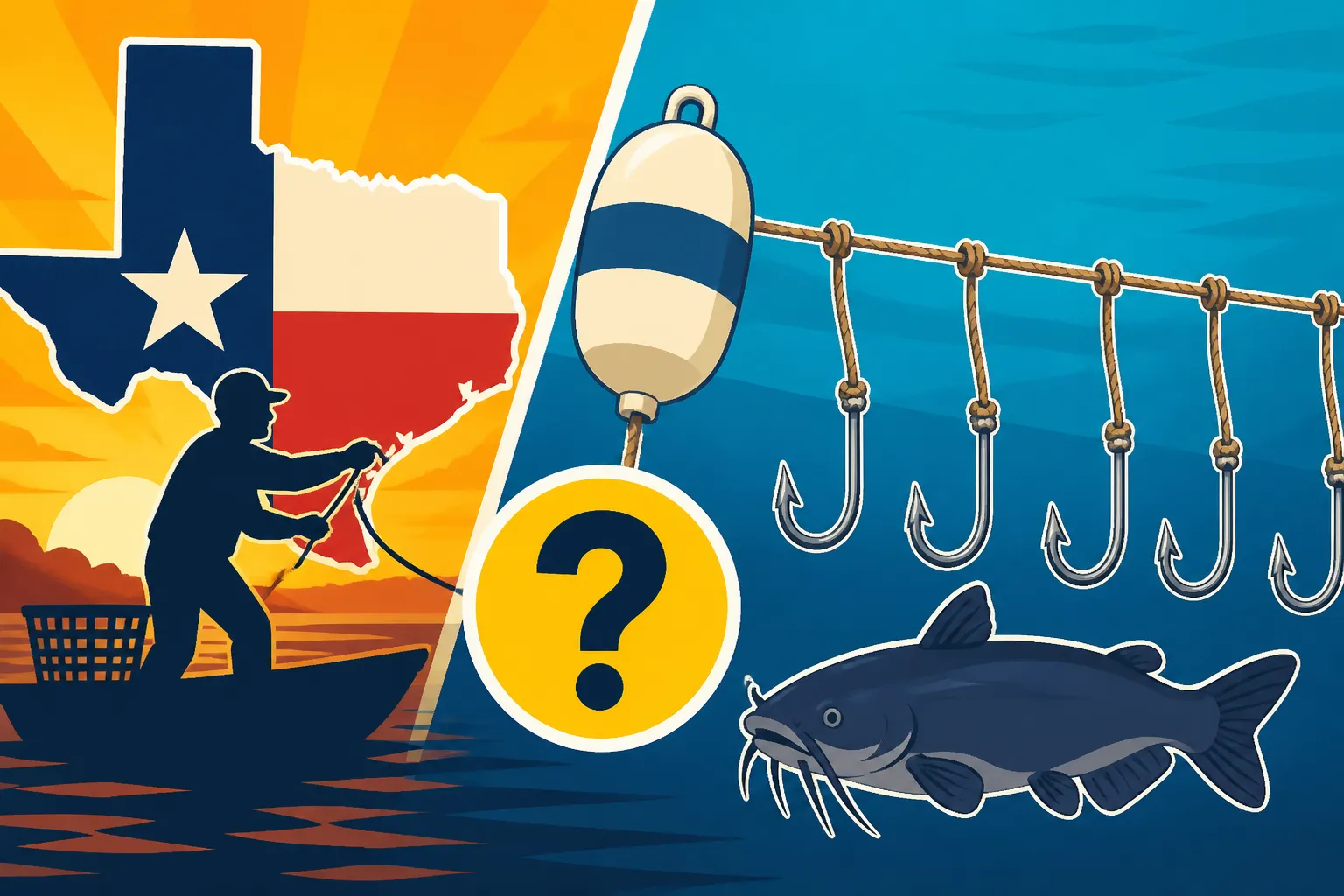
Let's get right to the heart of it: in Texas, you are legally limited to two hooks per jugline. That’s it. Not three, not four, and certainly not a whole string of hooks. It’s a pretty straightforward rule, but one that’s absolutely crucial to adhere to if you want to avoid penalties.
Now, when we talk about a "jugline," the Texas Parks and Wildlife Department (TPWD) has a specific definition in mind. It's not just any old line with a float. Officially, a jugline is essentially a fishing line suspended vertically by a float, typically a plastic bottle, a foam noodle, or a specialized jug, with bait attached to one or two hooks. These lines are free-floating or anchored, but they're distinct from trotlines, which are stationary lines with multiple hooks stretched horizontally across the water. Understanding this distinction is key because the rules for trotlines are entirely different from those for juglines. For a full rundown on these regulations, you might want to check out our guide on Texas Trotline and Jugline Rules.
Beyond the two-hook limit per individual jugline, there's another important layer to this regulation: an individual angler is limited to operating no more than 20 juglines at any given time. So, while each of your juglines can only have two hooks, you can have up to twenty of these two-hook setups in the water. This means, theoretically, you could have up to 40 hooks in the water at once, provided they are distributed correctly across 20 separate juglines. It's a generous allowance for recreational anglers, allowing you to cover a decent area without risking overharvest or entanglement issues that larger, unregulated sets might cause.
The "Why" Behind the Two-Hook Limit
You might wonder, why such a specific limit? Why two hooks, not one or three? These regulations aren't just arbitrary rules dreamt up to make life difficult for anglers. There’s a solid rationale rooted in conservation, ethical angling, and maintaining the ecological balance of our precious Texas waterways.
Firstly, a primary concern is preventing overharvest. Imagine if anglers could string dozens of hooks on a single jugline, or deploy an unlimited number of lines. The potential for taking an excessive number of fish, particularly popular species like catfish, would be immense. Texas takes its fishery management very seriously, and rules like the two-hook limit help ensure that fish populations remain healthy and sustainable for future generations of anglers. It's about giving everyone a fair shot at catching fish, rather than allowing a few individuals to deplete a resource. This ties directly into broader Texas Freshwater Fishing Regulations that aim to manage species populations responsibly.
Secondly, these limits are about fair chase and minimizing waste. Juglining is a passive method, meaning you set it and come back later. With too many hooks or lines, it becomes incredibly difficult to monitor each one effectively. Fish caught on excessive hooks might go unnoticed for longer periods, leading to increased mortality or spoilage. The two-hook limit per line, combined with the 20-line maximum, encourages anglers to maintain a reasonable spread that they can manage and check regularly, ensuring that caught fish are handled promptly and ethically. It reduces the likelihood of "ghost fishing," where lost or abandoned lines continue to catch and kill fish without being retrieved.
Lastly, these rules also consider safety and shared water use. Imagine boaters trying to navigate a lake dotted with hundreds of juglines, some with long, multi-hook leaders. It would be a navigational nightmare and a safety hazard. The defined limits help minimize entanglement risks for boats, swimmers, and wildlife. They also promote responsible use of public waters, ensuring that one angler's pursuit doesn't impede another's enjoyment or safety. These regulations are part of a larger framework designed to protect not only the fish but also the environment and all its users.
Rigging Up Your Legal Texas Juglines
So, you understand the rules. Now, let’s talk practical application. Setting up your juglines correctly and legally is just as important as knowing the hook limit. It's not just about compliance; it's about efficiency and success on the water.
Choosing Your Components Wisely
Your jugline setup doesn't need to be complex, but quality components make a difference.
- The Float: This is your "jug." While many folks use repurposed plastic bottles, dedicated fishing jugs made of foam or plastic are more durable and often brightly colored for better visibility. You can find excellent options on platforms like Amazon, offering everything from simple foam noodles to more robust, weighted jugs designed for stability in windy conditions.
- The Line: Most jugliners opt for strong monofilament or braided line. For catfish, especially those trophy blue cats and flatheads, you'll want something stout. Think 50-80 lb test for main lines, connected to a sturdy leader. The main line's length will depend on the depth of the water you're fishing.
- Weights: Depending on whether you want your jugline to drift freely or stay anchored, you'll need appropriate weights. A simple lead sinker can keep your bait at a desired depth, while heavier weights or even rebar can anchor a jugline in a specific spot.
- Swivels: Heavy-duty barrel swivels are your friends here. They prevent line twist, especially when battling a strong fish, and help protect your knots. Attach one at the main line to leader connection, and another for your hook setup if you're using a dropper rig.
- Hooks: This is where the two-hook rule comes into play. You can use two single hooks, or even two treble hooks, as long as each separate attachment point to the main line constitutes one of your two allowed hooks. Circle hooks are a fantastic choice for juglining for catfish because they are self-setting and tend to hook fish in the corner of the mouth, reducing gut-hooking and making for easier release if you're practicing catch and release, or simply meeting length limits. Make sure they are sharp and appropriately sized for the bait and target species. Our Texas Catfish Species Guide offers great insights into what you might be targeting.
The Crucial Step: Gear Tagging
This is a step many new jugliners, and even some seasoned ones, unfortunately overlook, and it's absolutely non-negotiable in Texas. Every single jugline you deploy must be legibly marked with your full name and address, or your TPWD customer number. This isn't optional; it's a legal requirement. Think of it as your line's identification tag. You can use waterproof markers on plastic floats, or attach a small, durable tag. For more details on this, be sure to read up on Texas Gear Tag Requirements for Trotlines and Juglines. Game wardens routinely check for these tags, and a missing or illegible tag can result in a citation. This rule helps the TPWD identify abandoned gear and enforce regulations.
Putting It All Together for a Legal Setup
Let’s visualize a legal two-hook jugline:
- Float: A bright yellow foam jug with your name and customer number clearly written on it.
- Main Line: A section of 60 lb monofilament, say 15-20 feet long, tied securely to the jug.
- Swivel & Weight: A heavy-duty barrel swivel connected to the main line, followed by a lead sinker (if anchoring) or just letting it drift.
- Leaders: From the swivel, you can have two separate leaders, each ending in a single hook. Or, you could have one leader with two snelled hooks spaced a foot or two apart. Both count as two hooks.
A common and effective rigging method involves a weight at the very bottom, with two snelled hooks tied into dropper loops above the weight. This ensures your bait is presented off the bottom. Remember to apply your bait carefully. For best results, consider consulting guides like How to Catch Catfish in Texas and Best Bait and Lures for Texas Fishing.
Common Missteps and How to Steer Clear of Them
Even with the best intentions, it's easy to make mistakes that could land you in hot water. Being aware of these common pitfalls can save you a lot of hassle and potential fines.
The "Just One More Hook" Temptation
The most obvious mistake, of course, is exceeding the two-hook limit per jugline. It might seem harmless to add "just one more" hook, especially if you're having a slow day. However, game wardens are well-versed in these rules, and they'll count every single hook. Even if you're using a commercially made jugline that comes pre-rigged with more than two hooks, it's your responsibility to ensure it complies with Texas law. Always check the packaging or modify the setup if necessary. Ignorance of the law is never an excuse.
Forgetting Your Gear Tags
As mentioned earlier, neglecting to properly tag your juglines is a common oversight. Whether you simply forget, the tag falls off, or the information becomes illegible, it’s a violation. Before deploying any jugline, double-check that each one has your complete name and address or your TPWD customer number clearly displayed. This rule also applies to Texas Trotline and Jugline Rules, so be consistent across all your passive gear.
Exceeding the 20-Jugline Limit Per Angler
While 20 juglines can feel like a lot, it's not uncommon for enthusiastic anglers to bring a few extra. Remember, this limit is per person. If you're fishing with a friend, each of you can deploy up to 20 lines, but you can't pool your allowance and put out 40 lines under one person's name. Make sure you know exactly how many lines you've got in the water and that you're within your individual limit. Also, ensure you have a valid Texas Fishing License Requirements Explained before even thinking about setting out your lines. If you're caught without one, the Fine for fishing without a license in Texas can be substantial.
Fishing in Restricted Waters
Not all waters are open to juglining. Some lakes, rivers, or specific sections of waterways may have restrictions on gear types, including juglines. Always check the specific regulations for the body of water you intend to fish. For instance, parts of the Guadalupe River, known for its trout, might have very different rules than a large reservoir like Lake Livingston, which is famous for its catfish. A quick check of the TPWD Outdoor Annual or their website before your trip can save you a lot of grief.
Failing to Check Lines Regularly
While not explicitly a "hook limit" issue, it's a related responsibility. Juglines are passive gear, but they aren't "set it and forget it" equipment. TPWD regulations require juglines to be checked at least once every 24 hours. This is crucial for the ethical harvest of fish and to prevent spoilage. It also gives you the opportunity to retrieve any lines that may have drifted into sensitive areas or become snagged.
By being mindful of these common mistakes, you can ensure your juglining trips are not only successful but also fully compliant with Texas law. Always prioritize responsible and ethical angling practices, and when in doubt, consult the official TPWD Outdoor Annual.
Legal Jugline Summary Table
To make things easy, here’s a quick overview of the key legal requirements for juglines in Texas:
| Requirement | Legal Stipulation | Why it Matters |
|---|---|---|
| Hooks per Jugline | Max of 2 hooks per individual jugline. | Prevents overharvest, ensures fair chase, minimizes waste. |
| Total Juglines | Max of 20 juglines per person. | Manages overall fishing pressure, allows reasonable coverage for anglers. |
| Gear Tagging | Each jugline must be legibly marked with full name & address OR TPWD customer number. | Identifies ownership, prevents abandoned gear, aids enforcement. |
| Checking Frequency | Must be checked at least once every 24 hours. | Ensures ethical harvest, prevents spoilage, allows timely retrieval. |
| Location | Must be set in legal waters (check local regulations for restrictions). | Protects sensitive habitats, prevents interference with other water users. |
| License | A valid Texas fishing license (with appropriate endorsements) is required. | Supports conservation efforts, funds wildlife management (see How to Get a Texas Fishing License). |
Final Thoughts on Responsible Juglining
Juglining is a fantastic way to enjoy the tranquil waters of Texas and put some delicious catfish on the table. It's a method that emphasizes patience and knowledge of your local fishery. By diligently adhering to the two-hook limit per jugline and all the associated regulations, you're not just avoiding trouble; you're actively contributing to the health and sustainability of Texas's aquatic resources. Remember, responsible anglers are the backbone of conservation. So, gather your gear—maybe grab some durable jugs and quality hooks from Amazon—tag your lines, and head out to enjoy the quiet thrill of juglining, knowing you're doing it the right way. Don't forget to keep an eye on things, whether it's checking your line frequently or monitoring the Texas Fishing Seasons Month by Month to know when the bite is best.
Disclaimer
Please note that fishing regulations can change. While this guide provides the most current information available, it is always the angler's responsibility to consult the latest official Texas Parks and Wildlife Department Outdoor Annual or website before fishing to ensure full compliance.