Best early morning fishing spots in summer
The brutal Texas summer sun can quickly turn a peaceful fishing trip into a sweaty, uncomfortable endurance test, often leaving anglers wondering if it's even worth casting a line. But don't hang up your rods just yet! This comprehensive guide is here to unravel the mysteries of finding the best early morning fishing spots across the Lone Star State, helping you beat the heat and maximize your chances of a successful catch before the day truly heats up.
The Allure of Dawn Patrol: Why Early Mornings Reign Supreme in Texas Summer
There's a reason why the most dedicated anglers are often found on the water well before the sun fully clears the horizon. In the unforgiving Texas summer, those pre-dawn and early morning hours aren't just a tradition; they're a strategic necessity. If you've ever found yourself baking under a midday sun, watching the fish scatter and your enthusiasm wilt, you already know the frustration. Early morning offers a critical window of opportunity that seasoned fishermen swear by.
Beating the Brutal Heat for Both Fish and Anglers
Let's be honest, fishing in 100-degree weather isn't fun for anyone, least of all the fish. As the sun climbs higher, water temperatures rise, often pushing fish deeper into cooler, more stable environments or into dense cover where they become lethargic and less willing to feed. For us anglers, it's a matter of comfort and safety. Early mornings provide significantly cooler ambient temperatures, making it far more enjoyable and safer to be out on the water. You can focus on your technique and the subtle bites, rather than constantly wiping sweat from your brow and chugging water. It's about preserving your energy and your patience.
Imagine launching your boat while the air is still crisp, a light mist hanging over the water, and the only sound is the gentle lapping of waves against the hull. This serene experience is a stark contrast to the blazing sun and crowded ramps of midday. This earlier start means you're already settled into your spot, maybe even with a few fish in the livewell, by the time many people are just finishing their first cup of coffee. It's truly the best way to enjoy How to Fish in Hot Texas Summers without melting.
Prime Feeding Times for Fish
Just like us, fish tend to be more active and comfortable during cooler parts of the day. As water temperatures drop overnight, baitfish become more active, and predatory species like bass, redfish, and catfish capitalize on this. This makes dawn one of the most productive feeding windows. From about an hour before sunrise to a couple of hours after, you'll often find fish moving out of their nighttime resting areas, cruising shallower waters, and actively hunting.
Think about it from a fish's perspective: the low light conditions also provide an advantage. They can ambush prey more effectively without being as easily spotted themselves. Topwater lures, in particular, can be incredibly effective during these hours, as fish are often looking up for an easy meal. This peak activity tapers off as the sun gets higher and the water warms, driving them back to deeper, cooler havens. Understanding these patterns is key to having a successful trip, and it's a huge component of the Best Time of Year to Fish in Texas.
Less Crowded Waters and Ramps
One of the often-overlooked benefits of being an early bird is the sheer peace and quiet. Public boat ramps can become a chaotic circus by mid-morning, with long lines, impatient drivers, and general congestion. Popular fishing spots, piers, and even stretches of shoreline can be shoulder-to-shoulder with other anglers. By getting out there before the rush, you gain first access to prime locations and don't have to contend with boat traffic, jet skis, or other recreational users creating disturbances.
This means you can fish your chosen spot thoroughly, without feeling rushed or like you're competing for space. It's a much more relaxing and productive experience. For example, popular bass lakes like Lake Fork or Sam Rayburn can get incredibly busy, but in the pre-dawn hours, you might have entire coves to yourself, allowing you to patiently work through different baits and techniques without interruption. This is particularly valuable when you're targeting specific fish or trying out new methods.
Scouting Your Summer Dawn Hotspots: What to Look For
So, you're convinced that early mornings are the way to go. But where exactly should you cast your line? Not every spot is created equal when the sun is just peeking over the horizon. Identifying the right features can make all the difference between a memorable sunrise bite and a frustrating skunking. You need to think like a fish, considering their comfort, feeding habits, and safety.
Shade and Cover are Your Friends
Even in the low light of dawn, fish are already starting to think about where they'll find refuge once the sun gets high. Areas that provide shade – whether from tall cypress trees, overhanging brush, docks, bridges, or even steep bluffs – are natural magnets for fish seeking cooler water and ambush points. These shaded areas retain cooler water longer into the morning and offer a sense of security.
For freshwater anglers, focus on docks, especially those with plenty of structure underneath, boat houses, and areas where creek channels cut close to the bank and have overhanging trees. In rivers, look for deep bends with undercut banks or stretches lined with dense canopy. For saltwater enthusiasts, shaded pier pilings, mangrove edges, or marsh grass that casts a shadow can hold redfish and speckled trout. Even a small shadow line can concentrate baitfish, and by extension, the predators hunting them. Consider areas near bridges or causeways; the shade these massive structures provide can be incredible fish magnets.
Identifying Active Forage Areas
Fish aren't just looking for comfort; they're looking for food. Early morning is prime time for baitfish to be active in shallower waters before the heat drives them deeper. Look for signs of bait activity: schools of small minnows dimpling the surface, shrimp popping in the bays, or even birds diving into the water. Where there's bait, there are usually bigger fish.
In freshwater, focus on points, humps, grass lines, and creek mouths where baitfish congregate. These are often high-traffic areas for bass, crappie, and catfish looking for an easy meal. For instance, a shallow flat adjacent to a deep channel can be a fantastic early morning ambush point. In saltwater, oyster reefs, grass flats, and the edges of channels are vital. Redfish and speckled trout will actively push baitfish into these shallow areas to feed. Observing your surroundings is key; even a subtle splash or ripple can indicate a feeding frenzy you want to be a part of. Reading the water for these signs is a skill that improves with time, but it's crucial for maximizing your catch.
Public Access and Safety Considerations
When planning your early morning adventure, don't forget practicalities. Not all prime fishing spots have convenient public access, especially at pre-dawn hours. Check local regulations and access points beforehand. State parks, public boat ramps, and city fishing piers usually offer accessible options. Ensure you have proper lighting if you're launching a boat or walking to a bank fishing spot in the dark.
Safety is paramount, especially when fishing alone or in unfamiliar territory. Tell someone where you're going and when you expect to return. Be aware of your surroundings, both natural (wildlife, uneven terrain) and human. And, of course, ensure you have your Texas Fishing License Requirements Explained in order, along with any necessary endorsements like the Texas Saltwater Endorsement Explained, before you even head out the door. A quick check of the forecast for early morning fog or pop-up thunderstorms is also a good habit.
Top Texas Destinations for Early Summer Fishing
Texas is a vast state with incredibly diverse fishing opportunities, from its sprawling freshwater lakes to its extensive Gulf Coast. Each environment offers unique advantages for early morning anglers during the summer months. Knowing where to focus your efforts can save you time and greatly increase your chances of success.
Freshwater Lakes and Reservoirs
Texas boasts some of the country's best freshwater fishing, and many of its lakes truly shine in the early morning summer hours, particularly for bass and crappie.
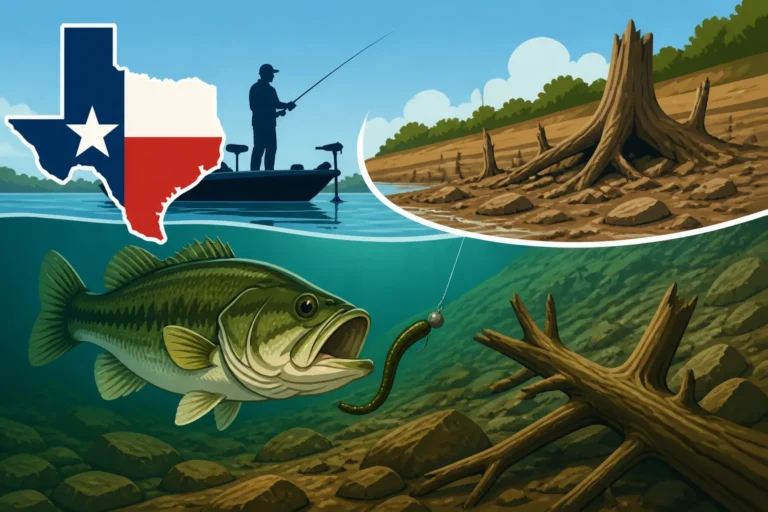
- Lake Fork: Known as a trophy bass haven, Lake Fork is fantastic for early morning topwater action. Target flooded timber, grass lines, and points where bass will be ambushing baitfish. The cooler temperatures at dawn get these big fish moving. You might find a shallow flat adjacent to a deeper channel where a massive Texas Largemouth Bass Fishing Guide will be feeding aggressively.
- Sam Rayburn Reservoir: Often called "Big Sam," this East Texas giant offers incredible opportunities. Focus on hydrilla beds, creek channels, and submerged timber. Early morning often sees schooling bass and crappie pushing bait to the surface. Look for areas where the lake transitions from shallow to deeper water, as these are natural highways for fish.
- Lake Conroe: Closer to Houston, Lake Conroe is excellent for largemouth bass and also has a strong crappie population. Target the vast stretches of docks and boat houses, as well as submerged brush piles, during the low light. The shade cast by these structures is a magnet for fish looking for cover and cooler water.
- Lake Texoma: While famous for its striped bass, early mornings on Lake Texoma can also be fantastic for catfish and even some largemouth. Look for stripers chasing baitfish on the surface, especially near the river channels or along ledges. Catfish will be patrolling the shallower flats and creek mouths. Remember, Lake Texoma Fishing License Rules are a bit unique due to its shared border with Oklahoma.
These lakes, among others like O.H. Ivie Reservoir Fishing Guide or Choke Canyon Reservoir Fishing Guide, offer diverse structures and depths that provide excellent early morning opportunities. The key is to concentrate your efforts on the shallow-to-mid depth ranges where baitfish are active and predators are hunting.
Coastal Bays and Estuaries
The Texas Gulf Coast is a treasure trove for saltwater anglers, and early morning wade fishing or boat fishing in the bays can be incredibly productive for redfish, speckled trout, and flounder.
- Galveston Bay: This massive estuary system is fantastic for early morning wade fishing. Target shallow grass flats, oyster reefs, and the edges of marsh drains as the tide comes in or out. Redfish will be tailing in the shallows, and speckled trout will often be found ambushing bait along grass lines. Look for signs of baitfish skipping on the surface.
- Matagorda Bay: Similar to Galveston, Matagorda offers extensive grass flats and oyster reefs. Early morning is prime time for throwing topwater lures for aggressive trout and redfish. Wade anglers often find success along the shorelines or near channels. Consider fishing near the mouths of bayous or sloughs where bait is being flushed out.
- Aransas Bay/Corpus Christi Bay: Further south, these bays provide more clear water opportunities. Sight fishing for redfish on calm, early mornings can be exceptional, especially on the shallow flats. Speckled trout often school up in cooler weather, and dawn provides that critical cooler window. The jetties and piers in these areas can also hold fish actively feeding on bait. Many of the Best Texas Gulf Coast Fishing Spots are best accessed early.
Wade fishing in these bays means getting in the water before dawn, which means cooler temperatures and typically calmer winds, making it easier to spot fish and make accurate casts. The low light also provides a crucial advantage for stealth. Remember to consult Texas Saltwater Fishing Regulations for current bag and length limits for species like Texas Redfish Size and Bag Limits and Texas Speckled Trout Bag Limits.
River Systems
Don't overlook Texas's many rivers for early morning action, especially for catfish, Guadalupe bass, and white bass. Rivers often have strong current and deep holes that can hold fish even in summer.
- Guadalupe River: While famous for its winter trout stocking, the Guadalupe also offers excellent early morning opportunities for bass (including the native Guadalupe Bass Texas State Fish Guide) and catfish. Target deeper pools, undercut banks, and areas with submerged timber. Fly fishing during the early morning can be particularly rewarding here.
- Trinity River: Known for its massive alligator gar, the Trinity also offers fantastic catfish and white bass fishing in the early morning. Focus on deep holes, log jams, and eddy currents. The spring white bass run is spectacular, but even in summer, early morning can yield good numbers.
- Brazos River: Similar to the Trinity, the Brazos is a great spot for catfish and various sunfish. Target the slower-moving water in bends, log jams, and areas where smaller creeks feed into the main river. Early morning is ideal before recreational tubers and kayakers get out in full force.
Rivers provide a consistent flow of cooler water, which can keep fish more active even as the day progresses. The early morning hours, however, provide that extra edge with lower light and typically more tranquil conditions before other river users make their appearance. Many Best Texas Rivers for Fishing truly shine in the cool of the morning.
Gear Up for Sunrise Success: Essential Tackle and Tactics
Having the right gear and knowing how to use it effectively are crucial for making the most of those precious early morning hours. It's not just about what you throw, but how you present it and how prepared you are for a successful, comfortable trip.
Lure Selection for Low Light and Aggressive Bites
Early morning low light conditions are prime for lures that create a strong silhouette, displace water, or have a distinct sound profile. Fish rely heavily on their lateral line and hearing in reduced visibility.
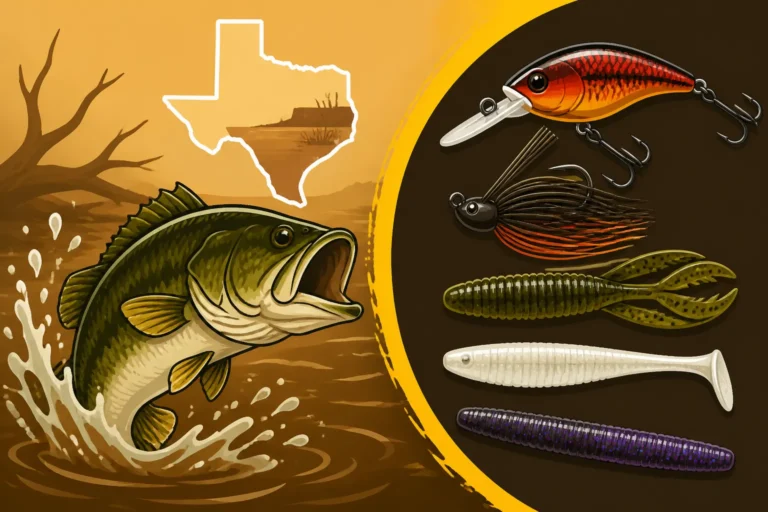
- Topwater Lures: This is the undisputed champion of early morning fishing. Poppers, walk-the-dogs, and prop baits create commotion on the surface, drawing explosive strikes from aggressive fish. Bass absolutely smash these in low light, and redfish and speckled trout will eagerly chase them in the bays. Look for options with a good rattle or a distinct "walk" that can really call fish in. You can find a fantastic selection of these on retailers like Amazon.
- Spinnerbaits and Chatterbaits: These lures offer flash and vibration, making them highly effective in stained or low-light conditions. They're great for covering water and triggering reaction strikes from bass. Chartreuse and white are classic early morning colors.
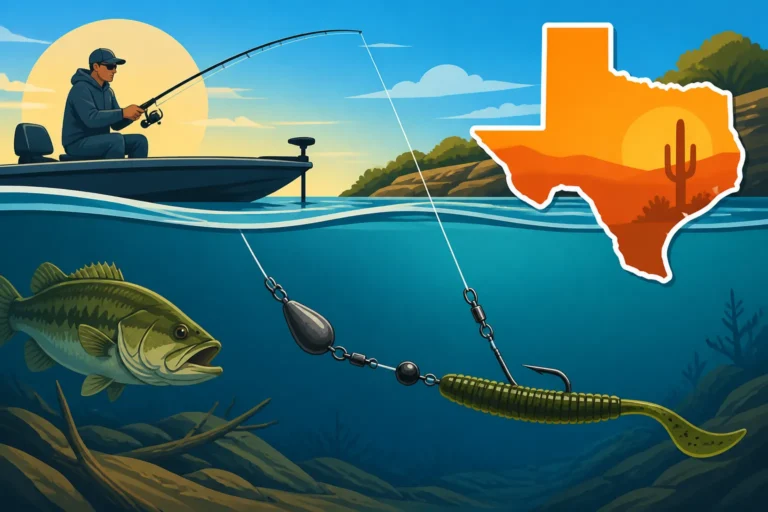
- Soft Plastics: Weightless flukes, stick baits (like a Senko), and soft plastic jerkbaits can be deadly when retrieved erratically near the surface or just below. Their natural action mimics injured baitfish. Darker colors like junebug, black, or darker green pumpkins often create a better silhouette against the low morning sky. A Texas rig with a worm or creature bait can be worked slowly in cover. You might want to stock up on a variety of colors and sizes from Amazon before your next trip.
- Spoons and Jigs: For deeper water or when targeting schooling fish like white bass or striped bass, spoons and jigs can be highly effective. They sink quickly and can be worked vertically to mimic dying baitfish. White, silver, or chrome colors often work best.
Remember, the goal is often to create a disturbance that fish can easily locate in the dim light, enticing them to strike aggressively. Don't be afraid to experiment with retrieve speeds and pauses to see what triggers a bite. For more ideas on what to use, check out our guide on Best Bait and Lures for Texas Fishing.
Essential Angler Comfort and Safety Gear
While the early morning is cooler, you'll still be fishing in Texas, and safety and comfort are paramount.
- Sun Protection (Even at Dawn): As soon as the sun clears the horizon, its rays are strong. Wear a wide-brimmed hat, polarized sunglasses (crucial for spotting subtle changes in the water and protecting your eyes), and apply sunscreen. Long-sleeved, breathable fishing shirts are also a smart choice, even when it's cool, as they offer UPF protection.
- Hydration: Always bring plenty of water or other hydrating beverages. Even if it feels cool, the humidity can still lead to dehydration. A good quality insulated cooler can keep your drinks ice-cold all day.
- Bug Spray: Especially in marshy areas or near dense vegetation, mosquitoes and other biting insects can be relentless at dawn. Don't let them ruin your trip; pack a reliable bug repellent.
- Headlamp or Flashlight: If you're launching before sunrise or walking to a spot in the dark, a headlamp is indispensable. It keeps your hands free for rigging tackle or navigating. These are easily found on platforms like Amazon.
- First Aid Kit: A basic first aid kit is always a good idea, especially when handling hooks or encountering minor scrapes.
- Appropriate Footwear: Whether you're wading in the bay, scrambling along a riverbank, or navigating a boat ramp, wear sturdy, non-slip footwear that can handle wet conditions.
Being prepared for the elements will ensure you can fully enjoy your fishing experience without discomfort or safety concerns. For comprehensive safety tips, consider reviewing How to stay safe fishing in Texas summer heat.
Techniques to Maximize Your Early Bites
Beyond the gear, specific techniques can elevate your early morning success.
- Stealth is Key: Fish are often in shallower water and more susceptible to being spooked in low light. Approach your chosen spot quietly, whether by poling a boat, using a trolling motor on a low setting, or wading silently. Avoid slamming hatches, dropping gear, or making loud noises.
- Work the Edges: Fish often hug the edges of cover, grass lines, and drop-offs. Make precise casts that land your lure right on the seam between shallow and deeper water, or along the visible cover. This is where ambushing predators will be lurking.
- Vary Your Retrieve: Don't just cast and reel. Experiment with different retrieve speeds, pauses, and twitches. Sometimes a slow, steady retrieve is all it takes, while other times, an erratic, stop-and-go action will trigger a strike. For topwaters, mastering the "walk-the-dog" technique can be incredibly effective.
- Follow the Shade Line: As the sun rises, the shade line will shift. If your spot loses its shade, consider moving with the shade to another area, like a deeper dock or the opposite bank of a river. Fish will actively seek out these cooler zones.
- Observe and Adapt: Pay attention to what the fish are telling you. Are they hitting topwater? Are they only biting on the pause? Are they holding tight to cover? Adjust your lure, technique, and presentation based on their behavior. This adaptive mindset is a hallmark of Beginner Fishing Techniques for Texas Anglers and seasoned pros alike.
By combining the right gear with thoughtful techniques, you'll be well on your way to enjoying some of the most productive and pleasant fishing experiences Texas summer has to offer.
Early Morning Fishing Table: Spot Type vs. Species & Lure Focus
| Location Type | Target Species | Preferred Early Morning Lures | Key Features to Look For |
|---|---|---|---|
| Freshwater Lakes/Reservoirs | Largemouth Bass, Crappie, White Bass, Catfish | Topwaters (Poppers, Walkers), Spinnerbaits, Jigs, Weightless Worms | Flooded timber, grass lines, points, creek mouths, docks, humps |
| Coastal Bays/Estuaries | Redfish, Speckled Trout, Flounder | Topwaters (Poppers, Spooks), Soft Plastic Jerkbaits, Spoons | Shallow grass flats, oyster reefs, marsh drains, channel edges |
| River Systems | Catfish, Guadalupe Bass, White Bass | Jigs, Soft Plastics, Live Bait (Worms, Shad), Spinners | Deep bends, undercut banks, log jams, eddy currents, creek mouths |
Disclaimer
This article is for general informational purposes only and does not constitute professional advice. Laws, prices and regulations vary by location and change over time. Consult a qualified professional for guidance on your specific situation.