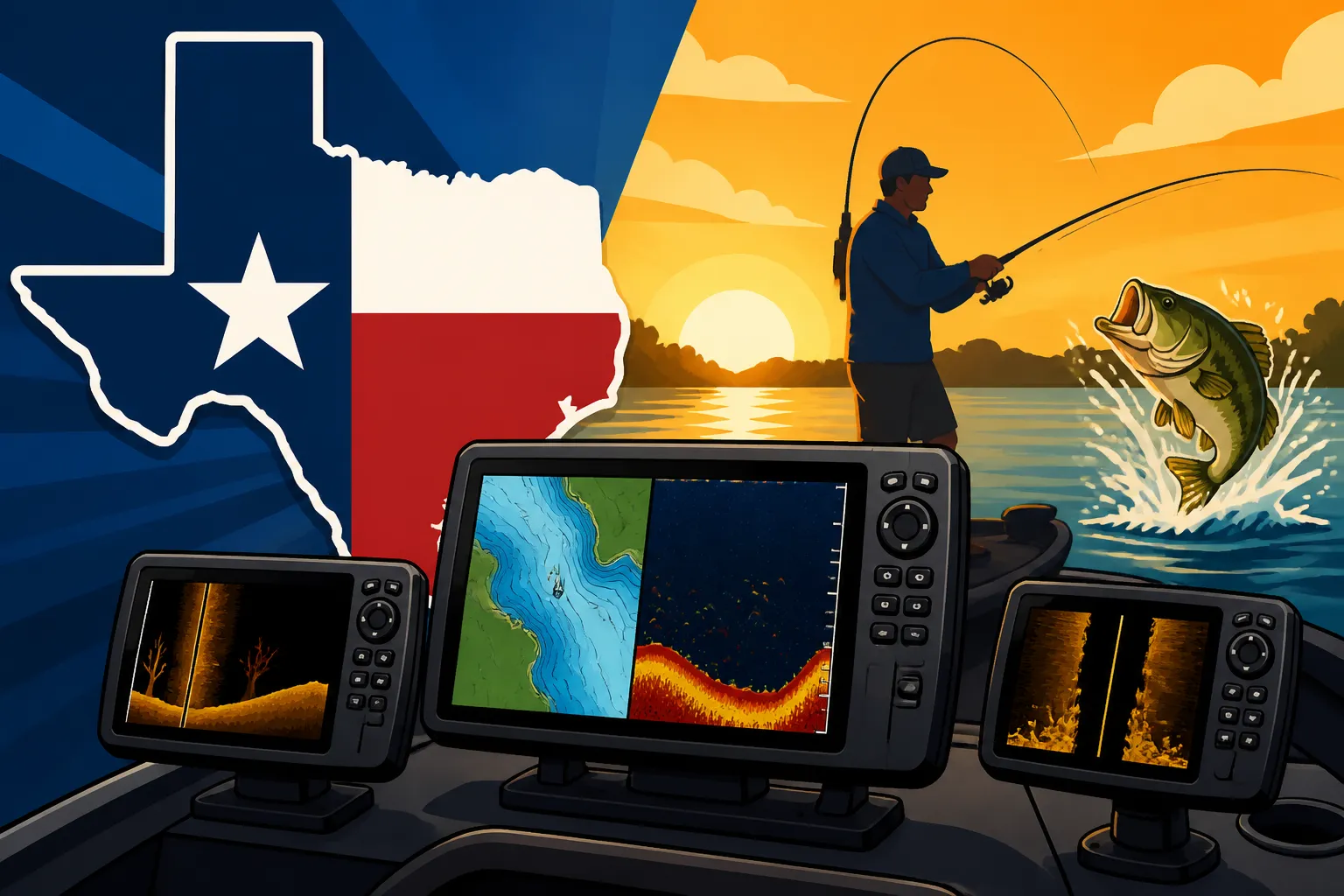
Best Fishing Electronics for Texas Anglers
Isn't it frustrating when you hit the water in Texas, full of anticipation, only to spend hours blindly casting, wondering if there are even any fish beneath your boat? Texas waters are vast, from sprawling inland reservoirs like Lake Fork and Sam Rayburn to the intricate bay systems along the Gulf Coast. Trying to find fish without a real sense of what's happening below the surface can feel like searching for a needle in a haystack. This comprehensive guide is here to cut through that frustration, walking you through the best fishing electronics available today that can genuinely transform your angling experience, helping you locate fish, navigate confidently, and ultimately, catch more.
Why Fishing Electronics Are a Game-Changer in Texas
Texas fishing isn't just a casual pastime for many; it's a serious pursuit, a passion that drives us to spend countless hours on the water. But simply having a good rod and reel isn't enough to consistently succeed, especially in the diverse and often challenging environments Texas offers. This is where modern fishing electronics step in, not just as fancy gadgets, but as indispensable tools that provide an unparalleled advantage. They give you eyes beneath the surface and a keen sense of direction, turning guesswork into informed decisions.
The Vastness of Texas Waters and the Need for an Edge
Think about the sheer size of some of our most popular fishing lakes. Lake Fork, for instance, is over 27,000 acres, and Toledo Bend Reservoir spans a mind-boggling 185,000 acres. Even the smallest community ponds can have hidden contours and features that impact where fish gather. Without electronics, you're essentially exploring these immense areas blindfolded. You might stumble upon a honey hole, but replicating that success or finding new ones becomes incredibly difficult. The edge that electronics provide allows you to systematically break down these vast expanses, focusing your efforts where they're most likely to pay off. It saves you time, fuel, and perhaps most importantly, your sanity when the bite is tough.
Consider a scenario where you're fishing a new lake like Lake Texoma Fishing Guide. You've heard it's great for stripers, but where do you even begin? Driving around aimlessly is a waste of precious fishing time. With good electronics, you can quickly scan large areas, identify potential bait schools, pinpoint underwater points or humps, and even mark changes in bottom composition that attract different species. This kind of capability turns an intimidating expanse into a manageable hunting ground.
Unlocking Hidden Depths and Structures
What lies beneath the surface often holds the key to successful fishing. Fish are creatures of habit and structure; they'll relate to submerged timber, rock piles, ledges, creek channels, and even subtle changes in depth. Historically, anglers relied on weighted lines and educated guesses to "feel" the bottom, a slow and often inaccurate process. Modern fish finders, however, provide a real-time, high-definition view of these underwater worlds.
Imagine being able to see a school of crappie suspended in a brush pile 20 feet down, or a lunker bass tucked tight against a sunken stump. This isn't science fiction anymore; it's standard capability for many units. These electronics reveal not only the presence of fish but also their behavior and preferred habitats. You can discern whether they're actively feeding or tightly bunched, allowing you to choose the perfect presentation. This insight is crucial for targeting specific species, whether you're after Texas Largemouth Bass Fishing Guide or Texas Crappie Fishing Guide.
Adapting to Texas' Diverse Fishing Environments
Texas is a fishing paradise precisely because of its incredible diversity. We have everything from crystal-clear Hill Country rivers like the Guadalupe to murky East Texas reservoirs, and of course, the brackish waters of the Gulf Coast bays and the open ocean. Each environment presents unique challenges that electronics can help overcome.
For example, in clear water lakes, fish can be highly pressured and scatter at the slightest disturbance. Advanced sonar lets you observe their reactions to your lure from a distance. In muddy waters, where visibility is near zero, sonar becomes even more critical for detecting structure and fish that you simply couldn't see otherwise. Along the coast, navigating shallow flats for redfish or finding offshore reefs requires highly accurate GPS and detailed mapping, capabilities that are often integrated directly into your fish finder. This adaptability means your investment in electronics pays off across virtually every fishing adventure you undertake in the Lone Star State.
Understanding the Core: Fish Finders and Sonar Technology
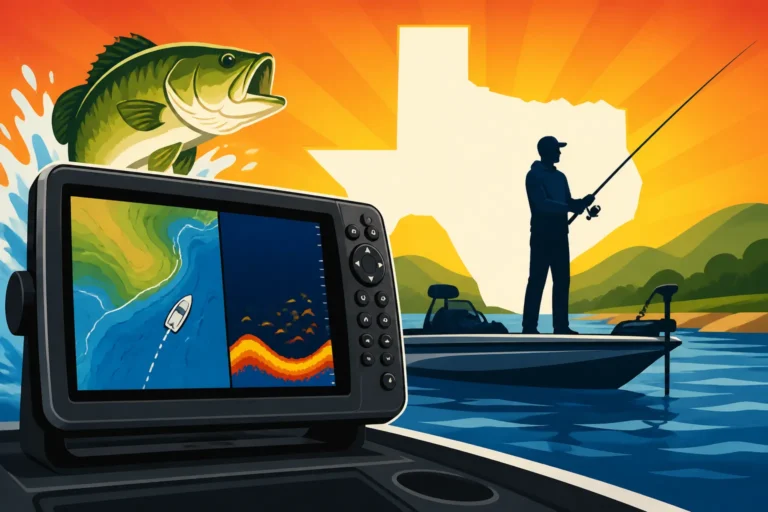
At the heart of modern fishing electronics is the fish finder, which uses sonar (Sound Navigation and Ranging) technology to paint a picture of the underwater world. Understanding the different types of sonar is key to choosing the right unit for your specific Texas fishing needs. Each type offers a unique perspective, and often, the most effective systems combine several technologies.
Traditional 2D Sonar: The Foundation
The original fish finder technology, 2D sonar, works by sending sound waves straight down into the water and listening for their return. These waves bounce off objects like fish, structure, and the bottom, creating an image on your screen. It's often displayed as arches for fish and lines for the bottom. While it might look basic compared to newer technologies, 2D sonar is incredibly effective and remains a staple for a reason.
Many seasoned Texas anglers still rely heavily on 2D sonar for its ability to show target separation and depict how fish are relating to cover. You can discern if fish are actively swimming or holding tight to a ledge. When you're drifting across a brush pile on Lake Conroe Fishing Guide looking for crappie, a good 2D display can clearly show individual fish within the brush, even when they're tightly packed. It's fantastic for detecting bait balls and tracking your lure as it descends, ensuring you're presenting it at the right depth. Don't underestimate the power and simplicity of a well-tuned 2D sonar; it's the foundation upon which all other sonar technologies are built.
Down Imaging and Side Imaging: Seeing What's Below and Around You
If 2D sonar is like looking at a cross-section of the water, then Down Imaging and Side Imaging are like taking a detailed photograph. These technologies use higher frequencies and narrower beams to create picture-like views of the underwater environment.
-
Down Imaging (or DownVu/DownScan): This technology sends a very thin, high-frequency beam directly beneath your boat, providing a clear, photographic representation of what's directly below. You can see individual tree limbs, distinct rock piles, and even the thermocline (temperature change layer) with incredible clarity. It excels at showing the precise relationship between fish and structure, differentiating a fish from a piece of submerged timber, for instance. For picking apart subtle ledges on O.H. Ivie Reservoir Fishing Guide or finding individual stumps, Down Imaging is invaluable.
-
Side Imaging (or SideVu/SideScan): This is where things get truly exciting for covering water. Side Imaging sends beams out to the sides of your boat, often hundreds of feet in each direction, painting an image of the bottom and any objects lying on it or suspended above it. This allows you to literally "see" vast swathes of water without driving directly over them. Imagine cruising down a bank on Sam Rayburn Reservoir Fishing Guide and being able to scan hundreds of feet to either side, spotting brush piles, submerged roads, or even schools of fish holding tight to a creek channel bend, all while maintaining a safe distance. This dramatically reduces the time spent searching and vastly increases your efficiency, especially on large, feature-rich lakes.
Advanced Sonar: Live and Panoptix Views
The cutting edge of sonar technology has brought us "live" views, often marketed as LiveScope (Garmin), Mega Live (Humminbird), or ActiveTarget (Lowrance). These systems represent a quantum leap in fish finding, offering real-time, video-like images of fish and lures underwater. This isn't a historical scroll of what you just passed over; it's what's happening right now.
With live sonar, you can cast to individual fish, watch their reaction to your bait, and adjust your presentation instantly. Picture yourself targeting schooling stripers on Lake Texoma: you can see the school moving, cast your lure directly into them, and watch as a fish peels off to strike. It's like playing a video game, but with real fish. For competitive anglers in How to Fish a Texas Bass Tournament or those simply wanting the ultimate advantage, these live systems are revolutionary. They require a significant investment and a learning curve, but the ability to observe fish behavior and lure interaction in real-time is a powerful tool for unlocking patterns and refining techniques on your favorite Texas waters.
| Sonar Type | Best Use Cases | Key Advantages | Limitations |
|---|---|---|---|
| Traditional 2D | General fish detection, bait balls, lure tracking, bottom hardness. | Excellent target separation, proven reliability, generally cost-effective. | Less detailed structure identification, no side views. |
| Down Imaging | High-detail views directly beneath boat, identifying specific structure. | Photographic clarity of bottom features, precise fish-to-structure relation. | Only views directly below, limited coverage area. |
| Side Imaging | Scanning wide areas for structure and fish, navigating shallow flats. | Covers vast horizontal areas quickly, ideal for finding hidden spots. | Less detail directly beneath the boat, can be overwhelming on screen. |
| Live Sonar | Real-time interaction, casting to individual fish, observing lure action. | Live video-like feedback, game-changing for active targeting. | Highest cost, steep learning curve, can be intimidating. |
GPS and Chartplotters: Navigating Texas' Lakes and Coastlines
While fish finders help you see what's under the water, GPS and chartplotters help you understand where you are on the water, and more importantly, where you're going and where you've been. In Texas, with our expansive lakes, winding rivers, and complex bay systems, reliable navigation is just as crucial as finding fish. Many modern units combine fish-finding capabilities with robust GPS, creating a single, powerful tool for anglers.
Precision Navigation on Large Reservoirs
Imagine launching your boat before sunrise on a vast lake like Richland Chambers Reservoir or Sam Rayburn. The fog is thick, and landmarks are obscured. Without GPS, getting to your favorite fishing spot safely and efficiently would be nearly impossible. A good chartplotter, pre-loaded with detailed lake maps, allows you to navigate confidently through channels, around submerged islands, and into specific coves. These maps often show depth contours, navigation markers, and even submerged roadbeds, providing a topographical view of the underwater landscape that complements your sonar.
Beyond simply getting from point A to point B, precision GPS helps you stay on track while working a productive stretch of water. If you find a pattern of bass holding on a specific depth contour, your GPS can keep you precisely on that line, allowing for repeated, accurate casts. For freshwater anglers, this precision is vital for maximizing time on the water and exploiting subtle, productive patterns. You can easily find detailed bathymetric maps through providers often supported by electronics from Bass Pro Shops or online via services for your specific brand.
Marking Hot Spots and Safe Routes
One of the most practical applications of GPS for Texas anglers is the ability to mark waypoints. When you stumble upon a school of bait, a submerged brush pile holding crappie, or a successful deep-water humps for catfish, you can instantly drop a waypoint. This "digital breadcrumb" allows you to return to that exact spot with pinpoint accuracy days, weeks, or even months later. No more guessing games or trying to remember vague landmarks.
Furthermore, GPS allows you to create and save safe routes. On lakes with numerous hazards like standing timber or shallow rock beds, marking a clear path through these obstacles can prevent costly damage to your boat and ensure safe travel. For instance, if you're regularly fishing Lake Fork, known for its extensive timber, marking your safe passage to and from key areas is absolutely essential. These saved routes become your personal highway system on the water, making every trip more efficient and secure.
Coastal Navigation and Tide Tracking
For those who venture into the Texas Gulf Coast, GPS and chartplotters take on an even more critical role. The bays are intricate, with shifting sandbars, oyster reefs, and countless channels. Navigating these waters safely, especially at low tide or in unfamiliar areas, demands accurate mapping. Chartplotters with detailed coastal charts can show you channel markers, depth changes, and crucial navigation aids.
Beyond simple navigation, many advanced units can integrate with tide and current data (often through external apps or services), which is paramount for saltwater fishing. Knowing when the tide is moving in or out, and at what strength, drastically impacts where fish like redfish and speckled trout will feed. Having this information readily available on your screen, combined with your current location, allows you to plan your attacks and position your boat for optimal success, whether you're wade fishing a shallow flat or drifting a channel in Galveston Bay. Best Boats for Texas Saltwater Fishing often include powerful integrated electronics for these reasons.
Trolling Motors with Integrated GPS and Sonar
The evolution of trolling motor technology has been nothing short of revolutionary for Texas anglers. What used to be simply a means of quiet propulsion has become a sophisticated electronic companion, often integrating seamlessly with your fish finder and GPS unit. These intelligent trolling motors provide unparalleled boat control, allowing you to focus more on fishing and less on fighting the wind or current.
Spot-Lock and Anchoring Technology
Perhaps the most beloved feature of modern GPS-enabled trolling motors is "Spot-Lock" (Minn Kota) or "Anchor Mode" (Garmin/Lowrance). This incredible technology uses GPS to hold your boat in a precise position, even in strong winds or currents, at the touch of a button. Instead of deploying a noisy anchor that can spook fish or having to constantly adjust your position manually, your trolling motor automatically engages, keeping you glued to that productive spot.
Imagine you've just found a school of fish on your Best Fish Finders for Texas Lakes unit, or you're working a specific brush pile on Lake Livingston Fishing Guide. With Spot-Lock, you can instantly "anchor" yourself in place, allowing you to make multiple precise casts without drifting off target. This is a huge advantage when fishing isolated structure, tight channels, or when the bite is hot and you need to stay put. It's a game-changer for many Texas anglers, particularly those targeting bass, crappie, or even wade fishing enthusiasts who can position their boat just right.
Autopilot and Course Following
Beyond holding your boat in place, integrated trolling motors can also "drive" your boat for you. Autopilot features allow you to set a heading, and the motor will steer to maintain that course, compensating for wind and current. This is fantastic for covering long stretches of shoreline or maintaining a consistent path over a deep-water ledge while you focus on casting.
Even more advanced is the ability to follow a saved track or route. If you've previously marked a productive contour line or a creek channel on your chartplotter, you can tell your trolling motor to follow that exact path. This is invaluable for efficiently working underwater structure on Toledo Bend Reservoir Fishing Guide or for drift fishing expansive flats in Corpus Christi Bay. You set the course, and the motor takes over, allowing you to dedicate all your attention to fishing. This frees your hands and mind, enhancing both your enjoyment and your catch rate.
Seamless Integration with Your Fish Finder
The true power of these advanced trolling motors comes from their ability to communicate directly with your main fish finder unit. Many systems allow you to control your trolling motor from your fish finder screen, even steering and engaging Spot-Lock from the console. Furthermore, many trolling motors now come with built-in sonar transducers, eliminating the need for separate transducers on the bow and providing a clean, clutter-free setup.
This integration creates a holistic fishing system. You can mark a waypoint on your fish finder, and your trolling motor can automatically navigate to it. You can see fish on your sonar, and immediately engage Spot-Lock to hold over them. This level of connectivity streamlines your entire fishing operation, making you more efficient and effective on the water. Brands like Minn Kota (with their Ulterra and Terrova lines) and Garmin (with Force) are leading the charge in this integration, available at retailers like Bass Pro Shops and through online platforms like Amazon.
Marine Radios and Communication Devices: Safety First
While finding fish and navigating are paramount for a successful trip, ensuring your safety on the vast and unpredictable waters of Texas is equally, if not more, important. Marine radios and other communication devices are not just conveniences; they are essential pieces of safety equipment, particularly when venturing far offshore or into remote areas. For detailed information on what else you need to be safe, check out Texas Boat Safety Equipment Requirements.
Staying Connected on Large Waters
The sheer size of many Texas lakes and the open expanse of the Gulf Coast mean that cell phone service can be spotty or non-existent in critical areas. A marine VHF (Very High Frequency) radio provides a reliable means of communication with other boats, marinas, and the U.S. Coast Guard. VHF radios operate on specific channels, allowing you to make direct calls to specific vessels or broadcast general safety messages.
Think about being miles offshore, chasing kingfish in the Gulf, or even in a remote cove on Lake Amistad. If you run into engine trouble, a sudden storm rolls in, or someone on board has a medical emergency, a VHF radio is your lifeline. It's designed for maritime use, meaning it's generally rugged, waterproof, and has a dedicated power source separate from your cell phone. This ensures you can call for help when you need it most, even if your phone battery is dead or signal is absent.
Weather Alerts and Emergency Communication
Beyond general communication, marine radios are crucial for receiving vital weather information. The National Weather Service broadcasts continuous marine weather forecasts and alerts over VHF channels, keeping you informed of sudden changes that could impact your safety. Squalls can blow up quickly on Texas lakes, and offshore weather can turn dangerous in a hurry. Having real-time, broadcast weather updates can give you the precious minutes needed to seek shelter or head back to shore.
In an actual emergency, a distress call over Channel 16 on a VHF radio is monitored by the Coast Guard and other vessels in the area. This drastically increases your chances of being heard and receiving timely assistance. Personal Locator Beacons (PLBs) and Emergency Position Indicating Radio Beacons (EPIRBs) are even more advanced distress signals, transmitting a unique ID to satellites that pinpoint your location anywhere in the world. While not strictly "radios" in the traditional sense, they are critical communication devices for ultimate offshore safety, automatically alerting search and rescue authorities if activated.
Essential for Offshore and Remote Fishing
While having a VHF radio is a smart choice for any boater, it becomes absolutely indispensable for those who fish offshore in the Gulf of Mexico or in truly remote freshwater locales. Cell service drops off quickly once you leave sight of land, and even on vast lakes, pockets of no coverage are common. Relying solely on a cell phone in these situations is a gamble no responsible angler should take.
A fixed-mount VHF radio with a proper antenna provides the best range and reliability for most fishing vessels. Handheld waterproof VHF radios are excellent backups or for smaller boats like kayaks or jon boats where space is limited. Having these tools ensures that your focus can remain on the fishing, with the peace of mind that comes from knowing you have a reliable way to communicate if the unexpected happens. When equipping your boat, consider these not as optional extras, but as fundamental safety gear, just like your life jackets.
Power Management and Battery Systems for Electronics
Modern fishing electronics are power-hungry beasts, especially if you're running multiple large screens, a powerful trolling motor, and live sonar all day long. Neglecting your power management system can lead to frustrating interruptions, loss of critical information, and even cut short a promising day of fishing. In Texas' often extreme temperatures, a robust and reliable battery setup is non-negotiable.
The Importance of Reliable Power
Imagine you're deep into a tournament on Lake Fork Fishing Guide, your live sonar is showing a school of big bass, and suddenly, your screen goes black. Or your trolling motor dies halfway across a large cove, leaving you to paddle back to the main motor. These scenarios are every angler's nightmare and are often preventable with proper power management. Consistent, clean power is essential for your electronics to function optimally and accurately. Voltage drops or insufficient amperage can lead to glitches, poor sonar readings, or simply premature shutdown.
A well-designed power system ensures that your valuable electronics receive the stable power they need throughout your entire fishing trip. This means choosing the right type and size of batteries, implementing appropriate wiring, and having reliable charging solutions. Don't cheap out on your power system; it's the lifeblood of your entire electronic setup and critical for consistent performance, especially when using advanced systems like Best electronics for Texas reservoir fishing.
Deep Cycle Batteries and Lithium Options
Traditionally, marine anglers have relied on lead-acid deep cycle batteries to power their electronics and trolling motors. These batteries are designed for sustained power delivery over long periods, unlike starting batteries that provide a short burst of high current. They are a proven, cost-effective option, and many anglers in Texas still use them effectively.
However, in recent years, lithium-ion (LiFePO4) batteries have become increasingly popular, especially for powering trolling motors and sophisticated electronics. While they represent a higher upfront investment, they offer significant advantages:
- Lighter Weight: Dramatically lighter than lead-acid batteries, which improves boat performance and fuel efficiency.
- Longer Run Time: Provide more usable capacity, meaning longer days on the water without worrying about running out of juice.
- Consistent Power: Maintain a higher, more consistent voltage throughout their discharge cycle, ensuring optimal performance from your electronics.
- Longer Lifespan: Can last significantly longer than lead-acid batteries, often for many years, offsetting some of the initial cost.
- Faster Charging: Recharge much quicker than lead-acid batteries.
For serious anglers running multiple screens, live sonar, and a powerful trolling motor, the benefits of lithium batteries often outweigh the cost, particularly on large Texas lakes where long run times are essential. Brands like Battle Born, Dakota Lithium, and Relion are popular choices, often found in specialized marine shops or online at Amazon.
Charging Solutions for Extended Trips
Having the right batteries is only half the battle; you also need efficient and reliable ways to charge them. A good multi-bank marine charger is essential for quickly and safely recharging your batteries after each trip. These chargers are designed to charge multiple batteries simultaneously, often with smart technology that prevents overcharging and prolongs battery life.
For anglers planning extended trips or tournament circuits, portable generators can be a lifesaver for topping off batteries on the go, especially if shore power isn't available. Solar panels are also becoming a viable option for maintaining charge on smaller batteries or during multi-day backcountry trips on rivers like the Trinity. Whatever your setup, make sure your charging system is appropriately sized for your battery bank and capable of handling the demands of your electronic arsenal. Regular checks of battery terminals for corrosion and ensuring secure connections will also prevent many common power-related issues, helping you keep your focus where it belongs: on the fish.
Choosing the Right Electronics for Your Texas Fishing Style
Texas offers such a vast array of fishing opportunities that a "one-size-fits-all" approach to electronics simply won't cut it. The best setup for an offshore angler chasing kingfish will be vastly different from what a bank angler needs for a local pond. Tailoring your electronics to your specific fishing style and target species is key to maximizing your investment and your angling success.
Freshwater Lake Anglers: Bass, Crappie, Catfish
For the typical Texas freshwater lake angler, targeting popular species like largemouth bass, crappie, or catfish, a combination of advanced fish finder/chartplotter technology with an integrated trolling motor is often the sweet spot.
-
Bass Fishing: Bass anglers benefit immensely from Down Imaging and Side Imaging for quickly locating submerged timber, hydrilla lines, rock piles, and creek channel swings. Units with high-definition displays are crucial for distinguishing bass from cover. GPS capabilities for marking productive points, brush piles, and safe routes are non-negotiable. For competitive bass anglers or those seeking trophy bass, investing in a live sonar system like Garmin LiveScope or Humminbird Mega Live can provide an undeniable edge, allowing for real-time target acquisition and lure presentation adjustments. A powerful, GPS-enabled trolling motor with Spot-Lock is also fundamental for holding position over hot spots or working specific patterns. Many units available at Bass Pro Shops cater specifically to this demanding segment. Consider a unit with Best Fish Finders for Texas Lakes capabilities.
-
Crappie Fishing: Crappie anglers often focus on brush piles, standing timber, and bridge pilings. Down Imaging is fantastic for precisely identifying these structures and seeing crappie suspended within them. Side Imaging can also be very useful for locating new brush piles or finding schools of crappie relating to channel edges over a wider area. Again, GPS for marking these often subtle spots is critical for repeat success. A sensitive 2D sonar can also excel at showing tight schools of crappie and how they react to jigs.
-
Catfish Fishing: Catfish anglers, especially those targeting blue and flathead catfish in large reservoirs like Lake Palestine or Lake Tawakoni, often benefit from good 2D sonar to locate large schools of baitfish and prominent bottom features like old river channels or deep humps. Side Imaging can help scan for large groups of catfish on the bottom. GPS for marking successful anchoring points, submerged structure, and bait concentrations is highly valuable. Trotliners will also appreciate the precision of GPS for setting and retrieving their lines efficiently.
Saltwater Bay and Nearshore Enthusiasts
Texas' Gulf Coast offers incredible fishing for redfish, speckled trout, flounder, and other species. Saltwater fishing demands electronics that can withstand harsh conditions and provide detailed coastal mapping.
-
Bay Fishing (Redfish, Speckled Trout, Flounder): For shallow water anglers in bays like Galveston Bay or Matagorda Bay, Side Imaging is incredibly effective for scanning vast flats to spot redfish, oyster reefs, or subtle depth changes. High-resolution Down Imaging helps confirm targets and identify bottom composition. GPS with detailed coastal charts is essential for navigating intricate bay systems, avoiding oyster beds, and marking productive guts or drains. Many anglers also appreciate mapping that shows tidal current directions and depths. A powerful, corrosion-resistant trolling motor, often with Spot-Lock, is excellent for quietly approaching schools of fish or holding position over a promising oyster reef without spooking fish. For those who enjoy How to Wade Fish for Redfish in Texas, marking your entry and exit points along with productive wade areas is also key.
-
Nearshore/Offshore (Kingfish, Snapper, Ling): Anglers venturing into the nearshore Gulf require robust units with excellent deep-water 2D sonar capabilities to identify reefs, wrecks, and suspended baitfish. Clear, reliable GPS with detailed offshore charts is absolutely vital for navigation, marking offshore structure, and ensuring safe return. Many offshore units also integrate radar for navigating in fog or at night, and higher-power transducers for deeper water penetration. A reliable VHF marine radio is an absolute must for safety and communication when fishing miles from shore.
Bank Anglers and Kayak Fishermen
You don't need a massive bass boat to benefit from fishing electronics! Portable and kayak-specific units have revolutionized how bank and kayak anglers approach their sport.
-
Kayak Fishing: For kayak anglers, compactness, battery efficiency, and ease of installation are key. Many brands offer dedicated kayak fish finders that provide 2D and often Down Imaging, with smaller screens and efficient power draw. Portable transducers that mount easily to the hull or transom are common. GPS is invaluable for marking productive areas, navigating smaller waterways, and tracking your drift. Pedal-drive kayaks with integrated motor options can even feature advanced GPS functionality for holding position. Brands like Humminbird, Lowrance, and Garmin offer excellent options for kayak fishing, easily found on Amazon or at outdoor specialty stores. Consider a Best Kayaks for Texas Fishing article for more specific gear advice.
-
Bank Fishing: Even bank anglers can get an edge! Castable sonar devices, like those from Deeper or Humminbird, are small, buoyant transducers that wirelessly connect to your smartphone or tablet. You cast them out, reel them in, and they send back sonar images, showing depth, structure, and even fish. This allows you to "scout" a pond or a stretch of river from shore, identifying ledges, brush piles, or baitfish schools before you even make a cast. While not as powerful as boat-mounted units, they provide a tremendous advantage over blind casting, especially in Free Community Fishing Ponds in Texas Cities or small lakes.
Installation and Maintenance Tips for Longevity
Investing in high-quality fishing electronics is a significant decision, and you want to ensure they perform reliably for years to come. Proper installation and diligent maintenance are crucial for maximizing their lifespan and ensuring you get the most out of your technological edge on the water.
Professional Installation vs. DIY
When it comes to installing complex electronic systems, you generally have two choices: hiring a professional marine electronics installer or tackling it yourself.
-
Professional Installation: For large, integrated systems with multiple displays, live sonar, and networked components, professional installation is often the best route. Experienced installers have the specialized tools, knowledge, and wiring expertise to ensure everything is correctly connected, fused, and protected from the harsh marine environment. They can route cables neatly, avoid electrical interference, and ensure transducers are mounted optimally for the clearest readings. While there's an upfront cost, it can save you countless headaches, troubleshooting, and potential equipment damage down the line. Many reputable boat dealers or specialized marine shops offer this service.
-
DIY Installation: For simpler units, such as a single fish finder/GPS combo, or a portable kayak unit, DIY installation is certainly achievable for those with basic mechanical and electrical skills. Key considerations include:
- Transducer Placement: This is critical. It needs to be mounted in a location with clean water flow, free from turbulence, for accurate readings. On the transom, ensure it's below the hull and clear of obstructions. Through-hull or in-hull mounts require specific techniques.
- Power Wiring: Always use appropriately sized marine-grade wire and proper in-line fuses. Connect directly to a dedicated battery if possible, avoiding other accessories that might cause interference.
- Mounting: Ensure units are securely mounted in a location that provides a clear view and is easily accessible for operation. Use marine-grade hardware.
- Cable Management: Route cables neatly and protect them from chafing, sun exposure, and water intrusion.
Regardless of your choice, always consult the manufacturer's installation manual. It contains specific instructions and warnings that are vital for correct setup.
Protecting Your Investment from the Elements
Texas weather can be brutal on electronics. Intense sun, extreme heat, sudden downpours, and saltwater spray all take their toll. Protecting your investment is paramount.
- Sun and Heat: Always use protective covers for your screens when not in use, especially when trailering or storing your boat. Prolonged exposure to direct sunlight can degrade screens and internal components. When fishing in summer, consider positioning your units to be shaded as much as possible, or install larger bimini tops if available on your Best Boats for Texas Lake Fishing.
- Water and Moisture: While most marine electronics are designed to be water-resistant or even waterproof, it's still best practice to minimize direct exposure to heavy rain or saltwater spray. Ensure all connections are tight and sealed, and periodically check for any cracks or damage to the unit's casing. If fishing in saltwater, always rinse your electronics with fresh water after each trip to remove corrosive salt residue.
- Vibration and Impact: Securely mount all units to prevent vibration damage over time, especially when running at high speeds or in choppy conditions. When trailering, if your units are on quick-release mounts, consider removing them and storing them safely to prevent theft and minimize exposure to road vibration.
Software Updates and Troubleshooting
Like any modern electronic device, your fish finder and GPS units are powered by software. Manufacturers regularly release firmware updates that can improve performance, add new features, fix bugs, and enhance compatibility with other networked devices.
- Regular Updates: Make it a habit to check for and install software updates as recommended by the manufacturer. This usually involves downloading the update to an SD card, inserting it into your unit, and following the on-screen prompts. These updates can significantly improve sonar clarity, GPS accuracy, and overall system stability.
- Basic Troubleshooting: Familiarize yourself with some basic troubleshooting steps. If you experience issues like a blank screen, erratic sonar readings, or GPS signal loss, start by checking power connections, fuses, and transducer cables. Often, a simple loose connection or a tripped breaker is the culprit. Consult your owner's manual for specific troubleshooting guides. Knowing how to perform a soft or hard reset can also resolve many common software glitches. Keeping your units updated and understanding their basic operation will ensure you spend more time fishing and less time frustrated by technical hiccups.
Disclaimer
This article is for general informational purposes only and does not constitute professional advice. Laws, prices and regulations vary by location and change over time. Consult a qualified professional for guidance on your specific situation.