Best fishing days around a full moon
Many Texas anglers find themselves staring up at a bright full moon, wondering if it's going to make for an epic fishing trip or a frustrating bust. The truth is, the full moon isn't a simple "on" or "off" switch for fish, and misunderstanding its nuances can lead to missed opportunities. This guide will cut through the folklore and give you a realistic, comprehensive look at how lunar phases, particularly the full moon, influence fish behavior in Texas waters, helping you pinpoint the best times and strategies for success.
The Enduring Mystery: Do Full Moons Really Improve Fishing in Texas?
Ah, the full moon! It conjures images of shimmering waters, active wildlife, and for many anglers, the promise of a legendary catch. But does the science truly back up the age-old tales of incredible full moon fishing? It's a question that has sparked countless debates around campfires and on boat decks across Texas, from the vast freshwater reservoirs to the teeming saltwater bays. The simple answer is: it's complicated, and often, the "best" days aren't just on the full moon itself, but can be influenced by the days leading up to it or even the intense nocturnal activity it can trigger.
Understanding the "Solunar Theory" and Lunar Pull
One of the most widely discussed concepts connecting lunar phases to fishing success is the "Solunar Theory." This theory posits that fish and wildlife activity is affected by the gravitational pull of the moon and sun, much like tides are influenced. While directly measurable tidal effects are more pronounced in saltwater, the gravitational pull is universal. The theory suggests that peak activity times (major and minor feeding periods) occur during moonrises, moonsets, and when the moon is directly overhead or underfoot. Around a full moon, this gravitational pull is at its strongest, creating the highest high tides and lowest low tides in coastal areas, which can dramatically affect baitfish movement and predator feeding patterns. For freshwater, while we don't see massive tides, the theory suggests that fish still feel this subtle pull, affecting their internal clocks and metabolism.
Many seasoned Texas anglers swear by solunar tables, checking them meticulously before planning their trips. These tables often predict increased fish activity during specific windows each day, coinciding with these lunar events. Whether it's pure gravitational pull or a combination of factors, there's an undeniable allure to trying to crack the code of lunar influence, especially when the massive disc of a full moon hangs over a quiet lake or bay.
Light, Tides, and Nocturnal Feeding Frenzies
The most obvious impact of a full moon, especially in Texas, isn't just gravitational – it's light. A bright full moon can illuminate the night like a dim daylight, and this extra light can drastically alter fish behavior. Many predatory fish, like bass, catfish, and even redfish and speckled trout, become incredibly active after dark under a full moon. This extended visibility allows them to hunt more effectively, turning what would normally be a quiet night into a potential feeding frenzy. Imagine a school of baitfish silhouetted against the moonlit surface; it's an easy meal for a lurking predator.
This is particularly true for How to Catch Catfish at Night in Texas or for bass in clearer lakes. They might feed heavily through the night, leading to a potential slowdown during the subsequent daylight hours as they digest and rest. This often creates a tricky situation for daytime anglers following a brilliant full moon night – the fish might be there, but their appetite has waned. Conversely, the days leading up to the full moon, when the moon is growing larger and brighter each night, can often be excellent, as fish anticipate and ramp up for the prime nocturnal feeding opportunities.
Unpacking the Full Moon Effect: When and Why Fish React
The full moon period isn't just one moment; it's a few days leading up to the peak and a few days following. Understanding these subtle shifts can be the difference between a memorable trip and a quiet one. It's about predicting the fish's metabolic state and hunting patterns.
The Days Leading Up to the Full Moon: Often Prime Time
Many experienced Texas anglers will tell you that the best fishing around a full moon often occurs in the two to three days before the moon is completely full. Why? As the moon waxes, or grows brighter each night, fish start to adjust to the increasing nocturnal light. They might begin to extend their feeding windows into the evening and early night, becoming more active and aggressive. This pre-full moon period offers a fantastic window where fish are becoming more active under the subtle influence of the moon, but perhaps haven't yet gorged themselves into a post-feeding stupor.
During this waxing gibbous phase, you might find that fish, particularly bass, are more willing to chase reaction baits or strike topwaters in low light conditions. Catfish often become more opportunistic, cruising shallower flats. For saltwater species like redfish and trout, the increasing tidal swings (even if not yet at their peak) can concentrate bait, making ambush points more effective. This anticipation, combined with slightly less intense nighttime light compared to the peak full moon, can create a fantastic, prolonged bite window.
The Full Moon Night and Day After: Feast or Famine
The actual night of the full moon can be truly spectacular, especially for night fishing. If you're geared up for Night Fishing Techniques for Texas Lakes, this is often when the biggest bites occur. Fish can be incredibly active under the bright moonlight, using the improved visibility to hunt. Topwater blow-ups, aggressive strikes on spinnerbaits or chatterbaits, and strong bites on live or cut bait for catfish are common. This intense nocturnal feeding, however, often comes at a cost for the following day.
The day immediately after a full moon night can be notoriously slow, sometimes described as a "full moon hangover." After a night of feasting, fish may retreat to deeper, cooler water, or burrow into dense cover to rest and digest. Their metabolism might be slower, and they might be less inclined to chase or strike. This doesn't mean you can't catch fish, but you might need to adjust your tactics significantly, perhaps switching to finesse presentations, slower retrieves, or targeting fish in shaded areas. Consider using natural-looking baits on a How to fish a drop shot for bass rig or working a How to fish a Texas rig for bass very slowly.
Tidal Influence on the Coast
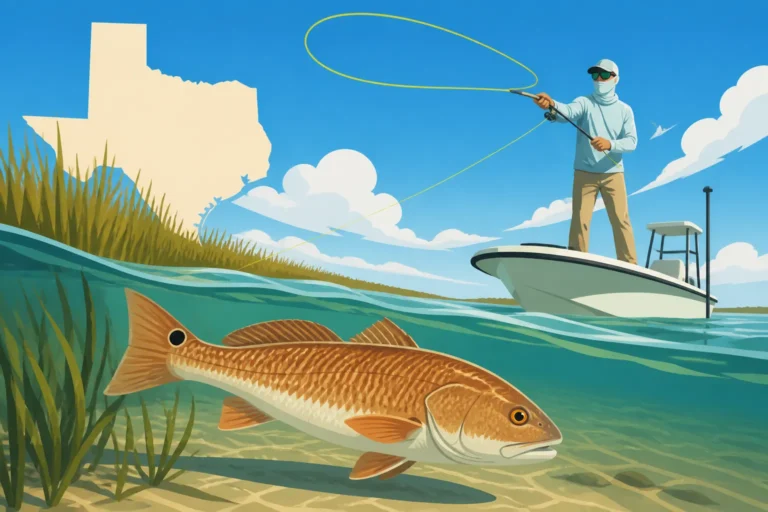
For our saltwater brethren on the Texas Gulf Coast, the full moon's impact on tides is undeniable. The moon's gravity creates stronger tidal currents, leading to higher high tides and lower low tides. These larger tidal swings can be a huge benefit for coastal fishing. Stronger currents dislodge baitfish and shrimp from their hiding spots, carrying them past prime ambush points. This concentrates food for predators like redfish, speckled trout, and flounder.
Understanding the specific tide charts for your chosen bay or pass during a full moon period is crucial. Fishing the strong outgoing tides around the full moon, especially near passes, bayou mouths, and channels, can be incredibly productive as bait is flushed out. Similarly, the incoming tide can push nutrient-rich water and bait into shallow flats and marsh areas, making for excellent wade fishing opportunities. Remember to check local regulations for specific species like Texas Redfish Size and Bag Limits or Texas Speckled Trout Bag Limits, as these can vary.
Strategic Angling: Techniques for Maximizing Your Full Moon Catch
Knowing when to fish around a full moon is only half the battle; knowing how to fish is equally important. Adaptability is key, whether you're chasing bass, catfish, or redfish.
Embrace the Night: Prime Time for Many Species
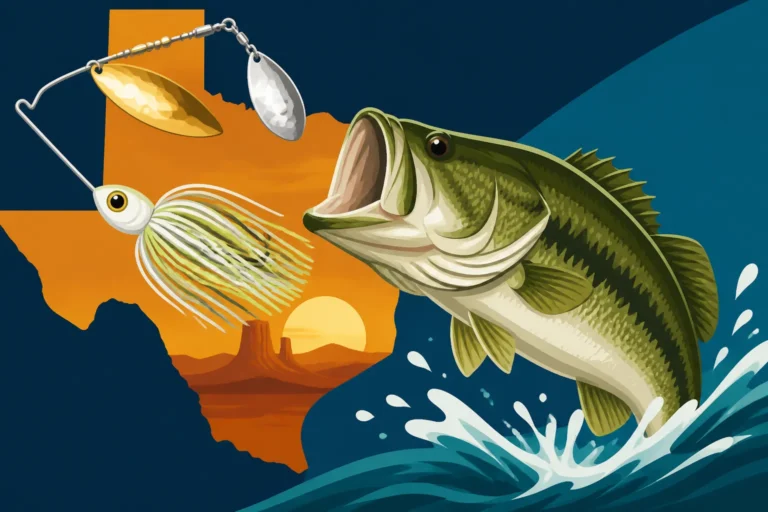
The full moon provides natural light, making night fishing not only possible but often incredibly productive. For largemouth bass, especially in clear water lakes like Lake Travis or Canyon Lake, this can mean phenomenal topwater action. Dark-colored topwater lures or buzzbaits retrieved quickly can create irresistible silhouettes against the moonlit surface. When the fish are less aggressive, slow-rolling a spinnerbait or a jig along points and ledges can also be effective.
Catfish are naturally nocturnal, and the full moon often amplifies their activity. Using stink baits, cut bait, or live perch on trotlines or juglines can yield impressive results. Just remember to check Texas Trotline and Jugline Rules before you head out. For coastal anglers, a full moon night can be excellent for targeting speckled trout under dock lights or around lit piers, where shrimp and baitfish congregate. Glow-in-the-dark lures, readily available on Amazon, can be deadly in these situations.
Adjusting Your Daytime Approach Post-Full Moon
If you're fishing during the day immediately after a full moon, don't expect the same aggressive bite you might find during other moon phases. Fish are often lethargic. Focus on slower presentations and deeper water. Look for fish holding tight to cover, under docks, or in shady areas where they might be resting. Using finesse techniques like a shaky head or a dropshot can coax bites from sluggish bass. For catfish, target deeper holes in rivers or the main lake channels.
In saltwater, consider adjusting your retrieve speed or opting for natural baits. Shrimp or mullet under a popping cork worked slowly can entice trout or redfish that aren't actively chasing. Sometimes, a well-placed soft plastic bait, mimicking a stunned or slow-moving baitfish, is all it takes. Checking a detailed fishing report, like those often found for Lake Fork Fishing Guide or Sam Rayburn Reservoir Fishing Guide, can give you localized insights into current fish behavior.
Here's a quick reference table for full moon fishing tactics:
| Timeframe | Recommended Approach | Target Species & Notes |
|---|---|---|
| 2-3 Days Before Full Moon | Aggressive presentations, topwaters, faster retrieves. Fish are ramping up. | Bass, Stripers, Redfish, Trout (active feeding expected). |
| Full Moon Night | Night fishing! Topwaters, spinnerbaits, glow lures, live/cut bait. Focus on bright areas. | Bass, Catfish, Stripers, Speckled Trout (peak nocturnal activity). |
| Day After Full Moon | Finesse, slower retrieves, deeper water, shaded areas. Fish often lethargic. | All species (expect slower bite, focus on tempting reluctant fish). |
| Next Few Days Post-Full Moon | Gradually return to normal patterns. Focus on primary feeding windows (solunar). | All species (can still be good, but less predictable than pre-moon). |
Essential Gear for Full Moon Angling
When you're out there chasing fish under the lunar glow, having the right gear is paramount. For night fishing, a powerful headlamp is non-negotiable – you can find a huge variety of options on Amazon, many with red light settings to preserve your night vision. Remember to carry extra batteries! Beyond light, consider baits that are visible or create a strong profile in low light. Dark-colored topwaters, spinnerbaits with large thumping blades, or jigs with rattles are great choices. For those coastal trips, a good pair of polarized sunglasses, also easily found on Amazon, will help cut through glare during the day, even if the moon was up all night. Having reliable fishing electronics, like those discussed in Best Fishing Electronics for Texas Anglers, can also be crucial for navigating and finding structure in low light.
Beyond Lunar Logic: Holistic Factors for Full Moon Success
While the moon definitely plays a role, it's just one piece of the puzzle. Overlooking other crucial factors can lead to disappointment, even on the most "perfect" full moon day.
Weather, Water Conditions, and Barometric Pressure
The weather often overrides lunar influence. A raging cold front, high winds, or sudden temperature drops can shut down a bite faster than any moon phase can turn it on. Pay close attention to recent weather patterns. Has there been a cold front moving through, as detailed in How to fish a Texas reservoir after a cold front? Or perhaps heavy rains have muddied the water, requiring different lure choices as discussed in Best lure colors for stained water.
Barometric pressure is another critical factor. A stable, high-pressure system generally leads to more active fish, while rapidly falling pressure (often associated with approaching storms) can make them lethargic. Understanding How barometric pressure affects fishing can give you an edge, regardless of the moon phase. Always check the forecast and adapt your strategy accordingly. Texas weather can be famously unpredictable, so being prepared for anything is always a good idea.
Time of Year and Water Temperature
The time of year dictates fish behavior more than almost anything else. A full moon in January will have a vastly different impact than a full moon in July. Fish are cold-blooded creatures, and water temperature dictates their metabolism, spawning patterns, and feeding habits. For instance, Texas Largemouth Bass Spawning Months are usually in spring, during which a full moon can trigger major spawning activity, but not necessarily a feeding frenzy. In contrast, a full moon during the heat of summer, discussed in How to Fish in Hot Texas Summers, might push fish even deeper during the day but encourage intense night feeding.
Understanding the seasonal patterns for your target species is paramount. Is it the white bass run, as described in Texas White Bass Run Timing? Or are you targeting crappie during their cooler water schooling phase? Combining lunar knowledge with seasonal patterns gives you the most potent prediction for success.
Location, Location, Location!
Finally, even with perfect moon and weather conditions, you won't catch fish if you're not in a good spot. Knowing the best places to fish in Texas, whether it's Best Bass Lakes in Texas or Best Texas Gulf Coast Fishing Spots, and then understanding the specific structures and cover within those locations, is non-negotiable. During a full moon, fish might move to different areas than usual. For example, bass might move shallower at night to hunt under the moonlight, while catfish might cruise open flats.
Pay attention to natural forage and cover. If you're on the coast, look for areas with active baitfish schools. In freshwater, target points, submerged timber, or weed lines where predatory fish might be ambushing prey. Always do your homework on your chosen fishing spot. A quick check of Texas Freshwater Fishing Regulations or Texas Saltwater Fishing Regulations for your specific area will ensure you're fishing legally and effectively, regardless of the lunar cycle.
Disclaimer
This article is for general informational purposes only and does not constitute professional advice. Laws, prices and regulations vary by location and change over time. Consult a qualified professional for guidance on your specific situation.