Texas Youth Fishing License Rules
There's nothing quite like watching a child's face light up as they reel in their very first fish, or seeing their excitement grow with every tug on the line. For many parents and grandparents in Texas, the idea of taking kids fishing is incredibly appealing, but then the questions start bubbling up: "Do my kids need a fishing license?" "What about my grandkids visiting from out of state?" The regulations can seem daunting, but the good news is that Texas makes it wonderfully straightforward for young anglers. This comprehensive guide will untangle all the Texas youth fishing license rules, ensuring you spend less time worrying about paperwork and more time making unforgettable memories on the water with your little ones.
Understanding the Basics of Youth Fishing Licenses in Texas
Texas, like many states, has specific rules designed to encourage participation in outdoor activities, especially fishing, among its younger generation. The fundamental principle is to remove barriers for kids to get out there and experience the joy of angling. This means a blanket exemption for a significant portion of the youth population, a rule that often brings a sigh of relief to many families.
Who Needs a License and Who Doesn't
The Texas Parks and Wildlife Department (TPWD) has made the rules exceptionally clear when it comes to age exemptions for fishing licenses. Generally speaking, if a child is below a certain age, they are simply not required to have a fishing license to cast a line in public waters across the state. This is a fantastic benefit for families, cutting down on costs and administrative hurdles that might otherwise deter a spontaneous fishing trip. Imagine heading out to your favorite lake or bay without having to purchase a separate license for each child or grandchild joining you; that's the reality for most young Texans and visitors. This exemption covers both freshwater and saltwater fishing, from chasing catfish in a local pond to targeting redfish in Galveston Bay. It's truly designed to make fishing accessible and enjoyable for the younger crowd, fostering an early love for the outdoors and conservation.
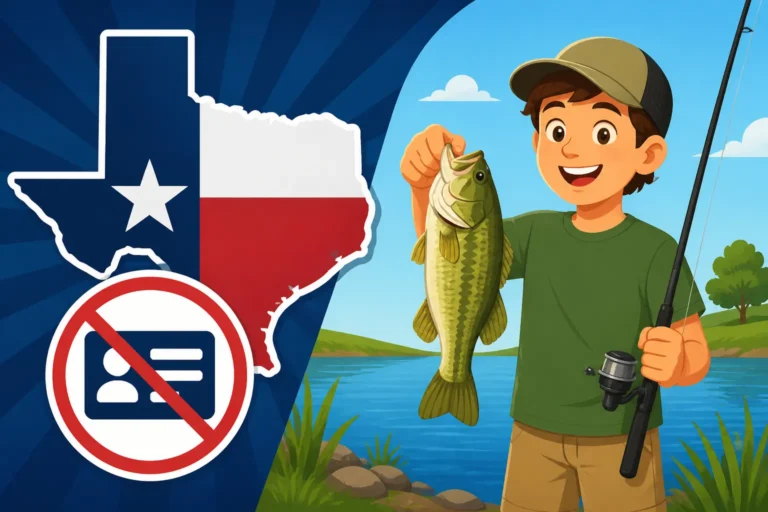
The specific age threshold in Texas is consistently "under 17 years of age." This means any child who is 16 years old or younger does not need a Texas fishing license. As soon as a child turns 17, they are considered an adult in the eyes of fishing regulations and must then purchase the appropriate license to continue fishing in public waters. This is an important distinction to remember as your child approaches that milestone birthday. The rationale behind this age-based exemption is deeply rooted in encouraging youth participation in outdoor sports. By removing the financial and logistical requirement of purchasing a license, TPWD hopes to inspire a new generation of anglers who will grow up to appreciate and protect Texas's rich aquatic resources. It's a strategic move to ensure the future of fishing in the Lone Star State.
It’s also crucial to understand that a parent or guardian's license status has absolutely no bearing on a child's exemption. For example, if you, as an adult, have your valid Texas Fishing License Requirements Explained, your 10-year-old doesn't suddenly need one because you do. The exemption for the child stands on its own. This is a common point of confusion, but the rule is simple: if they are 16 or younger, they fish for free, regardless of whether the adults accompanying them are licensed or not. Of course, the adults themselves must comply with all licensing requirements and ensure they understand their own obligations for Texas Fishing License Cost for Residents and Nonresidents. This clear delineation ensures that the focus remains on the child's direct eligibility based on age, simplifying the planning process for family fishing outings across Texas.
The Texas Parks and Wildlife Department's Role
The Texas Parks and Wildlife Department (TPWD) is the primary governing body responsible for managing and conserving Texas's natural and cultural resources, and that absolutely includes our incredible fishing opportunities. They are the folks who set all the rules and regulations, from when you need a license to how many fish you can keep. Their mission isn't just about enforcement; it's about stewardship, ensuring that the lakes, rivers, and coastal waters of Texas remain healthy and productive for generations to come. This means balancing recreational access with conservation needs, and the youth fishing license exemption is a perfect example of that balance in action. It shows their commitment to fostering new anglers while ensuring the sustainability of fish populations.
TPWD establishes these regulations through a careful process that often involves scientific research, public input, and policy review. They track fish populations, study environmental impacts, and consider the socio-economic benefits of recreational fishing. Once regulations are set, they are communicated through various channels, most notably their official Outdoor Annual, which is available both online and in print. This comprehensive guide details everything from Texas Freshwater Fishing Regulations to Texas Saltwater Fishing Regulations, ensuring that anglers have access to the most up-to-date information. Understanding that TPWD is the source of truth is paramount, as rumors or outdated information can lead to misunderstandings or, worse, unintended violations.
Given the dynamic nature of conservation and recreational management, it's always important to double-check official sources, especially before heading out on a trip. While the "under 17" rule for youth fishing licenses has been a longstanding and consistent policy, other regulations, such as bag limits, length limits, and season closures, can and do change. This applies to all anglers, regardless of age. TPWD's website and their free mobile app are excellent resources for staying informed. By familiarizing yourself with these official channels, you're not only ensuring compliance but also supporting the vital work TPWD does to protect and enhance Texas's natural heritage. It's about being a responsible steward of our shared resources, and that lesson starts young.
Specific Age Exemptions for Young Anglers
Let's dive deeper into the nitty-gritty of the age exemptions because this is where a lot of the relief comes in for families wanting to introduce kids to fishing without extra hassle. Texas has one of the most generous and straightforward youth license policies, making it truly inclusive for young outdoor enthusiasts.
The "Under 17" Rule Explained
When we talk about Texas youth fishing license rules, the magic phrase you need to remember is "under 17 years of age." This isn't just a casual guideline; it's the bedrock of the entire youth exemption policy. What it exactly means is that any child who is 16 years old or younger does not need a fishing license to fish in the public waters of Texas. So, if your child is 12, 14, or even turns 16 the day before your fishing trip, they are good to go without a license. It’s only once they celebrate their 17th birthday that they transition into the adult category for licensing purposes. This crystal-clear rule eliminates ambiguity and makes it incredibly easy for parents and guardians to know exactly where they stand without needing to consult complex charts or legal jargon.
This exemption is incredibly broad and covers virtually all forms of recreational fishing available in Texas. Whether your young angler is using a simple cane pole to catch sunfish from a dock, casting artificial lures for bass on Lake Fork, or trying their hand at wade fishing for speckled trout on the coast, as long as they are under 17, they don't need a state-issued fishing license. This even extends to other legal fishing methods like trotlines or juglines, provided the adult supervising or setting the gear holds the proper license and ensures all other gear tag and regulatory requirements are met. The key takeaway is that the child's act of fishing is exempt. This freedom is a huge boon for families, allowing them to explore diverse fishing experiences across the state without financial or bureaucratic barriers for their kids.
Despite the clarity, some common misconceptions still pop up. One frequent assumption is that if an adult angler possesses a "senior" or "lifetime" license, it somehow extends coverage to accompanying children or grandchildren. This is incorrect. The exemption for youth is purely based on their age (under 17) and is completely independent of any adult's license status. Another misconception is that fishing on private property or in certain urban ponds might have different youth rules. While some private ponds may not require a state license (always verify with the property owner), the "under 17" rule for public waters remains consistent. Always check with TPWD for the most accurate and current information, but rest assured, for most common fishing scenarios, if your child is 16 or younger, they fall under the Who Doesn't Need a Texas Fishing License category.
Free Fishing Opportunities and Programs for Kids
Beyond the age-based exemption, Texas goes the extra mile to encourage fishing among youth through various programs and designated free fishing opportunities. These initiatives make it even easier and more accessible for families to introduce children to the sport, often in convenient, urban settings. It’s not just about not needing a license; it’s about actively providing places and times for kids to fish.
One fantastic resource is the TPWD's Neighborhood Fishin' Program. This initiative stocks community lakes and ponds in urban areas across the state, making fishing easily accessible for city dwellers. These ponds are regularly stocked with catchable-sized fish like rainbow trout in the cooler months and catfish during warmer seasons, practically guaranteeing a fun and successful outing for beginners. The beauty of these programs is that they are designed with ease in mind: close to home, often with amenities like fishing piers, and perfect for a quick afternoon trip. For kids under 17, the license exemption applies here too, making it a completely free activity (aside from bait and tackle, which can be found affordably on platforms like Amazon if you're just starting out).
Another highlight on the Texas fishing calendar is Texas Free Fishing Day. While the specific date can vary slightly year to year, it's typically celebrated on the first Saturday in June. On this designated day, anyone — regardless of age — can fish in any public water of Texas without needing a fishing license. This is a spectacular opportunity for adults who might not fish regularly to join their kids, or for families to try out fishing for the very first time without any commitment. While the license requirement is waived, it's crucial to remember that all other fishing regulations, such as bag and length limits, remain in effect. It's a fantastic day to explore new fishing spots and truly celebrate the sport with the entire family.
Furthermore, fishing at Texas State Parks often comes with added benefits. Many state parks, like Inks Lake State Park or Galveston Island State Park, offer fantastic fishing access, whether from piers, banks, or designated fishing areas. A significant perk is that fishing from the shore or a pier within the boundaries of a Texas State Park does not require a fishing license, even for adults! This makes state parks an ideal destination for families, as the "no license needed" rule for shoreline fishing combines perfectly with the existing "under 17" exemption for kids. So, if you're planning a family camping trip, throwing in a fishing rod for the kids (and yourself!) is a no-brainer. This complements the broader Free Shoreline Fishing at Texas State Parks benefit, creating an incredibly welcoming environment for budding anglers.
When a Youth License Might Still Be Necessary or Beneficial
While the "under 17" rule provides broad exemption, it's worth exploring if there are any fringe cases or specific situations where a youth license might come into play, or why a parent might voluntarily choose to purchase one for their child. These scenarios are rare for recreational fishing, but understanding them provides a complete picture.
Special Permits or Endorsements (Generally Not Applicable)
For the vast majority of youth anglers in Texas, the concept of "special permits or endorsements" is completely irrelevant. The "under 17" fishing license exemption is a comprehensive waiver for standard recreational fishing. Unlike adults who might need specific endorsements for certain activities, such as a Texas Saltwater Endorsement Explained to fish in coastal waters or a migratory bird stamp for duck hunting, kids simply don't have these additional requirements for fishing. TPWD has deliberately kept the youth regulations as simple as possible to foster participation, ensuring that the learning curve for fishing itself is the primary focus, not complex bureaucratic hoops.
Let's think about a hypothetical, albeit extremely unlikely, scenario: A child, despite being under 17, becomes involved in a commercial fishing operation, perhaps as part of a family business. In such highly specialized and rare instances, there might be specific commercial licenses or permits required that supersede general recreational exemptions. However, this is far removed from a child simply going fishing with a rod and reel for fun. For all intents and purposes of recreational angling, parents can rest assured that their child's under-17 status means they are free from the need for any additional fishing-related permits or endorsements.
TPWD's commitment to making fishing accessible for youth is unwavering. They've streamlined the process to be as inclusive as possible, meaning adults have more to consider in terms of their own licensing requirements and special stamps than their junior counterparts. The framework is designed to ease adults into guiding and teaching, not burdening them with additional paperwork for their aspiring young anglers. This emphasis on simplicity allows families to focus on the experience, on learning casting techniques, identifying fish species, and understanding Texas Fish Bag and Length Limits for the family's overall catch, rather than navigating a maze of youth-specific permits.
Why Some Parents Choose to Buy a Youth License
Even though it’s not required by law for those under 17, some parents and guardians still opt to purchase a fishing license for their children. This might seem counterintuitive at first, but there are several thoughtful reasons behind this decision, often rooted in supporting conservation or simply instilling a sense of personal responsibility.
One of the most common reasons parents voluntarily purchase a license for their child is to contribute to conservation efforts. When you buy a Texas fishing license, a significant portion of the funds goes directly towards TPWD's programs, which include fish stocking, habitat restoration, fisheries management, and angler education. For parents who are passionate about preserving Texas's natural resources for future generations, buying a child's license, even if not mandatory, is a tangible way to support these vital initiatives. It's a way of teaching children about the financial aspect of conservation and that fishing isn't just about taking, but also about giving back to protect the resource. This fosters a deeper understanding of environmental stewardship from a young age.
Another less common but valid reason might involve specific fishing events or competitions. While most standard fishing tournaments for youth divisions will respect the state's "under 17" license exemption, there might be very niche or private events that have their own rules. For instance, some club-level tournaments might encourage or even require participants to have a license for administrative purposes or as a show of commitment to the sport, even if it's not a state requirement. While this is rare, it's always wise for parents to carefully review the rules of any organized fishing event their child plans to enter. However, for everyday recreational fishing, this is generally not a concern.
Finally, some parents see the act of purchasing a license as a symbolic gesture, a way to help their child feel like a full-fledged angler, just like the adults. Having their own "official" document, even if technically unnecessary, can be a source of pride for a young person. It reinforces the idea that fishing is a privilege that comes with responsibilities, even if those responsibilities are primarily about ethical angling and following the rules. It can also serve as an early form of identification for recreational activities, though a driver's license or state ID would serve that purpose more broadly once they are older. Ultimately, whether to purchase a license for an exempt child is a personal choice, weighing the desire to support conservation and promote responsibility against the legal exemption.
Common Questions and Misconceptions for Youth Anglers
Even with clear rules, confusion can crop up, especially when multiple people are fishing together or when considering specific scenarios like tournaments or out-of-state visitors. Let’s tackle some of these common questions and clear up any lingering misconceptions.
Fishing with Adults Who Have Licenses
A very common question that surfaces, particularly among new fishing families, is whether a child's license exemption is somehow tied to the adults they are fishing with. The answer is a resounding no. The "under 17" rule for youth fishing licenses in Texas is an independent exemption. This means that if you, as an adult, have purchased your required How to Get a Texas Fishing License, your child who is 16 years old or younger still does not need one. Their eligibility to fish license-free is based solely on their age, not on the license status of their parents, grandparents, or any other accompanying adults. This makes it incredibly simple for families; you only need to worry about your own adult license requirements and the rules for any other adults in your group.
There's no such thing as a "family license" in Texas that covers a group of anglers, including children. Each individual adult angler (17 years or older) is responsible for possessing their own valid fishing license, complete with any necessary endorsements like the saltwater stamp if they're fishing in coastal areas. The youth exemption is a specific carve-out for minors. So, if Grandma, Grandpa, Mom, and Dad are all going fishing with three kids under 17, only the adults would need to be licensed according to their residency and chosen fishing waters. This streamlined approach keeps the focus on individual accountability for adults while providing an open door for youngsters to participate without burden.
What this independent exemption does not mean, however, is that adults are off the hook for all responsibilities when fishing with kids. While the children themselves don't need licenses, the adults are responsible for ensuring that all other regulations are followed for the entire group's catch. This includes adherence to Texas Fish Bag and Length Limits for all species caught, ensuring any gear used (like cast nets for bait or trotlines) meets legal specifications, and knowing specific regulations for the body of water you're fishing. For example, if your 10-year-old catches a largemouth bass that's under the minimum length limit, it must be immediately released, just as if an adult had caught it. The child's lack of a license doesn't grant them immunity from other conservation regulations; those rules apply to the collective effort.
Youth Participation in Fishing Tournaments
Fishing tournaments are a fantastic way to introduce competitive spirit and hone skills for young anglers, but they can also raise questions about licensing. The good news is that for state-level licensing, the "under 17" rule generally holds true even in a tournament setting. A child who is 16 years old or younger participating in a fishing tournament in Texas still does not need a state fishing license. TPWD's regulations prioritize facilitating youth involvement across all recreational fishing activities, including organized events.
However, it's absolutely vital for parents to understand that tournament organizers may have their own specific rules and entry requirements that are separate from state licensing laws. Many youth fishing leagues, high school bass fishing clubs, or larger tournament circuits like those run by Texas B.A.S.S. Nation, often have age divisions, registration fees, and codes of conduct. While these organizations typically respect the state's license exemption, they might require membership in their specific association or a signed waiver from a parent or guardian. It’s always best practice to thoroughly read the official rules for any tournament your child plans to enter. Don't assume anything; a quick call or email to the tournament director can save a lot of headaches on event day.
These tournaments are often a fantastic gateway into more serious angling, providing mentorship, skill development, and camaraderie. Many youth divisions focus not just on catching fish, but also on conservation, sportsmanship, and learning about different fish species. While the state keeps licensing simple, the tournament world offers layers of engagement that can truly enrich a young angler's journey. Just remember that while the state license is likely a non-issue for your under-17 competitor, the specific tournament's guidelines are your go-to reference for all other participation details.
Rules for Non-Resident Youth
This is a critical point for families visiting Texas who want to enjoy some fishing. The "under 17" fishing license exemption applies universally to all youth, regardless of their residency status. This means if you're visiting from Oklahoma, California, or anywhere else, and your child is 16 years old or younger, they can fish in Texas public waters without needing a non-resident youth license. This is an incredibly welcoming policy that makes Texas a prime destination for family fishing vacations.
This universal exemption for youth stands in stark contrast to the rules for adult non-residents. If you, as an adult from out of state, plan to fish in Texas, you will absolutely need to purchase a non-resident fishing license. These licenses typically come at a higher cost than resident licenses and can be structured differently (e.g., annual vs. short-term options). You can explore options like the Texas Nonresident Fishing License Cost to plan your trip. But for the kids, the playing field is completely level: resident or non-resident, under 17 means no license required.
This generous approach is a true boon for tourism and family leisure. Imagine planning a trip to the Texas coast with your family from Kansas. While you and your spouse might need to buy a Texas All-Water Fishing License Explained for non-residents, your 8-year-old and 14-year-old can freely cast their lines for redfish and speckled trout alongside you. It removes a significant barrier and expense for visiting families, allowing them to fully immerse themselves in the rich fishing culture that Texas offers. It's yet another way Texas encourages an early and lifelong appreciation for fishing and the outdoors, extending its hospitality to young anglers from far and wide.
Ensuring a Safe and Enjoyable Experience for Young Anglers
Getting your kids out on the water is about more than just licenses; it’s about making sure they have a great time and stay safe. A positive early experience can ignite a lifelong passion for fishing, so it's important to be prepared.
Essential Gear for Kids
Just because your child doesn't need a license doesn't mean they don't need the right gear! Having appropriate equipment can make a world of difference in their enjoyment and success. For young anglers, simplicity and ease of use are key. Start with a basic rod and reel combo that fits their size and strength. A spincast reel (the kind with a push-button release) is often perfect for beginners, as it's less prone to tangles than a spinning reel and much easier to learn than a baitcaster. You can find excellent, durable beginner combos for kids on platforms like Amazon, often featuring bright colors and cartoon characters that appeal to children. Make sure the rod isn't too long or heavy for them to handle comfortably, preventing fatigue and frustration.
Beyond the rod and reel, think about basic tackle. A small tackle box stocked with bobbers, hooks (size 6 or 8 are usually good for panfish), sinkers, and a few easy-to-use artificial baits or a container for live bait (like worms or crickets) will suffice. Don't overcomplicate it! Kids thrive on simplicity and the excitement of a bite. Consider a small, child-friendly net to help them land their fish, which also helps protect both the fish and little hands from hooks. A pair of small pliers or a de-hooker is also essential for safe hook removal, especially with feisty fish.
Safety, of course, is paramount. Always ensure your child wears a properly fitted life jacket if you're fishing from a boat – in Texas, children under 13 are legally required to wear one while underway or when the boat is stopped on the water. Even when fishing from the bank or a pier, it's a good idea for young children or those who can't swim to wear a PFD. Sun protection is also critical in the Texas heat: wide-brimmed hats, sunglasses (polarized ones are great for seeing fish!), and plenty of sunscreen are non-negotiable. Bring plenty of water and snacks to keep energy levels up and prevent dehydration. A small, lightweight cooler for drinks and a few fish (if you plan to keep them and they meet Texas Fish Bag and Length Limits) will also come in handy, keeping everything fresh and cool.
Teaching Conservation and Ethical Angling Early
Introducing children to fishing isn't just about catching fish; it's a golden opportunity to instill vital lessons in conservation and ethical angling. These principles are what truly define a responsible angler and ensure the health of our waterways for years to come. Even without a license, teaching respect for the resource begins with the very first cast.
Start by teaching the importance of catch-and-release, especially for fish that are out of legal limits, or simply if you don't intend to eat them. Demonstrate how to handle fish gently with wet hands, support their body weight, and quickly return them to the water. Explain why we do this – to help fish grow bigger and ensure there are plenty for others to catch in the future. It’s also important to convey that while they might be exempt from needing a license, the overall bag and length limits for the species you're targeting still apply to the group's collective catch. This helps them understand that rules are in place for a reason, even if they aren't the primary enforcer of those rules for themselves.
Beyond the fish themselves, teach environmental responsibility. Pack out everything you pack in – absolutely no litter left behind. Show them how to properly dispose of old fishing line (which can be deadly to wildlife) and other trash. Talk about the importance of keeping our lakes, rivers, and bays clean. Explain how pollution can harm fish and other aquatic creatures. Encourage them to observe other wildlife, appreciate the natural surroundings, and understand their role in protecting these spaces. When you're out fishing, use it as a teaching moment to identify different fish species, explain their habitats, and discuss how they fit into the ecosystem. The Texas Largemouth Bass Fishing Guide or Texas Catfish Species Guide can be great resources to learn together.
Instilling these values early helps create a generation of thoughtful and passionate stewards of the environment. A child who learns to respect the fish and their habitat from a young age is far more likely to grow into an adult who actively champions conservation. Fishing becomes more than just a hobby; it becomes a connection to nature and a commitment to its protection. This deep appreciation for the outdoors is perhaps the most valuable lesson a fishing trip can offer.
Where to Find Official Information and Support
Having the right information is just as important as having the right bait. Knowing where to go for official, up-to-date details ensures you're always fishing legally and responsibly.
Navigating the TPWD Website
The official Texas Parks and Wildlife Department (TPWD) website is your absolute best friend when it comes to understanding fishing regulations, including those concerning youth licenses. Think of it as the ultimate authority for all things fishing in Texas. Navigating it can seem a little overwhelming at first glance, but once you know where to look, it's a treasure trove of vital information. Start by looking for sections titled "Fishing," "Regulations," or "Licenses." These areas will house the most current version of the Outdoor Annual, which is the comprehensive guide to all hunting and fishing laws.
On the website, you can easily find details about all Texas Fishing License Requirements Explained, including specific age exemptions, and any changes that may have occurred since the last fishing season. They also provide information on specific species regulations, such as Texas Largemouth Bass Length Limits or Texas Redfish Size and Bag Limits, which are crucial to know, especially for the adults in your fishing party. Beyond regulations, the TPWD site offers invaluable resources like fish stocking reports, public access points for fishing, and even educational materials for beginners. It’s a living document, constantly updated, so making it a habit to check before each season or a trip to a new area is always a good idea.
Relying directly on TPWD for information is critical because fishing regulations, though stable for youth exemptions, can and do change for other aspects like bag limits or seasonal closures. While advice from fellow anglers or bait shop owners is valuable, always cross-reference with the official source. The TPWD also has a mobile app available for both iOS and Android devices, which often includes a digital version of the Outdoor Annual, allowing you to access regulations even when you're out on the water. This dedication to transparent and accessible information empowers anglers of all ages to enjoy Texas's aquatic resources responsibly.
Resources for Family Fishing
Texas is a fantastic state for family fishing, and there are many resources available to help make your outings successful and enjoyable. Beyond the regulatory information, TPWD actively promotes family-friendly fishing through various initiatives designed to get more people, especially kids, hooked on fishing.
One such initiative is the "Take Me Fishing" campaign, which is often promoted by TPWD. This program focuses on providing easy-to-understand information and resources for families and beginners. It often includes tips on basic fishing techniques, how to choose the right gear (which can also be sourced easily from places like Amazon), and where to find accessible fishing spots. These resources often highlight urban fishing opportunities, making it convenient for city-dwelling families to introduce their children to the sport without needing to travel far.
Community fishing programs, as mentioned earlier with the Neighborhood Fishin' Program, are another incredible resource. These regularly stocked ponds in city parks offer consistent opportunities for kids to catch fish, building confidence and excitement. You can usually find a list of participating locations and stocking schedules on the TPWD website. These spots often have amenities like restrooms, picnic areas, and paved trails, making them ideal for a family outing that extends beyond just fishing.
Don't forget local bait and tackle shops! These businesses are often hubs of local fishing knowledge and can provide invaluable, up-to-the-minute advice on what's biting, what bait to use, and where the best spots are for kids. The folks who run these shops are usually passionate anglers themselves and are eager to help new generations discover the joy of fishing. They can be a wonderful complement to the official TPWD resources, offering a local, personalized touch to your family's fishing adventure.
By combining official regulatory information with accessible fishing programs and local expertise, you can ensure that your family's fishing experiences in Texas are not only compliant but also consistently rewarding and fun for everyone involved.
| Age of Angler | Texas Fishing License Required? | Notes |
|---|---|---|
| 0-16 years old | No | Exempt, regardless of residency. This applies to all public fresh and saltwater fishing. |
| 17 years old + | Yes | Considered an adult. Must possess a valid Texas fishing license and any required endorsements (e.g., saltwater stamp). |
Disclaimer
The information provided in this guide is for general informational purposes only and is not intended as legal advice. Fishing regulations in Texas can change, and it is always the angler's responsibility to consult the most current Texas Parks and Wildlife Department (TPWD) Outdoor Annual or official TPWD website for the latest and most accurate information before engaging in any fishing activities. Compliance with all state and local fishing laws and regulations is mandatory.