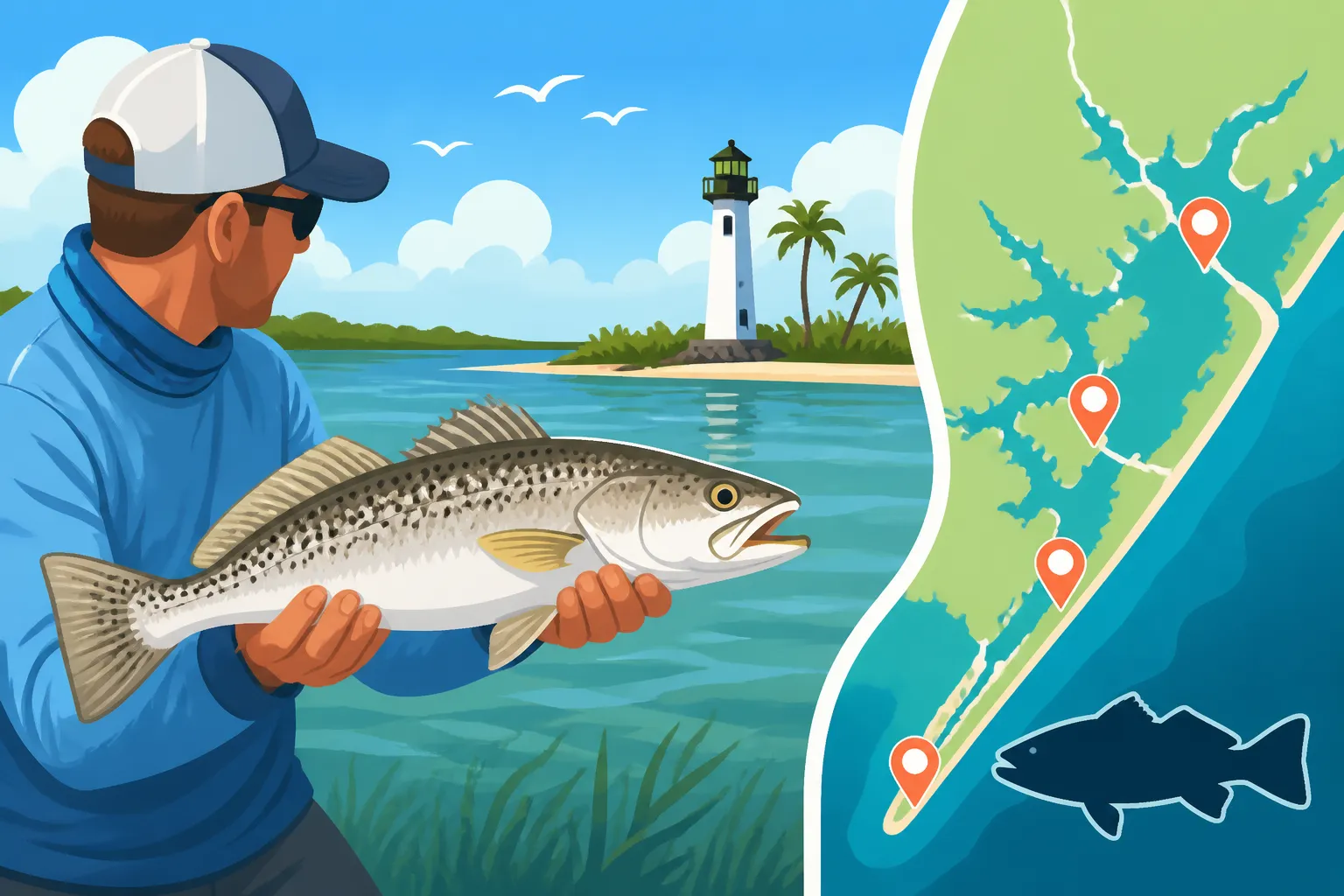
Where to fish for speckled trout near Port Aransas
The frustration of driving all the way to the coast, gear packed, hopes high, only to cast your line in unproductive water, is a feeling every Texas angler knows. Especially when you're targeting a prized game fish like speckled trout around Port Aransas, knowing where to go can make all the difference between a triumphant cooler full of fish and a disappointing drive home. This comprehensive guide is designed to cut through that guesswork, detailing the prime locations and essential strategies for finding and catching speckled trout in the vibrant waters near Port Aransas.
Why Port Aransas is a Speckled Trout Paradise
Port Aransas isn't just a beloved beach town; it's a bonafide hub for saltwater anglers, particularly those chasing the elusive speckled trout. The unique confluence of factors here, from expansive bay systems to nutrient-rich channels and diverse bottom structures, creates an ideal environment for Cynoscion nebulosus to thrive, offering consistent action for both seasoned pros and eager newcomers.
Understanding the Habitat
Speckled trout are creatures of habit and prefer specific types of habitats that provide both ample food and protection. Around Port Aransas, this primarily means vast expanses of seagrass flats, intricate networks of oyster reefs, and the deeper channels and cuts that crisscross the bay. The grass flats, particularly those in areas like the Estes Flats, act as nurseries and feeding grounds, teeming with baitfish, shrimp, and crabs – all prime food sources for hungry trout. The grass provides camouflage and ambush points for trout, allowing them to hide from predators while waiting for an easy meal.
Oyster reefs, on the other hand, serve as natural magnets for marine life. These calcified structures provide shelter for smaller organisms, which in turn attract baitfish, and then, of course, the speckled trout. When the tide is moving, these reefs become conveyor belts of food, making them incredibly productive areas. Look for broken shell bottoms or visible oyster beds during low tide to pinpoint these hotspots. Finally, deeper channels and cuts offer trout escape routes from extreme temperatures, especially during hot summers or cold snaps, and also serve as migration corridors. During tidal movements, baitfish are often funneled through these deeper passages, presenting perfect ambush opportunities for trout. Understanding these preferred habitats is the first step to consistently finding speckled trout.
Seasonal Migrations and Patterns
Just like clockwork, speckled trout around Port Aransas adjust their movements and feeding patterns with the changing seasons, and knowing these shifts is crucial for success. In the spring, after the cooler winter months, trout begin to move into shallower bay waters, especially around grass flats and oyster reefs, as the water temperatures rise and baitfish become more active. This is often an incredibly productive time for fishing as trout are eager to feed and pack on weight. As summer progresses and water temperatures soar, many larger trout will seek deeper, cooler water, often gravitating towards channels, dredged areas, or deeper pockets within the bays. They might also feed more actively during the cooler parts of the day, such as early mornings, late evenings, or even into the night.
The fall run is another highly anticipated season. As baitfish like mullet begin their migration out of the bays and into the Gulf, speckled trout stack up in passes, channels, and along the jetties to intercept this easy meal. This can lead to incredible fishing, with aggressive strikes and larger fish. Finally, in winter, trout tend to school up tightly in deeper, protected areas like channels, ship basins, and deeper bayou systems to escape the cold. They become less active, but if you can locate these schools, you can often have banner days. Understanding these seasonal tendencies allows anglers to adapt their strategies and target the fish where they are most likely to be.
Top Inshore Spots for Speckled Trout Near Port Aransas
When you're looking for speckled trout around Port Aransas, you're spoiled for choice. The extensive bay system here offers a myriad of productive spots, each with its own charm and challenges. From vast shallow flats to bustling channels, there's a perfect trout-fishing locale for every angler.
The Iconic Estes Flats
Estes Flats is practically a legend in the Texas fishing community, and for good reason. This sprawling system of shallow grass flats and sand pockets, located just northwest of Port Aransas, is a perennial favorite for speckled trout. Its sheer size means there’s always somewhere new to explore, and the abundant seagrass provides fantastic cover and feeding opportunities for trout year-round. Anglers often refer to specific areas within Estes Flats, such as the "Dagger Island chain" or "Mud Island," as consistent producers. The key to fishing Estes Flats effectively is to pay close attention to the tides. On a rising or falling tide, trout will move onto and off the flats, actively ambushing baitfish.
Wade fishing is extremely popular here, allowing anglers to stealthily approach fish without spooking them. Light tackle and soft plastics, mimicking shrimp or small baitfish, are highly effective. Be mindful of prop scars and oyster beds if you’re navigating a boat; shallower drafting vessels or even kayaks are ideal for accessing the prime areas. Many local fishing guides who list their services on platforms like FishingBooker often make Estes Flats a primary destination for their speckled trout trips, leveraging their deep local knowledge.
Lighthouse Lakes Paddling Trail
For those who prefer a more serene and eco-friendly approach, the Lighthouse Lakes Paddling Trail offers an unparalleled experience, especially for kayak and wade fishermen. This designated paddling trail system meanders through a labyrinth of shallow water, mangrove islands, and seagrass beds located near Aransas Pass, just a stone's throw from Port Aransas. The shallow, clear water makes it ideal for sight-casting to cruising trout, particularly on calm, sunny days. The seclusion here means less boat traffic and often more cooperative fish.
Speckled trout congregate in the deeper channels and cuts within the trail system, as well as along the edges of the grass flats. They often lie in wait along current breaks or near mangrove roots, ready to ambush unsuspecting bait. Small topwater lures, soft plastics under a popping cork, or even live shrimp can be incredibly effective. Remember to bring plenty of water, sun protection, and a pair of good polarized sunglasses for spotting fish in the clear water. This is also a fantastic spot to explore if you’re interested in Best Kayaks for Texas Fishing.
Aransas Bay and its Numerous Coves
Aransas Bay itself is a massive body of water, offering countless opportunities for speckled trout. While Estes Flats is part of the larger Aransas Bay system, many other coves, reefs, and shorelines within the main bay hold significant numbers of trout. Areas like Dalehite Cove, Brown & Root Flats, and the edges of Ransom Island are known for their consistent production. These spots often feature a mix of grass beds, shell reefs, and deeper channels, providing diverse habitats for trout to forage.
Boat fishing is the primary method for covering the vast expanses of Aransas Bay. Drifting over grass beds with live or artificial bait, or anchoring near prominent shell reefs and fishing with live shrimp or croaker, can yield excellent results. Pay attention to bird activity; diving birds often signal schools of baitfish, and where there's bait, there are usually speckled trout right underneath. Consider checking Aransas Bay Speckled Trout Fishing Spots for more specific details on these productive areas.
East Flats and the Port Aransas Ship Channel Jetties
Moving closer to the actual Port Aransas channel, you'll find other fantastic trout opportunities. The East Flats, located just east of the Port Aransas ferry landing, offers similar shallow water fishing to Estes Flats, though often with a bit more boat traffic. It's easily accessible and productive, particularly during cooler months when trout move into the shallows.
For those looking for a different challenge, the Port Aransas Ship Channel Jetties are legendary. These long rock structures extending into the Gulf of Mexico provide deep water access, strong currents, and an abundance of baitfish, making them a magnet for larger speckled trout, especially during the fall migration. Fishing the jetties can be done from a boat, either anchored or drifting, or even by walking out onto the rocks. Live shrimp, croaker, or finger mullet are excellent choices, fished on the bottom or under a popping cork. Artificial lures like large soft plastics or MirrOlures can also be very effective, particularly around the tide changes. Just remember the strong currents require heavier tackle and careful boat handling. This area is also a prime spot to explore if you're interested in Texas Saltwater Fishing Techniques.
Techniques and Tips for Landing Port Aransas Specks
Catching speckled trout around Port Aransas requires more than just showing up at the right spot; it demands a nuanced understanding of their behavior and the environment. Mastering specific techniques and knowing how to interpret the conditions will significantly increase your success rate.
Best Baits and Lures
When it comes to enticing speckled trout in Port Aransas, you have a wide array of options, both natural and artificial. Live bait is often king, especially when fish are finicky or during slower periods. Live shrimp, perhaps the most universal saltwater bait, is deadly when fished under a popping cork or free-lined. Live croaker and finger mullet are also highly effective, particularly for targeting larger "gator" trout. Many local bait shops in Port Aransas will have a fresh supply of these baits daily.
For artificial lures, soft plastics are arguably the most versatile. Paddle-tail swimbaits in colors like "opening night," "chicken on a chain," or "new penny" can be rigged on a jig head and worked slowly along the bottom or jigged through the water column. Jerkbaits and topwater lures are exhilarating choices, especially during low light conditions or when trout are actively feeding on the surface. Zara Spooks, Skitter Walks, and other "walk-the-dog" style topwaters can provoke explosive strikes. Always have a few MirrOlures or Corkys on hand, as these slow-sinking twitchbaits are absolute trout magnets, especially in cooler water or when fish are holding deeper. Don't forget that using good quality Best Bait and Lures for Texas Fishing can elevate your game.
Wade Fishing vs. Boat Fishing Strategies
Choosing between wade fishing and boat fishing largely depends on the specific spot, personal preference, and the prevailing conditions. Each method offers distinct advantages.
Wade Fishing is the quintessential Port Aransas trout experience. It allows for stealthy approaches, minimizing the chance of spooking fish in shallow water. Anglers can cover extensive grass flats silently, making precise casts to potholes, grass edges, and oyster beds. It's often most effective in calm conditions with clear water, allowing you to visually identify productive areas or even sight-cast to cruising trout. Essential gear includes a good pair of waders, wading boots, a wading belt for safety, and a stringer or a floating basket to hold your catch. The physical exertion can be considerable, but the reward of connecting with a big trout in shallow water is unmatched. If you plan to wade, check out articles like How to Wade Fish for Redfish in Texas, which can offer transferable skills and tips.
Boat Fishing, whether from a dedicated bay boat, a technical poling skiff, or even a larger center console, provides access to a much wider range of areas and deeper water. It's ideal for covering large expanses of Aransas Bay, reaching offshore jetties, or navigating intricate bayou systems. Boats allow anglers to quickly move between spots, chase bird activity, or fish structure that is inaccessible from shore. Drifting over grass flats with a trolling motor can be highly effective, allowing you to present baits to a wider area. When boat fishing, always be aware of local regulations, particularly those concerning Texas Boat Safety Equipment Requirements and Texas Boat Registration Requirements. Many anglers opt to hire a local guide for their first few boat trips, and platforms like FishingBooker are excellent for finding reputable captains in the Port Aransas area.
Reading the Tides and Weather
No matter your preferred method, understanding the tides and weather is paramount to consistently catching speckled trout. Speckled trout are highly influenced by water movement. A moving tide, whether incoming or outgoing, typically signals active feeding periods. As water flows, it displaces baitfish and shrimp, making them easy targets. Look for tidal charts specific to the Port Aransas area and plan your trips around the peak movement – usually the first and last hour of a tide change can be incredibly productive. A strong outgoing tide can pull bait out of the back lakes and into the main bay, concentrating fish along channels and passes. An incoming tide can push clean, oxygenated water and new bait onto the flats.
Weather also plays a critical role. Calm, sunny days can be fantastic for sight-fishing in clear, shallow waters, but they can also make trout skittish. Overcast days with a light chop on the water often make trout feel more secure, leading to more aggressive bites, as the choppy surface breaks up their silhouettes. However, strong winds can make fishing difficult, especially wade fishing or navigating shallower areas. Cold fronts can send trout deep, making them less active, while a warming trend after a cold snap can spark a feeding frenzy. Always check the forecast and tidal predictions before heading out, and be prepared to adjust your plans. For example, if you want to understand trout behavior in cooler temperatures, reading up on How to Catch Speckled Trout in Winter can be incredibly insightful.
Essential Gear for Your Port Aransas Trout Trip
Having the right gear won't guarantee a catch, but it will certainly make your Port Aransas speckled trout fishing experience more comfortable, efficient, and ultimately, more successful. From the rod in your hand to the sunglasses on your face, every piece plays a role.
Rod, Reel, and Line Setup
For speckled trout in Port Aransas, a versatile and sensitive rod and reel combination is key. Most anglers prefer a medium-light to medium power spinning rod, typically 6'6" to 7'6" in length, with a fast action tip. This setup provides enough backbone to fight a respectable trout while maintaining the sensitivity needed to detect subtle bites from finicky fish. A good quality 2500 or 3000 series spinning reel, known for its smooth drag and reliable performance in saltwater, is an excellent choice. Brands like Shimano, Daiwa, or Penn offer reliable options that can withstand the corrosive saltwater environment.
For line, braided line is a popular choice for its incredible sensitivity and strength-to-diameter ratio. A 10 to 15-pound braided line is usually sufficient, allowing for long casts and positive hooksets. You'll want to tie on a 2 to 3-foot leader of 15 to 20-pound fluorocarbon. Fluorocarbon is nearly invisible in the water, which is a huge advantage when targeting wary trout, and it also offers good abrasion resistance against shell reefs and fish teeth. This leader also acts as a shock absorber, helping to prevent break-offs. If you're looking to upgrade your setup, consider exploring Best Saltwater Rods for Texas Redfish, which often share characteristics suitable for speckled trout.
Waders, Sunglasses, and Other Must-Haves
Beyond your rod and reel, several other pieces of gear are absolutely essential for a successful and enjoyable trip to Port Aransas.
Waders and Wading Boots: If you plan on wade fishing the shallow flats, a good pair of breathable chest waders is a must. They protect you from the elements, oyster shells, and anything else lurking on the bottom. Pair them with sturdy wading boots that offer good ankle support and grip on slick bottoms.
Polarized Sunglasses: These are non-negotiable for saltwater fishing. They cut through the glare on the water's surface, allowing you to spot baitfish, potholes, oyster reefs, and most importantly, cruising trout. Amber or copper lenses are often preferred for their ability to enhance contrast in diverse lighting conditions. For more details, look at Best Sunglasses for Sight Fishing in Texas.
Sun Protection: The Texas sun is no joke, especially on the water. A wide-brimmed hat, long-sleeved UPF-rated fishing shirts, neck gaiters, and plenty of reef-safe sunscreen are crucial for preventing sunburn and heatstroke.
Cooler and Ice: You’ll need a reliable cooler to keep your catch fresh, especially in the Texas heat. Consider brands like Yeti or Orca for their superior insulation. Don't forget ample ice! A separate cooler for drinks and snacks is also a good idea. For tips on keeping your catch cool, you might find Best Coolers for Texas Summer Fishing Trips helpful.
Pliers and Hook Removers: Have a good pair of stainless steel fishing pliers for cutting line, crimping sleeves, and removing hooks. A dedicated hook remover can be invaluable for safely unhooking fish, especially if you plan to practice catch and release.
Texas Fishing License and Saltwater Endorsement: This is the most crucial "gear" of all! Always ensure you have a valid Texas Fishing License Requirements Explained and the necessary Texas Saltwater Endorsement Explained before casting a line. Ignorance of the law is no excuse, and wardens patrol these waters regularly.
Table: Port Aransas Speckled Trout Hotspots at a Glance
| Fishing Spot | Primary Method | Ideal Conditions | Key Features | Best for |
|---|---|---|---|---|
| Estes Flats | Wade, Kayak | Moving tide, mild winds | Extensive grass beds, sand pockets | Stealthy approaches, sight-casting |
| Lighthouse Lakes Paddling Trail | Kayak, Wade | Calm, clear water | Mangrove islands, shallow channels | Eco-friendly, sight-casting |
| Aransas Bay Coves (Dalehite, etc.) | Boat, Wade | Moving tide, bird activity | Grass beds, shell reefs, current breaks | Covering large areas, diverse fishing |
| Port Aransas Jetties | Boat, Bank (rocks) | Strong currents, fall migration | Deep water, structure, abundant bait | Larger trout, aggressive bites |
| East Flats | Boat, Wade, Kayak | Moving tide | Grass beds, easy access | Convenience, year-round potential |
Remember, local knowledge is invaluable. If you're new to the area or simply want to maximize your chances, consider booking a trip with one of the many experienced guides found on services like FishingBooker. They can provide not only the boat and tackle but also invaluable insights into current patterns and hidden honey holes.
Disclaimer
Fishing conditions and regulations in Texas can change. Always consult the latest Texas Parks and Wildlife Department (TPWD) regulations before heading out on the water. This guide is for informational purposes only and should not replace official TPWD guidelines. Stay safe and enjoy your time fishing!