How to Fish Texas Rivers for Catfish
Fishing Texas rivers for catfish can feel like an entirely different ballgame compared to hitting a lake or pond. The current, the ever-changing depths, the hidden snags, and the sheer vastness can leave even experienced anglers feeling a bit lost. If you've ever stood on a riverbank wondering where to cast, what bait to use, or even what kind of catfish might be lurking, you're not alone. This comprehensive guide is designed to cut through that confusion, giving you the insider knowledge and practical strategies needed to consistently reel in impressive catfish from Texas's diverse river systems.
Understanding Texas River Catfish Species
Texas rivers are teeming with various catfish, each with its own quirks and preferences. Knowing what you're targeting can dramatically improve your success rate because it dictates your bait, rig, and even the type of water you should be looking for. It's not just "a catfish" you're after; it's understanding the nuances of the species that inhabit these flowing waters. For a broader overview of all the whiskered wonders in our state, check out our in-depth guide to the Texas Catfish Species Guide.
Blue Catfish The River Giants
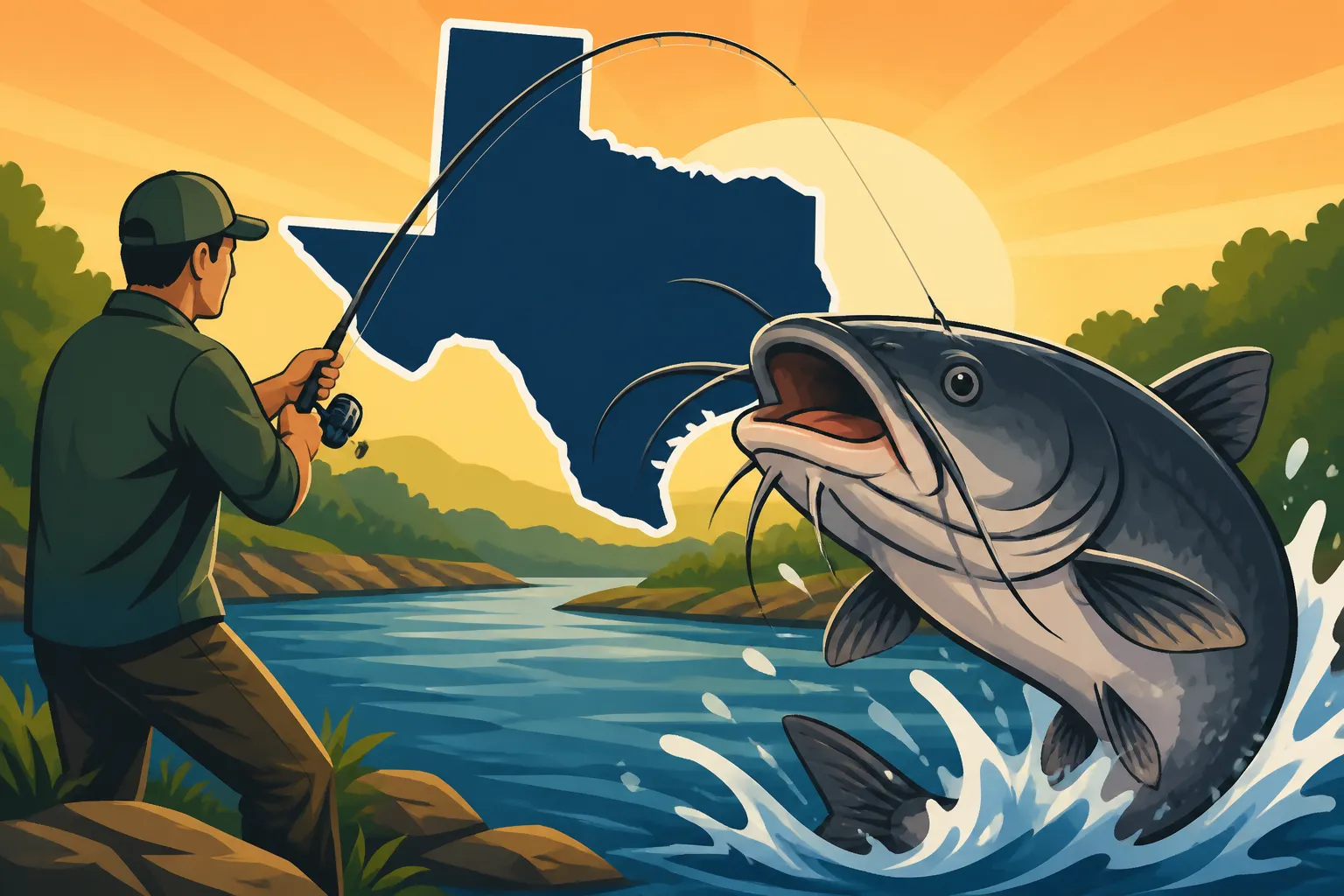
Blue catfish are the undisputed kings of many Texas rivers, known for their massive size and incredible fighting spirit. These powerful fish thrive in swift currents and deep channels, often congregating in large schools. You'll find them in the Brazos, Trinity, Colorado, and Red Rivers, among others. They are true predators with an insatiable appetite, especially for fresh cut bait.
When you're chasing blues in a river, you're usually looking for big structure and current breaks. Think about the outside bends of rivers where the water is deepest, or around submerged timber, rock piles, and bridge pilings that create eddies. These spots offer blues a place to rest out of the main current while ambushing unsuspecting prey. Fresh shad, carp, or even small strips of sunfish are incredibly effective. You can often find a good selection of specialized catfishing gear, including heavy-duty rods and reels perfect for battling these giants, on sites like Amazon. For a detailed breakdown of these impressive fish, dive into our Texas Blue Catfish Identification Guide.
Channel Catfish The Abundant Opportunists
Channel catfish are arguably the most common and widespread catfish species in Texas rivers. They might not reach the colossal sizes of blues, but they offer consistent action and are fantastic table fare. Channels are true omnivores, meaning they'll eat just about anything, from insects and crustaceans to small fish and even fruits that fall into the water. This adaptability makes them a fantastic target for anglers of all skill levels.
In rivers, channel cats prefer areas with moderate current, often found along drop-offs, near submerged brush, or in deeper holes. They're also quite fond of areas where smaller tributaries or creeks dump into the main river, bringing in fresh food sources. You can find them lurking near sandbars or gravel beds. Their opportunistic nature means a wider variety of baits will work, from classic stink baits and shrimp to chicken livers and hot dogs. If you want to know more about what makes these fish tick, explore our Texas Channel Catfish Identification Guide.
Flathead Catfish The Ambush Predators
Flathead catfish are the true heavyweights among their whiskered cousins, known for their unique appearance and solitary, predatory nature. Unlike blue and channel cats, flatheads almost exclusively feed on live bait. They are ambush predators, preferring to hide in dense cover like log jams, undercut banks, or large submerged brush piles, waiting for prey to swim by. Finding a flathead often means finding their home.
Texas rivers with abundant timber and rocky structure, like parts of the Trinity or Sabine River, are prime flathead territory. They don't typically school up like blues, so catching one is often a testament to your ability to find their specific lair. When targeting flatheads, think about using a sturdy rod and reel setup capable of pulling a big fish out of heavy cover. Live sunfish, perch, or small carp are the gold standard for bait. Understanding how these unique fish operate is key to success, so be sure to read our Texas Flathead Catfish Identification Guide.
Prime Texas Rivers for Catfish Angling
Texas is blessed with an incredible network of rivers, and many of them offer fantastic opportunities for catfish enthusiasts. However, some rivers, and specific sections within them, consistently outperform others when it comes to whiskered action. It's about knowing where to focus your efforts to maximize your chances of success. For a broader perspective on river fishing across the state, consider consulting our Best Texas Rivers for Fishing guide.
Major River Systems Known for Catfish
When you think about big Texas rivers, you're thinking about big catfish potential. These major waterways provide the expansive habitat, abundant food sources, and varied structure that catfish, especially the larger blues and flatheads, absolutely thrive in.
The Trinity River is an absolute powerhouse for catfish, particularly blue catfish. From the Dallas-Fort Worth area all the way down to Galveston Bay, the Trinity offers vast stretches of prime catfishing water. Upstream sections feature numerous bends, log jams, and deep holes, while the lower river sees tidal influences and wider, deeper channels. Anglers often flock to areas around Lake Livingston or sections downstream closer to the coast for impressive catches. You can read a dedicated resource like our Trinity River Fishing Guide for more specifics.
The Brazos River is another fantastic choice, carving its way through diverse landscapes and offering incredible catfishing opportunities. It's known for its strong currents, deep pools, and plentiful snags, which are perfect for flatheads, and its open channels hold plenty of blues. Access points can vary, and knowing specific spots can be a game-changer. Our Brazos River Fishing Access Points article provides useful information on getting to the water.
Then there's the Colorado River, which flows through the heart of Texas. This river offers a mix of urban and rural fishing experiences, with excellent populations of channel cats, and good numbers of blues and flatheads in its deeper sections and reservoirs along its course. Around Austin, anglers can find surprising success, while further downstream, the river opens up to bigger water and bigger fish. Our Colorado River Texas Fishing Spots guide can help pinpoint specific areas.
The Red River, forming much of Texas's northern border, is a legendary river for catfish, especially blue cats. Its often muddy waters and strong currents are ideal for robust catfish populations. Anglers frequently target areas downstream of Lake Texoma, where the river's wild character offers a challenging but rewarding experience.
Smaller Tributaries and Oxbows
Don't underestimate the potential of smaller rivers, creeks, and the often-overlooked oxbow lakes that dot our major river systems. While they might not yield the monster blues of the main channels, they are fantastic for consistent channel cat action and often hold impressive flatheads, especially during certain times of the year.
Smaller tributaries, particularly after a good rain, can become highways for channel catfish moving upstream to feed. These smaller waterways are often more accessible for bank anglers and can provide a more intimate fishing experience. Look for deeper pools behind fallen trees or small riffles that create oxygenated water and concentrated food sources. You'll often find that even smaller baits work wonders here, and less heavy gear is needed.
Oxbow lakes, formed when a river changes course and cuts off a bend, are fantastic hidden gems. These isolated bodies of water retain nutrients and provide ideal habitat for a variety of fish, including all three major catfish species. They often have less current, abundant cover from submerged timber and lily pads, and can be perfect for targeting flatheads with live bait in the calmer, woody areas. The calmer waters also make them great spots for beginners or those looking for a more relaxed outing. Always be mindful of land access and regulations when exploring these unique river features.
Essential Gear and Bait for River Catfishing
Successfully battling a strong catfish in a flowing river demands a bit more from your gear than stillwater fishing. The current adds a significant challenge, requiring robust equipment that can handle the pull of the water and the powerful runs of a big fish. Getting your setup right is crucial for both enjoyment and landing those trophy catches. For general tips on bait selection that can be applied to rivers, consider our Best Catfish Bait for Texas Lakes article.
Rods Reels and Line for River Conditions
When it comes to rods for river catfishing, think strength and backbone. You'll want a medium-heavy to heavy action rod, typically between 7 to 9 feet in length. This extra length helps with casting heavier weights, managing line in current, and provides leverage when fighting big fish. Brands like Ugly Stik or Berkley Big Game often offer affordable, durable options that stand up to the abuse of river fishing. For larger blue cats or flatheads, a specialized catfish rod with a parabolic bend is ideal, absorbing shock and preventing hooks from pulling out.
Reels should match the rod's power. A robust spinning reel (size 5000-8000) with a smooth drag system is excellent for channel cats and smaller blues. For serious big-river blue or flathead fishing, a baitcasting reel designed for heavy line and big fish is often preferred. Look for models with strong gears and a high line capacity, capable of holding 200+ yards of heavy mono or braided line. Penn, Abu Garcia, and Daiwa all make excellent heavy-duty reels suitable for river monsters. You can often find great deals on these types of reels on Amazon.
Line choice is critical. For leaders, 30-80 lb monofilament or fluorocarbon is standard, offering abrasion resistance against rocks and logs. For your main line, 15-30 lb monofilament is common for channel cats, while 30-80 lb braided line is favored by many serious river anglers targeting large blues and flatheads. Braided line offers superior strength-to-diameter ratio, zero stretch for better bite detection, and excellent abrasion resistance.
Top Baits and Rigs for Texas River Catfish
The right bait is half the battle when river catfishing. While catfish are opportunistic, they do have preferences, especially the larger species.
For blue catfish, fresh cut bait is king. Shad (threadfin or gizzard), carp, drum, and even rough fish like sunfish or perch cut into strips or chunks are incredibly effective. The fresher the bait, the better. The scent trail of fresh blood and oils is irresistible to hungry blues.
Channel catfish are less picky. They'll readily take cut bait, but also love punch baits, prepared stink baits, chicken livers, shrimp, and even hot dogs or small pieces of soap. Their diverse diet means you have a lot of options, which is great for family trips or when you're just looking for consistent action.
For flathead catfish, live bait is almost always the answer. A lively sunfish, perch, or small carp (legal size, of course) hooked through the back or lips is your best bet. Flatheads respond to the struggling action of live prey. Make sure your live bait is healthy and active to entice these ambush predators.
When it comes to rigs for river fishing, the Santee Cooper Rig is a favorite among many Texas anglers. It involves a leader with a float that keeps your bait just off the bottom, preventing it from getting lost in snags and making it more visible to cruising catfish. The Carolina Rig (or a variation with a heavier sinker) is also highly effective, keeping your bait on the bottom where catfish often feed. For stationary fishing in strong current, a simple three-way swivel rig with a heavy bell sinker and a short leader can work wonders. Remember to always use heavy enough sinkers to hold your bait in place against the current, often 2-8 ounces depending on the river's flow. Learning How to rig cut bait for catfish can significantly improve your presentation.
Essential Accessories and Safety
Beyond your rod, reel, and bait, a few key accessories can make your river catfishing trip much more enjoyable and safe.
A sturdy rod holder is indispensable, especially when fishing from the bank. PVC pipe holders or metal spike holders driven into the ground keep your rod secure and alert you to bites. A landing net with a wide hoop and sturdy handle is essential for safely landing larger catfish, preventing lost fish at the bank or boat side. A good pair of pliers or de-hookers will help remove hooks cleanly, and thick gloves protect your hands from catfish spines and sharp teeth.
If you're boat fishing, remember that Texas Boat Registration Requirements apply to most motorized vessels. Always ensure you have all required safety equipment, including life jackets for everyone on board. A first-aid kit is a must, especially in remote river settings. For navigating unfamiliar waters or marking productive spots, a GPS unit or a fish finder can be invaluable. Don't forget bug spray, sunscreen, and plenty of water, as Texas summers can be brutal. A large cooler with plenty of ice is also critical, especially if you plan to keep your catch. Keeping fish fresh in the Texas heat is a science, and our guide on Best Ice Chests for Keeping Fish Fresh in Texas Heat offers some great tips.
Effective Techniques for River Catfish
Fishing Texas rivers isn't just about casting and waiting; it's about understanding the river itself. The dynamic nature of flowing water means you need to adapt your techniques based on current, depth, and structure. Whether you're standing on the bank or cruising in a boat, there are specific strategies that will put more catfish in your cooler.
Bank Fishing Strategies
Bank fishing on a river requires a keen eye for subtle clues and a bit of patience. Since you can't move as freely as in a boat, identifying promising spots from shore is paramount.
Look for areas with current breaks and eddies. These are prime holding spots where catfish can rest out of the main current while waiting for food to drift by. Think about the downstream side of fallen trees, large boulders, bridge pilings, or sharp bends in the river. The water here will often be calmer than the main flow. Cast your bait into the faster current upstream of these breaks and let it drift naturally into the calmer water, mimicking a natural food presentation.
Deep holes and drop-offs are also excellent targets. Rivers constantly scour out deeper pockets, and catfish love these areas for their cooler water and protective depth. Use a heavy enough sinker to get your bait to the bottom and keep it there. Sometimes, these deep holes are visible as darker patches of water, or you can find them using a depth finder if you have access to a portable one. Fishing at night can also be incredibly productive for channel and blue cats, as they become more active hunters in lower light conditions. Our guide on How to Catch Catfish at Night in Texas provides some excellent tips.
Confluence points, where a smaller creek or tributary joins the main river, are another hotspot. These areas often bring in fresh nutrients and baitfish, attracting hungry catfish. Cast your bait into the mixing waters where the currents meet. When you find a promising spot, don't be afraid to cast multiple rods with different baits to see what the fish are keying in on.
Boat Fishing Approaches
Fishing from a boat opens up a whole new world of opportunities on Texas rivers, allowing you to cover more water and access prime spots unreachable from the bank.
Drifting is a highly effective technique, especially for blue catfish. By slowly drifting downstream, you can cover large areas of river, presenting your bait to numerous potential catfish hiding spots. Use a controlled drift by deploying a drift sock or simply using your trolling motor to match the current speed, keeping your lines relatively vertical. This allows your bait, often a chunk of fresh cut bait, to tumble along the bottom naturally, imitating a piece of food dislodged by the current. Pay close attention to your fish finder during the drift to locate schooling fish or significant underwater structure.
Anchoring on structure is another key tactic, particularly for targeting flatheads or large blues holding in specific areas. Once you've identified a promising spot—like a major log jam, a deep hole, or a series of submerged boulders—anchor securely upstream of the structure. This allows you to cast your bait precisely into or around the cover without drifting over it. Use heavy enough weights to keep your bait pinned to the bottom. For flatheads, position your live bait right at the edge of the snags where they are known to ambush prey. Remember, a single flathead often occupies a prime piece of structure, so if you catch one, it's worth continuing to fish that spot.
Trolling can also be effective for covering ground, especially for active blues. Using a heavy three-way swivel rig with a substantial weight and a bait-laden leader, slowly troll upstream or downstream along channel edges or over submerged structure. The key is to keep your bait in contact with the bottom. Adjust your speed and weight to maintain that contact without excessive snagging.
Reading the River and Locating Catfish
Understanding how a river works is perhaps the most crucial skill for consistent catfishing success. Rivers are living, breathing systems, and catfish relate directly to their flow and features.
Current is king. Catfish, especially blues, use current to their advantage for feeding and to conserve energy. Look for areas where the current slows down – eddies, seams where fast water meets slow water, and deep pools behind obstructions. These are resting areas where catfish wait for food to be delivered by the current. Conversely, areas with strong, consistent current can also be productive, particularly if they are adjacent to a current break, as these are often feeding lanes.
Structure is paramount. Catfish are drawn to structure for cover, ambush points, and as a shield from strong currents. This includes fallen trees (log jams are incredible flathead magnets!), rock piles, bridge pilings, scour holes, and undercut banks. Scan the river for any visible signs of these structures. If you have a fish finder, use it to map out underwater contours, submerged timber, and deep channels.
Water depth and temperature also play significant roles. Catfish generally prefer deeper, cooler water during the scorching Texas summers, often retreating to the deepest channels and holes. In cooler months, they might move shallower to warmer flats warmed by the sun. Knowing How deep do you fish for catfish in summer can make a huge difference in your success. Pay attention to changes in river flow after rainfall; rising water can spread fish out, while falling water often concentrates them in channels.
| Catfish Species | Preferred River Habitat | Typical Diet/Bait Preference | Key River Features to Target |
|---|---|---|---|
| Blue Catfish | Deep channels, strong currents, large rivers | Fresh cut bait (shad, carp, drum) | River bends, bridge pilings, major current seams, deep scour holes |
| Channel Catfish | Moderate currents, diverse habitats | Cut bait, prepared baits, chicken liver, shrimp | Near submerged brush, drop-offs, tributary mouths, sandbars |
| Flathead Catfish | Heavy cover, log jams, undercut banks, calmer pools | Live bait (sunfish, perch, small carp) | Dense woody debris, large rock piles, deep snags, oxbows |
Seasonal Considerations for Texas River Catfish
Just like any other fish, catfish in Texas rivers change their behavior and location with the seasons. Understanding these shifts is key to consistent success, allowing you to adapt your approach throughout the year. The best time of day to fish for catfish also varies, often coinciding with feeding patterns and temperature changes. You can dive deeper into general timing with our article on the Best time of day to catch catfish.
Spring Catfish Action
Spring is a fantastic time for river catfishing in Texas. As water temperatures begin to rise after the cooler winter months, catfish become increasingly active, shaking off their winter sluggishness. This period often coincides with increased river flow due to spring rains, which can dislodge food and create excellent feeding opportunities.
During early spring, blue catfish will start moving out of their deeper wintering holes and into shallower, warmer waters to feed aggressively. Look for them along current breaks near flats and bends in the river. As the water warms further and before the spawn, they’ll be gorging themselves, making them very susceptible to fresh cut bait.
Channel catfish will also become highly active in the spring, often moving into smaller tributaries and shallower areas to feed and eventually spawn. They're particularly aggressive during this time, and a variety of baits, from stink baits to chicken liver, can be effective. Look for them in areas with moderate current, near brush or log jams, especially where creeks flow into the main river.
Flathead catfish will start to emerge from their winter haunts in the spring, becoming more active as water temperatures rise. They’ll still be tightly associated with heavy cover, but they'll be more willing to chase down a lively bait. Focus your efforts on known flathead strongholds like dense log jams and deep, undercut banks.
Summer Catfish Strategies
Summer in Texas can be brutal, but the catfish action on rivers can still be red-hot if you know where to look. The key is understanding how catfish react to extreme heat and lower oxygen levels.
During the scorching daytime heat, blue and channel catfish will often retreat to the deepest, coolest parts of the river. This means focusing your efforts on deep channels, scour holes, and anywhere there's significant depth combined with some current to oxygenate the water. Fishing during the cooler parts of the day – early mornings, late evenings, and especially at night – becomes incredibly productive. Catfish are much more active and willing to feed under the cover of darkness.
For flathead catfish, summer often means they're tightly locked onto heavy cover during the day. They are still feeding, but primarily at night. If you’re targeting flatheads in summer, focus on the darkest hours and present live bait directly into or on the edges of dense log jams and deep, shaded areas. Patience is a virtue when waiting for a flathead bite in the summer heat.
River levels can drop significantly in summer due to lack of rain and increased evaporation. This can concentrate fish in remaining deeper pockets, but it also means some areas might become too shallow to hold fish. Always check current river conditions before heading out, and remember that Texas Freshwater Fishing Regulations still apply regarding bag and length limits.
Fall and Winter River Catfishing
Fall brings a welcome cool down and often some of the best catfishing of the year. As water temperatures begin to drop, catfish go into a feeding frenzy, bulking up for the leaner winter months.
Blue catfish become exceptionally active in the fall. They will aggressively chase down large schools of baitfish, making fresh cut bait incredibly effective. Look for them congregating in deeper holes adjacent to flats where baitfish are abundant. The fall "run" can see massive schools of blues moving up and down the river, offering incredible catch rates.
Channel catfish also remain active in the fall, feeding heavily. They might spread out more than blues, but they'll be found in similar areas as spring, just perhaps a bit deeper as temperatures continue to fall. Prepared baits and cut bait will both be very productive.
As winter sets in, catfishing slows down but doesn't stop. Blue catfish, in particular, will seek out their deepest wintering holes, often congregating in large schools. If you can locate these schools using your fish finder or by learning historical patterns, you can often have incredible days catching multiple large blues from a single spot. They'll still eat cut bait, but bites might be more subtle.
Flatheads become much less active in winter, often retreating deep into heavy cover and barely moving. Targeting them effectively in winter can be very challenging, requiring precise bait placement and immense patience with live bait. For all your winter fishing needs, always ensure you have the proper Texas Fishing License Requirements Explained before heading out.
Disclaimer
Fishing conditions and regulations in Texas can change. Always consult the latest Texas Parks and Wildlife Department (TPWD) regulations before heading out on the water to ensure compliance with all licensing, bag, and length limits. This guide is for informational purposes only and does not supersede official regulations.